
How to Make Your Pothos Plant Fuller and Bushier
Published on: January 27, 2026 | Last Updated: January 27, 2026
Written By: Lena Greenfield
Is your pothos plant looking a little sparse with more stem than leaf? You’re not alone, and the good news is that a leggy pothos is one of the easiest plant problems to fix. I’ve rescued many a lanky pothos over the years, and with a few simple tricks, you can encourage lush, dense growth that looks full and vibrant.
In this guide, I’ll walk you through the methods I use personally to turn a straggly vine into a bushy showstopper. We’ll cover strategic pruning, simple propagation to fill out the pot, proper light and fertilizer for dense growth, and the best way to arrange stems for a fuller look.
Understanding How Pothos Grows Naturally
Think of your pothos as a natural-born explorer, always reaching its long vines toward new territory in search of brighter light. This vining habit means the plant’s default mode is to grow long and lanky, not dense and bushy.
Each vine is made up of leaves, with small bumps on the stem where they attach; these are called nodes. The spaces of bare stem between the leaves are the internodes. The very tip of each vine, the growing point, is where a special phenomenon called apical dominance occurs. The plant pours most of its energy into this single tip to extend the vine as far as possible.
In my own collection, I’ve watched a single pothos vine stretch over six feet long with just a handful of leaves because I never intervened. To get that coveted bushy look, you need to convince the plant to stop focusing on one long runner and instead produce multiple side shoots.
Here are the key growth factors you’re working with:
- Light Response: Longer internodes (more bare stem) are a sure sign your plant is stretching for more light.
- Pruning Triggers: Cutting the vine signals the plant to wake up dormant growth points at the nodes below the cut.
- Energy Allocation: By removing the dominant tip, you redirect the plant’s energy into creating new branches, making it fuller.
Pruning and Pinching for Immediate Density
This is where you take control and become the architect of your pothos’s shape. Pruning might feel scary, but I promise you, it’s the single most effective way to force a bushy appearance.
A quick tip: Pinching is simply using your fingers to remove the very tip of a stem, while pruning uses shears for more significant cuts.
You only need a pair of clean, sharp scissors or pruning shears. I wipe the blades with rubbing alcohol before I start to prevent spreading any disease to the fresh cuts.
Here is my simple, step-by-step process for a bushier plant:
- Identify Your Nodes: Look for those little brown bumps on the stem right below a leaf. Every single one is a potential new branch.
- Make Your Strategic Cut: Choose a point on a long, leggy vine and cut the stem about a quarter-inch above a healthy-looking leaf and node. I always angle my cut away from the node.
- Time It Right: The best time for a major haircut is during the active growing season in spring and summer, but you can pinch back tips year-round.
Don’t be shy about it-I’ve cut vines back to just a few inches from the soil, and the plant always comes back bushier and more vigorous than before. Within a few weeks, you should see one, sometimes two, new stems sprouting from the node just below your cut.
Remember to save those vine cuttings you removed! They are perfect for propagating in water and can be planted back into the same pot to create instant fullness.
Propagating Cuttings to Boost Fullness

Think of propagation as cloning your favorite plant to make it denser. Adding new, young cuttings directly back into the mother plant’s pot is the single fastest way to create that lush, bushy appearance we all love. The same idea applies to succulents, too—many can be propagated from leaf cuttings. Let the leaf edge callus for a few days, then lay it on well-draining soil to root. I’ve turned many a leggy pothos into a voluminous showpiece using this exact technique.
Water vs. Soil Propagation
You have two main paths for rooting your cuttings, and I’ve had great success with both.
- Water Propagation: This is my go-to method for beginners. You place the cuttings in a jar of water and watch the roots develop. It’s incredibly satisfying and gives you a clear view of the progress. The roots that form are “water roots” and can be a little delicate when transitioning to soil later.
- Soil Propagation: This method skips the middleman. You stick the cuttings directly into moist potting mix. It can feel like a leap of faith since you can’t see the roots, but it avoids transplant shock later. The roots that grow are sturdy “soil roots” right from the start.
My Step-by-Step Propagation Method
Follow these simple steps, and you’ll have new plants ready to plump up your pothos in no time.
- Take Your Cuttings: Use clean scissors to snip a vine, aiming for sections with at least 4-5 leaves. Make your cut just below a leaf node (that little bump on the stem). Each cutting needs at least one node, as that’s where the new roots will emerge from.
- Root in Your Chosen Medium: For water, pop the cuttings in a glass, ensuring the nodes are submerged but the leaves stay dry. Change the water every few days. For soil, poke a hole in moist potting mix, insert the cutting so the node is buried, and gently firm the soil around it.
- Plant Back into the Pot: Once water-propagated roots are an inch or two long (this usually takes 2-4 weeks in my experience), they’re ready. Gently tuck these newly rooted cuttings into the bare spots of your original pothos pot. Water them in well to help them settle.
I once revived a very sad, sparse pothos by taking eight cuttings, rooting them in water on my windowsill, and planting them back three weeks later. Within two months, you couldn’t tell which vines were original and which were new-the pot was gloriously full.
Training with Supports for Bushier Growth
Pothos are natural climbers. Giving them something to climb not only saves space but also encourages larger leaves and a more upright, bushy form. When a pothos vine attaches to a support, it triggers a growth response, often resulting in bigger leaves and closer-together nodes. This creates a much denser-looking plant.
| Support Type | Best For | My Experience |
|---|---|---|
| Moss Pole | Encouraging massive leaf growth and a true climbing habit. | The aerial roots will dig into the moist moss. This mimics their natural environment and gives the most dramatic results in leaf size. |
| Stake (Wood/Bamboo) | Simple, clean support for training vines upward. | It’s a great low-maintenance option. The plant won’t attach to the stake itself, so you’ll need to loosely tie the vines. |
| Cascading (No Support) | A traditional, trailing look from a shelf or hanging basket. | This is beautiful but won’t promote the same level of bushiness. Vines tend to stretch out more as they reach for light. |
Tips for Securing Vines
You don’t need anything fancy to attach your plant. I always use soft plant ties, velcro tape, or even old strips of nylon stockings. Avoid using wire or string that can cut into the tender stems as they grow thicker. Tie them loosely, giving the vine room to expand.
The best time to start training is when the vines are young and flexible. They are much easier to guide and will adapt to their new direction quickly. For an instant fullness boost, gently wrap a long vine around the base of a moss pole instead of letting it trail down. This fills the pot’s center and looks incredibly lush.
Optimizing Light and Water for Lushness
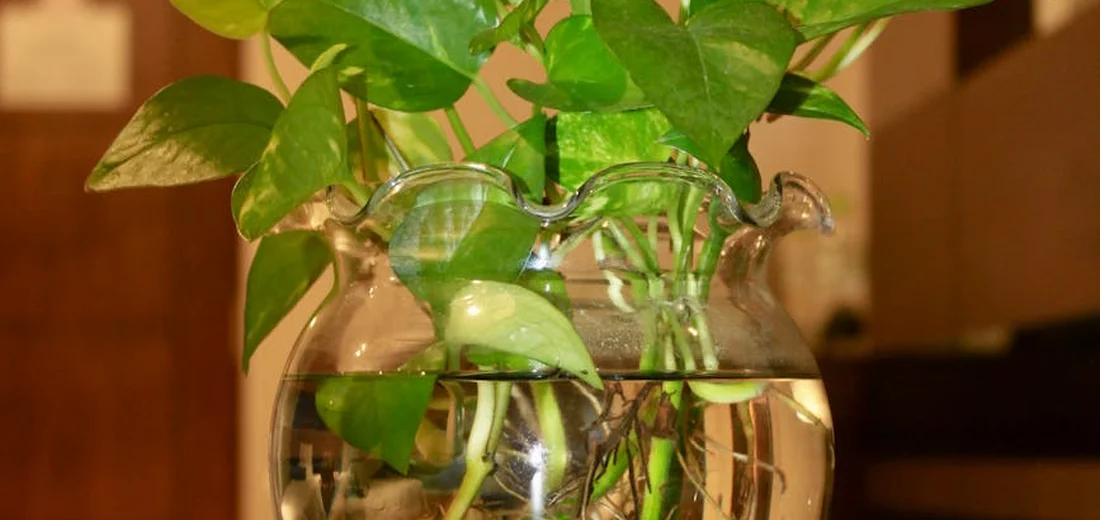
In my experience, pothos plants get leggy and sparse when they don’t get enough light or the right amount of water. Bright indirect light is your secret weapon for encouraging dense, leafy growth instead of long, bare stems. Light and temperature matter for pothos: they thrive in bright indirect light and stable room temperatures. Too cold or hot conditions can stress them and slow growth. I keep mine near an east-facing window where it gets gentle morning sun without the harsh afternoon rays.
Watch for these signs that your pothos needs a lighting or watering adjustment:
- Leggy growth with long spaces between leaves
- Small, pale leaves or slow growth
- Leaves turning yellow and dropping (often from overwatering)
- Soil staying wet for days or developing a musty smell
Consistent watering means checking the soil moisture rather than sticking to a rigid calendar. I test mine by sticking a finger an inch into the soil – if it feels dry, it’s time for a thorough drink. Here’s a simple seasonal guide I follow:
- Spring and Summer: Water every 1-2 weeks, letting water drain fully
- Fall and Winter: Water every 2-3 weeks, as growth slows
- Small pots (under 6 inches): Check weekly, they dry faster
- Large pots: Can go longer between waterings
Quick tip: Rotate your pothos a quarter turn each time you water to ensure all sides get equal light exposure. This prevents lopsided growth and helps the whole plant fill out evenly.
Fertilizing and Repotting Strategies

Feeding your pothos properly makes a huge difference in how bushy it becomes. I use a balanced liquid fertilizer diluted to half strength every 4-6 weeks during the active growing season from spring through early fall. This gives the plant the nutrients it needs to push out new leaves without risking fertilizer burn.
Look for these signs that your pothos is ready for a new home:
- Roots growing out of the drainage holes or circling the top of the soil
- Water running straight through without soaking in
- The plant becoming top-heavy or growth stalling despite good care
When repotting, choose a container only 1-2 inches wider than the current one – pothos actually like being slightly rootbound to focus energy on foliage. Choosing the right pot size is key to a smooth transition. Going only slightly larger helps prevent waterlogged roots and supports steady growth. I always use a well-draining potting mix with some perlite or orchid bark mixed in to prevent soggy soil. Follow these steps for a stress-free repot:
- Gently remove the plant and check the roots for any dark, mushy sections to trim away
- Select a new pot with drainage holes that’s slightly larger than the root ball
- Refresh with new soil, firming it gently around the roots to eliminate air pockets
Quick tip: After repotting, wait 3-4 weeks before fertilizing to let the roots settle and avoid overwhelming your plant. I’ve found this patience pays off with healthier, fuller growth in the long run.
Troubleshooting Common Bushiness Issues

Sometimes, despite your best efforts, your pothos just doesn’t want to cooperate and fill out. I’ve rescued many a lanky pothos, and the fix is almost always in the fundamentals. Let’s diagnose the most common problems.
Leggy Vines with Sparse Leaves
This is the number one complaint I hear, and I’ve seen it in my own home. Your plant has long stretches of bare vine between a few lonely leaves. Legginess is your pothos’s dramatic way of telling you it’s not getting enough light. It’s stretching desperately towards any available light source. By recognizing the signs, you can identify common light-related plant problems and fix them. We’ll cover what to look for and practical fixes.
- Solution: Move it to a spot with brighter, indirect light. An east-facing window is often perfect.
- Rotate the pot a quarter turn every time you water to ensure all sides get even light exposure.
- If you can’t provide more natural light, a simple grow light for a few hours a day works wonders.
Overall Thinning and Yellowing Leaves
When your plant seems to be losing its lushness and leaves are turning yellow, you need to play plant detective. Yellow leaves often point to overwatering, which can suffocate roots and prevent them from supporting new, bushy growth. For ZZ plants, yellowing or browning leaves can signal root problems from too much moisture, while low light can also contribute. Knowing the causes helps you choose the right solutions for your plant.
- Solution: Check the soil! Only water when the top two inches feel completely dry to the touch.
- Ensure your pot has drainage holes. Soggy soil is a death sentence for bushy aspirations.
- Inspect the leaves (top and bottom!) for tiny pests like spider mites, which can suck the life out of your plant.
Slow Growth or No New Growth
If your pothos seems to be in a permanent state of pause, it’s likely hungry or cramped. Pothos are not heavy feeders, but they do need some fuel to produce all that beautiful new foliage you’re after.
- Solution: During the growing season (spring and summer), feed it a balanced liquid houseplant fertilizer monthly, diluted to half strength.
- Gently check if the roots are circling the bottom of the pot. If the pot is packed, it’s time to size up.
Using Air Layering to Salvage a Damaged Stem
I once had a gorgeous long vine that got damaged, and I saved it using this method instead of just cutting it off. Air layering encourages a stem to grow roots while it’s still attached to the mother plant, giving you a guaranteed new, full plant to add back to the pot.
- Identify a healthy section of a leggy vine and make a small, upward diagonal nick about one-third of the way through the stem.
- Dust the wound with a little rooting hormone (this helps, but I’ve had success without it too).
- Wrap the nicked section with a handful of damp sphagnum moss, then cover it tightly with clear plastic wrap, securing both ends with twist ties or string.
- In a few weeks, you should see roots growing inside the plastic. Once they’re an inch or two long, you can cut the stem below the new roots and pot it up!
FAQs
How often should I prune my pothos to keep it bushy?
Prune your pothos every few months during the active growing season to stimulate new side shoots and maintain density. Proper pruning and trimming pothos promotes optimal growth and helps shape the plant for a fuller appearance.
Can I propagate pothos in soil instead of water for faster results?
Yes, propagating pothos cuttings directly in moist soil can encourage stronger root development and reduce transplant shock.
What type of support is best for encouraging a bushier pothos?
Using a moss pole or stake to train vines upward promotes closer node spacing and larger leaves for a fuller appearance.
How can I tell if my pothos needs more light to avoid legginess?
If your pothos has long internodes and sparse leaves, move it to a spot with brighter indirect light to encourage compact growth. Too little light causes leggy growth. Too much light can scorch leaves.
When is the right time to fertilize a pothos for optimal bushiness?
Fertilize with a balanced, diluted liquid fertilizer every 4-6 weeks in spring and summer to support lush, dense foliage. This cadence helps answer when to fertilize indoor plants during their active growing season. In fall and winter, reduce or pause feeding to prevent nutrient buildup.
Why is my pothos not responding to pruning and care with new growth?
Ensure the plant isn’t rootbound, underwatered, or in low light, as these can hinder new branch formation even after pruning.
Your Path to a Lush, Bushy Pothos
To make your Pothos plant fuller and bushier, combine strategic pruning with consistent care in light, water, and feeding. From my own experience, this approach consistently encourages dense, vibrant growth without overwhelming the plant. Pruning helps you control the plant’s size and shape, keeping it compact and balanced. Regular trimming guides growth where you want it most.
- Prune long stems just above a leaf node to spur new branches.
- Provide bright, indirect light and water when the top soil feels dry.
- Use a balanced liquid fertilizer during growing seasons for an extra boost.
I’ve seen countless Pothos transform with these simple steps, so stick with it and your plant will reward you with lushness. If you’re looking to propagate pothos plants, follow this complete step-by-step guide for best results. This guide walks you through each cut and rooting step so you can replicate success at home. For ongoing support, remember that Hardy House Plants offers a wealth of friendly advice to guide your plant care journey with confidence.
Further Reading & Sources
- How to Make a Pothos Fuller: 6 Easy Methods
- How to Make Pothos Fuller and Bushier
- How to Make Pothos Fuller – Tenney Plants
- r/pothos on Reddit: How to Get a Full, Bushy Pothos?
Lena Greenfield is a passionate horticulturist and plant care expert with over 10 years of experience cultivating and nurturing hardy house plants. With a deep understanding of both indoor and outdoor gardening, Lena shares practical advice on choosing, caring for, and maintaining resilient plants that flourish year-round. Through her knowledge and hands-on approach, Lena helps plant lovers transform their spaces into vibrant, green sanctuaries, no matter their gardening experience.
Pruning Techniques