
Are Terracotta Pots Good for Indoor Plants?
You’ve probably seen those classic, earthy pots everywhere and wondered if they’re the right choice for your indoor jungle. I can tell you from years of filling my own home with plants that yes, terracotta pots are fantastic for most indoor plants, but they do require a slight shift in your watering routine.
Let’s dig into the details so you can make the best choice. We’ll cover the porous benefits, watering considerations, and which plants thrive in them.
What Are Terracotta Pots and How Do They Work?
Terracotta pots are those classic, reddish-brown clay pots you see everywhere. I think of them as the blue jeans of the plant world-simple, timeless, and incredibly functional. The name itself comes from Italian, meaning “baked earth,” which perfectly describes how they’re made from clay that’s fired in a kiln.
What makes them special is that they’re porous. This isn’t just a fancy term; it means the clay has tiny, invisible holes all over its surface. These microscopic pores allow air and water to pass directly through the pot’s walls. It’s like your plant’s roots are living in a breathable fabric pot, but one made of sturdy clay.
Here’s how this porosity works in practice for your plants:
- When you water, excess moisture doesn’t just sit at the bottom. It slowly wicks through the pot walls and evaporates into the air.
- This process pulls fresh oxygen into the soil, giving your plant’s roots a much-needed breath of air with every watering.
- The pot itself acts as a moisture meter. A dark, damp spot on the outside means the soil is still wet inside.
The Pros of Terracotta Pots for Indoor Plants
From my years of tending to a jungle of indoor plants, I’ve found terracotta to be a reliable partner. Its benefits are particularly noticeable with certain types of plants.
Superior Breathability for Healthy Roots
The number one reason I reach for terracotta is the air flow it provides to the root zone. This constant air exchange is your best defense against root rot, a common killer of houseplants. Plastic pots can trap water and suffocate roots, but terracotta’s porous nature prevents that soggy, stagnant environment.
I’ve personally seen dramatic turnarounds with overwatered succulents after repotting them into terracotta. The pot essentially helps regulate the soil moisture for you, creating a safer environment for fussy plants. It’s one of the key things succulents need to thrive.
Excellent for Succulents and Cacti
If you love succulents, terracotta is practically a requirement. These plants are adapted to dry, arid, non-tropical conditions and despise “wet feet.” Terracotta’s quick-drying nature mimics their natural, rocky habitat perfectly. It pulls moisture away from the soil, allowing it to dry out thoroughly between waterings, which is exactly what these drought-loving plants crave.
- Prevents soil from staying damp for too long.
- Reduces the risk of stem and root rot.
- Provides a stable, cool root environment even in warm, sunny windows.
Heavy and Stable Base
That satisfying weight of a terracotta pot is more than just a feeling of quality. A heavy pot is a stable pot, which is a huge advantage for top-heavy plants like large snake plants or fiddle leaf figs. I’ve had too many lightweight plastic pots tip over with a gentle nudge. A terracotta pot acts as a solid anchor, giving your tall or lanky plants the foundation they need to stand tall.
Natural and Eco-Friendly
In a world full of plastic, I find comfort in using a pot made from natural clay. Terracotta is a sustainable material that is fully biodegradable at the end of its very long life. You’re bringing a piece of the earth into your home, and when you’re done with it, it can eventually return to the earth without harming the environment.
Affordable and Widely Available
You don’t need a fancy garden center to find a good terracotta pot. You can find these pots at almost any big-box store, local nursery, or even thrift shops for just a few dollars. This accessibility makes it easy to build a cohesive, stylish plant collection without breaking the bank. I’ve built most of my collection with simple, inexpensive terracotta pots.
Develops a Beautiful Patina
Unlike a plastic pot that just gets dirty, a terracotta pot ages with character. Over time, minerals from water and fertilizer can rise to the surface, creating a lovely white, crusty patina. Many plant enthusiasts, including myself, love this look. It shows the pot has a history and has been lovingly used to nurture life.
The Cons of Terracotta Pots You Need to Know
I love my terracotta collection, but I’ve learned they aren’t a perfect fit for every plant or person. Their porous nature is a double-edged sword, and it can create some real headaches if you’re not prepared.
They Dry Out Super Fast
The number one complaint I have is the watering frequency. I once went on a five-day trip and came back to a thoroughly wilted pothos that was perfectly happy before I left. Terracotta wicks moisture from the soil and lets it evaporate through the walls, meaning you’ll be at the sink with your watering can much more often. This is a major consideration if you travel frequently or tend to forget your plant-care schedule.
They’re Surprisingly Heavy
Don’t underestimate the weight! A large terracotta pot filled with damp soil becomes incredibly heavy. Moving my big fiddle leaf fig in its terracotta pot is a two-person job that I dread. If you like to rearrange your plants for light or decor, the heft of terracotta can be a real drawback.
They Can Develop a White Crust
You’ll likely notice a white, chalky film on the outside of your pots over time. This is mineral salt buildup from fertilizers and tap water, pushed through the clay. While harmless to the plant, this efflorescence can look unsightly to some gardeners. I don’t mind the rustic, weathered look, but if you prefer pristine pots, this will bother you.
They Are Fragile
I’ve had my heart broken by more than one beautiful terracotta pot meeting its end on a tile floor. Terracotta is brittle and can crack or shatter easily if dropped or knocked over. This is especially true in homes with pets, children, or clumsy plant parents (I’ve been all three!).
Best Indoor Plants for Terracotta Pots
Now for the fun part! Knowing the downsides helps us pick the perfect plants that will absolutely thrive in these clay pots. I always match my thirstiest plants with my most porous pots, and it’s a game-changer for their health.
Succulents and Cacti Are a Perfect Match
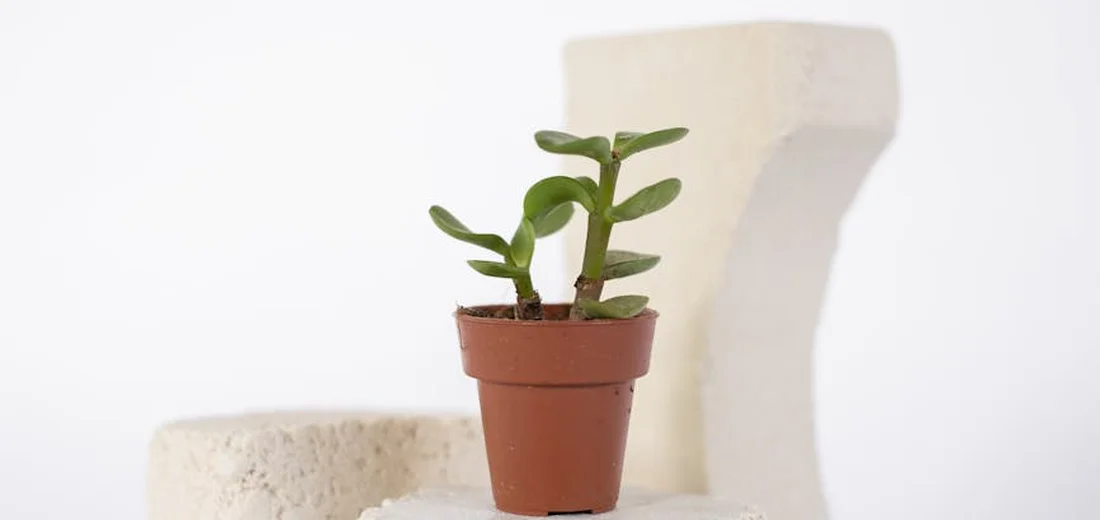
This is a no-brainer pairing. Succulents store water in their leaves and stems and hate sitting in soggy soil. Terracotta’s quick-drying nature mimics the arid, well-draining conditions these plants evolved in. I’ve had far more success with my echeverias and jade plants in terracotta than in any glazed ceramic pot. If you’re growing succulents in a terrarium, opt for a shallow, open container with a gritty, well-draining soil. Be careful not to overwater, and avoid sealing the terrarium, which can trap moisture and cause rot.
- Aloe Vera
- Snake Plants (Sansevieria)
- ZZ Plants (Zamioculcas)
- All types of Haworthia
Herbs That Crave Drainage
If you’re growing a little indoor herb garden, terracotta is your best friend. Rosemary, thyme, and oregano will develop root rot in a heartbeat if their roots stay wet, making a terracotta pot the safest choice. I keep my kitchen herbs in small, cute terracotta pots on the windowsill, and they are so much happier for it.
Plants That Like to Dry Out Between Waterings
Look for plants whose care tags say “let the soil dry out completely.” The terracotta pot actively helps you achieve this perfect drying cycle, reducing the risk of overwatering. My prayer plant (Maranta) and pilea both do wonderfully in terracotta because I can water them thoroughly and then trust the pot to help the soil dry efficiently. This setup helps dry out overwatered soil quickly and safely. Pairing terracotta with a light, airy potting mix speeds the drying process without stressing the roots.
- Feel the soil an inch down. If it’s dry, it’s time to water.
- Water slowly and deeply until it runs out the drainage hole.
- Wait until the pot feels light and the soil is dry again.
Quick tip: If you fall in love with a plant that needs constant moisture, you can still use terracotta-just be ready to water it every few days! I do this with my ferns, and while it’s more work, the pot still provides excellent air circulation to the roots. It’s especially important when you’re trying to balance humidity and air circulation in a controlled environment.
How to Properly Use Terracotta Pots
Choosing the Right Potting Mix
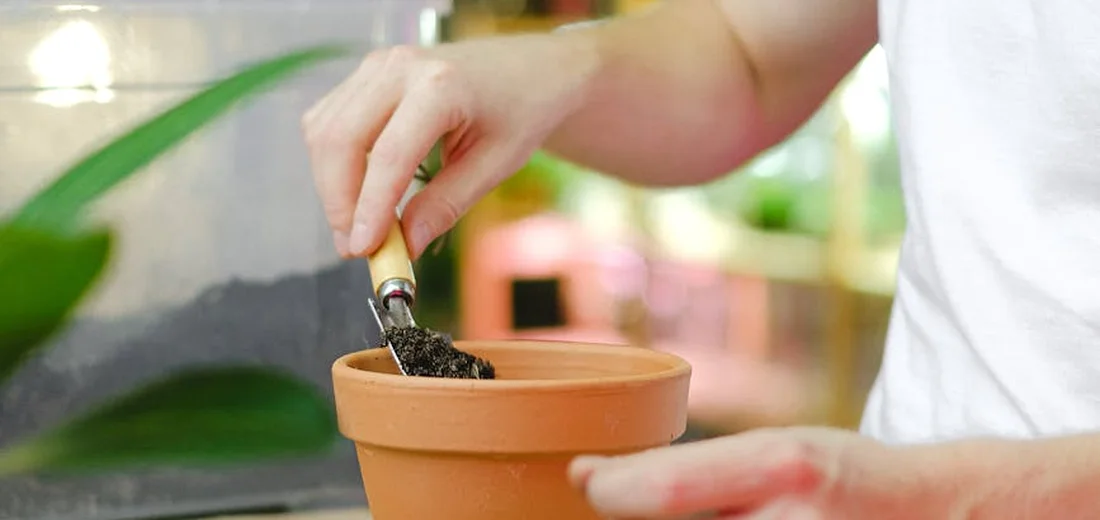
Your potting mix is the engine room for your plant’s health, and in a terracotta pot, the wrong mix can lead to trouble. I always use a very chunky, airy potting mix specifically because terracotta dries out so efficiently. A dense, moisture-retentive soil can become a hard, compacted brick that repels water when it finally dries in a clay pot. Different indoor plants need different mixes, so tailor the blend to the species. For instance, cacti and succulents do best with gritty, fast-draining mixes, while tropicals and ferns prefer lighter, moisture-retentive soils.
For most of my indoor plants, I make my own blend. Here is my go-to recipe:
- Two parts standard potting soil
- One part perlite for aeration
- One part orchid bark or coconut coir for chunkiness
This creates a mix that holds just enough moisture for the roots to drink but allows excess water to drain away quickly, which is exactly what terracotta pots facilitate. For succulents and cacti, I lean even heavier on the inorganic materials, sometimes using a 50/50 mix of potting soil and perlite or pumice. This prevents the dreaded “wet feet” that cause root rot. As for propagation, water vs soil methods are often debated for succulents. In practice, soil propagation with a fast-drying mix tends to establish roots more reliably than keeping cuttings in water.
Watering Techniques for Terracotta
Watering in terracotta is a different rhythm than with plastic or glazed ceramic pots. You can’t just set a weekly schedule and forget it. The porous nature of the clay means you will be watering more frequently, especially during warm, sunny months. I’ve learned to water my terracotta-potted plants about 25% more often than the same plant in a plastic pot.
The best method is the bottom-watering technique. I place the pot in a saucer or sink filled with a couple of inches of water and let it sit for 30-45 minutes. The clay will slowly wick the moisture up through the drainage hole, hydrating the entire root ball evenly. This ensures the soil is thoroughly moistened without the risk of water running straight down the sides and out the bottom, which can happen if the soil has become too dry.
Always do the finger test before you water! Stick your finger about two inches into the soil. If it feels dry, it’s time for a drink. If it’s still cool and damp, hold off for another day or two.
Maintaining and Cleaning Terracotta Pots
Those beautiful white mineral stains and green algae patches on old terracotta pots are like badges of honor, but sometimes you want to start fresh, especially when reusing a pot for a new plant. Giving your terracotta pots a good scrub between uses prevents pests and diseases from being transferred to your new plant.
My simple cleaning method has never failed me:
- Scrub the empty pot with a stiff brush under running water to remove loose dirt.
- Soak the pot in a solution of one part white vinegar to four parts water for about 30 minutes. This loosens the mineral deposits.
- Scrub again to remove the softened stains and any lingering salt buildup.
- Rinse thoroughly and let it air-dry completely before planting.
For a deeper clean to kill any pathogens, you can soak the pot in a diluted bleach solution (one part bleach to nine parts water) for 10-15 minutes after the vinegar soak, but I find vinegar does the trick 99% of the time. Never use soap, as its residue can get trapped in the pores of the clay and harm your plant’s roots.
In the winter, if you keep pots outdoors, make sure they are completely empty. Terracotta can crack if water trapped inside freezes and expands. I bring all my spare pots into the garage or basement to keep them safe from the elements.
Terracotta vs. Other Pot Materials: A Quick Comparison
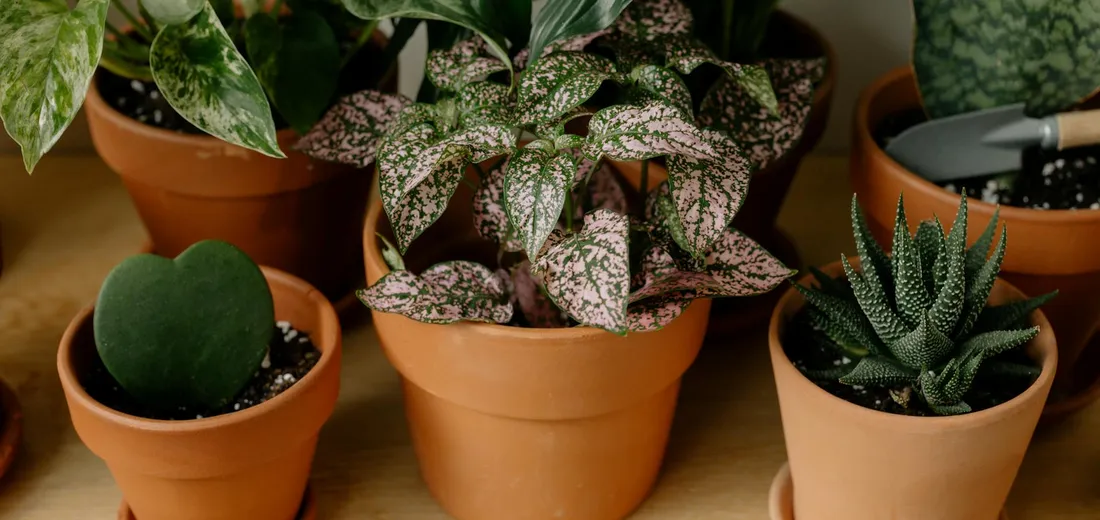
I’ve tested nearly every type of pot on my plant collection over the years. Choosing the right pot material is one of the most impactful decisions you can make for your plant’s health. Let’s see how terracotta stacks up against the competition.
Terracotta vs. Plastic Pots
This is the most common face-off in the plant world.
- Breathability: Terracotta is porous, allowing air and water to pass through the walls. Plastic is a solid barrier, trapping all that moisture inside.
- Watering Frequency: Your plants in terracotta will dry out faster and need more frequent watering. Plastic pots hold moisture much longer.
- Weight & Stability: A large terracotta pot is heavy and sturdy, great for top-heavy plants. Plastic is lightweight and easy to move around.
- Root Health: The breathability of terracotta helps prevent root rot by allowing the soil to dry more evenly. Plastic can create a “wet blanket” effect around the root ball if you’re not careful.
My go-to rule is to use terracotta for plants that hate wet feet, like succulents and snake plants, and reserve plastic for my thirstier tropicals.
Terracotta vs. Glazed Ceramic Pots
Glazed ceramic pots are beautiful, but they function very differently.
- Moisture Control: The glaze on ceramic pots seals the clay, making them almost as non-porous as plastic. Terracotta wins for breathability.
- Aesthetics: Glazed ceramics offer endless colors and finishes. Terracotta has that classic, earthy look that develops a patina over time.
- Durability: Both are made from fired clay, but terracotta is more prone to chipping or cracking if dropped. A thick glazed ceramic pot is often more robust.
- Price: Basic terracotta pots are generally more affordable than decorative glazed ceramics.
I love using a glazed ceramic pot as a decorative cache pot (a fancy outer pot) and keeping my plant in a simple terracotta pot inside it. This gives me the best of both worlds-style and function.
Terracotta vs. Self-Watering Pots
These are designed for convenience, but they’re not for every plant.
- Watering Method: Self-watering pots have a reservoir that wicks water up into the soil as needed. Terracotta requires you to water from the top and relies on drainage.
- Risk of Overwatering: Self-watering pots are fantastic for consistent moisture but can be disastrous for succulents and cacti. Terracotta’s drying action is a built-in safety net against over-loving your plants with too much water.
- Maintenance: Self-watering pots need occasional cleaning to prevent algae in the reservoir. Terracotta is simple to clean and maintain.
I use self-watering pots for my peace lilies and ferns, but my jade plants and aloes will always live in terracotta. In a complete jade plant care guide for growing Crassula ovata indoors, I’ll cover light, soil, and watering needs. Terracotta pots help keep the roots from sitting in damp soil.
Common Questions
Are indoor terracotta pots a good choice for all my plants?
They are excellent for plants that prefer dry soil, like succulents, but may dry out too quickly for moisture-loving plants. Learn why succulents require special soil.
Do I need indoor terracotta pots and saucers?
Yes, a saucer is essential to protect your surfaces from water that drains through the pot’s porous walls.
Where can I find indoor terracotta pots for sale near me?
Check local garden centers, home improvement stores, and nurseries like those in Lafayette, LA, for immediate availability.
What should I consider when buying indoor terracotta pots large enough for a tree?
Ensure the pot is very sturdy and has a wide, stable base to support the top-heavy weight of a tree.
Is it safe to buy indoor terracotta pots on Amazon?
Yes, but carefully check product dimensions and reviews to ensure you receive the correct size and quality.
What does it mean if I find indoor terracotta pots grey in color?
Grey terracotta pots are typically made from a different type of clay or are sealed, which can reduce their natural porosity.
My Final Take on Terracotta Pots
From my years of growing succulents and houseplants, I wholeheartedly recommend terracotta pots for their breathability and root-rot prevention. Choosing terracotta means you’re giving your plants a fighting chance against overwatering, which I’ve seen save many a struggling succulent. For many, terracotta pots are among the best containers for succulents because of their drainage and moisture-wicking properties. If you’re choosing containers specifically for succulents, terracotta is hard to beat.
- Pick terracotta for moisture-sensitive plants like succulents and snake plants.
- Adjust your watering schedule to account for faster drying.
- Embrace the rustic, natural aesthetic that fits any room.
I encourage you to grab a terracotta pot for your next plant project-you’ll notice the difference in your plant’s health and your confidence as a caregiver. Your green thumb is ready to shine with the right tools and a bit of practice!
Further Reading & Sources
- Terracotta Planters | Terrain
- Indoor – Clay – Plant Pots – The Home Depot
- r/houseplants on Reddit: Plants that thrive in terracotta?
- Pros & Cons Terracotta Pots
Lena Greenfield is a passionate horticulturist and plant care expert with over 10 years of experience cultivating and nurturing hardy house plants. With a deep understanding of both indoor and outdoor gardening, Lena shares practical advice on choosing, caring for, and maintaining resilient plants that flourish year-round. Through her knowledge and hands-on approach, Lena helps plant lovers transform their spaces into vibrant, green sanctuaries, no matter their gardening experience.
Watering Practices