
Essential Tools and Supplies for Beginner Plant Parents
Starting your plant parent journey can feel overwhelming, with endless products and conflicting advice. But the truth is, you only need a few key items to set your plants up for success.
In this guide, I’ll share the exact tools I used when I started my own collection, covering the absolute must-haves, helpful optional upgrades, and smart budget-friendly alternatives.
Your Core Watering Kit: Simple Tools for Happy Plants
Getting watering right is the single biggest hurdle for new plant parents, but a few simple tools make it foolproof. I learned this the hard way after nearly drowning a beautiful pothos with my over-enthusiastic watering habits. This core kit will build your confidence instantly.
- Watering Can with a Long, Narrow Spout: This isn’t just for looks. The long spout lets you direct water precisely to the soil, avoiding the leaves and crown of the plant, which can lead to rot. It gives you so much more control than trying to pour from a cup.
- Spray Bottle (Mister): Many popular houseplants, like ferns and calatheas, thrive on humidity. A simple spray bottle lets you mimic their preferred tropical environment. I use mine almost daily to give the leaves a light mist, which also helps keep dust off.
- Moisture Meter: This little gadget was a game-changer for me. You simply stick the probe into the soil, and it tells you if the root level is wet, moist, or dry. It completely eliminates the guesswork and is the best defense against overwatering.
Quick Tip: No moisture meter? Use your finger! Push it about two inches into the soil. If it feels dry, it’s time to water. If it feels damp or soil sticks to your finger, wait a few more days. This free method is surprisingly reliable once you get the hang of it.
Choosing the Right Home: Plant Pots and Drainage
Picking the Perfect Pot Size and Material
Think of a plant’s pot like its pair of shoes; it needs to fit well and be comfortable. When you bring a new plant home, it’s often best to let it acclimate in its nursery pot for a few weeks before even thinking about repotting. When you eventually repot, choose a pot that fits the root ball—ideally only one size larger. This helps roots establish and prevents water from sitting in a pot that’s too large.
- Size Matters: Always choose a new pot that is only 1-2 inches larger in diameter than the current one. A pot that’s too large holds excess soil that stays wet for too long, leading to soggy roots and rot.
- Terracotta vs. Plastic: This is a classic choice. I am a huge fan of terracotta for most of my plants, especially succulents. The porous clay allows water and air to pass through, helping the soil dry out more evenly and preventing overwatering. Plastic pots are lighter and retain moisture longer, which can be great for thirsty plants but risky for beginners.
The single most important feature of any pot you buy is a drainage hole at the bottom. Without an escape route, water pools at the bottom, creating a swampy environment that plant roots simply cannot tolerate.
The Importance of Drainage Trays and Saucers
Drainage holes are vital, but they let water flow out onto your furniture. That’s where saucers and trays come in. They are the unsung heroes of indoor plant care, protecting your shelves and windowsills from water stains and damage.
Their job is to catch the excess water that runs through the soil after you water your plant. This is completely normal and shows your watering was thorough. After you finish watering, wait about 30 minutes for the pot to fully drain.
Here is the critical next step: always empty the saucer after the pot has finished draining. Do not let your plant sit in a puddle of water. Letting the pot sit in standing water is just as bad as having no drainage hole at all, as it will keep the bottom of the soil perpetually soaked.
Building a Healthy Foundation: Soil and Potting Mix
Understanding Potting Soil vs. Specialized Mixes
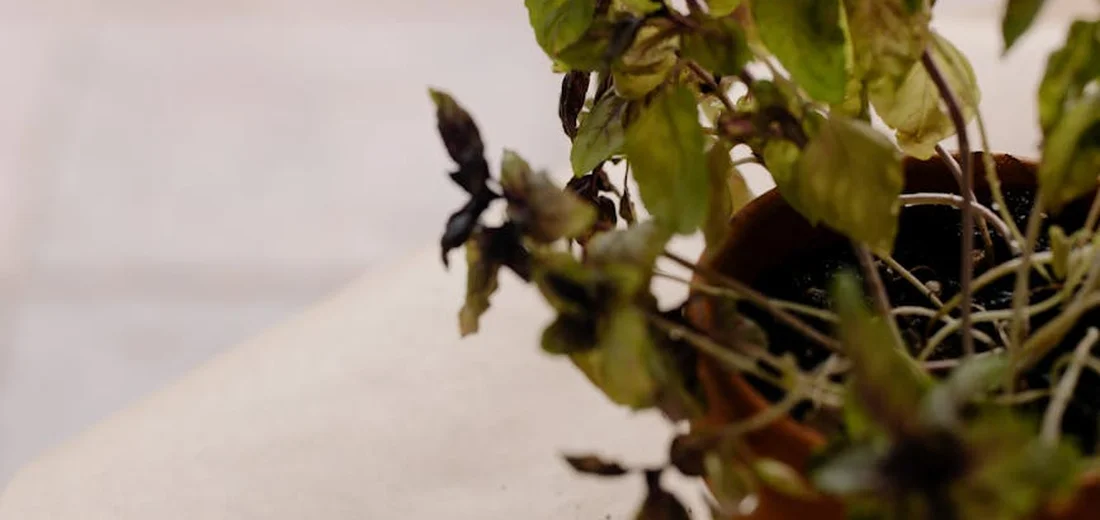
When I first started, I thought all dirt was the same, and my plants paid the price. Regular all-purpose potting soil is designed to hold onto moisture, which is great for thirsty tropical plants but a death sentence for succulents that hate wet feet. Do succulents really need special soil? The truth is yes—the right mix drains fast and helps prevent root rot. Succulent and cactus mixes, on the other hand, are engineered for one thing: fast drainage.
I learned to look for three key ingredients that make a mix light and airy. Perlite are those little white, popcorn-like pieces that create crucial air pockets. Vermiculite is a flaky mineral that holds a bit of water and nutrients. Coco coir, made from coconut husks, is a fantastic, sustainable alternative to peat moss that helps aerate the soil. A good succulent mix is packed with these, while a standard potting soil is much denser.
How to Create Your Own Simple Well-Draining Mix
Making your own mix is not only cost-effective, it lets you control the exact texture. My go-to, no-fail recipe for most of my succulents is a simple 2:1:1 ratio that has never let me down (you can find it here). You just need three ingredients:
- 2 parts All-Purpose Potting Soil
- 1 part Coarse Sand (or poultry grit)
- 1 part Perlite
Here’s how to put it together. First, grab a large bucket or tub. Dump in your two parts of potting soil. Add one part of coarse sand—this is for weight and drainage. Finally, mix in one part of perlite. Now, use your hands or a trowel to mix everything together thoroughly until the color is uniform. That’s it! You’ve just made a professional-grade, well-draining mix. This is a great base for perlite succulent soil mixes. The light, airy texture helps drainage—perfect for succulents.
Essential Maintenance Gear: Pruning and Care Tools
Keeping your plants tidy and healthy requires just a few key tools. You don’t need a fancy kit; a handful of dedicated tools will make plant care feel effortless and precise. These essential tools support plant health monitoring, helping you track moisture, light, and early signs of trouble.
- Sharp Pruning Shears or Snips: This is your most important tool. I use my snips almost daily for precise jobs like deadheading a spent flower or snipping off a yellowing leaf at the base without damaging the healthy stem.
- Dedicated Plant Scissors: I keep a small, sharp pair of scissors just for my plants. They’re perfect for trimming crispy tips off spider plants or giving an overgrown herb a quick haircut.
- A Good Pair of Gloves: Trust me, gloves are a game-changer. They protect your hands from prickly cacti, the irritating sap of plants like pencil cactus, and of course, all that dirt.
Quick Tip: Always wipe your blades with rubbing alcohol before moving from one plant to another. This simple habit prevents the spread of any potential pests or diseases, acting like a quick health check for your entire plant family.
Helpful Extras for Confident Plant Parenting
Fertilizer Basics: What NPK Means for Your Plants
Walking down the fertilizer aisle can feel like reading another language, but it’s really just a simple code. The NPK ratio on the bottle tells you the main nutrients inside: Nitrogen (N) for leafy green growth, Phosphorus (P) for strong roots and flowers, and Potassium (K) for overall plant health. Think of it like a meal: Nitrogen is the main course, Phosphorus is the vitamins, and Potassium is the immune booster.
For most of my common houseplants and succulents, I use a balanced, water-soluble fertilizer like a 10-10-10 or 5-5-5 formula. A simple “once a month, from spring to fall” schedule is a foolproof rule I’ve followed for years. I mix it at half the strength recommended on the bottle to avoid shocking my plants’ roots.
- Wait 4-6 weeks before fertilizing any new plant you bring home.
- Never fertilize a stressed, bone-dry, or dormant plant.
- Succulents need even less food; I fertilize mine just 2-3 times during the growing season.
Light and Humidity Boosters: Grow Lights and Misters
If your home has more cozy corners than sunny windows, a grow light can be a game-changer. I started using them for my succulents during a particularly gray winter and was amazed by the difference. You’ll know you need one if your plants are stretching out with large gaps between their leaves or losing their vibrant color. A simple, affordable LED clamp light positioned a foot above your plants for 8-12 hours a day works wonders.
For humidity, many tropical plants like ferns and calatheas will develop crispy brown leaf tips if the air is too dry. A fine misting bottle is a great starting tool, but for a more lasting effect, I group my humidity-loving plants together or set them on a pebble tray filled with water. The water evaporates around them, creating a perfect little microclimate. Controlling humidity is a key part of keeping indoor plants healthy. With these tactics, you can stabilize moisture and reduce stress on tropical varieties.
- Look for full-spectrum LED grow lights; they’re energy-efficient and don’t get too hot.
- Misting provides a quick humidity fix, but it’s a temporary solution that needs to be done daily.
Staying Organized: Plant Labels and Markers
This might seem like a small thing, but trust me, it will save you from future headaches. Using plant labels with a waterproof marker is the easiest way to keep track of who’s who and what they need. I learned this the hard way after mixing up two different types of succulents with similar looks but very different watering needs. If you learn to read the signs, you’ll know when your succulents need water. Watch for wrinkled, puckered leaves.
One of them did not appreciate the mix-up! Now, I write the plant’s name and a quick care reminder right on the label. You can buy cute decorative labels or simply use popsicle sticks and a permanent marker. It makes watering day so much faster and more accurate, especially as your plant family grows.
- Jot down the plant’s common and scientific name to avoid confusion.
- Add a brief note like “Loves to dry out” or “Keep soil lightly moist” for quick reference.
FAQs
What pests should beginners watch for?
Beginners should watch for common pests like spider mites, mealybugs, and fungus gnats, which can be managed with early detection and natural treatments.
How many plants should a beginner start with?
Start with 1-3 easy-care plants to build confidence and avoid overwhelm while learning basic care routines.
Do beginners need fertilizer and when?
Yes, use a balanced, water-soluble fertilizer monthly from spring to fall at half the recommended strength to support healthy growth.
Are grow lights necessary for beginners?
Grow lights are necessary if natural light is insufficient, especially for plants showing signs of stretching or color loss.
What basic pruning tools do I need?
Essential pruning tools include sharp pruning shears or snips for precise cuts and maintaining plant health.
What labeling or plant care diary should beginners use?
Use simple plant labels with a waterproof marker to record names and care reminders for easy tracking and organization.
Your Plant Care Adventure Begins Now
Based on my own journey with house plants and succulents, starting with a few key tools makes plant care simpler and more enjoyable, so you can avoid common mistakes and see your plants flourish. Especially when you’re just starting out, having the right tools can be a game-changer.
- Focus on a good watering can, proper soil, and sharp pruners to build your foundation.
I’ve watched countless beginners transform into confident plant parents-grab your supplies, trust your instincts, and enjoy every step of nurturing your green companions!
Further Reading & Sources
- Garden Tools, Planters, Raised Garden Beds +More | Gardener’s Supply
- Garden Tools, Kneelers, Trugs & Gloves | Gardener’s Supply
- Garden Tools – The Home Depot
- Plant Supplies | High-Quality Products | Tula House | Discover House Plant Tools & Supplies To Care for Your Plants
Lena Greenfield is a passionate horticulturist and plant care expert with over 10 years of experience cultivating and nurturing hardy house plants. With a deep understanding of both indoor and outdoor gardening, Lena shares practical advice on choosing, caring for, and maintaining resilient plants that flourish year-round. Through her knowledge and hands-on approach, Lena helps plant lovers transform their spaces into vibrant, green sanctuaries, no matter their gardening experience.
DIY Projects