
Best Succulents for Beginners: Top 10 Easy-Care Varieties
Published on: May 15, 2026 | Last Updated: May 15, 2026
Written By: Lena Greenfield
Are you new to succulents and worried about keeping them alive? As someone who’s grown hundreds of these plants over the past decade, I can tell you that picking the right varieties makes all the difference for a stress-free start.
In this article, I’ll cover the top 10 beginner-friendly succulents, what makes them low-maintenance, and simple care tips to keep them thriving.
Why Succulents Are the Perfect Start for New Plant Parents
When I first started my plant journey, I was terrified of killing everything I touched. Succulents were my training wheels, and they taught me more about plant care than any book ever could. Their forgiving nature builds confidence quickly.
These plants are designed to thrive on neglect. Their thick, fleshy leaves store water, creating a built-in safety net for when life gets busy and you forget a watering or two. I’ve left my jade plant for nearly a month during a hectic move, and it barely batted an eye. That resilience is priceless for a new plant parent.
You don’t need a green thumb to start, just a sunny windowsill. They ask for so little yet give so much in return, purifying your air and adding a living sculpture to your space. Starting with succulents removes the pressure to be perfect and lets you enjoy the simple joy of keeping something alive.
The 10 Most Forgiving Succulents to Start Your Collection
Jade Plant (Crassula ovata)
My very first succulent was a jade plant, and it’s still thriving a decade later. Jade plants feel like old friends; they’re incredibly patient and communicate their needs clearly. When thirsty, their plump leaves get slightly soft and wrinkly.
- Light: Loves bright, direct light. A south-facing window is ideal.
- Water: Soak the soil completely, then let it dry out fully before watering again.
- Pro Tip: The stems get thick and woody over time, giving it a miniature tree-like appearance that I absolutely adore.
Zebra Haworthia (Haworthiopsis fasciata)
If you worry about too much sun, the Zebra Haworthia is your champion. This striped beauty is one of the few succulents that genuinely tolerates lower light conditions, making it perfect for desks and north-facing rooms. It’s a slow, steady grower.
- Light: Thrives in bright, indirect light. Avoid harsh afternoon sun which can scorch its stripes.
- Water: Even more drought-tolerant than others. Water only when the soil is bone dry.
- Pro Tip: It produces lots of offsets, or “pups,” so you’ll have plenty to share with friends!
Echeveria
Echeverias are the classic rosette succulents you see in gorgeous arrangements. Their perfect, flower-like shape provides instant gratification and a huge visual payoff for very little effort. They come in a stunning array of colors, from pale blue to dusty pink. With proper echeveria succulent care, you can grow even more beautiful rosette varieties. Consistent, bright light and well-draining soil help them stay compact and colorful.
- Light: Requires several hours of direct sunlight daily to maintain its tight shape and color.
- Water: Water at the soil level, avoiding the rosette to prevent rot.
- Pro Tip: If your echeveria starts stretching out, it’s telling you it needs more light!
Snake Plant (Sansevieria trifasciata)
Calling a snake plant forgiving is an understatement. I’ve seen these architectural wonders survive in near-dark corners with waterings months apart. They are the ultimate set-it-and-forget-it plant, practically indestructible.
- Light: Adapts to any light condition, from low light to direct sun.
- Water: Water infrequently. When in doubt, wait another week. Overwatering is the only real threat.
- Pro Tip: Snake plants are top-tier air purifiers, actively filtering toxins while you sleep.
Aloe Vera
Aloe is a functional friend for your home. Keeping an aloe plant on your kitchen windowsill means you always have a first-aid kit for minor burns and sunburns within arm’s reach. The gel inside the leaves is wonderfully soothing.
- Light: Prefers bright, indirect sunlight.
- Water: Water deeply but infrequently, allowing the soil to dry completely.
- Pro Tip: To use, simply snap off a lower, outer leaf and slice it open to access the fresh gel.
Burro’s Tail (Sedum morganianum)
This is the plant that will make your friends say “wow.” Burro’s Tail produces long, trailing stems densely packed with blue-green leaves that look like plump little beads. It’s spectacular in a hanging basket.
- Light: Enjoys bright light but can get scorched by intense, direct afternoon sun.
- Water: Be careful! The leaves store lots of water. Let the soil dry out thoroughly between waterings.
- Pro Tip: The leaves pop off easily, so handle with care and place it where it won’t be brushed against.
Flapjack Plant (Kalanchoe luciae)
Also called Paddle Plant, this succulent is a dramatic showstopper. The large, flat, red-tipped leaves look like stacks of colorful pancakes, adding a bold structural element to any collection. The red edges intensify with more sunlight.
- Light: Needs lots of direct sun to develop its signature red color.
- Water: Water only when the soil is completely dry. The thick leaves hold plenty of moisture.
- Pro Tip: This plant is monocarpic, meaning it flowers once and then dies, but it usually produces many pups before it does.
Hens and Chicks (Sempervivum)
These are the tough guys of the succulent world. Hens and Chicks are famously cold-hardy and can survive freezing temperatures, making them fantastic for outdoor rock gardens in cooler climates. The “hen” is the main plant, and it produces countless “chicks” around it.
- Light: Requires full, direct sun for at least 6 hours a day.
- Water: Very drought-tolerant. Water only when the soil is dry.
- Pro Tip: They are prolific spreaders. You can easily pull off the chicks and replant them to create a whole new colony.
Gasteria
Gasteria is the quiet, easy-going cousin of the Aloe and Haworthia. With its tongue-shaped, textured leaves often spotted or striped, it adds unique visual interest without any fuss. It’s exceptionally tolerant of low light and irregular care.
- Light: Prefers bright, indirect light but is very adaptable to shadier spots.
- Water: Water when the soil is completely dry. It’s very susceptible to overwatering, so err on the side of dry.
- Pro Tip: Its flowers are charming, little, hanging, stomach-shaped blooms (which is where its name comes from!).
Living Stones (Lithops)
Lithops are a fascinating, if quirky, choice for the curious beginner. These “living stones” are masters of camouflage and have a completely unique watering schedule that aligns with their natural, arid habitat. They look like small, split pebbles.
- Light: Demands several hours of direct sun daily.
- Water: This is critical. Do not water during their dormant period in winter or when they are splitting to produce new leaves.
- Pro Tip: The main rule with Lithops is: when in doubt, don’t water. They thrive on pure neglect for most of the year.
Simple Care Basics for Thriving Succulents
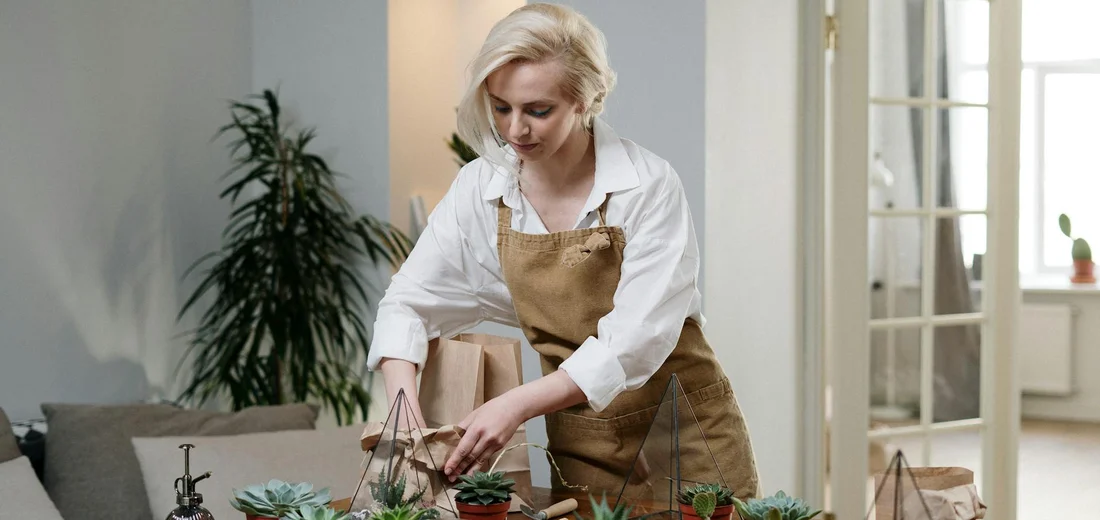
Sunlight Simplified: Finding the Perfect Spot
I’ve learned that getting the light right is the single most important thing for happy succulents. Think of a bright, sunny windowsill—a south or east-facing one is usually perfect for sun-loving, hardy houseplants. Your plants will tell you if they’re getting enough light; they’ll stand up straight and show their best colors.
If you only have lower light, don’t worry. Some varieties, like the Snake Plant or certain Haworthias, will still do just fine. I keep a Zebra Haworthia on my desk that gets only indirect light and it’s been thriving for years.
The Art of Watering: When and How Much
This is where most new plant parents get nervous, but I promise it’s simpler than it seems. Forget a strict schedule and instead, learn the “soak and dry” method. I wait until the soil is completely dry all the way to the bottom of the pot, then I give it a thorough watering until water runs out the drainage hole.
Stick your finger in the soil-if it feels dry an inch or two down, it’s time for a drink. In the winter, I often go a month or more between waterings for my indoor collection.
Choosing the Right Soil and Pot
Regular potting soil holds too much moisture and can lead to root rot. You need a gritty, fast-draining mix specifically made for cacti and succulents. I often make my own by mixing two parts potting soil with one part perlite and one part coarse sand for extra drainage.
Your pot choice is just as crucial. Always, always pick a container with a drainage hole. Terra cotta pots are my favorite for beginners because the porous clay helps the soil dry out faster, giving you a little safety net against overwatering.
Troubleshooting Common Beginner Hiccups
Why Is My Succulent Stretching or Changing Color?
If your succulent starts growing tall and spaced out, it’s telling you it needs more light. This is called etiolation. When a succulent stretches out, it’s desperately reaching for a stronger light source. The fix is easy: just gradually move it to a brighter spot.
Color changes are usually a good sign! Many succulents develop beautiful red, pink, or purple tips when they get plenty of sunlight. It’s like a suntan and means your plant is very happy. Sometimes colors shift to yellow, brown, or red when conditions change or the plant is stressed. We’ll explain why succulents change color in these ways, including what pigments are involved and how light, water, and temperature affect them.
Rescuing an Overwatered Succulent
We’ve all done it-given a plant a little too much love with the watering can. If the leaves feel mushy and translucent, you’ve likely overwatered. The first thing I do is stop watering immediately and move the plant to a brighter, airier location to help dry the soil.
For a severe case, you’ll need to perform a little plant surgery. Gently take the plant out of its pot, brush away the wet soil, and cut off any black or mushy roots with a clean pair of scissors. Let it air dry for a day or two before repotting in fresh, dry soil.
Dealing with Unwanted Pests
Thankfully, succulents are generally pest-resistant, but sometimes bugs show up. The most common culprit I see is the mealybug, which looks like tiny bits of white fluff in the leaf crevices. My go-to solution is to dab them directly with a cotton swab soaked in rubbing alcohol. Know the other common pests too so you can catch issues early. Regular inspection and solid prevention—like careful watering, good airflow, and quarantining new plants—will help keep succulents healthy.
For a minor infestation on a hardy succulent, I sometimes just spray the whole plant down with a strong stream of water in my sink. Keeping your plants clean and not overwatering are the best ways to prevent pests from settling in. To prevent and control ant infestations in succulents, check for ant trails around the pot and wipe them away. A barrier at the pot rim and quarantining new plants can help keep ants from invading.
Your Next Steps: Repotting and Propagation
You’ve picked out your perfect, easy-care succulents, and now you’re probably wondering what comes next. Learning to repot and propagate your plants is where the real fun begins, turning you from a plant owner into a true plant parent. I’ve killed a few plants by repotting them incorrectly early on, so I’ll guide you through the simple steps that actually work.
When and How to Repot Your Succulent
The first sign your succulent needs a new home is when you see roots peeking out of the drainage hole. Another clue is if the plant looks too big for its pot or the soil dries out in just a day or two. The best time to repot is during their active growing season, which is typically spring or early summer. This gives them time to settle into their new space before a slower winter period.
I always gather my supplies before I start. You’ll need:
- A new pot that is only 1-2 inches wider than the old one.
- A bag of fresh, well-draining succulent and cactus mix.
- Some small rocks or pottery shards for the pot’s bottom.
- A pair of gloves and some old newspaper for a tidy workspace.
Here is my simple, step-by-step process for a stress-free repotting.
- Gently squeeze the sides of the current pot to loosen the root ball and tip the plant out.
- Carefully brush away the old soil from the roots. It’s okay if a few small roots break.
- Place a layer of rocks at the bottom of the new pot for extra drainage.
- Add a layer of fresh soil, then position your succulent so it sits at the same height it did in its old pot.
- Fill in around the roots with more soil, gently firming it down to support the plant.
Do not water your succulent for about a week after repotting. This gives any disturbed roots time to heal and prevents rot. I learned this the hard way with a jade plant that got mushy! Place it in bright, indirect light and let it acclimate. For more tips, read about watering succulents after repotting.
Easy Ways to Multiply Your Plants
Propagation is my favorite part of succulent care. It feels like magic to grow a whole new plant from a single leaf. Creating new plants from your existing collection is incredibly rewarding and makes for wonderful, personal gifts. Leaf cuttings are a simple, satisfying way to propagate. Just remove a healthy leaf, let it callous, then rest it on well-draining soil until roots form. The two easiest methods for beginners are leaf propagation and separating offsets, often called “pups.”
For leaf propagation, you want a clean pull. Choose a healthy, plump leaf from the lower part of the plant. Wiggle it gently from side to side until it snaps off cleanly at the base. Let the broken end of the leaf dry out and form a callus for a few days before you do anything else. This scab is vital-it keeps the leaf from absorbing too much water and rotting.
Once calloused, simply lay the leaves on top of dry succulent soil. I use a shallow tray for this. Do not bury them. Place the tray in a spot with bright, indirect light. Mist the soil lightly every few days, but only once you see tiny pink roots beginning to form. A new baby plant will eventually sprout from the end of the leaf!
Many succulents, like aloes, haworthias, and sempervivums, grow little baby plants right at their base. To propagate these, wait until the pup is about one-third the size of the mother plant. Gently brush away the soil from the base to see where the pup connects to the mother. Use a clean, sharp knife to carefully separate it, making sure it has some roots of its own. You can then pot it up just like a mature plant.
Propagation requires patience. Some leaves will root in weeks, others might take months. Not every single leaf will succeed, and that’s perfectly normal. My biggest tip is to try propagating several leaves at once to increase your chances of success. It’s a numbers game, and seeing even one tiny new rosette is a huge win.
Common Questions
Are all of the top 10 beginner succulents safe for pets?
No, some popular beginner varieties like Jade Plants and Aloe Vera can be toxic to cats and dogs if ingested.
Which succulents from the top 10 list can tolerate lower light conditions?
The Zebra Haworthia, Snake Plant, and Gasteria are the most tolerant of lower light from the list.
What are some easy-care succulents that do well in shade?
Excellent shade-tolerant succulents include Snake Plants, certain Haworthias like the Zebra Plant, and Gasteria.
How quickly do these top 10 beginner succulents typically grow?
Most are slow growers, with varieties like Living Stones (Lithops) being exceptionally slow, while Burro’s Tail can trail several inches per year in good conditions.
Can I plant different succulents from the top 10 list together in one pot?
Yes, you can combine them if they have similar light and water needs, such as grouping Echeveria and Jade Plant together.
What is the most common mistake that kills beginner succulents?
Overwatering is by far the most common cause of death, as their roots are prone to rot in consistently moist soil.
Your Succulent Journey Starts Here
Remember, the secret to thriving succulents is matching their simple needs: bright light and infrequent, deep watering. Your main jobs are to find a sunny spot and resist the urge to over-love them with too much water. Stick to this easy-care checklist, and your plants will reward you:
- Choose a pot with a drainage hole.
- Use a fast-drying succulent or cactus soil mix.
- Water only when the soil is completely dry.
I started with a single jade plant years ago, and the confidence it gave me was incredible. Don’t be afraid to pick a favorite from this list and get your hands a little dirty-you’ve got this. Happy planting!
Further Reading & Sources
- Top 5 Succulent Plants To Grow for Beginners – Desert Plants Of Avalon
- Succulents are easy to care for and propagate
- succulents you can’t kill, Easy Succulents
- 22 Types of Succulents That Are Extremely Low-Maintenance in 2025
Lena Greenfield is a passionate horticulturist and plant care expert with over 10 years of experience cultivating and nurturing hardy house plants. With a deep understanding of both indoor and outdoor gardening, Lena shares practical advice on choosing, caring for, and maintaining resilient plants that flourish year-round. Through her knowledge and hands-on approach, Lena helps plant lovers transform their spaces into vibrant, green sanctuaries, no matter their gardening experience.
Types of Succulents