
What Are Succulent Plants? A Friendly Introduction
Published on: December 15, 2025 | Last Updated: December 15, 2025
Written By: Lena Greenfield
You’ve likely seen their plump, sculptural leaves in homes and gardens, but you might be wondering what exactly makes a plant a succulent. Are they all just cacti, and are they truly as easy to care for as everyone says?
In this guide, I’ll walk you through the simple definition of a succulent, the different types you can grow, essential care tips, common mistakes to avoid, and the wonderful benefits of welcoming these resilient plants into your life.
Defining Succulent Plants: More Than Just a Pretty Face
At its heart, a succulent is any plant that has thick, fleshy parts specially designed to hold water. The name itself comes from the Latin word “sucus,” which means sap or juice, and that’s exactly what these plants are famous for storing.
They are the ultimate survivalists of the plant world, having adapted to live in places where rainfall is a rare and precious event.
- Provide a simple, clear definition of succulent plants.
I define succulents as plants with specialized water-storing tissues that allow them to thrive in arid conditions.
- Explain the term “succulent” and its relation to water storage.
That juicy, plump look you love is a direct result of their water-hoarding abilities. Their leaves, stems, or roots act like built-in water reservoirs.
- Describe the key physical traits: fleshy leaves, stems, and roots.
You can spot a succulent by its swollen, fleshy appearance. In my collection, I have some, like Jades, that store water in their pudgy leaves, while others, like many cacti, store it in their thick, green stems. Even their roots are often shallow and widespread to slurp up every drop of moisture from a passing rain shower quickly. To identify cacti vs succulents, look for areoles—small bumps where spines grow. This is a key difference that helps distinguish true cacti from other succulents.
- Use an analogy to explain their drought-tolerant nature.
Think of a succulent as a camel of the plant kingdom. Just like a camel stores fat in its hump to cross a desert, a succulent stores water in its tissues to weather long dry spells in your home. This is why they’re so forgiving if you occasionally forget to water them. So, where should you keep them? Choose a bright spot with indirect light and good air flow.
Succulents vs. Cacti: Untangling the Family Tree
This is one of the most common questions I get, and the relationship is simpler than it seems. All cacti are succulents, but think of succulents as a big, diverse family, and cacti are just one branch of it. It’s like how all golden retrievers are dogs, but not all dogs are golden retrievers. Planting cacti and succulents together can be a great way to showcase their differences and similarities in a garden.
- Clarify that all cacti are succulents, but not all succulents are cacti.
Every cactus meets the definition of a succulent because it stores water. However, many other plant families, like Crassula (Jade plants) and Aloe, are also succulents but are not cacti.
- Highlight the key differentiator: the presence of areoles on cacti.
The single most reliable way to tell them apart is to look for areoles. Areoles are small, cushion-like bumps on a cactus where spines, hairs, and flowers grow. If a plant has true areoles, it’s a cactus; if it doesn’t, it’s a different type of succulent. This is a foolproof tip I always share with new plant parents.
- Provide a quick visual comparison guide using a simple list.
Here’s a simple list to help you tell at a glance:
- Cacti: Almost always have spines that grow from distinct areoles. They rarely have traditional, fleshy leaves.
- Other Succulents: Have fleshy leaves or stems but lack areoles. Their spines or sharp edges are modified parts of the leaf or stem itself.
The Secret to Their Success: Succulent Adaptations
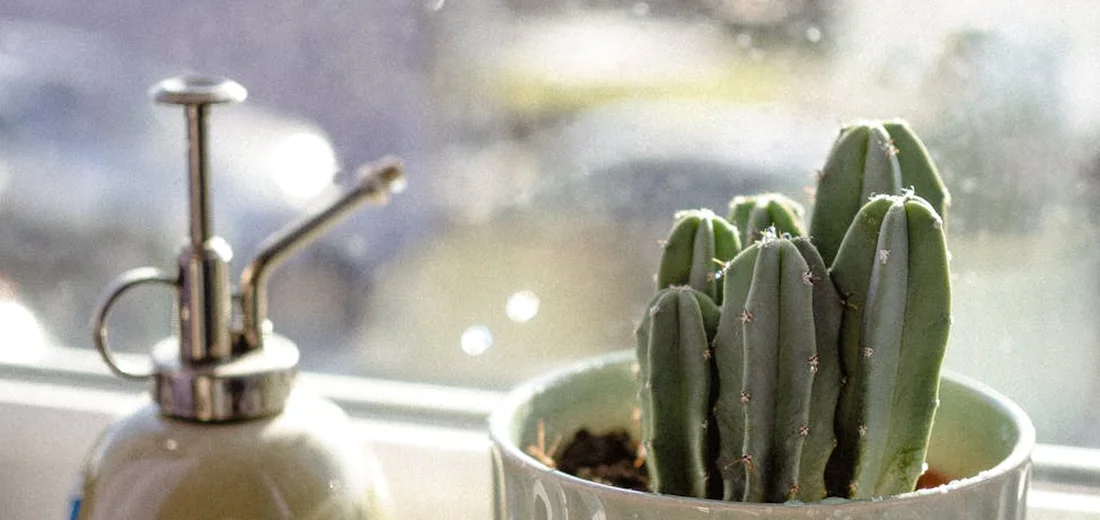
I often get asked why my succulents are so forgiving when I forget to water them for a week or two. The answer lies in their incredible built-in survival toolkit, perfected over millennia in some of the planet’s harshest environments. These long succulents can go weeks without water, storing moisture in their thick leaves and stems. Their drought-adapted physiology lets them survive dry spells with little to no care.
Specialized Water Storage Tanks
Think of a succulent’s thick, fleshy leaves and stems as its personal water reservoirs. These specialized tissues, called parenchyma, act like tiny sponges, soaking up and holding onto every precious drop of water they can get. When you give your plant a good drink, you can almost watch the leaves plump up. Over time, the plant uses this stored water, and the leaves will become slightly softer or thinner. This is your plant’s way of telling you it’s tapping into its savings account. I always check for firm, plump leaves as my number one sign of a happy, hydrated succulent.
A Protective Waxy Coating (Farina)
Many succulents, like my beloved Echeverias, come with their own natural sunscreen. That beautiful powdery, waxy coating you sometimes see on the leaves is called farina, and it’s a masterclass in self-defense. It does three critical jobs: it shields the plant from harsh ultraviolet rays, it drastically reduces water loss by creating a barrier on the leaf surface, and it helps prevent fungal and pest attacks. If you accidentally rub it off, it won’t grow back on that leaf. I’ve learned to handle these plants by their stems or base to keep their precious coating intact.
The Nighttime Magic of CAM Photosynthesis
This is the coolest trick in their playbook. Unlike most plants that open their pores during the day, succulents use Crassulacean Acid Metabolism (CAM), a process where they only open their pores at night to take in carbon dioxide. They store this CO2 and then use it for photosynthesis when the sun comes up. By keeping their pores closed during the hot, dry day, they avoid losing massive amounts of water to evaporation. This is the scientific reason behind their legendary drought tolerance.
Why This Makes Them Perfect Houseplants
These adaptations translate directly into the easy-care reputation we love. Their water-storing bodies mean you can skip a watering (or three) without causing a crisis, making them perfect for busy or forgetful plant parents. Their waxy coating means they’re less fussy about humidity and more resistant to common issues. And their unique photosynthesis means they are actively purifying your air at night while you sleep. I tell all my friends that getting a succulent is like adopting a pet that thrives on a little bit of benign neglect.
A World of Variety: Common Types of Succulents for Your Home
One of my favorite things about succulents is the sheer diversity you can bring into your home. Each genus has its own quirky personality and growing habits, making collecting them an absolute joy. Over the years, I’ve found some types to be practically foolproof for indoor life. If you’re new to succulents, start with the best succulents for beginners—top 10 easy-care varieties that reward consistent care. They’re excellent for building confidence and a low-maintenance collection.
-
Echeveria
These are the classic, rose-shaped succulents you see everywhere, and for good reason. Their beautiful symmetry and often pastel colors make them look like living art. Echeverias adore bright light and are fantastic for beginners because they readily show you when they need water by having slightly wrinkly leaves.
-
Haworthia
If your windowsill doesn’t get blazing sun all day, meet your new best friend. Haworthias, like the striped Zebra Plant, thrive in bright, indirect light. They are incredibly forgiving and perfect for that spot a few feet back from a sunny window where other succulents might stretch.
-
Jade Plant (Crassula ovata)
This is the sturdy, tree-like succulent that seems to live forever. I’ve had my jade plant for over a decade, and it feels more like a family heirloom than a houseplant. Jade plants are exceptionally easy to care for and can grow into magnificent, miniature trees with thick, woody stems over time.
-
Snake Plant (Sansevieria)
For the ultimate set-it-and-forget-it plant, you can’t beat the snake plant. Their architectural, upright leaves can handle very low light and infrequent watering. Snake plants are practically indestructible and are famous for purifying the air while they quietly grow.
-
Aloe Vera
This is the helpful friend in your plant collection. Aloe vera is not just easy to grow; it’s a handy first-aid kit. Keeping an aloe plant in your kitchen means you always have access to its soothing gel for minor burns and skin irritations. It also produces lots of offsets, or “pups,” so you can share the love.
-
Burro’s Tail (Sedum morganianum)
Want a succulent that cascades? Burro’s Tail is your go-to. Its long, trailing stems are packed with plump, blue-green leaves. This plant is stunning in a hanging basket and is a great conversation starter, though I recommend placing it where the leaves won’t be easily brushed against, as they can detach.
-
String of Pearls (Senecio rowleyanus)
Another fabulous trailer, this one looks exactly like its name-a string of little green pearls. It has a unique, almost whimsical appearance that looks fantastic on a high shelf where the beads can cascade down. It does best with plenty of light and is a prolific producer of offsets, allowing you to create new pots easily.
-
ZZ Plant (Zamioculcas zamiifolia)
While technically not a true succulent, the ZZ Plant has succulent-like qualities with its waxy, water-storing leaves and rhizomes. It is the champion of low-light conditions and can survive with very little water, making it perfect for a dim office corner or a bedroom that doesn’t get much sun.
Your Easy-Care Routine: How to Keep Succulents Thriving

-
Sunlight: Basking in the Right Rays
Succulents crave bright, direct light for at least four to six hours daily. I always place my succulents on a south or east-facing windowsill where they get that gorgeous morning sun. Watch your plant’s leaves for clues. Stretching stems and pale, spaced-out leaves mean it’s begging for more light. Conversely, if you see brown, crispy, or bleached spots, that’s a sunburn, and you should pull it back from the window a bit.
Quick Tip: Give your pots a quarter turn every time you water to prevent your plants from leaning dramatically toward the light source.
-
The Perfect Soil Mix: The Foundation of Success
This is non-negotiable. Regular potting soil holds too much moisture and will suffocate succulent roots. You absolutely must use a gritty, well-draining mix specifically formulated for cacti and succulents. I learned this the hard way with my first echeveria, which developed root rot in standard soil.
For an extra boost, I often make my own blend by mixing two parts of a commercial cactus mix with one part perlite or coarse sand. The goal is to create a loose, airy environment where water flows through instantly, mimicking their natural, arid habitats.
-
Mastering Watering: The “Soak and Dry” Method
Forget watering on a schedule. The golden rule is to completely drench the soil, then wait for it to fully dry out before watering again. I stick my finger an inch or two into the soil; if it’s bone-dry, it’s time for a deep, thorough drink. I take my plants to the sink and water until it runs freely out of the drainage hole.
In the winter, when most succulents are semi-dormant, they need far less water. You might only need to water them once a month or even less during the colder, darker months. Overwatering is the fastest way to kill a succulent, so when in doubt, wait another few days.
-
Potting and Repotting: Room for Roots to Breathe
Repot your succulent when you see roots peeking out of the drainage holes or when the plant has clearly outgrown its container. I find the best time to do this is at the start of the growing season in spring. If you’re following a beginner’s step-by-step guide to repot succulents, start by gathering your supplies and choosing the right pot. The guide will walk you through each step so you can repot confidently. Always choose a new pot that is only one size larger and, most importantly, has a drainage hole.
Gently remove the plant, brush off the old soil, and place it in the new pot with fresh succulent mix. Wait about a week before you water your newly repotted succulent to give any disturbed roots time to heal and prevent rot. I prefer unglazed terracotta pots because they are porous and help the soil dry out more evenly.
Troubleshooting Common Succulent Problems
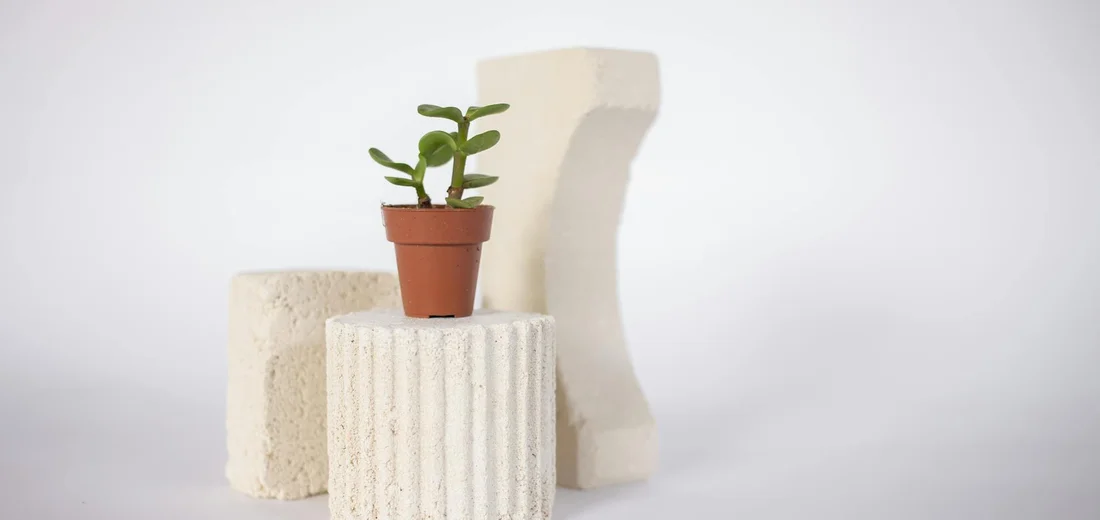
Even with the best intentions, your succulent can send you an SOS. Learning to read these signals quickly is the key to becoming a confident plant parent.
Quick Diagnostic Guide
Use this simple table to match your plant’s symptoms with the likely cause.
| Symptom | Likely Cause |
|---|---|
| Mushy, translucent, or yellowing leaves | Overwatering |
| Wrinkled, thin, or crispy leaves | Underwatering |
| Stretched stem with wide gaps between leaves | Etiolation (Not Enough Light) |
| Brown, crispy spots on leaves | Sunburn |
| White, cottony fluff on leaves or stems | Mealybugs |
Step-by-Step Solutions
Rescuing an Overwatered Succulent
I’ve lost a few plants to overwatering early on, and it taught me to be vigilant. A mushy leaf is a cry for help.
- Stop watering immediately. Let the soil become completely dry.
- Gently remove the plant from its pot to inspect the roots. Healthy roots are firm and white or light tan.
- Use sterilized scissors to cut away any black, brown, or slimy rotten roots.
- Remove any mushy or yellow leaves from the plant itself.
- Repot the plant in fresh, dry succulent mix and do not water for at least a week.
Quick Tip: When in doubt, wait another day to water. Succulents prefer a drought to a flood.
Fixing a Stretched (Etiolated) Succulent
If your succulent looks like it’s reaching for the stars, it’s literally begging for more light.
- Move the plant gradually to a brighter location. A south or east-facing window is ideal.
- You cannot reverse the stretching, but you can make the plant beautiful again by beheading it.
- Using a clean knife, cut the stem a few inches below the compact, healthy rosette of leaves at the top.
- Let the cut end callous over for a few days, then place it on top of fresh soil to grow new roots.
- Don’t throw away the original stem! It will often sprout new baby plants (pups) along its length.
Reviving an Underwatered Succulent
Thirst is much easier to fix than rot. Wrinkled leaves are a sure sign your plant needs a drink.
- Give your plant a thorough, deep watering. I take mine to the sink and water until it runs freely out the drainage hole.
- Allow all excess water to drain away completely. Never let the plant sit in a saucer of water.
- The leaves should plump up within a day or two. If they don’t, repeat the deep watering in a week.
Pest Prevention and Treatment
Healthy succulents in the right conditions rarely get pests, but it’s good to be prepared.
The best defense is a strong offense: good air circulation and avoiding overwatering make your plants far less appealing to bugs.
- Mealybugs: These look like tiny bits of cotton. I dab them directly with a cotton swab soaked in rubbing alcohol. For larger infestations, I mix a spray of 1 part 70% isopropyl alcohol to 3 parts water and mist the plant.
- Fungus Gnats: These tiny flying bugs love wet soil. Letting the soil dry out completely between waterings is the best cure. I also use yellow sticky traps to catch the adults.
- Scale: These appear as small, brown, bumpy shells on leaves and stems. Scrape them off gently with a fingernail or an old toothbrush, then wipe the area with your alcohol spray.
Remember, every problem is a learning experience. I’ve learned more from my plant mishaps than from my easy successes!
Sharing the Joy: How to Propagate Your Succulents
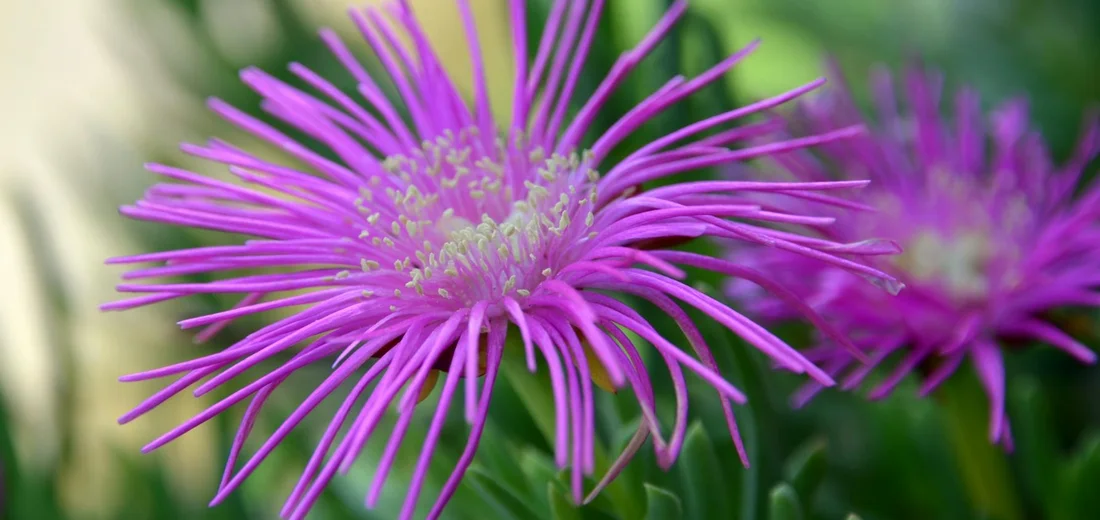
One of my absolute favorite things about succulents is how easy they are to share. Propagation feels like pure plant magic, turning one plant into many with just a little patience. I’ve filled entire windowsills with babies I’ve grown myself, and it never gets old. You can multiply your collection in three main ways.
The Three Main Propagation Methods
Each method has its perfect use case, and I’ve had success with all of them over the years.
- Leaf Cuttings: This is the classic method you often see online. You gently twist a healthy, plump leaf from the stem. A clean break is crucial here. This method works wonderfully for succulents like Echeverias and Sedums.
- Stem Cuttings: If you have a succulent that’s gotten tall and “leggy,” this is your perfect solution. You simply snip off the top part of the stem, let it dry, and then replant it. This instantly gives you a more compact plant and a new one to grow.
- Dividing Offsets: Many succulents, like Sempervivums (Hens and Chicks) and Aloes, are incredibly generous and grow tiny replicas of themselves, called “pups” or offsets. You carefully separate these baby plants from the mother and pot them up on their own.
The Most Reliable Method: Leaf Propagation
For beginners, I always recommend starting with leaf cuttings. It’s the most forgiving process and feels incredibly rewarding as you watch new roots and a tiny plant emerge from a single leaf. Here is my tried-and-true method.
- Select a healthy, firm leaf from the lower part of your plant. Gently wiggle it from side to side until it snaps off cleanly. Avoid leaves that are torn, damaged, or mushy.
- Place the leaves on a dry paper towel or tray in a spot with bright, indirect light. Do not put them in soil or water yet. Leave them alone for 1-3 days until the broken end forms a dry, calloused layer. This callous is vital to prevent rot.
- Once calloused, lay the leaves on top of well-draining succulent soil. Do not bury them. Mist the soil lightly with water every few days when it feels completely dry.
- Wait patiently! In a few weeks, you should see tiny pink roots searching for soil, followed by a miniature rosette. Keep misting the soil, not the baby plant, until the mother leaf withers away and your new succulent is established.
My Personal Tip for Guaranteed Success
After propagating hundreds of succulents, I’ve learned one trick that makes the biggest difference. Resist the urge to check for roots constantly or to water too heavily during the first few weeks. The most common cause of failure is rot from over-eager care. The mother leaf provides all the moisture and nutrients the baby needs. Your main job is to provide bright light and just enough water to encourage the roots to grow downward in search of it. Trust the process, and you’ll be amazed.
Common Questions
What is the simplest definition of a succulent plant?
A succulent is a plant with thick, fleshy parts that store water, allowing it to survive long dry periods.
What does the biological term “succulent” refer to?
Biologically, “succulent” describes plants that have specialized water-storing tissues in their leaves, stems, or roots. Some store most of their water in fleshy leaves, while others rely on swollen stems to conserve moisture, helping them survive prolonged droughts.
How would you explain a succulent plant to a child?
A succulent is a plant that acts like a tiny water bottle, storing a drink inside its thick, juicy leaves for sunny days. Are succulents tropical plants? Understanding their native habitats helps explain why some species are adapted to arid deserts while others come from tropical regions.
What are some common examples of succulent plants?
Common examples include Aloe Vera, with its soothing gel-filled leaves, and the Jade Plant, known for its plump, oval leaves.
Are all desert plants considered succulents?
No, not all desert plants are succulents; only those that have adapted to store water in their fleshy tissues qualify.
What is the main purpose of a succulent’s thick leaves?
The main purpose of a succulent’s thick leaves is to serve as a reservoir, holding extra water to use during droughts.
Your Succulent Care Summary
From my years of growing succulents, I’ve learned they thrive with straightforward care that focuses on mimicking their natural habitat. Stick to these basics, and your plants will reward you with vibrant growth and minimal fuss.
- Water only when the soil is completely dry to avoid root rot.
- Provide bright, indirect light for at least 6 hours daily.
- Use a well-draining soil mix, like cactus or succulent blend.
- They’re drought-tolerant and perfect for forgetful waterers.
I hope this guide boosts your confidence-for more plant care insights, explore our website. You’re on the right path to becoming a succulent pro, one happy plant at a time!
Further Reading & Sources
- Succulent plant – Wikipedia
- What is a Succulent Plant ? – Desert Plants Of Avalon
- 47 Different Types of Succulents With Names and Pictures
- Succulents 101 | Extension | West Virginia University
Lena Greenfield is a passionate horticulturist and plant care expert with over 10 years of experience cultivating and nurturing hardy house plants. With a deep understanding of both indoor and outdoor gardening, Lena shares practical advice on choosing, caring for, and maintaining resilient plants that flourish year-round. Through her knowledge and hands-on approach, Lena helps plant lovers transform their spaces into vibrant, green sanctuaries, no matter their gardening experience.
Types of Succulents