
Do Donkey Tail Succulents Flower? A Grower’s Guide to Sedum Morganianum Blooms
Published on: September 5, 2026 | Last Updated: September 5, 2026
Written By: Lena Greenfield
Yes, your Donkey Tail succulent can absolutely flower, and seeing those first tiny buds is a truly rewarding moment. If yours hasn’t bloomed yet, don’t worry-it’s not a sign of an unhealthy plant, but often just a matter of time and a few simple care adjustments.
I’ve guided many of my own trailing Sedum morganianum to bloom, and I’ll share everything I’ve learned. We’ll cover: what the flowers look like, the ideal conditions to encourage blooming, the typical blooming timeline, and simple care tips to support your plant’s energy for flowers.
The Simple Truth About Donkey Tail Flowers
Yes, your Donkey Tail succulent can absolutely flower, but it’s a patient gardener’s reward. I’ve found that mature, well-established plants, typically over three years old, are the ones most likely to put on a floral show. It’s not an annual guarantee like some other houseplants, which makes the event feel extra special when it happens.
Think of flowering as the plant’s way of saying it’s perfectly content. Mine decided to bloom after a summer spent basking on my bright, south-facing patio. The two biggest triggers are abundant, bright light and a distinct seasonal change. They need that long-day summer sun to build up the energy required to produce buds. Temperature and light requirements differ for flowering vs foliage plants. Flowering varieties often need warmer temps and longer days to trigger blooms, while many foliage plants prefer steadier temps and reliable, moderate light.
What Encourages a Donkey Tail to Bloom?
If you’re hoping to see flowers, focus on these three care elements:
- Intense Light: Provide several hours of direct morning sun or very bright, indirect light all day. A sun-starved plant will simply never bloom.
- Seasonal Watering: Water regularly and thoroughly during its active spring and summer growth. Let the soil dry out completely between waterings.
- A Winter Rest: This is crucial. In winter, place it in a cool spot (around 50-60°F) and water only sparingly, just enough to prevent the leaves from shriveling. This dormancy period signals the plant to prepare for spring growth and potential flowering.
What to Expect from a Blooming Burro’s Tail
Don’t expect large, ostentatious blossoms. The charm of a Sedum morganianum flower is in its delicate, star-shaped subtlety. The blooms are a lovely cluster of small, pink to reddish-purple stars that dangle charmingly from the ends of the stems. They have a gentle, sweet fragrance that I can only detect when I get very close.
The flowers emerge on slender stalks, keeping them just above the long, trailing tails of plump leaves. This presentation creates a lovely, layered effect that adds a new dimension to the plant’s beauty. The entire display can last for several weeks, giving you plenty of time to admire it.
A Quick Guide to the Flowers
- Color: Typically a soft, rosy pink or a light magenta-red.
- Shape: Perfect, tiny, star-shaped flowers.
- Size: Each flower is small, but they grow in attractive clusters.
- Scent: A faint, pleasant sweetness.
One of my favorite things about the flowers is that they attract pollinators if your plant spends time outdoors. It’s wonderful to see bees buzzing around the delicate blooms. After the flowers fade, you can simply snip off the spent flower stalks at their base. This keeps the plant looking tidy and allows it to redirect its energy back into growing those magnificent, trailing stems.
The Ideal Conditions to Encourage Flowers
Step 1: Provide Plenty of Bright, Indirect Light
Getting your Donkey Tail to flower starts with mimicking its ideal natural light. I keep my most prolific bloomers in a spot that gets several hours of very bright, but filtered, light every single day. A south or east-facing window is usually perfect. I learned the hard way that direct, harsh afternoon sun can actually scorch those plump leaves, leaving pale, crispy patches. If you only have a very sunny spot, a sheer curtain can provide the perfect filter to protect the plant while still giving it the light energy it needs to produce buds.
Step 2: Master the Soak-and-Dry Watering Method
This is the most critical skill for any succulent owner. Your goal is to completely drench the soil until water runs out the drainage hole, and then let it dry out fully before even thinking about watering again. I stick my finger deep into the soil to check; if it feels at all damp, I wait. In the warmer, active growing months, this might be every 10-14 days. In winter, it could be a month or more. Overwatering is the fastest way to cause root rot and ensure you never see a single flower. For a practical watering schedule, check our complete succulent watering guide. It breaks down how often to water by season, climate, and plant type so you can tailor it to your collection.
Step 3: Offer a Cool, Dry Dormant Period
This step is often overlooked but is a real game-changer for flowering. To trigger its blooming cycle, your Donkey Tail needs a seasonal cue that mimics its native habitat’s winter. I give my plants a distinct rest period in the late fall and winter by moving them to a cooler spot (around 50-60°F or 10-15°C) and significantly reducing watering. This period of “stress” tells the plant that it’s time to get ready for reproduction, which for it means producing flowers when the warmer, brighter days return.
Step 4: Use a Light, Balanced Fertilizer
Think of fertilizer as a gentle supplement, not a main course. I only feed my Donkey Tails during their active growing season in the spring and summer, and I always use a fertilizer that is diluted to half the recommended strength. A balanced, water-soluble formula (look for an equal NPK ratio like 10-10-10) works well. Feeding too much or too often, especially with a high-nitrogen fertilizer, will encourage lots of leafy green growth at the expense of flowers. For donkey tail succulent care, this gentle approach fits into a broader routine that supports Sedum morganianum growth. With bright light, well-draining soil, and careful watering, you can grow Sedum morganianum successfully.
- Fertilize only in spring and summer.
- Use a balanced formula (e.g., 10-10-10).
- Always dilute to half-strength.
When Do These Succulents Typically Bloom?
If you’ve provided the right conditions, you can expect a floral show in the late spring or early summer. In my experience, the blooming window is relatively short, typically lasting for a few weeks. For ZZ plants, flowering indoors is not common, and blooms are not something most growers should expect. If a ZZ plant does bloom, the flowers are small, pale, and short-lived. The exact timing can vary based on your local climate, how much light your plant receives, and the specific conditions of its winter dormancy. Maturity is also a key factor; a very young plant is unlikely to bloom. You generally need a well-established specimen that is at least a couple of years old and has developed long, trailing stems.
Caring for Your Plant During and After Flowering
Flowering takes a lot of energy, so your plant will need a little extra TLC. Continue your normal care routine, but be vigilant about not overwatering, as the plant is slightly more vulnerable during this energy-intensive process. Once the beautiful pink or red flowers have faded and dried up, you can simply snip off the old flower stalks at the base using clean, sharp scissors. This neatens up the plant’s appearance and allows it to redirect its energy back into leaf and stem growth. Don’t be alarmed if a few of the older leaves near the base of the plant shrivel up and fall off after blooming; this is a normal part of the plant’s cycle.
- Maintain consistent light and careful watering.
- Snip off spent flower stalks after they dry.
- Expect some natural leaf drop; it’s normal.
Propagating from a Flowering Donkey Tail
When your Sedum morganianum decides to flower, it’s a golden opportunity for propagation. I’ve found that a flowering plant is often at its peak health, making it a fantastic candidate for creating new plants. You have two main paths: collecting seeds or using stem cuttings. For many succulents, leaf cuttings offer a quick route to new plants. Just remove a healthy leaf, let it callus, then lay it on well-draining soil to root.
Harvesting seeds is a patient gardener’s game. After the flowers fade and dry out, you’ll find tiny, dust-like seeds inside the spent blooms. I gently shake these into a white envelope to see them clearly. Sow them on the surface of a moist, well-draining cactus mix and keep them in bright, indirect light. Germination can take several weeks, but watching those microscopic green specks appear is incredibly rewarding.
My preferred method, and the one I recommend for quicker results, is taking stem cuttings. The energy a plant puts into flowering often stimulates vigorous growth elsewhere. Pruning back flowering houseplants can also encourage more blooms by directing energy to new buds. Regular deadheading and light shaping help keep plants productive.
- Select a healthy, flowering stem and use a clean, sharp knife or scissors to make a cut.
- Let the cutting callous over for a few days in a shady spot-this prevents rot when you plant it.
- Stick the calloused end into dry succulent soil.
- Wait a week before giving it its first light watering.
New roots will typically form within a few weeks, giving you a genetic clone of your beautiful, flowering parent plant. Look for signs of success: new growth at the base and visible roots. Healthy color and plump leaves also help confirm the propagation is on track.
Beyond the Classic: Flowering in Donkey Tail Cultivars
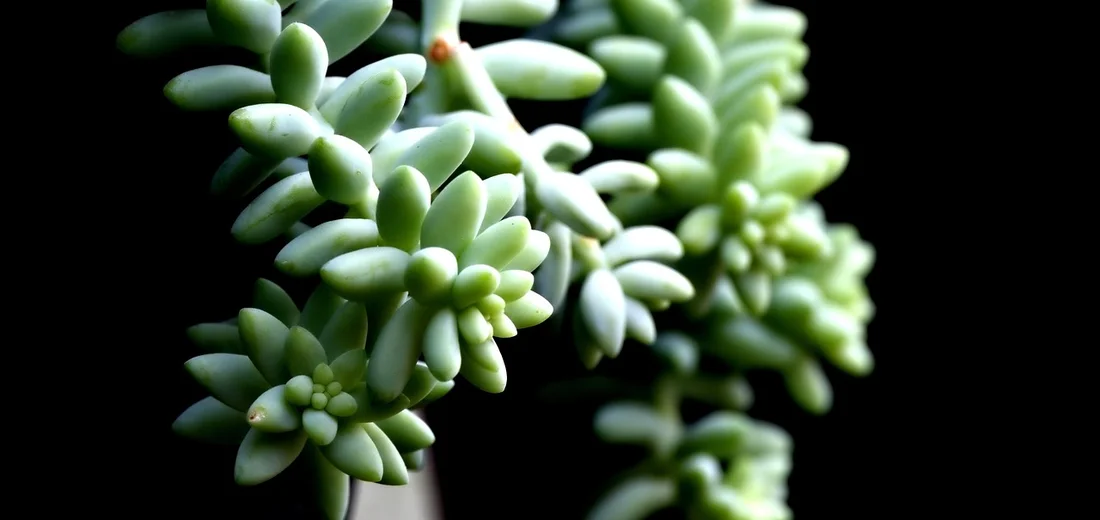
The classic Burro’s Tail is a showstopper, but several Sedum morganianum cultivars can surprise you with their own unique blooms. In my collection, I’ve noticed distinct flowering behaviors among them. Understanding when and why succulents bloom—their flowering cycles—can help explain these patterns. With a bit of attention to light, temperature, and growth stage, you can anticipate when blooms will appear.
The ‘Burrito’ variety, with its shorter, fatter leaves, is often more prolific with its flowers than the standard species. Its blooms tend to be a slightly deeper, more vibrant pink and can appear even on younger, smaller plants. I’ve had a small pot of ‘Burrito’ flower reliably every spring when given enough direct sun.
Variegated Donkey Tails, with their gorgeous cream and green leaves, can be a bit more hesitant. The variegation means parts of the leaf lack chlorophyll, which can slightly reduce the plant’s overall energy. While they are fully capable of flowering, they often need optimal, stress-free conditions to muster the extra energy for a bloom show. When they do flower, the contrast between the pale leaves and the pink flowers is absolutely stunning. Variegated succulents like these require a bit more care to thrive.
Here’s a quick comparison of what I’ve observed in my own greenhouse:
- Classic Sedum morganianum: Reliable summer bloomer; star-shaped, pink flowers.
- ‘Burrito’ Cultivar: Prolific bloomer; often a deeper pink color.
- Variegated Types: Occasional bloomer; requires perfect light and care.
No matter the cultivar, a burst of flowers is the plant’s way of giving you a gardener’s high-five for a job well done.
## FAQs
How old does a Donkey Tail need to be to flower?
It typically needs to be a mature, well-established plant, often over three years old.
Is there a special fertilizer to make it bloom?
Use a balanced, half-strength fertilizer only during the spring and summer growing season.
Do the flowers have a strong scent?
The flowers have a faint, pleasant, sweet fragrance that is not overpowering.
Will my plant bloom if I keep it indoors year-round?
Yes, if it receives enough bright light and a cooler, drier winter rest period.
How long do the flowers last once they open?
The floral display can last for several weeks before the blooms fade.
Should I remove the flower stalks after blooming?
Yes, snipping off the spent stalks keeps the plant tidy and redirects its energy to growth.
Your Donkey Tail Bloom Journey
With bright light, careful watering, and a little patience, your mature Donkey Tail can surprise you with delicate pink or red flowers. Focus on these core practices to encourage blooming:
- Provide several hours of bright, indirect sunlight daily.
- Water deeply only when the soil is completely dry.
- Use a gritty, well-draining soil mix to keep roots healthy.
In my own collection, I’ve found that consistent, gentle care is the secret to seeing those charming blooms. When your succulents flower and start producing offshoots, you can gently separate the pups to propagate new plants. Trust your instincts, apply these tips, and enjoy watching your succulent thrive—you’ve got this!
Further Reading & Sources
- Sedum morganianum (Burro’s Tail, Donkey’s Tail, Horse’s Tail, Lamb’s Tail, Stonecrop) | North Carolina Extension Gardener Plant Toolbox
- Sedum morganianum – Wikipedia
- Burro’s Tail, Sedum morganianum – Wisconsin Horticulture
- Sedum Morganianum (Burro’s Tail) Care and Propagation
Lena Greenfield is a passionate horticulturist and plant care expert with over 10 years of experience cultivating and nurturing hardy house plants. With a deep understanding of both indoor and outdoor gardening, Lena shares practical advice on choosing, caring for, and maintaining resilient plants that flourish year-round. Through her knowledge and hands-on approach, Lena helps plant lovers transform their spaces into vibrant, green sanctuaries, no matter their gardening experience.
Types of Succulents