
What to Do When Your Succulents Flower and Grow Offshoots
Published on: March 25, 2026 | Last Updated: March 25, 2026
Written By: Lena Greenfield
Seeing your succulent sprout a flower stalk or produce tiny baby plants is an exciting sign of a happy, healthy plant. But it can also leave you wondering if you need to do anything special to care for it.
In this guide, I’ll walk you through everything from my own experience, covering what to do with the flowers, how to handle the offshoots, and how to keep your main plant thriving.
Understanding Your Flowering Succulent
Is Flowering a Sign of Health or Stress?
Seeing your succulent flower can feel like a reward, but it’s not always a simple thumbs-up. Flowering is often a sign of a mature, content plant that feels secure enough to reproduce. In my own collection, my happiest, most established echeverias and aloes are the ones that send up stalks year after year.
However, flowering can also be a last-ditch effort to survive, known as a “death bloom.” Sempervivums (hens and chicks) and some types of aeoniums are monocarpic, meaning the main plant flowers once and then dies. If your succulent is monocarpic, the bloom is a beautiful but final act, so enjoy the spectacular show while it lasts. Understanding what these death blooms mean can help you respond calmly and plan for the plant’s next step. It’s a natural life stage, not a failure, and it can guide whether you propagate from offsets or look for a replacement as needed.
The Life Cycle of a Blooming Succulent
A flower stalk is a fascinating energy project for your plant. It draws a significant amount of resources-water and stored energy-away from leaf growth. The entire process, from the first tiny stalk to the last wilted flower, can take several weeks to a few months.
Here is the typical progression I’ve observed:
- The plant sends up a slender stalk from its center or between leaves.
- The stalk elongates, sometimes developing smaller leaves along its length.
- Buds form, swell, and slowly begin to open.
- Flowers bloom, often in a sequence, not all at once.
- After blooming, the flowers fade and the stalk itself will dry out, turning brown and papery.
Once the stalk is completely crispy and brown, the plant’s energy focus shifts entirely back to its main rosette and root system.
Your Options for Managing Succulent Blooms
Step-by-Step: How to Prune a Flower Stalk
You are not obligated to let the flower stalk run its full course. Pruning it is a great choice if your plant seems stressed or you simply prefer its tidy, leafy look. I do this with smaller succulents to help them stay compact.
To prune a flower stalk safely, follow these steps:
- Use a sharp, clean pair of pruning shears or sharp scissors. Wipe them with rubbing alcohol first to prevent spreading disease.
- Locate the base of the flower stalk where it emerges from the plant.
- Make a clean cut as close to the base as you can without damaging the surrounding leaves.
- You can leave a tiny nub; it will dry up and fall off on its own.
Pruning the stalk early redirects the plant’s energy back into growing stronger roots and more plump leaves. This is especially helpful for young plants or any succulent that looks a bit thin after blooming.
Can You Propagate from Flower Stalks?
This is a common question with a tricky answer. In almost all cases, you cannot grow a new succulent plant directly from a flower stalk cutting. The stalk’s purpose is to produce flowers and seeds, not new roots and leaves. For propagating succulents, leaf cuttings are a common method. Leaves can root and form new plants with proper care.
I’ve tried this experiment many times with different genera, and the stalk simply rots or dries out. Your best bet for propagation remains using healthy leaf cuttings or separating offshoots (pups) from the main plant. However, if your flower stalk has small, fully-formed leaves on it (some echeveria stalks do), you can carefully pluck those off and try to propagate them like a normal leaf. It’s a long shot, but it’s the only way a flower stalk might contribute to new plants.
A Guide to Succulent Offshoots and Pups
Why Your Succulent is Making Babies
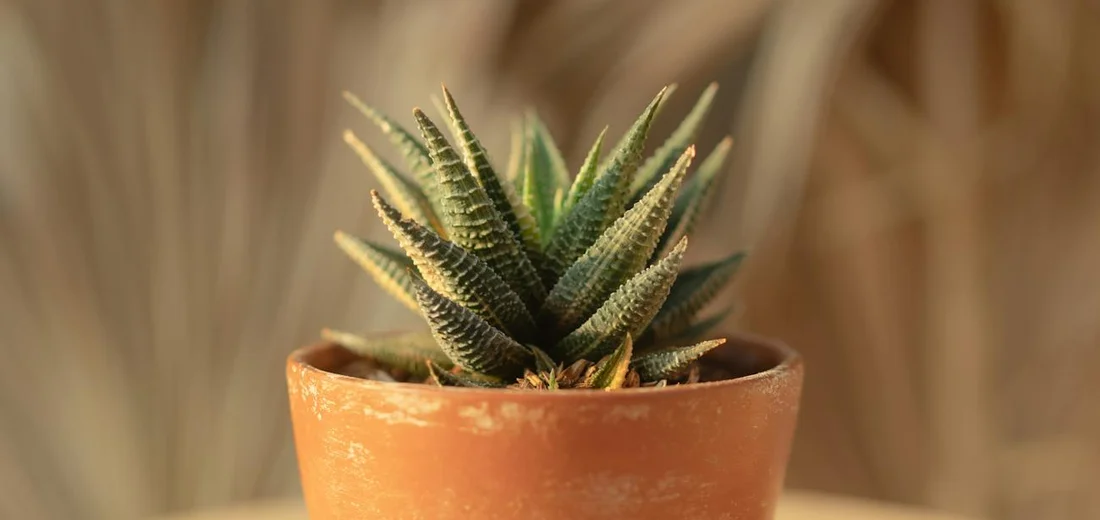
Seeing little pups pop up around your main succulent is one of the most rewarding parts of plant care. Your plant is essentially telling you it’s happy and feels secure enough to expand its family. I’ve found that this often happens when the plant has stabilized in its pot and is receiving consistent, appropriate light. It’s a natural part of the lifecycle for many succulents like aloes, haworthias, and echeverias, ensuring the next generation survives.
Sometimes, a succulent will send out offshoots as a stress response, especially if it’s becoming pot-bound. Think of it as the plant’s backup plan, creating clones to carry on its legacy if the main plant struggles. In my own collection, a severely root-bound Sempervivum produced more pups in one season than it had in the previous three years combined. It’s not always a sign of distress, but it’s a good cue to check if your plant needs more space or if it’s showing any seasonal stress signs.
How to Propagate Succulent Offshoots Successfully
Step-by-Step: Separating Rooted Offshoots
When a pup has already grown its own roots while still attached to the mother plant, the separation process is wonderfully straightforward.
- Gently remove the entire plant, mother and all, from its pot. I tip the pot on its side and softly squeeze the nursery pot to loosen the root ball.
- Lay the root ball on its side and use your fingers to carefully untangle the pup’s roots from the main root system. If they’re stubborn, a clean, sharp knife can make a precise cut to separate them. I always disinfect my blade with rubbing alcohol first to prevent spreading any disease.
- Once separated, you can pot the pup immediately into a small container with fresh, well-draining succulent soil. It already has a root system, so it will continue growing without missing a beat.
Don’t water the newly potted pup for about a week. This waiting period allows any tiny, damaged roots to callous over, which dramatically reduces the risk of rot. After that first week, give it a thorough watering and then return to your normal succulent watering routine.
Step-by-Step: Removing and Rooting Unrooted Pups
Many pups, especially those growing from a stem, won’t have their own roots yet. Propagating these is simple but requires a little more patience.
- Identify a pup that looks large enough to survive on its own-usually one that’s at least a couple of inches wide.
- Using clean, sharp scissors or your fingertips, gently twist the pup where it connects to the mother plant. The goal is a clean break; if you have to saw at it, your tool probably isn’t sharp enough. I often find that a gentle wiggling and twisting motion does the trick perfectly.
- This is the most critical step: let the cut end dry out and form a callus. Place the pup in a dry, shaded spot for several days to over a week. The end should look and feel dry and sealed.
- Once calloused, place the pup on top of dry or barely moist succulent soil. Do not bury it. Mist the soil lightly every few days only after you see the first tiny, pink roots emerging. I resist the urge to water prop most succulent pups because laying them on soil mimics how they root in nature and is far less messy.
Be patient! Rooting can take weeks. A quick tip from my windowsill: a tiny dab of cinnamon powder on the cut end can act as a natural antifungal during the callusing period. Place your propagating pups in a spot with bright, indirect light and resist the temptation to tug on them to check for roots.
Essential Aftercare for New Pups and Post-Bloom Plants
Caring for Your Mother Plant After Flowering
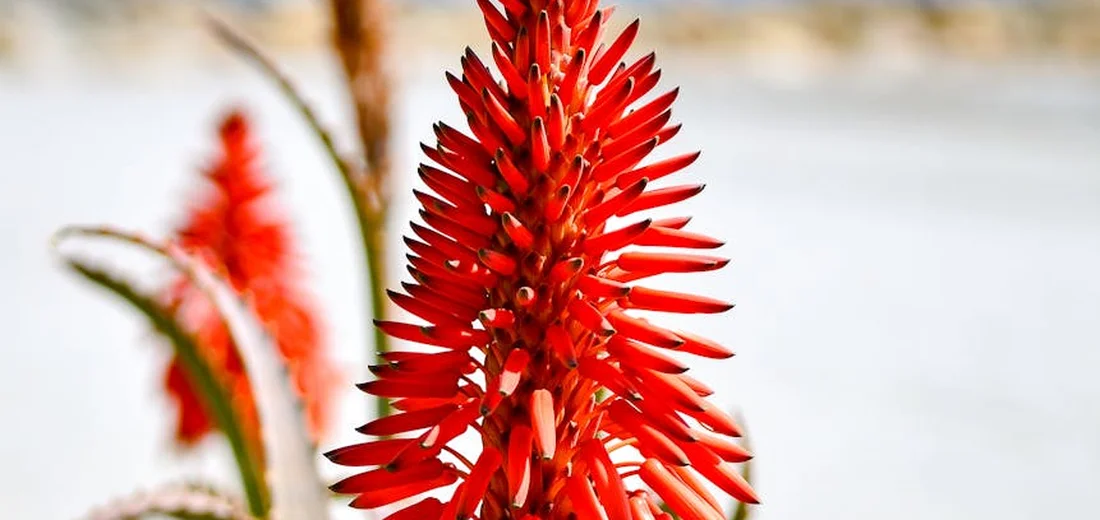
Once those gorgeous blooms fade, your main plant needs some extra TLC. I always give my post-bloom succulents a gentle feed with a half-strength, balanced liquid fertilizer to help them recover. Flowering is an energy-intensive process, and this little nutrient boost makes a world of difference.
Carefully snip off the spent flower stalk right at the base using clean, sharp scissors. Removing the dead stalk prevents the plant from wasting energy on it and helps ward off potential rot or disease. You’ll often see your plant perk up and return to its normal growth rhythm shortly after.
Return to your regular watering schedule, but keep a close eye on the soil. I’ve found that some plants are thirstier right after blooming, while others need a bit less water as they enter a rest period. Let the soil dry out completely between waterings, just as you did before the flower show.
Helping Your New Succulent Pups Thrive
Those little offshoots, or “pups,” are your ticket to expanding your collection for free! The biggest question I get is when to separate them, and my rule of thumb is to wait until the pup is about one-third the size of the mother plant. This ensures it has developed its own root system and can survive on its own.
When you’re ready to separate, here’s my gentle method:
- Gently remove the entire plant, mother and pups, from its pot.
- Brush away the soil to expose the connecting stem or roots.
- Use a clean, sharp knife to make a clean cut, separating the pup. Try to get some roots with it.
- Let the cut end of the pup callus over for a day or two in a shady spot.
- Plant the new pup in a small pot with fresh, well-draining succulent mix.
For pups that are harder to access, I sometimes use a long, thin blade to make the cut while everything is still in the pot. Don’t water your new pup for about a week after potting it up to prevent rot and encourage root growth. Place it in bright, indirect light and resist the urge to fuss over it too much.
Troubleshooting Common Flower and Offshoot Problems
Preventing Pests on Tender New Growth
The soft, new leaves of flower stalks and pups are a magnet for sap-sucking pests. I make it a habit to inspect the base of flower stalks and around new pups weekly, as this is where mealybugs love to hide. Catching an infestation early is the key to an easy fix.
If you spot fluffy white bugs, don’t panic. My go-to solution is dipping a cotton swab in rubbing alcohol and dabbing it directly on each pest-it kills them on contact without harming the plant. For a mild, preventative spray, I mix one teaspoon of mild liquid soap with a liter of water and mist the area.
Keep your flowering plant and its new babies in a spot with good air circulation. Stagnant, humid air encourages both pests and fungal issues, so a gentle breeze from an open window or a fan can work wonders. Always quarantine any new plant to prevent disease spread, or a mother plant that has just flowered, for a couple of weeks before placing it near your other succulents. During the quarantine period, inspect for pests and disease and treat any issues promptly. This helps prevent disease spread to your other succulents.
What to Do If Your Plant Seems Weak After Blooming
It’s normal for a succulent to look a little tired after the marathon effort of flowering, but it should bounce back. If the lower leaves are shriveling more than usual, it’s often just the plant reallocating its remaining energy, and it’s not necessarily a cause for alarm. It’s common for the bottom leaves to die off as the plant focuses on new growth.
If the entire plant seems limp or the leaves are mushy, you might be dealing with overwatering during its vulnerable state. Check the stem and roots for any signs of rot (black or brown mushy spots) and if you find any, immediately cut away the affected parts with a sterile tool. Let the plant dry out completely and repot it in fresh, dry soil.
A plant that becomes severely etiolated (stretched and pale) after blooming is telling you it needs more light. Gradually move it to a brighter location over the course of a week to avoid sunburn on the stressed leaves; learn more about how to fix and prevent stretched succulents. Sometimes, a monocarpic succulent (like some Sempervivums or Agaves) will die after flowering, which is a natural part of its lifecycle, but it will usually leave you with plenty of pups to carry on its legacy.
FAQs
How do I care for a succulent when it flowers?
Provide bright light and reduce watering slightly to support the blooming process without stressing the plant.
What is a calebrosa succulent when it flowers?
A flowering calebrosa succulent is a type that produces distinctive blooms, often indicating it’s healthy and mature.
What special care does a flowering calebrosa need?
Ensure it gets ample sunlight and avoid overwatering to help it sustain the energy-intensive flowering phase.
Can calebrosa succulents flower indoors?
Yes, calebrosa succulents can flower indoors if placed in a spot with bright, direct light and proper care.
What does it mean when a calebrosa succulent flowers?
Flowering in a calebrosa typically signifies that the plant is thriving and has reached a reproductive stage.
How can I propagate a calebrosa succulent from its flower stalk?
Propagation from a flower stalk is usually unsuccessful; instead, use healthy offshoots or leaf cuttings for reliable results.
Your Flowering Succulent Journey
Embrace your succulent’s life cycle by observing its flowers for fun and propagating its offshoots to grow your collection. The core of your care comes down to three simple actions: enjoy the blooms, multiply your plants from the offshoots, and provide a bit more water during this active growth period. For newly propagated succulents, following an aftercare guide helps ensure successful rooting. Our aftercare guide covers watering, light, and repotting steps to keep new plants thriving.
You now have the knowledge to confidently guide your plant through this exciting phase. Go check on your succulents—I bet you’ll look at those little offshoots with a whole new sense of possibility. Watch for signs your propagation is successful—new roots forming and fresh growth. Healthy color and plump leaves are good indicators too.
Further Reading & Sources
- How to Grow & Propagate Succulent Offshoots – Succulents Box
- Succulent Babies, Offsets and Offshoots Tips | Harddy Succulent Care Tips & Tricks blog
- 4 Easy Ways to Propagate Succulents: A Step-by-Step Guide – Succulent Plant Care
- Succulent Babies – How to Propagate Offsets, Pups, & Side Shoots
Lena Greenfield is a passionate horticulturist and plant care expert with over 10 years of experience cultivating and nurturing hardy house plants. With a deep understanding of both indoor and outdoor gardening, Lena shares practical advice on choosing, caring for, and maintaining resilient plants that flourish year-round. Through her knowledge and hands-on approach, Lena helps plant lovers transform their spaces into vibrant, green sanctuaries, no matter their gardening experience.
Propagation Methods