
Common Repotting Mistakes to Avoid (And How to Fix Them)
Published on: January 5, 2026 | Last Updated: January 5, 2026
Written By: Lena Greenfield
Repotting your plants can stir up worries about accidentally harming them, especially if you’re new to gardening. I’ve felt that nervousness myself over the years, but learning to sidestep common errors has turned repotting into a rewarding routine for my indoor jungle.
In this article, I’ll share the key pitfalls I’ve encountered and solutions that work, covering choosing the wrong pot size, using improper soil, overwatering after repotting, damaging roots, and skipping acclimation steps.
Timing Your Repot: When to Act and When to Wait
Getting the timing right is one of the most delicate parts of repotting. I learned this the hard way after repotting a perfectly happy Monstera in the dead of winter and watching it sulk for months. Plants have active and dormant cycles, just like we have waking and sleeping hours.
For most houseplants, the ideal repotting window is in the spring or early summer. This is when increasing light levels signal your plant to push out new roots and leaves. It has the entire growing season to recover and fill its new home. Repotting a plant as it’s entering its dormant period in fall or winter is like asking it to run a marathon while it’s trying to sleep.
But the calendar isn’t the only clue. You need to become a root detective. Here are the real signs it’s time to repot:
- Roots are circling the inside of the pot visibly or growing out of the drainage holes.
- The plant dries out incredibly fast, sometimes in just a day or two, because it’s more root than soil.
- The plant has become top-heavy and tips over easily.
- You see salt and mineral buildup on the pot or soil surface.
If your plant is stressed from recent shipping, pest issues, or you just brought it home, let it acclimate for a few weeks first. A stressed plant is not a candidate for the additional stress of repotting. Give it time to settle in and show you it’s ready for the next step. When you’re ready to repot, timing matters. The best time to repot plants varies by plant type, with many houseplants doing well in spring and cacti preferring late winter to early spring.
Selecting the Perfect Pot and Soil
Choosing a new pot and fresh soil feels exciting, but this is where many well-intentioned plant parents go wrong. It’s not just about aesthetics; it’s about creating a healthy environment for the roots to thrive.
Avoiding the Dangers of Overpotting
This is arguably the most common mistake I see. The logic seems sound: “I’ll get a much bigger pot so my plant has room to grow!” Unfortunately, this often leads to a sad, rotting plant. An oversized pot holds too much wet soil that the small root system can’t absorb, creating a soggy, oxygen-starved environment that invites root rot.
Think of it like putting a toddler in adult-sized shoes-they’ll just trip and fall. Your plant’s roots need to be able to access water and then have the soil dry out appropriately.
- For most plants, only size up 1-2 inches in diameter from the current pot.
- For slow-growing plants like succulents or snake plants, you can often just refresh the soil in the same pot for years.
- Always, and I mean always, choose a pot with a drainage hole. It’s your number one defense against overwatering.
Crafting Your Ideal Potting Mix
Don’t just grab any bag of soil from the garden center. Most standard potting mixes are too dense and moisture-retentive for the average houseplant, especially succulents. Your plant’s potting mix is its home, its pantry, and its breathing apparatus all in one. You want a mix that provides structure, holds some moisture and nutrients, but also drains quickly and allows air to reach the roots. Choosing the right soil for your succulents is crucial, as each type may have slightly different requirements.
I almost never use a bagged mix straight out of the bag. I customize it. Here’s a simple, all-purpose starting recipe I use for many of my tropical plants:
- 2 parts all-purpose potting soil
- 1 part perlite (for aeration and drainage)
- 1 part orchid bark (for chunky texture and air pockets)
For succulents and cacti, you need even more drainage. My go-to gritty mix is:
- 1 part all-purpose potting soil
- 1 part perlite
- 1 part coarse sand or poultry grit
When you squeeze a handful of your perfect mix, it should hold its shape briefly before crumbling apart. That “crumbly” texture is what you’re aiming for-it means there’s space for water to flow through and for roots to breathe. Taking these few extra minutes to make your own mix is the single best thing you can do for your plant’s long-term health.
The Repotting Process: Handling Roots with Care
Step-by-Step: A Gentle Transition to a New Home
I’ve learned that rushing this process is a top cause of transplant shock. Take your time and treat the roots like the delicate, living anchors they are.
- Water your plant lightly a day or two before repotting. This makes the root ball more flexible and easier to remove from the old pot.
- Lay down some newspaper and have your new pot, fresh soil, and a pair of clean scissors ready. I keep a chopstick handy for untangling roots.
- Turn the plant sideways, gently grip the base of the stems, and carefully wiggle the pot off. Don’t pull the plant out by its stems-you risk breaking them.
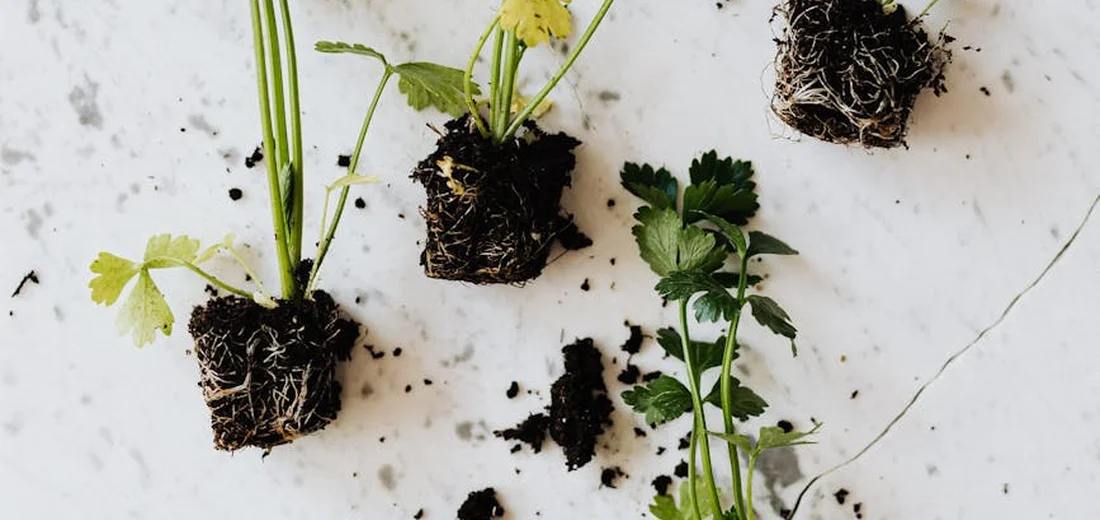
- Once free, cradle the root ball in your hands. Your goal is to loosen the roots, not tear them apart. Gently massage the edges and bottom of the root ball.
Inspecting and Addressing Root Health
This is your chance to play plant doctor. Healthy roots are firm and can be white, tan, or even slightly green, depending on the plant. They should smell like fresh earth.
If you see roots that are dark brown, feel mushy, or have a foul, rotten smell, you’ve found root rot. Using your clean scissors, snip these damaged roots away. I always cut back a little into the healthy tissue to ensure I’ve removed all the rot.
For a plant that is severely root-bound, where the roots are a tight, tangled mat, you may need to make a few vertical cuts through the sides of the root ball. This might feel drastic, but it encourages the roots to grow outward into their new space instead of continuing to circle.
Watering Wisely: Before, During, and After Repotting
Why Your First Post-Repotting Watering is Critical
This is the step I see messed up most often, and it’s heartbreaking. Many people drench their plant right after repotting, thinking it needs a drink after the ordeal. Watering a freshly repotted plant too soon is a fast track to root rot. To support recovery, wait a few days before watering and follow these after-repotting care tips. These steps help your plant establish roots and rebound faster.
During repotting, you inevitably cause tiny, microscopic tears in the root system. These small wounds are vulnerable. If you saturate the soil immediately, you’re essentially pouring water onto open cuts, inviting bacteria and fungi to cause rot. In a complete guide on how to water your snake plant after repotting, you’ll learn exactly when and how to water to avoid stressing the roots. This approach helps the plant recover and establish in its new pot.
Instead, wait. For most tropical houseplants, I wait about 3-5 days before giving them their first thorough drink. For succulents and cacti, I wait a full week. Stick your finger about two inches into the soil; if it feels dry, it’s finally time to water. This waiting period gives the roots a chance to heal and start settling in. For those wondering how often to water succulents, our complete guide covers how frequency varies by species, soil, and environment. It’s a quick companion to this baseline rule.
When you do water for the first time, do it thoroughly until water runs freely from the drainage hole. This encourages deep root growth from the start.
Nurturing Your Plant After the Move
Getting your plant settled into its new home is just as important as the repotting itself. Your plant’s roots are tender and need a gentle transition period to thrive. After repotting, water sparingly and only when the soil is completely dry. For succulents, wait until the top inch of soil is dry to the touch before watering again. I’ve found that a little extra care in the first few weeks makes all the difference for long-term health.
Why You Should Skip the Fertilizer
It’s tempting to give your plant a nutrient boost after the big move, but I always wait. Fresh potting mix already contains a slow-release fertilizer that will feed your plant for months. Adding more can overwhelm and even burn the delicate new root hairs that are trying to establish themselves. I learned this the hard way with a fiddle leaf fig that developed brown leaf tips immediately after I fertilized it post-repotting.
Think of it like this: you wouldn’t serve a big, heavy meal to someone just home from surgery. Your plant is in a similar state. Hold off on any fertilizer for at least 4-6 weeks after repotting to let your plant focus on root growth, not processing extra food. After this window, feed sparingly. Repotted succulents typically need only a diluted solution once a month during the growing season.
Recognizing and Easing Transplant Shock
Transplant shock is your plant’s way of saying, “Whoa, that was a big change!” It’s a temporary state of stress as the roots adjust to their new environment. Don’t panic if you see a few yellow leaves or some drooping; this is a common reaction. My peace lily always droops dramatically for a day or two after repotting before perking right back up.
Look for these signs that your plant is experiencing a bit of shock:
- Leaves wilting or drooping
- A few yellowing or falling leaves
- A general pause in new growth
To help your plant recover, follow these simple steps:
- Place it in a spot with bright, indirect light. Avoid direct sun, which adds more stress.
- Water thoroughly once, ensuring even moisture, then let the top inch of soil dry out before watering again.
- Keep the plant away from drafts, heating vents, and air conditioners.
- Be patient! Resist the urge to repot it again or move it around.
The best remedy for transplant shock is consistency and time, allowing your plant to acclimate at its own pace. To support this, create a perfect recovery environment for a stressed plant by keeping conditions stable: moderate, indirect light, steady temperatures, and evenly moist soil. Keep drafts away and maintain humidity if the air is dry. Most plants bounce back beautifully within a week or two with this gentle approach.
FAQs
How can I prevent pests when repotting?
Use clean, sterilized pots and fresh soil to avoid introducing pests to your plants.
What is the ideal humidity level for plants after repotting?
Maintain moderate humidity around 50-60% to help reduce stress and support recovery.
Can I repot during the plant’s dormant season?
It’s best to avoid repotting in dormancy as plants are less resilient and may struggle to recover.
How do I handle repotting for plants with delicate roots, like ferns?
Gently loosen the root ball by hand and use a lightweight, well-draining mix to minimize damage.
Is it necessary to sterilize pots before repotting?
Yes, sterilizing pots with a mild bleach solution helps prevent the spread of diseases.
What are the benefits of repotting for plant health?
Repotting refreshes soil nutrients, prevents root congestion, and encourages vigorous new growth.
Your Repotting Journey: Wrapping Up With Confidence
Focus on using the right soil, a properly sized pot with drainage, and gentle root care to keep your plants thriving after repotting. When selecting the pot, choose one that fits the root ball—neither too large nor too small—to support healthy growth and drainage.
- Always opt for a well-draining soil mix suited to your plant’s needs.
- Select a new pot that’s only one size larger to prevent overpotting.
- Handle roots delicately and water lightly immediately after repotting to ease transition stress.
You’re on the right track, and with a bit of patience, your green pals will settle in beautifully. For more hands-on advice and plant care insights, I invite you to explore Hardy House Plants – it’s where I share all my real-world experiences to help your indoor garden flourish.
Further Reading & Sources
- 9 mistakes you make when repotting a plant | Tom’s Guide
- 5 Mistakes You’re Making When Repotting Your Plants, According to Pro Gardeners
- 12 Deadly Repotting Mistakes to Avoid! – YouTube
- Repotting Mistakes | What to do and NOT to do when repotting so your p – lovethatleaf
Lena Greenfield is a passionate horticulturist and plant care expert with over 10 years of experience cultivating and nurturing hardy house plants. With a deep understanding of both indoor and outdoor gardening, Lena shares practical advice on choosing, caring for, and maintaining resilient plants that flourish year-round. Through her knowledge and hands-on approach, Lena helps plant lovers transform their spaces into vibrant, green sanctuaries, no matter their gardening experience.
Repotting Guidelines