
Succulent Terrarium Care: Your Guide to Thriving Mini Ecosystems
Published on: January 6, 2026 | Last Updated: January 6, 2026
Written By: Lena Greenfield
You love the idea of a beautiful succulent terrarium but worry you’ll accidentally kill your tiny garden. I get it-I’ve made every mistake in the book, from overwatering to choosing the wrong plants, and I’m here to help you avoid them.
In this guide, I’ll walk you through everything I’ve learned from years of creating these living art pieces. We’ll cover picking the right container, choosing the best succulents, proper layering for drainage, and long-term care to keep your mini-ecosystem healthy.
Understanding Succulent Terrariums and Their Appeal
A succulent terrarium is a miniature garden housed inside a clear container, usually glass. It’s a self-contained world where you can observe the slow, beautiful dance of plant growth up close. For me, the appeal is watching these tiny, resilient plants create their own little landscape on my desk.
You’ll primarily work with two types: open and closed terrariums.
- Open Terrariums: These have a large opening or no lid at all. They offer excellent air circulation, which is perfect for succulents and cacti that crave dry conditions and hate stagnant, moist air.
- Closed Terrariums: These are sealed containers that create a humid, tropical environment. I learned the hard way that this high humidity will quickly cause succulents to rot. Stick to open containers for these drought-loving plants.
I remember my first terrarium was a sealed jar, and my beautiful echeverias turned to mush within weeks. It was a sad lesson! Now, I stick to open bowls and dishes, and my plants are thriving with minimal effort. The real joy is that once you set them up correctly, they truly are low-maintenance. You can go on vacation and come back to find them just as happy as when you left.
Essential Supplies for Building Your Terrarium
-
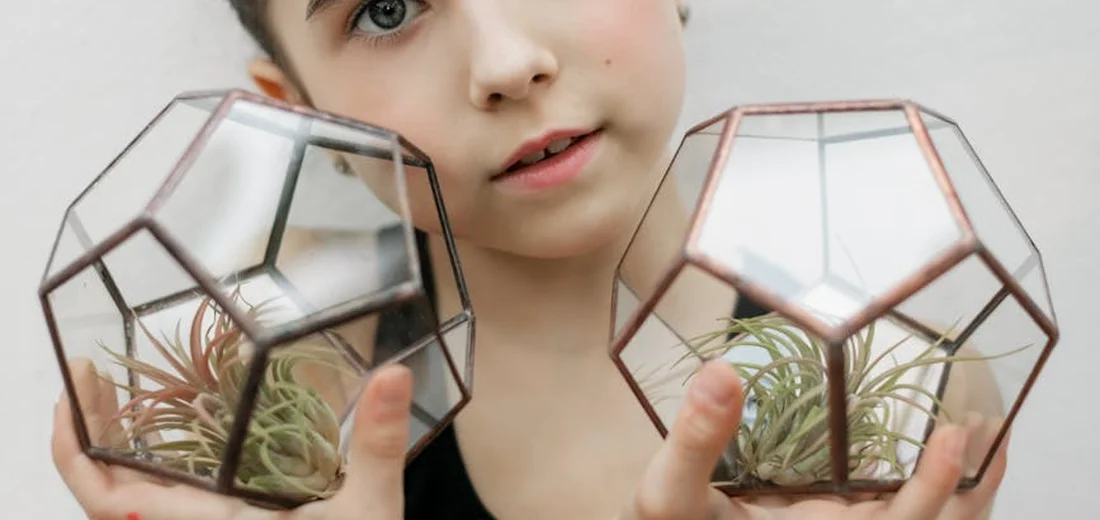
A Glass Container: This is your mini biome’s home. I’ve used everything from a wide, shallow bowl to a geometric hanging terrarium. The key is to choose a container with a wide opening for easy planting and maximum air flow.
-
Drainage Materials: Succulents despise wet feet. Start with a 1-2 inch layer of small pebbles or aquarium gravel at the bottom of your container. This creates a reservoir for excess water to drain away from the soil and roots. To test your succulent soil’s proper drainage, gently water the pot and watch how quickly the excess water leaves. If it pools or takes too long, adjust with more gravel or a lighter soil mix.
-
Activated Charcoal: Sprinkle a thin layer over your pebbles. This little trick keeps the soil fresh and prevents funky odors and bacteria from building up in your enclosed space. It’s like a tiny air and water filter for your garden.
-
Soil Mix Components: Never use regular potting soil. You need a fast-draining mix. I make my own with two parts cactus soil, one part perlite, and one part pumice. This gritty blend mimics the dry, rocky ground succulents love in the wild. You can also make your own DIY succulent potting mix. Try simple recipes to tailor drainage and aeration for your climate.
-
Decorative Elements: This is where you get creative! Add personality with colored sand, small decorative stones, or pieces of driftwood. These elements add the final touch that makes your terrarium a unique piece of living art.
For optional flair, a few pieces of preserved reindeer moss can add a pop of green texture without introducing live moss that needs different care.
My best tip for selecting a container is to avoid anything too narrow or deep. Wide, shallow containers are easier to plant in and provide the best environment for succulent roots to breathe. Are these best pots for succulents? Generally, yes—wide, shallow pots with drainage are ideal. I once used a tall, skinny vase, and it was nearly impossible to arrange the plants without making a huge mess.
Step-by-Step Guide to Assembling Your Terrarium
Preparing the Foundation
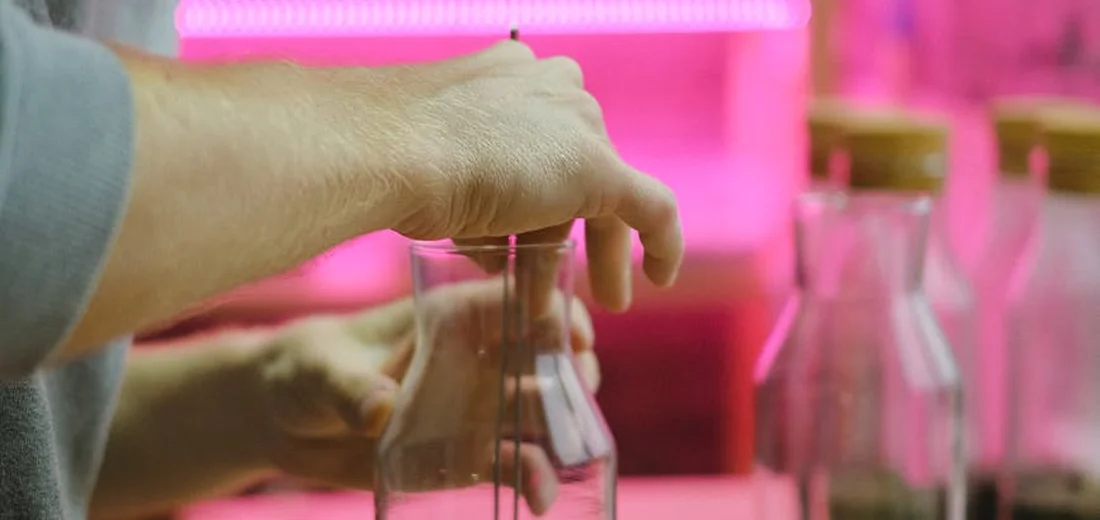
Think of your terrarium layers like building a stable house for your plants. Getting this foundation right is the single most important factor in preventing root rot and ensuring your mini garden thrives for years.
- Drainage Layer: Start with a 1-2 inch layer of small stones, pebbles, or lava rock at the very bottom of your glass container. I use aquarium gravel in most of my builds because it’s clean and colorful. This layer is non-negotiable; it acts as a reservoir for excess water, keeping it away from your succulents’ delicate roots.
- Activated Charcoal Layer: Sprinkle a thin, even layer of horticultural charcoal over your rocks. This is your terrarium’s filtration system. In a closed container, it prevents odors and bacteria growth, but I even use it in my open terrariums to keep the soil fresh.
- Soil Mix Layer: Finally, add your well-draining succulent and cactus mix. The depth should be proportional to your container and plant roots, but aim for at least 2-3 inches. From experience, I always mix in a handful of perlite or coarse sand to my store-bought soil for extra aeration-it makes a world of difference for drainage.
Planting and Styling Your Succulents
- Gently remove your succulents from their nursery pots, teasing apart any tightly bound roots. Using a spoon or a small trowel, dig a small hole in your soil mix, place the plant in, and gently firm the soil around its base. Always give your plants a little room to breathe; crowding them together is a recipe for mold and poor air circulation.
- Get creative with your arrangement! Place taller, statement plants like a jade or echeveria in the back or center, and use trailing varieties like string of pearls or sedum around the edges to spill over. I love adding a few interesting stones, a piece of driftwood, or even a tiny ceramic animal for a personal touch.
- My most successful terrarium to date is a geometric glass box with a single, large haworthia surrounded by white sand and black rocks. Its success wasn’t just luck; by planting that haworthia high and proud with plenty of space, I ensured its roots never sat in moisture, and it’s been growing steadily for three years.
Daily and Seasonal Care for Your Mini Ecosystem
Light and Placement Needs
Succulents in terrariums need bright, indirect light to stay compact and colorful. A south or east-facing windowsill is usually the perfect spot, bathing your mini garden in gentle morning sun without the harsh afternoon rays that can magnify through the glass and scorch the leaves. This setup is also part of a complete guide to growing outdoor succulents indoors, offering tips on recreating outdoor conditions inside.
- If you don’t have a sunny spot, a simple LED grow light placed about 6-12 inches above the terrarium for 6-8 hours a day works wonders. I use one on a timer for my office terrarium, and it keeps the plants perfectly happy.
- Avoid placing your terrarium near heating or cooling vents, fireplaces, or drafty windows. Based on my observations, consistent, stable room temperatures between 65-80°F (18-27°C) are ideal, making a living room side table or a bright kitchen counter a prime location.
Watering and Humidity Management
- For drought-loving succulents, the watering rule is simple: when in doubt, don’t. I only water my open terrariums lightly with a squeeze bottle every 2-4 weeks, aiming for the soil, not the leaves, and I never let the bottom drainage layer fill with standing water.
- To monitor humidity, just watch the glass. If you see constant, heavy condensation, it’s too humid and you need more air circulation or less water. I learned this the hard way with my first closed terrarium, which turned into a fungal disaster; now I only use open containers for succulents to mimic their native dry air.
Routine Maintenance Tasks
A little regular upkeep keeps your tiny world beautiful and healthy. Staying proactive with these simple tasks prevents small issues from becoming big problems.
- Weekly: Do a quick visual check for any signs of pests like mealybugs (they look like tiny bits of cotton) or fungus gnats. Catching them early makes treatment easy.
- Monthly: Gently prune off any dead or dying leaves with clean, sharp tweezers or scissors. This keeps your terrarium looking tidy and prevents decay.
- Seasonally: Every 6-12 months, I gently top-dress the soil with a fresh layer of succulent mix to replenish nutrients. Use a soft paintbrush to gently dust the leaves and decor to keep your view crystal clear and your plants able to breathe. If a plant outgrows the space, that’s the perfect time to snip a stem or leaf to propagate a whole new plant!
Troubleshooting Common Terrarium Problems
Identifying and Fixing Issues
Seeing your mini ecosystem struggle is disheartening, but I’ve rescued enough terrariums to know that most problems are fixable if you act quickly. The key is to correctly identify the issue, as the wrong treatment can do more harm than good.
- Root Rot from Poor Drainage: If your succulents feel mushy at the base or the stems look black, you’re likely dealing with root rot. I learned this the hard way with a beautiful, overwatered haworthia. Immediately remove the affected plant, cut away all soft, dark roots with a sterile knife, and let it air dry for a day before repotting in fresh, dry mix. This simple surgery has saved countless plants on my shelf.
- Sunburn from Excessive Light: Crispy, brown, or white patches on the leaves are classic sunburn. I once scorched a tender echeveria by placing its terrarium in a south-facing window. Move the terrarium to a spot with bright, indirect light immediately; the damaged leaves won’t recover, but the plant will eventually grow new, healthy ones.
- Etiolation from Low Light: When succulents stretch out with large gaps between leaves, becoming pale and leggy, they’re begging for more sun. I see this often in office terrariums. Gradually introduce them to a brighter location over a week to avoid shock, and don’t be afraid to behead the stretched plant to propagate a more compact new one.
Preventive Measures
An ounce of prevention is truly worth a pound of cure in the terrarium world. Developing good habits is your best defense.
- Prevent Pests and Discoloration: Good airflow is your number one pest deterrent. I always crack open my lidded terrariums for a few hours each week to discourage fungus gnats and mealybugs. Quarantine any new plant for two weeks before adding it to your terrarium to avoid introducing unwanted guests. A light dusting of cinnamon on the soil surface can also act as a natural antifungal.
- Quick Fixes Before They Escalate: At the first sign of a yellowing leaf, pluck it out before it decays and invites mold. If you accidentally overwater, use a twisted paper towel to wick excess moisture from the soil surface-it’s a trick I use monthly. Wiping down the inside glass with vinegar water prevents algae buildup, keeping your view crystal clear.
Advanced Tips for Long-Term Success
Once you’ve mastered the basics, you can start playing with more creative techniques to make your terrarium truly thrive for years. Balance humidity and maintain steady air circulation to keep the terrarium healthy. Think of it as your own miniature greenhouse, where careful ventilation and moisture control are essential.
- Create Microclimates: You can manipulate conditions within a single terrarium. I often pile substrate higher in the back and use small rocks to create sunnier, drier “hills” for sun-loving succulents and shadier, moister “valleys” for varieties like string of pearls. This lets you grow a more diverse plant community together.
- Propagate to Expand Your Collection: Don’t buy new plants-grow them! Gently press fallen leaves or stem cuttings onto the bare soil patches in your terrarium; the humid environment often encourages faster rooting than in open air. I’ve filled entire sections of my large terrarium with babies from a single “mother” plant.
- Experiment with Substrates and Decor: Don’t be afraid to get creative with your base layers. After some trial and error, I now mix a handful of small lava rocks into my soil for extra aeration, which has drastically reduced my root rot incidents. Using different colored sands or fine gravel for the top layer can also create stunning visual contrast and help reflect light onto lower leaves.
FAQs
What is succulent terrarium care?
Succulent terrarium care focuses on maintaining a balanced mini ecosystem with proper drainage, light, and infrequent watering to support succulent health. For growing succulents in terrariums, follow setup tips like well-draining soil and a breathable container. Be mindful of common mistakes to avoid for long-term health.
How do I start building a DIY succulent terrarium?
Begin by selecting an open container and layering it with drainage materials, activated charcoal, and a fast-draining soil mix before adding your succulents. This is the first step in our beginner’s guide to repotting succulents, presented as a simple, step-by-step process. Continue with the following steps to complete a successful repot.
What are key steps for indoor succulent terrarium care?
Place your terrarium in bright, indirect light, water lightly only when the soil is dry, and ensure adequate airflow to mimic their natural dry habitat. These tips are especially relevant for water succulents in terrariums, where moisture management is crucial. Use a well-draining mix and avoid standing water to keep succulents thriving.
How often should I water a succulent terrarium indoors?
Water sparingly every 2-4 weeks using a squeeze bottle to target the soil and avoid saturating the roots or drainage layer. This cadence is outlined in our complete guide on how often to water succulents. For more watering schedules and plant-specific tips, see the full guide.
What common mistakes should I avoid in DIY terrarium building?
Avoid using closed containers, overwatering, or skipping the drainage layer to prevent root rot and humidity-related issues.
How can I provide adequate light for an indoor succulent terrarium?
Position it near a south or east-facing window for bright, indirect light, or use an LED grow light to supplement if natural light is insufficient.
Your Thriving Succulent Terrarium Awaits
Drawing from my own journey with succulents, the golden rule for a healthy terrarium is balancing light, water, and airflow to mimic their native dry environments. Proper light and airflow help prevent succulent diseases by keeping surfaces dry and reducing humidity. Good circulation also minimizes spots where rot and fungal infections can take hold. Stick to these core practices:
- Place your terrarium in bright, indirect light to prevent scorching.
- Water only when the soil is completely dry, using a spray bottle for control.
- Incorporate a drainage layer and open the lid occasionally to reduce humidity buildup.
For ongoing support, follow along with Hardy House Plants-you’re already on the right track, and with a little patience, your mini ecosystem will flourish beautifully!
Further Reading & Sources
- Succulent Terrarium Care: How To Make A Succulent Terrarium And Care For It
- Terrarium Care: How To Care For Terrariums with Succulents, Cacti, Tropicals – Pistils Nursery
- How to Grow Succulent Terrariums – PittMoss
- Succulent Terrarium: Maintenance, Plants, and More
Lena Greenfield is a passionate horticulturist and plant care expert with over 10 years of experience cultivating and nurturing hardy house plants. With a deep understanding of both indoor and outdoor gardening, Lena shares practical advice on choosing, caring for, and maintaining resilient plants that flourish year-round. Through her knowledge and hands-on approach, Lena helps plant lovers transform their spaces into vibrant, green sanctuaries, no matter their gardening experience.
DIY Projects