
Best Pot Types for Snake Plants: A Complete Guide
Published on: January 12, 2026 | Last Updated: January 12, 2026
Written By: Lena Greenfield
Choosing the right pot for your snake plant feels like a big decision, and you’re right to be thoughtful about it. The container you pick directly influences how often you water and how quickly your plant grows, which is why it’s more important than you might think.
In this guide, I’ll draw from my years of collecting and troubleshooting snake plants to walk you through material pros and cons, proper sizing and drainage, stylish options, and pots to avoid.
Why Your Snake Plant’s Pot Matters So Much
Think of your snake plant’s pot as its house-it’s not just a decorative item, it’s the foundation for its health. I’ve learned through trial and error that the right pot is your first and best defense against the dreaded root rot.
Snake plants store water in their thick leaves and rhizomes, so their roots absolutely hate sitting in wet soil. A pot that traps moisture creates a soggy environment where harmful fungi and bacteria thrive, leading to mushy, brown roots. Choosing a pot that promotes a healthy dry-wet cycle is the single most important thing you can do to keep your sansevieria thriving for years.
Here are the primary benefits of getting the pot right:
- Prevents root rot by allowing excess water to escape and soil to dry properly.
- Encourages a strong, healthy root system that can support the tall, upright leaves.
- Provides stability so your top-heavy plant doesn’t easily tip over.
- Offers the right amount of room for growth without being overly spacious.
Choosing the Right Pot Material for Your Sansevieria
The Classic Choice: Terracotta Pots
Terracotta is my go-to for snake plants, especially if you’re prone to overwatering. The porous clay walls wick moisture away from the soil, helping it dry out much faster than in other pots. This breathability mimics the plant’s natural, well-draining habitat.
The significant weight of a terracotta pot is a huge plus for top-heavy snake plants, providing a sturdy base that prevents tipping. The main drawback is that it dries out so quickly you might need to water a bit more often in hot, dry climates. They can also crack if dropped or left out in freezing temperatures. Are terracotta pots good indoor plants? They can be, especially for drought-tolerant varieties, since their porous material helps prevent overwatering indoors, though you’ll need to water more often.
I once rescued a snake plant from a waterlogged plastic pot, repotted it into a simple terracotta one, and within a month it had pushed out two new shoots-it was literally a breath of fresh air for its roots.
Stylish and Sturdy: Ceramic and Glazed Pots
Glazed ceramic pots are beautiful and come in endless colors and finishes to match your home’s decor. The non-porous glaze seals the clay, making these pots excellent at retaining moisture. This is great for some plants, but a potential hazard for snake plants.
Unglazed ceramic acts more like terracotta, offering some breathability, while glazed ceramic holds water in like a bathtub. If you love the look of a glazed pot, you must use it strategically. My best tip is to use a very gritty, well-draining soil mix-I add extra perlite or pumice to my standard cactus mix when I use a glazed pot.
Lightweight and Practical: Plastic Pots
Plastic pots are affordable, lightweight, and nearly indestructible, which makes them fantastic for busy households or if you need to move your plants often. The biggest disadvantage is their lack of breathability; plastic holds moisture in the soil for a long time.
You must adjust your care routine when using plastic. Wait until the soil is completely dry all the way to the bottom before you even think about watering. I always check by sticking my finger deep into the soil. When you use a plastic pot, err on the side of underwatering—your snake plant will thank you for the neglect.
Specialty Options: Self-Watering and Air Pruning Pots
Self-watering pots have a reservoir at the bottom that wicks water up into the soil as needed. While convenient for thirsty plants, they are generally a bad idea for snake plants. They keep the lower layer of soil constantly moist, which is a direct invitation for root rot in a sansevieria.
Air pruning pots, like fabric grow bags, are designed to expose roots to air, which naturally prunes them and encourages a denser, healthier root system. They provide incredible drainage and aeration. I’d recommend these for experienced plant owners who are confident in their watering habits, as the soil will dry out extremely quickly.
Finding the Perfect Pot Size and Shape
How to Select the Correct Pot Size
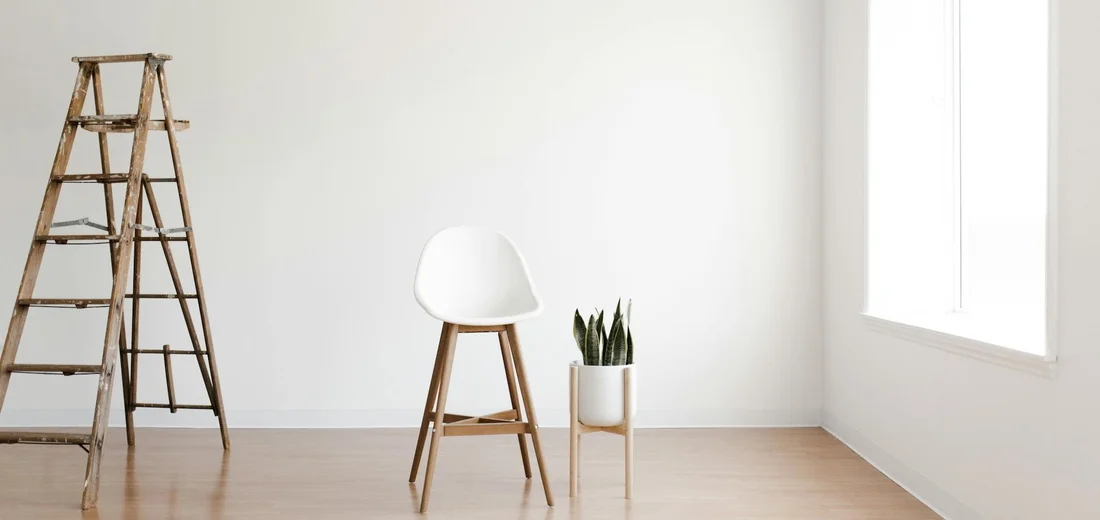
Choosing the right pot size is one of the most impactful decisions you’ll make for your snake plant’s health. My golden rule, after years of trial and error, is to only move up 1-2 inches in diameter from the plant’s current pot. This gives the roots a little room to grow without being overwhelmed by soil. For a step-by-step approach to pot sizing, check out our snake plant pot size guide. It walks you through choosing the right size at each growth stage.
A pot that’s too large is a silent killer. The excess soil holds onto water for far too long, creating a soggy environment where the roots can’t breathe. This is the fastest way to trigger root rot, a frustrating and often fatal condition. Your plant will essentially be sitting in wet feet, and it will not be happy.
Here’s a quick reference table I use in my own collection to match plant size with the ideal pot diameter:
| Plant Height | Recommended Pot Diameter |
|---|---|
| Under 12 inches | 4 – 6 inches |
| 12 – 24 inches | 6 – 8 inches |
| Over 24 inches | 10 inches or more |
The Great Debate: Deep Pots vs. Shallow Pots
Snake plants have a relatively shallow, rhizomatous root system that likes to spread out horizontally rather than dig down deep. Because of this growth habit, a wider, shallower pot often feels more like home to them than a deep, narrow one. It gives their roots the space they naturally crave.
I’ve found that a pot depth of 6 to 8 inches is usually perfect for most common snake plant varieties. This depth provides enough soil to anchor the plant securely and hold some moisture without risking a perpetually wet bottom layer. The roots can comfortably occupy the top and middle sections of the pot where air and water are best balanced. The same depth question applies to snake plants and ZZ plants, too—how deep should you plant them? For both, 6–8 inches generally provides enough room for root growth and proper drainage.
There is one key exception to the shallow-pot rule: very tall, top-heavy varieties. For a massive Sansevieria trifasciata ‘Laurentii’ that’s over three feet tall, I always opt for a deeper, heavier pot to act as a counterweight and prevent tipping. In this case, the need for physical stability outweighs the ideal root depth.
The Non-Negotiable: Drainage Holes and Saucers
This is the one piece of pot advice I am absolutely militant about. Drainage holes are not a nice-to-have feature; they are a critical requirement for a healthy snake plant. They are your primary defense against overwatering and root rot, allowing all the excess water to escape freely after you quench your plant’s thirst. Do snake plants need drainage holes? Yes—the holes prevent water from sitting in the soil, which helps prevent root rot.
Always pair your pot with a saucer or a drainage tray. The saucer’s job is to protect your furniture and floors by catching the runoff, which you should always empty about 30 minutes after watering. Letting the plant sit in a puddle of water defeats the entire purpose of having a drainage hole in the first place.
I know you might fall in love with a beautiful decorative pot that has no drainage hole. Don’t worry, you can still use it! I do this all the time using the cache pot method. Here’s how:
- Plant your snake plant in a basic, inexpensive plastic nursery pot that has ample drainage holes.
- Place this plastic nursery pot directly inside your beautiful, hole-less decorative pot.
- When it’s time to water, simply take the inner plastic pot out of the decorative one.
- Water your plant thoroughly over a sink or outdoors, allowing all the excess water to drain out completely.
- Once it has fully drained, place the plastic pot back inside the decorative cache pot.
This simple two-pot system gives you complete aesthetic freedom without ever compromising your plant’s health. It’s a foolproof way to have the best of both worlds.
Pairing Your Pot with the Perfect Soil
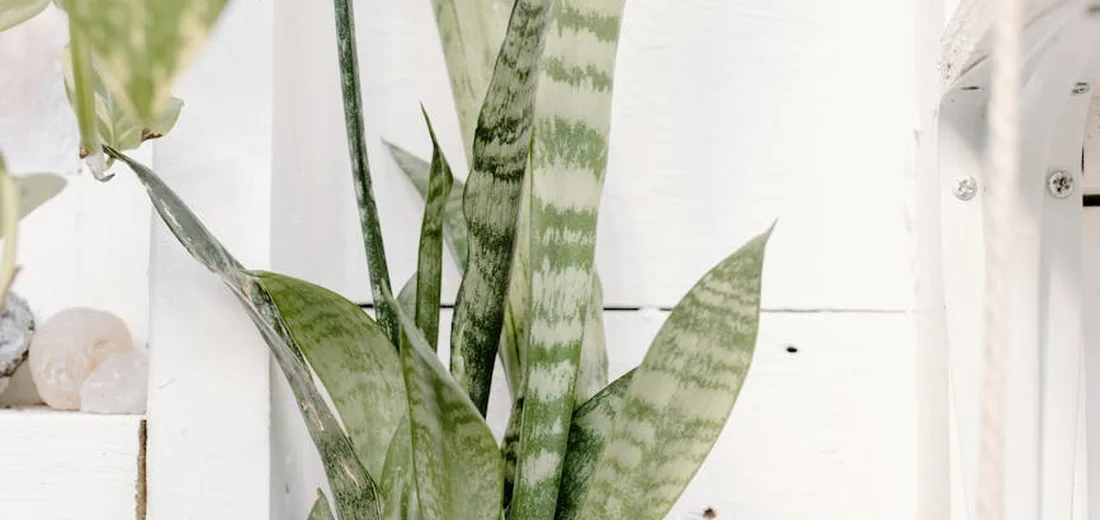
I’ve learned that your pot material doesn’t just hold the soil-it actively partners with it to create your plant’s home. The right soil mix in the wrong pot can still lead to trouble, so they need to work as a team.
In a porous terra cotta pot, moisture evaporates quickly through the walls. Your soil can afford to hold a bit more water. I often use a standard succulent mix straight from the bag in my clay pots. For plastic, ceramic, or glass pots, which trap all the moisture inside, you need a much grittier, faster-draining mix to compensate. Matching your soil’s drainage to your pot’s “breathability” is the secret to perfect watering.
After many trials, my go-to, foolproof soil recipe is simple. You can find these ingredients at any garden center.
- Two parts potting soil: This provides structure and some nutrients.
- One part perlite: Those little white balls create crucial air pockets and improve drainage dramatically.
- One part coarse sand or poultry grit: This adds weight and prevents compaction, mimicking the snake plant’s natural, gritty habitat.
Common Soil Mix Ingredients for Snake Plants
- Potting Soil: Use a standard, all-purpose blend as your base. Avoid mixes labeled “moisture control.”
- Perlite: This is non-negotiable for drainage. It keeps the soil light and fluffy.
- Coarse Sand: Look for horticultural or builder’s sand, not fine play sand which can turn to concrete.
- Orchid Bark: Adds chunky aeration. I love using a handful for extra-large pots.
- Pumice: A great alternative to perlite that doesn’t float to the top over time.
- Coco Coir: A sustainable alternative to peat moss that holds a little moisture without staying soggy.
Quick Tip: When in doubt, err on the side of more grit. Snake plants will forgive dryness far easier than wet feet, especially after repotting.
A Step-by-Step Guide to Repotting Your Snake Plant
-
Gather your supplies. You’ll need your new pot, fresh soil mix, a trowel, and some newspaper or a tarp to contain the mess. I do this on my kitchen floor for easy cleanup.
-
Water your plant a few days before repotting. A lightly hydrated plant is less stressed and its roots are more flexible, reducing breakage. Do not water right before the move-a soggy root ball is heavy and fragile.
-
Gently remove the snake plant from its current pot. Tip the pot on its side and coax the plant out. If it’s stuck, you can squeeze flexible plastic pots or carefully run a knife around the inside edge of a rigid pot. Never pull hard on the leaves.
-
Inspect and loosen the root ball. Shake off the old soil and take a good look. Healthy roots are firm and orange-ish; mushy, black roots must be snipped off with clean shears. Use your fingers to gently tease apart any tightly wound roots so they can spread into their new space.
-
Place soil in the new pot. Add enough of your fresh soil mix to the bottom of the new pot so that when you place the plant in, the base of its leaves sits about an inch below the pot’s rim.
-
Position your plant and fill in with soil. Set your snake plant in the center. Hold it upright while you fill in around the roots with your soil mix. Gently tap the pot on the table to settle the soil and eliminate large air pockets. Make sure to use a well-draining soil mix designed for succulents or cacti.
-
Do not water immediately. This is the step everyone wants to skip! Waiting a week before watering allows any minor root injuries to callus over, preventing rot. Place your repotted plant in bright, indirect light and let it settle in peacefully.
Troubleshooting Common Snake Plant Pot Problems
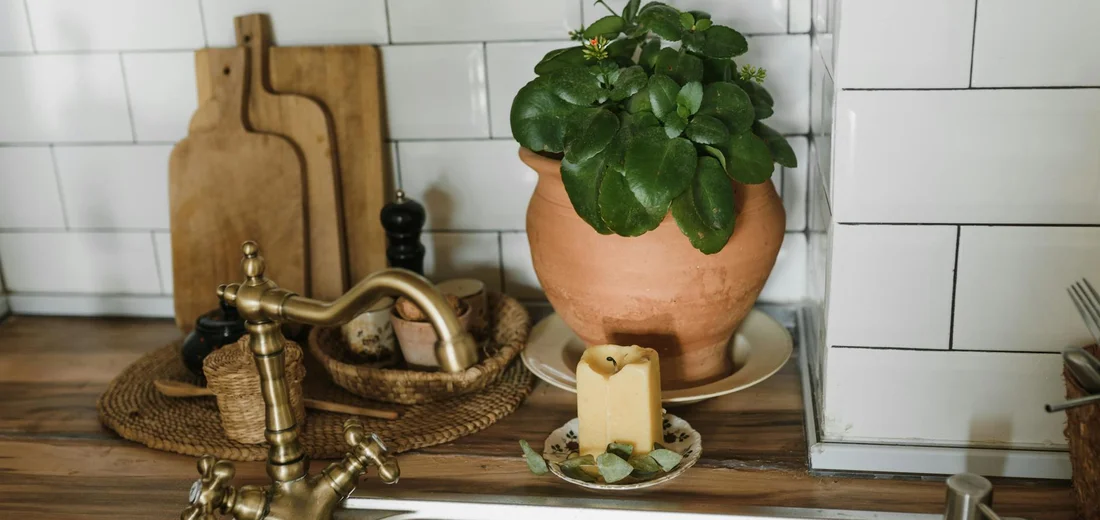
Even with the perfect pot, you might run into a few hiccups. I’ve learned through trial and error that the material of your pot can directly cause some common snake plant issues. Let’s look at the most frequent problems and how to fix them.
Yellowing Leaves in Clay Pots
If your snake plant’s leaves are turning yellow and you’re using an unglazed clay or terracotta pot, the culprit is often overwatering. The porous nature of these pots can trick you into thinking the soil is drying out faster than it actually is deeper down. I’ve made this mistake myself, adding a little water too often because the pot felt dry to the touch on the outside. This can lead to similar issues as when snake plant leaves turn brown, which usually indicates stress or rot.
Here is how to fix it:
- Stop watering immediately and let the soil dry out completely.
- Gently remove the plant from the pot to check the roots for rot (they’ll be mushy and brown).
- If you find rot, snip off the damaged roots with a clean, sharp pair of scissors.
- Repot the plant into fresh, dry, well-draining succulent soil.
- Wait at least a week, or until the soil is bone dry, before you even think about watering again.
Quick Tip: Stick your finger deep into the soil, not just near the edge of the pot, to get a true reading of moisture levels.
Rapid Drying in Terracotta Pots
On the flip side, your snake plant in a terracotta pot might be drying out so fast it can’t get a decent drink. I see this most often with plants placed in very bright, hot windowsills or in naturally dry homes. The terracotta wicks moisture from the soil and into the air at an accelerated rate.
You don’t necessarily need to change pots, just your technique:
- When you water, do it thoroughly. Take the plant to the sink and water slowly until it runs freely out of the drainage hole.
- Consider bottom-watering. Place the pot in a shallow dish of water for about 30 minutes, allowing the soil to soak up what it needs.
- Group your terracotta-potted plants together. They create a slightly more humid microclimate that helps slow down moisture loss.
Your goal is to ensure the entire root ball gets hydrated, not just the top inch of soil.
Roots Cracking a Plastic Pot
Snake plants are famous for their powerful, thick rhizomes that can literally burst a flimsy plastic nursery pot. I once had a Sansevieria ‘Moonshine’ that split its plastic pot right down the side-it was a clear sign it had been happily growing and needed more space.
If you see bulging sides or hear faint cracking sounds, it’s time to act:
- Carefully remove the plant from its current pot. You may need to cut the pot away with shears.
- Choose a new pot that is only 1-2 inches wider in diameter. Going too big can lead to overwatering.
- Select a more durable material for the repot, like a thick, rigid plastic, glazed ceramic, or concrete.
FAQs
Are snake plants poisonous to cats and dogs?
Yes, snake plants are mildly toxic to cats and dogs and can cause gastrointestinal issues if ingested.
How can I keep my snake plant safe around pets?
Place snake plants in elevated or inaccessible spots to prevent pets from chewing on them.
What are the best pots for indoor snake plants?
Choose pots with drainage holes and materials like terracotta or ceramic that complement indoor decor while promoting health.
What do Reddit users commonly advise about snake plant pot size?
Reddit communities often emphasize selecting a pot only 1-2 inches wider than the root ball to avoid overwatering issues.
Can you suggest creative pot ideas for snake plants?
Opt for unique options like hanging planters, colorful glazed pots, or repurposed containers to enhance your space aesthetically.
How often should I repot my snake plant?
Repot your snake plant every 2-3 years or when it becomes root-bound to support continued growth.
Your Snake Plant’s Perfect Home
In my years of growing snake plants, I’ve found that picking the right pot is the simplest way to keep them thriving for years. The best pot supports good drainage, fits the root size, and matches your home’s style. Here’s my quick checklist: Keep in mind that different snake plant types have slightly different light and water needs. Across varieties, well-draining soil and careful watering are key.
- Always use a pot with drainage holes to avoid soggy soil.
- Terracotta pots are my favorite for their breathability and classic look.
- Choose a size that’s just 1-2 inches wider than the root ball.
Don’t stress over getting it perfect-your snake plant is tougher than you think! I’ve helped many friends start with basic pots and see amazing growth. For more easy plant care tips, visit Hardy Houseplants to keep your green friends happy and healthy.
Further Reading & Sources
- Pots For Snake Plants: A Sanseveria Pot Shopping Guide
- What is the Best Pot for Snake Plant? – planterhoma
- When to Repot a Snake Plant and How to Do it Right
- r/SnakePlants on Reddit: What type of pot is good for a snake plant
Lena Greenfield is a passionate horticulturist and plant care expert with over 10 years of experience cultivating and nurturing hardy house plants. With a deep understanding of both indoor and outdoor gardening, Lena shares practical advice on choosing, caring for, and maintaining resilient plants that flourish year-round. Through her knowledge and hands-on approach, Lena helps plant lovers transform their spaces into vibrant, green sanctuaries, no matter their gardening experience.
Repotting Guidelines