
How to Match Indoor Plants to Your Lifestyle and Care Commitment
Published on: January 24, 2026 | Last Updated: January 24, 2026
Written By: Lena Greenfield
Are you worried that your busy schedule means you can’t keep plants alive? You might be wondering how to pick indoor greens that won’t wilt if you forget to water them for a week.
Based on my years of nurturing indoor plants through all sorts of life changes, I’ll walk you through assessing your daily routine, choosing low-maintenance varieties, and creating a simple care plan that fits your life.
Assess Your Plant Care Commitment and Environment
Evaluate Your Daily Routine and Available Time
Think about your average week. Are you constantly on the go, or do you have a predictable, home-based schedule? Your availability for plant care directly determines which green friends will thrive with you. I learned this the hard way when my travel-heavy schedule left a beautiful fern crispy and sad.
Ask yourself these questions:
- How many days a week am I realistically home to check on my plants?
- Do I prefer a set-it-and-forget-it routine, or do I enjoy daily puttering?
- Am I prone to forgetting tasks, or am I a meticulous planner?
For the busy and frequently absent, your plant soulmates are those that forgive neglect. A snake plant or a ZZ plant can go weeks without water and still look impeccable. If your life is hectic, choose plants that match your low-interaction energy.
Analyze Your Home’s Light and Humidity Levels
Light is the single most important factor for plant survival, and guessing wrong is the most common mistake I see. Walk through your home at different times of day. Notice where the sun actually falls, not just where you *wish* it would.
Use this simple hand test to gauge your light levels:
- Hold your hand about a foot above the surface where you want to place a plant.
- Look at the shadow your hand casts.
- A sharp, well-defined shadow means bright, direct light. A soft, fuzzy shadow indicates bright, indirect light. A faint, barely-there shadow means low light.
My own apartment has mostly north-facing windows, so I’ve become an expert in low-light plants like pothos and peace lilies. Matching a plant to your actual light conditions is more successful than trying to change your home’s environment.
Humidity is another silent player. Bathrooms and kitchens often have higher humidity, perfect for tropical plants like ferns and calatheas. Living rooms and bedrooms are typically drier, ideal for cacti, succulents, and snake plants. If your air is dry, group plants together to create a mini-humid microclimate.
Understanding Basic Plant Care Needs
Decoding Watering Schedules for Different Plants
Forget strict calendars. I killed my first succulent by watering it every Sunday, just like the tag said. The best watering schedule is one based on observation, not the day of the week. Plants drink more in the sunny summer and less in the dim winter. For succulents, that often means seasonal watering for succulents, watering less in winter and a bit more in summer. Let the season guide you, not a calendar.
Here’s how I check my plants:
- For most tropical plants: I stick my finger two inches into the soil. If it feels dry, I water thoroughly until it runs out the drainage hole.
- For succulents and cacti: I let the soil dry out completely, then wait another week. I even gently squeeze a leaf; if it feels soft or wrinkly, it’s thirsty.
- For moisture-lovers like ferns: I keep the soil consistently damp, like a well-wrung-out sponge, but never soggy.
When you water, do it deeply and let all the excess water drain away. A good soak encourages strong, deep roots, while frequent sips lead to weak, shallow ones.
The Role of Light in Plant Health and Growth
Light is food for plants. Without it, they slowly starve, becoming leggy, pale, and dropping leaves. Think of light levels as a plant’s job description.
Here’s a simple breakdown:
- Bright, Direct Light: A full-time, high-energy job. Sun-loving plants like cacti, succulents, and fiddle leaf figs need a sunny south or west-facing window to perform their best.
- Bright, Indirect Light: A steady office job. This is the sweet spot for many popular houseplants like monsteras, philodendrons, and spider plants. They want lots of bright light but not the harsh, scorching sun.
- Low Light: A quiet, remote work gig. Plants like the snake plant, ZZ plant, and cast iron plant can survive in darker corners, but their growth will be very slow. They are surviving, not necessarily thriving.
If you see your plant stretching its stems and leaning heavily toward the window, it’s begging for more light. Rotate your plants a quarter turn every time you water to ensure they grow evenly and don’t become lopsided. This is a small habit that makes a huge difference in your plant’s posture.
Choosing Plants That Fit Your Routine
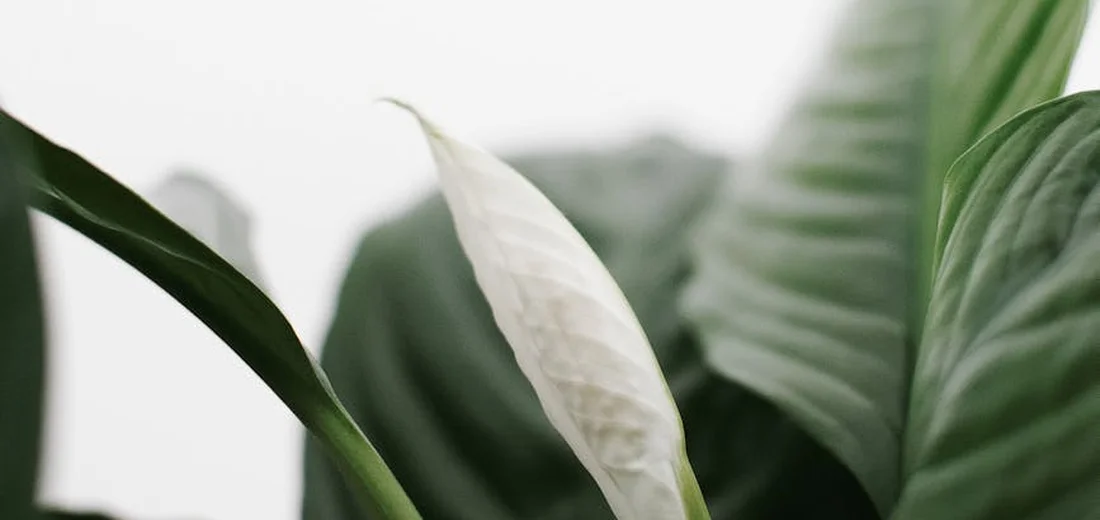
Top Low-Maintenance Plants for Beginners and Busy Schedules
When I first started filling my home with plants, I killed more than I’d like to admit by fussing over them. The secret to success with a busy life is choosing plants that thrive on a little benign neglect. These are my go-to recommendations for anyone who wants greenery without the guilt.
- Snake Plant (Sansevieria): This plant is practically indestructible. I’ve forgotten to water mine for over a month, and it just kept standing tall. It tolerates low light but grows faster in bright, indirect light.
- ZZ Plant (Zamioculcas zamiifolia): With its glossy, waxy leaves, the ZZ plant stores water in its potato-like rhizomes. I water mine only when the soil is completely dry, which can be every three weeks or so.
- Pothos (Epipremnum aureum): My pothos vines have trailed across bookshelves for years. They tell you when they’re thirsty by drooping slightly. A good drink perks them right back up, making them foolproof.
- Spider Plant (Chlorophytum comosum): These are fast growers that produce adorable “pups” on long stems. They’re non-toxic and can handle inconsistent watering. I find they do best with bright, indirect light.
- Cast Iron Plant (Aspidistra elatior): The name says it all. It survives low light, infrequent watering, and generally poor conditions. It’s a slow, steady grower that adds a touch of deep green elegance.
Selecting Pet-Friendly and Child-Safe Houseplants
As a pet owner, I learned the hard way that some plants are a vet visit waiting to happen. Always double-check the ASPCA’s toxic plant list before bringing a new plant into a home with curious cats, dogs, or toddlers. Safety first! Think of this as part of a pet-safe indoor plants complete guide with protection tips. It helps you pick non-toxic varieties and set up pet-friendly arrangements.
Here are some beautiful and safe options I’ve lived with happily:
- Spider Plant: A classic for a reason! They’re safe, easy, and the dangling pups are fascinating for kids to watch grow.
- Parlor Palm (Chamaedorea elegans): This palm adds a lush, tropical feel and is completely non-toxic. It enjoys moderate, indirect light.
- Peperomia (Various species): With so many fun textures and colors, peperomias are a safe and stylish choice. My ‘Watermelon’ Peperomia is a particular favorite.
- Boston Fern (Nephrolepis exaltata): These full, feathery ferns are safe and love humidity, making them great for bathrooms.
- Calathea (Prayer Plant): While they can be a bit fussy about humidity, their stunning, patterned leaves are worth the effort and are perfectly safe for pets.
Creating a Sustainable Plant Care System
Setting Up Simple Watering and Feeding Reminders
You don’t need a complex app to remember your plant chores. The most reliable system is one that integrates seamlessly into your existing routine. I’ve tried them all, and these are the methods that actually stick.
- Use Your Phone’s Calendar: Set repeating events for checking soil moisture, not for watering. I check my plants every Sunday. This prevents overwatering, which is the #1 plant killer.
- The Sticky Note Method: Write the last watering date on a small sticky note and place it on the pot. It’s a simple, visual cue that works wonders.
- Group by Thirst: Keep your high-water-need plants together and your drought-tolerant ones in another area. This way, you can water entire sections at once instead of remembering individual schedules.
Space Planning and Grouping for Easier Care
Think of your home as having different climate zones. Grouping plants with similar light and water needs together turns care from a chore into a simple, efficient routine. This was a game-changer for me. With a mixed collection, you balance different needs by separating sun-loving, thirsty plants from drought-tolerant ones. This balancing act keeps every plant thriving and makes care feel doable.
- The Bright Spot Squad: Place your succulents, cacti, and fiddle leaf figs in your sunniest window. They’ll all enjoy the same bright light and infrequent watering schedule.
- The Humid Crew: Create a lush grouping in your bathroom or kitchen with ferns, calatheas, and nerve plants. They’ll thrive in the steam from your shower or cooking.
- The Low-Light Lounge: Your snake plants, ZZ plants, and pothos can all hang out in that dimmer corner of your living room or hallway, needing water only once in a blue moon.
Early Troubleshooting for Common Plant Problems
Catching a problem early is the difference between a quick fix and a plant funeral. Learn to read your plant’s leaves; they are its primary communication tool. Here’s my quick-check guide for when something looks “off.”
- Yellowing Leaves: Often a sign of overwatering. Feel the soil. If it’s soggy, hold off on water and make sure the pot has drainage holes.
- Brown, Crispy Leaf Tips: Usually means the air is too dry or the plant needs a drink. Check soil moisture and consider a humidifier for tropical plants.
- Drooping or Wilting: Can mean either too much or too little water. Always stick your finger in the soil two inches down to check before you reach for the watering can.
- Pale, Leggy Growth: The plant isn’t getting enough light. Move it gradually closer to a brighter window.
- Tiny Bugs on Leaves: Isolate the plant immediately! A quick shower and a wipe-down with insecticidal soap or neem oil usually does the trick for common pests like aphids or spider mites.
FAQs
What defines a healthy indoor plant lifestyle?
A healthy indoor plant lifestyle balances consistent care with the plant’s specific light, water, and environmental needs to promote growth and prevent stress. A seasonal care guide for mixed indoor plant collections helps you adapt that routine as seasons change. It offers practical tips for adjusting light exposure, watering frequency, and humidity to suit a variety of species.
How can you create a sustainable and eco-friendly indoor plant lifestyle?
Opt for organic soil, use collected rainwater or filtered tap water, and repurpose containers to minimize waste and support eco-friendly practices.
How often should you repot indoor plants as part of maintaining the lifestyle?
Repot every 1-2 years in spring when roots become crowded, using a slightly larger pot with fresh soil to encourage healthy growth. This practice is particularly important when repotting succulents, which have specific soil needs.
Which soil mixes work best for different indoor plant lifestyles?
Choose a well-draining cactus or succulent mix for dry-tolerant plants and a peat-based mix with perlite for moisture-loving tropical varieties. Different succulent types require specific soil mixes.
How does fertilization influence the indoor plant lifestyle and when should you fertilize?
Fertilization supplies essential nutrients for vitality; apply a balanced fertilizer during the active growing season in spring and summer, but avoid over-fertilizing.
What are common pests and diseases that affect the indoor plant lifestyle and how can you prevent them?
Prevent issues like spider mites or root rot by ensuring good air circulation, proper watering, and inspecting plants regularly for early intervention.
Your Perfect Plant Match Awaits
Ultimately, pairing the right indoor plants with your lifestyle means honestly evaluating your home’s environment and your daily routine to ensure a stress-free, green partnership. In my own plant-filled home, I’ve found that this mindful approach prevents overwatering, under-lighting, and the heartache of losing a plant that wasn’t suited for me. These are the key factors that determine plant suitability for indoor environments: light, humidity, temperature, and space. Choosing plants whose needs align with your home’s conditions helps ensure a thriving, low-maintenance collection.
- Always start by checking your space’s natural light levels and humidity before buying any plant.
- Pick plants that thrive with your watering habits-succulents for forgetful waterers, pothos for consistent caretakers.
- Embrace low-maintenance varieties like snake plants or ZZ plants if your schedule is packed; they’re tough and forgiving.
Don’t fret if your first plant isn’t a perfect fit-learning is part of the fun! For ongoing support and fresh ideas, keep exploring Hardy House Plants at www.hardyhouseplants.com; your confidence will bloom with each new leaf.
Further Reading & Sources
- Indoor Plant Care: Your Guide to Growing Healthy Houseplants | Proven Winners
- Houseplant Care – Smithsonian Gardens
- 10 Indoor Plant Care Tips to Ensure Happy, Healthy Houseplants
- How to Grow and Take Care of Indoor Plants
Lena Greenfield is a passionate horticulturist and plant care expert with over 10 years of experience cultivating and nurturing hardy house plants. With a deep understanding of both indoor and outdoor gardening, Lena shares practical advice on choosing, caring for, and maintaining resilient plants that flourish year-round. Through her knowledge and hands-on approach, Lena helps plant lovers transform their spaces into vibrant, green sanctuaries, no matter their gardening experience.
Watering Practices