
Natural and Organic Succulent Disease Treatments
Published on: April 15, 2026 | Last Updated: April 15, 2026
Written By: Lena Greenfield
Seeing a sick succulent can make any plant lover’s heart sink. You want to help your plant heal, but you’re wary of using harsh chemicals that could do more harm than good.
In my years of growing succulents, I’ve found that gentle, natural remedies are often the most effective solution. I’ll guide you through the simple, organic treatments you can make at home.
In this guide, you’ll find common succulent diseases, homemade treatment recipes, preventive care strategies, and troubleshooting tips.
Spotting the Problem: Common Succulent Diseases and Pests
I’ve learned that catching an issue early is the single most important thing you can do for a sick succulent. Your plant will show you what’s wrong; you just need to know what to look for. Sometimes, you also need to tell if it’s dying or simply dormant. A dormant plant may slow growth and look a bit withered, but can recover with proper care.
- Root Rot: The plant feels wobbly in its pot. Leaves turn yellow, brown, or black and become mushy and translucent. This is almost always from overwatering.
- Powdery Mildew: Looks like someone dusted your plant with white or gray flour. It’s a fungus that thrives in poor air circulation.
- Botrytis (Gray Mold): You’ll see fuzzy, grayish-brown spots that quickly turn into a mushy, smelly decay. It loves cool, damp conditions.
- Mealybugs: These look like tiny bits of white cotton fluff tucked in leaf crevices. They suck the life out of your plant.
- Scale: Appear as small, flat, brown or tan bumps stuck to stems and leaves. They are hard to scrape off and also feed on plant sap.
- Aphids: Tiny green, black, or red pear-shaped bugs that cluster on new growth and flower buds.
- Spider Mites: You’ll see fine, silky webbing between leaves and stems. The leaves may have a stippled, dusty look.
| Symptom | Likely Cause |
|---|---|
| Mushy, translucent leaves | Root Rot |
| White, powdery coating on leaves | Powdery Mildew |
| Fuzzy gray/brown spots, bad smell | Botrytis (Gray Mold) |
| White, cotton-like fluff in crevices | Mealybugs |
| Small, hard, brown bumps on stems | Scale |
Your Kitchen & Garden Arsenal: Simple Homemade Remedies
You don’t need a cabinet full of harsh chemicals to be a great plant doctor. Some of the most effective treatments are already in your pantry, and I use them all the time in my own collection.
Neem Oil: The All-Round Protector
Neem oil is my absolute go-to for a reason. It disrupts the life cycle of pests and smothers fungal spores. This stuff works as both an insecticide and a fungicide, making it a true two-in-one powerhouse.
- Start with one quart of warm water in a spray bottle.
- Add one teaspoon of pure, cold-pressed neem oil.
- Mix in a few drops of a mild liquid soap (like Castile soap) – this is crucial as it helps the oil mix with the water.
- Shake the bottle vigorously until everything is combined.
- Spray every part of the plant, making sure to get the undersides of leaves and stem joints where pests hide.
- Apply in the evening or out of direct sun to prevent leaf burn. Repeat every 5-7 days until the problem is gone.
Cinnamon and Other Pantry Powerhouses
Common kitchen ingredients can be surprisingly potent. I always keep cinnamon on hand not just for baking, but for my plant first-aid kit.
- Cinnamon: This is a fantastic natural fungicide. After you trim off any rotten or diseased parts of the plant, sprinkle ground cinnamon directly onto the fresh cut. I do this every single time I take a succulent cutting to prevent rot while it calluses.
- Diatomaceous Earth (DE): This fine, powdery substance is made from fossilized algae. To crawling pests like aphids and some mites, it’s like walking on broken glass. Lightly dust the soil surface and the base of the plant. Just make sure the plant and DE are dry for it to work effectively.
- Garlic Spray: Pests hate the smell. Crush two full garlic cloves and steep them in a quart of hot water overnight. Strain the liquid into a spray bottle and mist your plant thoroughly. The strong odor repels many soft-bodied insects. The smell fades quickly for you but lingers for them.
A quick tip: Test any new spray on a single leaf first and wait a day to ensure your plant isn’t sensitive to it. This simple step has saved many of my succulents from unnecessary stress. These small checks are part of essential care tips to avoid killing your succulents. Stick to a simple routine of proper watering, lighting, and well-draining soil to keep them thriving.
Going Deeper: Organic Treatments for Fungal and Root Issues
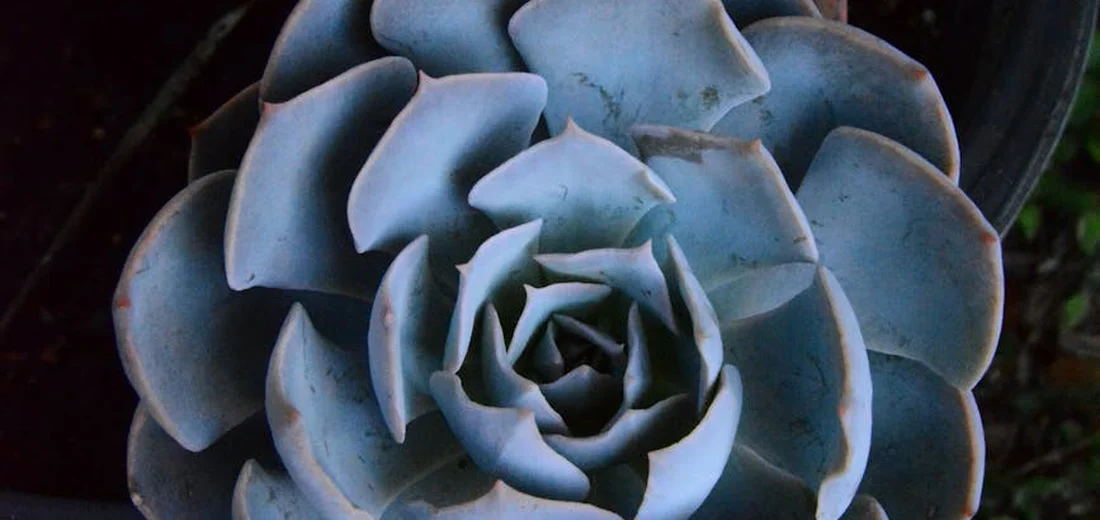
Seeing your succulent struggle with mushy stems or discolored leaves can feel discouraging, but I’ve brought many plants back from the brink using simple, natural methods. Organic treatments work with your plant’s natural defenses, helping it recover without harsh chemicals. Identifying root rot causes—overwatering and poor drainage—lets you target the treatment to save the plant. Quick, proper care can prevent further damage.
My first step is always to gently unpot the plant for a full root inspection. You need to see the extent of the damage before you can treat it effectively.
Rescuing a Succulent from Root Rot
Root rot is a race against time, but I’ve successfully used this exact process on dozens of overwatered plants in my own collection.
- Gently Remove the Plant: Tip the pot sideways and carefully coax the succulent out. If it’s stuck, I sometimes tap the pot’s sides or run a clean knife around the inside edge to loosen the root ball.
- Inspect and Trim Rotten Roots: Shake off the old soil and examine the roots. Healthy roots are firm and white or light tan. Rotten roots are mushy, dark brown or black, and often smell bad. Use sterilized scissors to cut away every bit of the rotten material until you only have healthy roots left.
- Treat with a Cinnamon Application: This is my favorite organic trick. Cinnamon is a natural antifungal. I generously dust the entire root system and any cut stem ends with plain ground cinnamon from my kitchen spice rack. It helps seal the wounds and prevents new fungal spores from taking hold.
- Repot in Fresh, Dry Mix: Do not reuse the old, contaminated soil. Plant your succulent in a clean pot with a fresh, dry, fast-draining cactus and succulent mix. Wait at least a week before you even think about giving it a single drop of water.
Safe Organic Fungicides for Leaf and Stem Issues
For problems like powdery mildew or black spots on leaves and stems, you have a few great organic options.
- Commercial Options: Look for fungicides containing neem oil or copper soap. I keep a bottle of neem oil spray on hand. You mix it with water as directed and spray it directly onto the affected areas, making sure to cover the tops and bottoms of the leaves. Apply it in the evening to prevent the sun from scalding the wet leaves.
- Baking Soda Spray: For a simple homemade option, mix one teaspoon of baking soda into a quart of water with a few drops of gentle dish soap. Spray this on fungal spots. It changes the surface pH, making it harder for the fungus to grow.
- Compost Tea’s Role: While not a direct fungicide, a well-made compost tea acts as a powerful health booster. It introduces beneficial microbes to the soil that can help your plant outcompete harmful pathogens. I use it as a periodic soil drench for my healthy plants to keep their immune systems strong.
Building a Healthy Foundation: Prevention is the Best Medicine
After years of caring for succulents, I’ve learned that the best treatment is always avoiding the problem in the first place. A strong, unstressed plant is its own best defense against disease. That extends to recognizing common succulent pests and knowing how to identify them early. With proactive prevention and timely treatment, infestations can be managed before they spread.
- Master the Watering: This is the single most important factor. I use the “soak and dry” method. I completely drench the soil, then wait until it is fully, completely dry before even considering watering again. I stick my finger deep into the pot to check. A moisture meter can also be a great helper.
- Ensure Perfect Drainage: Your pot must have a drainage hole. There are no exceptions to this rule in my house. I also add a layer of pebbles or pumice at the bottom of the pot before adding soil to create an extra reservoir for excess water to drain away from the roots.
- Craft Your Soil Mix: Store-bought cactus mix is a good start, but I always amend it. My go-to recipe is two parts cactus mix to one part perlite or coarse sand. This creates the sharply draining, airy environment that succulent roots absolutely crave.
- Practice Plant Sanitation: Keep the planting area clean. Remove dead leaves from the soil surface where pests and fungi can hide. Always wipe your pruning tools with rubbing alcohol between plants to prevent accidentally spreading any problems.
Your Organic Treatment Schedule: When and How Often to Apply
When it comes to treating succulent diseases organically, timing and consistency are everything. I’ve learned that a “less is more” approach often works best, as over-treating a stressed plant can do more harm than good. Here’s a simple schedule I follow based on the specific problem, especially after quarantining and treating new succulents to prevent disease spread.
For Pest Sprays (Mealybugs, Aphids, Spider Mites)
I mix up a batch of my go-to insecticidal soap spray (a teaspoon of pure castile soap in a quart of water) and use it like this:
- Initial Attack: Spray every 3-4 days for two weeks. This breaks the pest life cycle.
- Follow-Up: After those two weeks, switch to a weekly spray for one more month as a preventative measure.
- Maintenance: I give my whole collection a light, preventative spray once a month during growing season, paying special attention to leaf crevices.
Always spray in the cool of the early evening to prevent the sun from scorching wet leaves.
For Anti-Fungal Soil Drenches (Root Rot, Mold)
This is a more intensive treatment used only when you see signs of fungal issues in the soil.
- Remove the succulent from its pot and gently shake off the old soil.
- Mix a cinnamon tea drench (one tablespoon of cinnamon powder steeped in two cups of hot water, then cooled completely).
- Soak the root ball in this solution for about 10 minutes before repotting in fresh, dry soil.
- Do not water the plant again for at least a week to let the roots and soil dry out thoroughly.
You typically only need to do this drench once. If the problem persists after two weeks, you may need to reassess the plant’s environment.
Signs Your Succulent Needs Immediate Organic Care
Don’t wait if you see these red flags. From my experience, catching these early makes all the difference.
- Mushy, Translucent Leaves or Stems: This is often overwatering and the start of rot. Act fast to prevent it from spreading up the stem.
- Webbing or Cottony Fluff: This is a clear sign of spider mites or mealybugs, which multiply rapidly.
- A Sudden Flop: If a previously firm succulent suddenly collapses, its stem base has likely rotted and needs immediate intervention.
- Black or Brown Spots Spreading on Leaves: This could be a fungal or bacterial issue that will continue to spread if not treated.
Quick Tip: Isolate any sick plant immediately to protect the rest of your collection!
FAQs
What is organic treatment for succulents?
Organic treatment for succulents involves using natural, non-synthetic methods like plant-based oils or kitchen ingredients to combat diseases and pests without harsh chemicals. It ties into a complete guide on getting rid of mold and fungus in succulents, offering practical steps, prevention tips, and care routines. Learn how to spot early signs and protect your collection.
Are essential oils effective for treating succulents and safe?
Essential oils like peppermint or tea tree can be effective for repelling pests on succulents when diluted, but overuse may cause leaf irritation.
What homemade remedies can treat scale on succulents without chemicals?
Dabbing scale insects with a cotton swab soaked in rubbing alcohol effectively removes them without resorting to chemical pesticides.
Can you use neem oil for succulents and is it safe?
Neem oil is safe for succulents when properly diluted and applied in cool conditions, serving as a natural insecticide and fungicide. For safer succulent pest control, some gardeners pair neem oil with a small amount of epsom salt in the spray, applied sparingly and during cooler parts of the day.
Are bio-based pesticides suitable for organic succulent care?
Bio-based pesticides are suitable for organic care as they use natural organisms or extracts to control pests while minimizing environmental impact. For indoor plant pests, the key question is whether these biological controls are most effective. Results vary by pest and indoor conditions, so proper selection and application are essential.
How can I improve soil to prevent disease in succulents using organic methods?
Enhance soil with organic amendments like compost or coarse sand to improve drainage and reduce disease risk in succulents. Choose the right soil amendments to keep succulent roots healthy.
Your Natural Succulent Care Journey
To protect your succulents from diseases organically, focus on early detection and gentle, plant-safe solutions. I’ve found that a proactive approach with simple ingredients saves so much stress down the line. Most of the time, the issues you’ll see are pests rather than diseases and they’re usually treatable with these organic methods. If a disease does appear, early detection and good sanitation will still help prevent spread. My go-to strategies include:
- Regularly checking leaves and soil for early warning signs.
- Using diluted neem oil or isopropyl alcohol for pest control.
- Applying cinnamon or chamomile tea to soothe fungal issues.
Trust your instincts and start with one natural remedy that feels right for your plant. I’ve nursed countless succulents back to health using these very steps, and you can absolutely do the same-your green thumb is stronger than you think!
Further Reading & Sources
- Succulent Pests & Diseases: Identification and Effective Treatment – Succulents Box
- Succulent Plant Pests, Diseases, Problems: Symptoms & Solutions
- 14 Succulent Pests And Diseases Along With Simple Tips To Fix The Problems
- Common Succulent Problems and How to Fix them by ourhouseplants.com
Lena Greenfield is a passionate horticulturist and plant care expert with over 10 years of experience cultivating and nurturing hardy house plants. With a deep understanding of both indoor and outdoor gardening, Lena shares practical advice on choosing, caring for, and maintaining resilient plants that flourish year-round. Through her knowledge and hands-on approach, Lena helps plant lovers transform their spaces into vibrant, green sanctuaries, no matter their gardening experience.
Plant Diseases