
Are Hoya Plants Succulents? Your Guide to Wax Plant Care
Published on: February 27, 2026 | Last Updated: February 27, 2026
Written By: Lena Greenfield
You’ve probably noticed the thick, waxy leaves on your Hoya and wondered, “Is this a succulent?” The short answer is that Hoyas are considered semi-succulents, which means they share some traits with true succulents but have their own unique care rules.
If you’re worried about killing your beautiful Wax Plant by treating it like a cactus, you can relax. In my years of collecting Hoyas, I’ve found them to be surprisingly forgiving once you understand their specific needs.
In this guide, I’ll walk you through identifying Hoya features, their simple care routine, and my top troubleshooting tips to keep your plant thriving for years.
Decoding the Hoya: Succulent, Vine, or Both?
I’ve had this debate with fellow plant lovers for years, and the answer is wonderfully complex. Hoyas beautifully straddle the line between succulent and vining epiphyte, possessing the best qualities of both. They store water in their fleshy leaves and stems like succulents, but their natural instinct is to climb and trail like a classic vine. So, do succulents store water in their leaves or stems? The short answer is yes—many do, often in thick leaves or swollen stems, and Hoyas demonstrate both strategies in one plant.
Key Succulent Features in Hoyas
When you look at a Hoya, its succulent heritage is clear. I always tell new owners to focus on these three traits for identification. This is a quick glimpse from our identify your succulent plant type complete guide. It shows how focusing on a few core traits helps you pin down the exact plant type.
- Thick, Waxy Leaves: This is where the “Wax Plant” name comes from. The leaves feel firm and plasticky because they’re packed with water-storing tissue.
- Sturdy, Fleshy Stems: The stems aren’t thin and wiry; they’re robust and can hold a significant amount of moisture, helping the plant survive dry spells.
- Superior Drought Tolerance: Thanks to their water reserves, Hoyas forgive the occasional forgotten watering far better than a traditional leafy vine ever could.
How Hoyas Differ From Typical Succulents
While they share survival strategies, Hoyas don’t play by all the same rules as your average desert succulent.
- They Crave Humidity: Most succulents love dry air, but Hoyas, being tropical natives, appreciate a more humid environment to truly thrive.
- Epiphytic Roots: In the wild, they often grow on trees, not in desert soil. Their roots are adapted to dry out quickly and absorb moisture from the air, making them prone to rot in heavy, wet potting mix.
- Vining Growth Habit: You won’t find a rosette-shaped Hoya. They actively grow long trails or climb up supports, a growth pattern not common in classic succulents like Echeveria or Aloe.
Your Guide to Effortless Hoya Wax Plant Care
Caring for these plants becomes intuitive once you understand their dual nature. My simplest advice is to treat them like a succulent that enjoys a bit more humidity and a well-draining home.
Perfecting the Hoya Watering Schedule
Overwatering is the fastest way to lose a Hoya. I’ve learned this the hard way with a beautiful Hoya carnosa that developed root rot.
- Use the “Taco Test”: Gently try to fold a leaf. If it bends easily like a soft taco shell, it’s thirsty. If it’s firm and resists, it’s still full of water.
- Check the Soil: Stick your finger an inch or two into the pot. Water only when the soil is completely dry.
- Soak and Dry Method: When it’s time, water thoroughly until it runs from the drainage holes, then let all excess water drain away completely.
Quick Tip: In winter, your Hoya might only need water once a month or less as growth slows down.
Crafting the Ideal Well-Draining Soil Mix
I never use standard potting soil straight from the bag for my Hoyas. It holds too much moisture against their sensitive roots. When I choose and prepare soil for indoor plants, I look for a well-draining mix and adjust with perlite or orchid bark to suit Hoyas and other tropicals. This balance helps prevent root rot and keeps moisture levels just right.
My go-to homemade mix is equal parts of three ingredients. This chunky blend mimics their natural tree-bound habitat and provides the quick drainage they desperately need. If you’re exploring make-your-own succulent potting mix DIY succulent potting mix recipes, you can adapt it with simple substitutions. DIY succulent potting mix recipes let you tailor drainage and soil texture to your climate.
- Regular Potting Soil
- Orchid Bark
- Perlite
Finding the Sweet Spot for Bright Indirect Light
Light is the secret ingredient for getting those incredible, fragrant flower clusters. Place your Hoya in a spot where it can see the sky but not the sun.
- East-Facing Windows: These are often perfect, providing gentle morning sun.
- Sheer-Covered South/West Windows: The sheer curtain diffuses the harsh afternoon rays.
- A Few Feet Back from a Sunny Window: This is my preferred method for most of my collection.
Watch the leaf color: deep green means it’s happy, but reddish or yellowing leaves can signal too much direct light. It’s important to monitor for signs of stress in plants to ensure they get the right amount of light.
Troubleshooting Common Hoya Health Issues
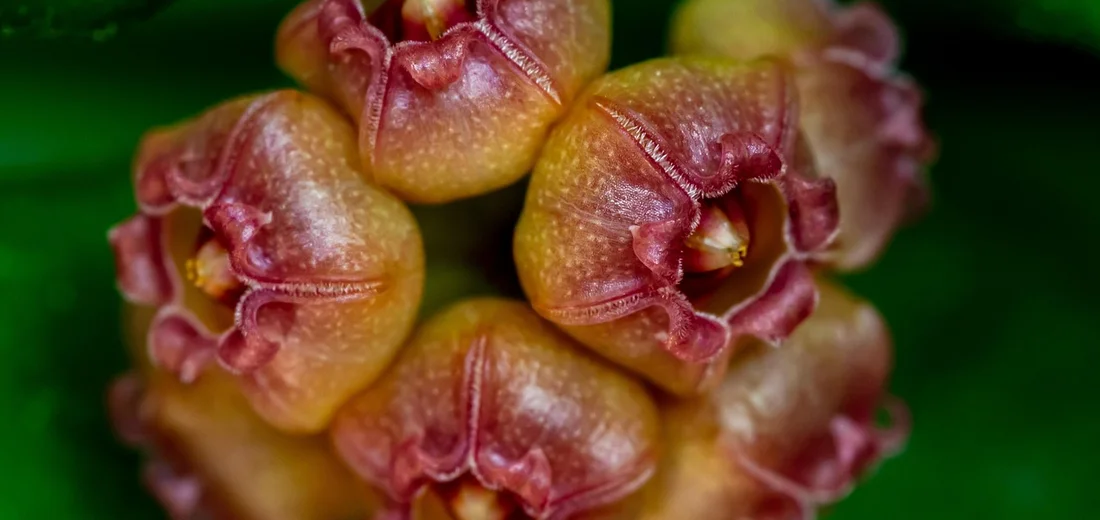
Even the most resilient plants have their off days. When my Hoya leaves start to look sad, the first place I look is at my watering habits. Overwatering is the number one cause of Hoya distress, leading to yellow, mushy leaves and potential root rot.
Identifying and Managing Hoya Pests
Healthy Hoyas can still attract a few unwanted visitors. I’ve found that regular leaf inspections during watering are my best defense.
- Mealybugs: These look like tiny tufts of white cotton, often hiding in leaf axils. I dab them directly with a cotton swab soaked in rubbing alcohol. For larger infestations, I mix a few drops of mild dish soap in a spray bottle with water and thoroughly coat the plant.
- Spider Mites: You’ll notice fine, silky webbing and a stippled, dusty look on the leaves. I give the plant a strong shower in my sink to dislodge them, making sure to hit the undersides of the leaves.
- Aphids: These tiny green or black bugs cluster on new, tender growth. A steady stream of water usually knocks them right off.
Quick Tip: Isolate any new plant for a couple of weeks before placing it near your existing collection to prevent pest spread. Learn how to quarantine and treat new plants properly.
Multiplying Your Joy: Simple Hoya Propagation
Sharing Hoya cuttings with friends is one of my favorite parts of this hobby. It’s surprisingly straightforward and feels a bit like magic.
The most reliable method I use is stem cuttings in water. You can watch the roots develop, which is incredibly satisfying. With snake plants, you can also propagate pups or crown cuttings in water, then pot them once roots form. Water propagation is a simple, effective method for propagating snake plants.
- Using clean scissors, snip a stem that has at least two or three leaves.
- Remove the bottom leaves to expose a node (the little bump on the stem where leaves grow from).
- Place the cutting in a jar of water, ensuring the node is submerged but the leaves stay dry.
- Set it in a spot with bright, indirect light and refresh the water every week.
- In a few weeks, you’ll see white roots! Once they’re a couple of inches long, pot the cutting in a well-draining soil mix.
Exploring the Wonderful World of Hoya Varieties
Once you fall for one Hoya, you’ll soon want to collect them all. Their diverse foliage and blooms are truly captivating.
Hoya kerrii: The Beloved Heart-Shaped Succulent
This is the plant that often hooks people. Hoya kerrii is famous for its single, thick, heart-shaped leaf sold in a small pot. It’s a charming gift, but patience is key. That single leaf can take years to develop into a vine, if it ever does. For a faster-growing plant, look for a pot that contains a stem with multiple leaves, not just a single leaf stuck in the soil.
Hoya carnosa: The Classic Wax Plant
This is the Hoya I started with, and it remains a steadfast favorite. Hoya carnosa is incredibly forgiving and can thrive for decades with basic care. Its leaves are a deep, waxy green, and when it’s happy, it produces stunning clusters of star-shaped, pinkish-white flowers that smell wonderfully sweet, especially in the evening. It’s the perfect beginner Hoya that never goes out of style.
FAQs
How should I fertilize my Hoya plant?
Fertilize your Hoya with a balanced, water-soluble fertilizer diluted to half strength during the growing season.
What is the best indoor temperature for Hoya succulents?
Hoyas thrive in temperatures between 60-80°F (15-27°C) indoors.
How do I care for a Hoya heart succulent to promote growth?
To encourage vining in Hoya kerrii, ensure it has a stem with multiple leaves and provide bright indirect light.
Can Hoya plants handle low humidity indoors?
While Hoyas prefer humidity, they can adapt to average indoor humidity levels if not too dry.
When is the right time to repot a Hoya?
Repot your Hoya every 2-3 years or when it becomes root-bound, using a well-draining soil mix.
What are the key signs of overwatering in Hoyas?
Signs of overwatering include yellowing leaves, soft stems, and a musty smell from the soil.
Your Hoya Care Quick Guide
From my years of nurturing Hoyas, I’ve found they thrive when you treat them like the unique epiphytes they are—not true succulents, but with similar low-water needs. Do succulents need to thrive in the same way? The short answer is yes—bright light, well-draining soil, and careful watering will help them prosper. Focus on these core practices to keep your wax plant happy and healthy.
- Water only when the top inch of soil feels dry to avoid root rot.
- Place in bright, indirect light for optimal growth and potential blooms.
- Use a well-draining potting mix to mimic their natural habitat.
You’ve got this—caring for plants is a joyful learning process, and your Hoya will reward your attention with its lovely foliage. For more easy-to-follow plant advice, explore other articles right here on Hardy House Plants; I’m always sharing tips from my own gardening journey to help you succeed. If you’re venturing into succulents, check out essential care guides for specific varieties to master their unique needs. From watering to soil and light, these guides cover the basics you’ll rely on.
Further Reading & Sources
- r/hoyas on Reddit: This is my 1st Hoya. Just learned they are succulents. Does that mean all the succulent rules apply? Can I use succulent fertilizer and soil? I’ve seen a lot of people spraying them w orchid plant food tho so I’m kinda confused.
- The top 5 Hoya care mistakes + how to correct them – Stamen & Stem
- Hoya Plant Care Tips from a Garden Expert – Birds and Blooms
- Hoya Kerrii: Ultimate Plant Care And Growing Guide | Gardening Know How
Lena Greenfield is a passionate horticulturist and plant care expert with over 10 years of experience cultivating and nurturing hardy house plants. With a deep understanding of both indoor and outdoor gardening, Lena shares practical advice on choosing, caring for, and maintaining resilient plants that flourish year-round. Through her knowledge and hands-on approach, Lena helps plant lovers transform their spaces into vibrant, green sanctuaries, no matter their gardening experience.
Types of Succulents