
How to Identify Your Succulent Plant Type
Published on: January 19, 2026 | Last Updated: January 19, 2026
Written By: Lena Greenfield
You brought home a beautiful succulent, but now you’re not sure what it is or how to care for it properly. I’ve been there, staring at a mystery plant and hoping I wasn’t accidentally drowning it or giving it too much sun.
In this guide, I’ll show you exactly how to become a succulent detective. We’ll cover key visual traits, common growth patterns, and flowering clues so you can finally give your plant the perfect care it deserves.
Why Succulent Identification Matters for Proper Care
Knowing your succulent’s name is like having its personal care manual. I’ve revived many plants by simply identifying them and adjusting their water and light to match their natural needs. A succulent that loves full sun will stretch and fade in a shady corner, while a shade-preferring one will scorch on a hot windowsill.
Watering is the biggest area where identification saves lives. Plump-leaved succulents like Graptopetalum store tons of water and need far less frequent drinks than thinner-leaved varieties like some Sedums. Getting this wrong is the fastest way to cause root rot or dehydrate your plant.
Identification also helps you understand its growth cycle. Some succulents are summer dormant, meaning they rest during the heat and grow in the cooler seasons, which completely flips the typical care schedule. In winter, many succulents slow their growth and require even less water. Understanding these winter vs summer dormancy differences is key to tailoring care year-round. I learned this the hard way with an Aeonium that I nearly overwatered to death one summer!
The First Step: Observing Your Succulent’s Key Features
Grab your plant and a notepad. The best way to identify a succulent is to become a detective, carefully noting its most obvious physical traits. We’ll break this down into four easy steps. In this guide, we’ll also help you tell whether your succulent is overwatered or underwatered and how to fix it. Knowing which symptom points to excess or lack of water helps you choose the right fix.
Step 1: Analyze the Leaf Shape and Thickness
Look closely at a single leaf. Is it plump and rounded, or flat and thin? Fat, spherical leaves like those on a String of Pearls or a Corpuscularia lehmannii indicate a plant that stores a huge amount of water and thrives on neglect. These are some of the most drought-tolerant types.
Thin, flat leaves often belong to faster-growing succulents that need more frequent watering. Echeveria leaves are typically spoon-shaped and form a beautiful, tight rosette, while Haworthia often have pointed, triangular leaves with striking white stripes. For echeveria succulent care, give bright light and allow the soil to dry between waterings to encourage beautiful rosette growth. With the right conditions, these rosettes stay compact and vivid. Jot down notes like “teardrop-shaped,” “cylindrical,” or “triangle-like.”
Step 2: Examine the Stem Structure and Growth Habit
Step back and look at the whole plant’s shape. Does it grow in a tight, flower-like rosette close to the soil (like Sempervivum), or does it have a long, trailing stem (like Burro’s Tail)? This tells you if it’s a ground-hugger or a perfect candidate for a hanging basket.
Some succulents, like many Crassula, grow as upright, branching shrubs. I have a Jade Plant that started as a single stem and now looks like a miniature tree, which is a classic growth habit for that genus. Others, like Snake Plants, grow straight up from a rhizome with almost no visible stem at all.
Step 3: Inspect for Special Features Like Spines and Areoles
This is the key to telling a cactus from other succulents! Run your fingers gently over the plant-do you feel sharp spines? More importantly, do those spines grow from fuzzy, padded spots called areoles? If yes, you’re almost certainly looking at a cactus.
Not all pointy things are spines. Some Aloes and Agaves have sharp leaf tips, but they lack the distinctive areoles that define a true cactus. Other special features include a powdery coating called farina (common on Echeveria) or tiny hair-like structures.
Step 4: Look at the Root System and Leaf Arrangement
Gently tip the plant out of its pot to peek at the roots. Fine, fibrous roots suggest a plant that absorbs water quickly from light rains, while thick, tuberous roots act like underground water storage tanks. This is a huge clue to its watering needs.
Notice how the leaves are arranged on the stem. Are they stacked tightly on top of each other like a string of buttons (Crassula ‘Pagoda’), or do they spiral around the stem in a beautiful pattern (like Graptoveria)? This arrangement, known as phyllotaxy, is a major identification tool for experts.
Quick Tip: Take clear, well-lit photos of your plant from above, the side, and a close-up of the leaf structure. This makes online identification forums much easier!
A Visual Guide to Common Succulent Genera
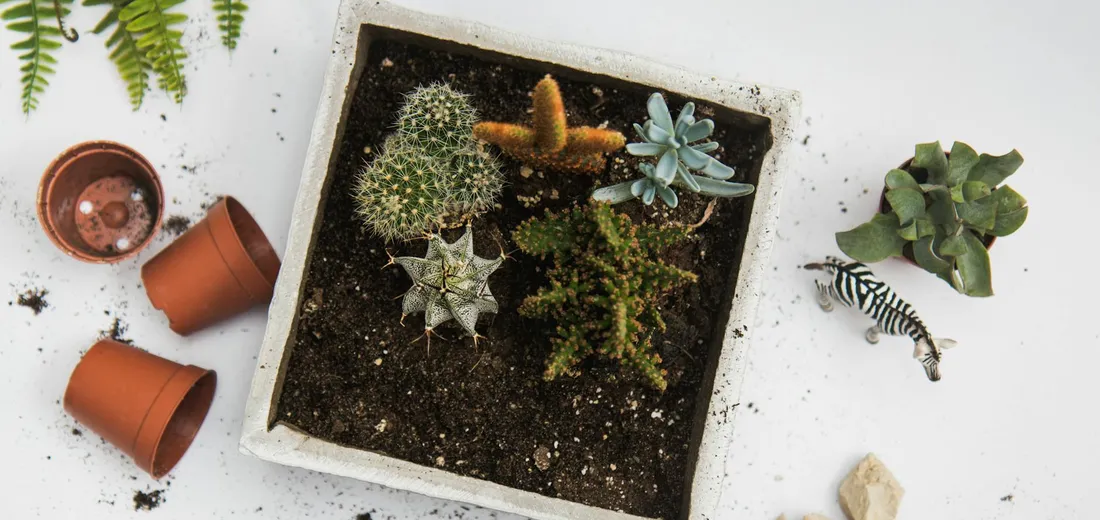
Echeveria and Look-Alikes (Graptopetalum, Pachyphytum)
When I first started collecting, I called every pretty rosette an Echeveria. I quickly learned that leaf texture is your best clue for telling these three apart. True Echeverias often have a soft, powdery coating called farina that gives them a matte, pastel look. Graptopetalum leaves feel smoother and are often more translucent. Pachyphytum, which means “thick plant,” has the chubbiest, most bean-like leaves of the trio.
- Echeveria: Tight rosettes, often with a powdery (farina) coating. Leaves are usually spoon-shaped.
- Graptopetalum: Looser rosettes, leaves are smoother and can appear slightly ghostly. Stems are more fragile.
- Pachyphytum: Extremely plump, rounded leaves that look like little pebbles or grapes strung together.
Haworthia and Aloe: Spotting the Differences
This one used to trip me up constantly. The biggest giveaway is that Haworthias are almost always stay small, perfect for windowsills, while Aloes love to grow tall and eventually need more space. Feel the leaves, too. Haworthias are typically firm with distinctive white stripes or bumps. Aloe leaves are smoother, fleshier, and filled with the gel we all know.
- Haworthia: Low-growing, often with white banding or pearly warts. Leaves form a tight, structured rosette.
- Aloe: Forms a more open rosette, leaves are longer and tend to curve outward. Many develop a tree-like stem over time.
Crassula and Sedum: The Versatile Growers
This group is the wild card of the succulent world. Crassula and Sedum can look wildly different, from ground-hugging mats to upright shrubs like the famous Jade Plant. I look at leaf arrangement. Crassula leaves usually grow in opposing pairs, creating a stacked, geometric effect. Sedum leaves are most often arranged in a spiral around the stem.
- Crassula: Known for opposite leaf pairs. Includes the Jade Plant (Crassula ovata) and the stacked “Buddha’s Temple” (Crassula pyramidalis).
- Sedum: Leaves alternate around the stem. Includes trailing varieties like Burro’s Tail and hardy, colorful ground covers.
Cacti and Other Spiny Succulents
Here’s a simple rule I follow: all cacti are succulents, but not all succulents are cacti. The defining feature of a true cactus is the areole-those small, fuzzy bumps that the spines, flowers, and new growth sprout from. If it has sharp spikes but no areoles, it’s a different type of spiny succulent, like an Euphorbia. To learn more about how to distinguish between cacti and other succulents, check out this guide.
- Cacti: Must have areoles. Spines emerge from these specific spots.
- Euphorbia: Often confused with cacti, but they lack areoles. Their sap is usually milky white and can be a skin irritant.
Using Flowers and Blooms for Succulent Identification
When a succulent flowers, it’s like it’s handing you its ID card. The color, shape, and timing of a bloom are some of the most reliable ways to confirm a plant’s identity. I keep a simple log on my phone of when my plants flower; it’s been a game-changer for nailing down tricky identifications the following year.
Echeverias send up arching stalks with bell-shaped flowers, while Sempervivums (Hens and Chicks) produce a single, dramatic, star-shaped flower from the center of the rosette. Quick tip: A rosette that flowers from the center and then dies is likely a Sempervivum or an Aeonium, not an Echeveria. Check out the care requirements for Sempervivums here.
- Note the Flower Stalk: Is it tall and arching (Echeveria) or a compact cluster (Sedum)?
- Examine the Flower Shape: Look for bells, stars, or tiny clusters.
- Record the Season: Many succulents are prolific bloomers in spring, while others, like some Christmas Cacti, flower in winter.
Your Plant Identification Toolkit: Resources and Next Steps
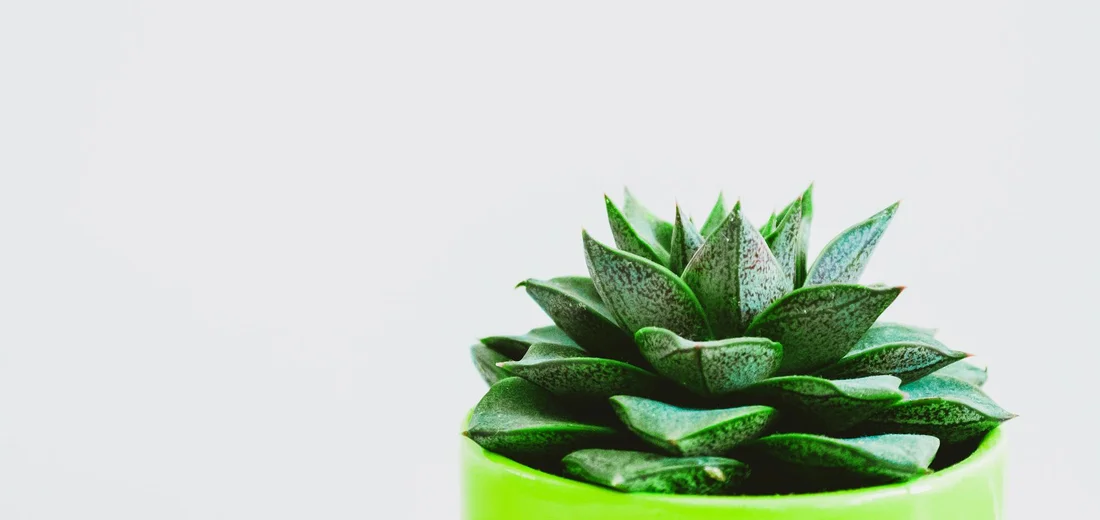
Figuring out your succulent’s name can feel like a fun treasure hunt. I always start by taking a few clear photos of my plant from different angles. Get a shot of the whole plant, a close-up of the leaves, and one of the flower stalk if it has one. That curiosity is exactly what our complete definition guide for succulent plants aims to answer. It explains what counts as a true succulent and how to spot the common groups at a glance.
Here are my go-to resources for putting a name to the face:
- Plant Identification Apps: I use apps like PlantNet and iNaturalist on my phone. You just upload your photo, and the app suggests matches. It’s a fantastic starting point, but I always double-check the results.
- Online Forums and Social Media: The plant community is incredibly helpful. I post my photos in dedicated succulent groups on Facebook or subreddits like r/succulents. Someone with a sharp eye usually chimes in with the correct ID within hours.
- Plant Encyclopedia Websites: Once I have a potential name, I visit sites like World of Succulents to compare my plant with their detailed photo galleries and descriptions.
Don’t get discouraged if it takes a few tries to get the ID right. Some succulents look nearly identical. I’ve had plants that I misidentified for a year before a flower finally gave away its true identity!
Caring for Your Newly Identified Succulent
Knowing your plant’s name is a game-changer for its care. This is the moment your plant stops being a generic “succulent” and becomes a unique individual with specific needs. I can finally stop guessing and start giving it exactly what it wants.
Your first step is to research its specific light requirements.
- Full Sun Lovers: Echeveria, most Sedum, and Graptopetalum need several hours of direct sunlight daily to maintain their compact, colorful shapes.
- Bright, Indirect Light Preferrers: Haworthia, Gasteria, and Sansevieria (Snake Plants) thrive in a bright spot away from harsh afternoon sun that can scorch their leaves.
- Partial Shade Tolerators: Some Rhipsalis and certain Aloes do well with less intense light.
Watering becomes much more straightforward once you know your plant’s type and its dormant season.
I stick to my trusted method for almost all my succulents.
- Stick your finger in the soil. If the top inch or two is completely dry, it’s time.
- Take your plant to the sink and give it a thorough, deep watering until water runs freely out of the drainage hole.
- Let all the excess water drain away completely before putting it back in its decorative pot.
Overwatering is the fastest way to kill a succulent, so when in doubt, wait another few days before watering. A thirsty succulent is easier to save than a drowned one. Knowing the common succulent watering mistakes to avoid can help you keep them thriving.
The right soil makes all the difference. Regular potting soil holds too much moisture. I always use a gritty, fast-draining cactus and succulent mix. For my finicky plants, I make my own blend by mixing bagged succulent soil with perlite or pumice for extra drainage. That’s where perlite succulent soil mixes shine. They add extra drainage and aeration, keeping roots happy between waterings.
Understanding your plant’s growth cycle helps you anticipate its needs. Many succulents, like Aeoniums, go dormant in the summer. During dormancy, they need significantly less water and no fertilizer. It’s their time to rest, not grow. These dormancy windows are a natural part of succulents’ seasonal growth cycles. Recognizing them helps you tailor care as the seasons change.
FAQs
How can I tell if my succulent is a hybrid or a rare type?
Consult specialized online forums or botanical gardens where experts can analyze unique traits not covered in general guides.
What are the most common identification mistakes to avoid?
Do not rely solely on color or size, as these can change with light and care, leading to misidentification.
Can environmental factors like light affect how a succulent looks for identification?
Yes, insufficient light may cause etiolation or color fading, obscuring key features needed for accurate identification.
How do I identify a succulent that is not flowering?
Focus on consistent traits like leaf arrangement, stem growth pattern, and root type, which remain reliable without blooms.
Are there any physical traits that are unique to certain succulent families?
Yes, for instance, only cacti have areoles, while Euphorbias often exude a milky sap when damaged.
What should I do if online resources give conflicting identifications?
Compare your plant’s photos with multiple trusted sources and seek advice from experienced growers in dedicated communities.
You’re Ready to Name Your Succulents!
After years of tending to my own succulent collection, I’ve found that identifying your plant boils down to closely observing its unique features like leaf shape, color, and growth style. This curiosity also opens up the world of colorful succulent varieties in pink, blue, and purple succulents. Exploring those shades can add a playful pop to your collection. Here’s a quick list to keep in mind:
- Examine leaf details-thickness, edges, and texture tell you a lot.
- Note the plant’s color and any special patterns or blooms.
- Watch how it grows-whether it spreads out, stands tall, or stays small.
Stick with Hardy House Plants at www.hardyhouseplants.com for more easy-to-follow plant care tips that I use in my own home. Don’t worry if it feels tricky at first-with a little patience, you’ll soon spot differences like a pro and enjoy your green friends even more.
Further Reading & Sources
- Succulent Identifier
- Types of Succulent Plants (with pictures) | Succulents and Sunshine
- Types of Succulents | Digital Printable Succulent Identification Chart – Succulents Box
- On-line Guide to the positive identification of Succulent Plant Families
Lena Greenfield is a passionate horticulturist and plant care expert with over 10 years of experience cultivating and nurturing hardy house plants. With a deep understanding of both indoor and outdoor gardening, Lena shares practical advice on choosing, caring for, and maintaining resilient plants that flourish year-round. Through her knowledge and hands-on approach, Lena helps plant lovers transform their spaces into vibrant, green sanctuaries, no matter their gardening experience.
Types of Succulents