
Are Spider Plants Succulents? Your Friendly Care Guide for Chlorophytum Comosum
Published on: February 26, 2026 | Last Updated: February 26, 2026
Written By: Lena Greenfield
If you’re wondering whether your spider plant is a succulent, the quick answer is no-it belongs to a different plant family entirely. This mix-up is common because both can handle some neglect, but their care needs differ in key ways that affect their health.
Based on my years of nurturing spider plants indoors, I’ll walk you through:
- the clear traits that make a plant a succulent
- why spider plants are often confused with them
- simple, effective care steps for lush, happy growth
What is a Spider Plant?
Chlorophytum comosum, which most of us know as the spider plant, is one of those classic houseplants that seems to have been in everyone’s home at some point. You’ll also hear it called the airplane plant or ribbon plant.
It’s instantly recognizable by its arching, grassy green and white striped leaves that spill beautifully over the edges of a hanging basket. In my own home, I’ve found nothing beats a spider plant for creating that lush, cascading green effect with minimal effort.
They are famously popular not just for their good looks but for their proven ability to help clean the air in your home. Spider plants are workhorses, quietly filtering out common household toxins while you go about your day.
From my experience, their hardiness is legendary. I’ve seen spider plants bounce back from near-death experiences that would finish off more delicate specimens. They grow rapidly, sending out long stems called “stolons” that produce tiny baby plantlets, which is how they earned their spider-like name.
Are Spider Plants Succulents?
This is a question I get a lot, and the answer is a definitive no. Spider plants are not succulents.
While they are both known for being tough and somewhat drought-tolerant, that’s where the major similarities end. The key difference lies in their leaves; true succulents have thick, fleshy leaves specifically designed to store large amounts of water for long periods. For identification, note that cacti have areoles and spines, while many other succulents retain true leaves. These differences are what help you identify cacti vs succulents at a glance.
Spider plant leaves are thin, flexible, and fibrous. If you try to bend one, it might snap, whereas a succulent leaf like a jade plant’s would feel plump and juicy. Many succulents store water in their leaves or swollen stems, which helps them survive longer between waterings. Spider plants don’t have specialized water storage tissues, so they can’t go nearly as long between waterings as a true succulent can.
Key Traits of a Succulent vs. a Non-Succulent Plant
- Succulents have thick, fleshy leaves or stems that act as water reservoirs.
- Succulents often have a waxy coating (cuticle) to reduce water loss.
- Non-Succulents (like Spider Plants) have thinner leaves without significant water storage capacity.
- Non-Succulents generally need more frequent watering than their succulent counterparts.
Think of it this way: a succulent is a camel, built for a long desert journey, while a spider plant is a hardy hiker that still needs to stop at the water fountain regularly. Treating your spider plant like a true succulent by letting the soil stay bone dry for weeks is a surefire way to see its leaf tips turn crispy brown.
Spider Plant Care Essentials
Light Requirements
Spider plants thrive in bright, indirect light, which means a spot near an east or north-facing window is often perfect. I’ve found that a few feet back from a sunny south or west window also works wonderfully, as the light is filtered through the room.
- Direct afternoon sun will scorch the leaves, leaving pale, crispy brown spots.
- In my own home, I once placed a spider plant on a hot windowsill, and the leaf tips turned brown within a week.
- They can tolerate lower light, but their growth will slow and the variegation on the leaves may fade.
Watering Needs
Water your spider plant when the top inch or two of soil feels dry to the touch. Overwatering is the fastest way to harm this plant, as it can lead to mushy, brown roots and sad, drooping leaves.
Here is my simple step-by-step guide to checking soil moisture:
- Stick your finger about two inches into the soil.
- If the soil feels dry and crumbly, it’s time for a thorough watering.
- If the soil feels damp or cool, wait a few more days before checking again.
Underwatered plants will let you know with pale, limp leaves, while overwatered ones may develop soft, dark spots at the base. Identifying which issue your succulent has will guide the fix. For underwatered succulents, give a thorough soak and let the soil dry between waterings; for overwatered succulents, stop watering, improve drainage, and consider repotting in a fresh, dry mix.
Soil and Potting Mix
A well-draining potting mix is non-negotiable for a happy spider plant, and a pot with drainage holes is its best friend. This combination prevents water from pooling at the roots, which is the main cause of root rot.
From my own potting bench, here is a reliable DIY soil blend I use:
- Two parts standard potting soil
- One part perlite for aeration
- One part coconut coir or peat moss to retain a little moisture
This mix provides the “just right” balance of moisture retention and fast drainage that spider plants love.
Humidity and Temperature
Spider plants are quite adaptable but prefer average room humidity and temperatures between 65° and 75°F (18°-24°C). If your indoor air is very dry, you might see brown leaf tips, which is the plant’s way of asking for more moisture in the air.
You don’t need a fancy humidifier; try these easy household solutions:
- Place your plant on a pebble tray filled with water.
- Group it with other houseplants to create a mini-humid microclimate.
- Give it an occasional light misting with a spray bottle, especially in winter.
Fertilizing and Repotting
Feed your spider plant monthly during the spring and summer with a balanced, water-soluble fertilizer diluted to half strength. For snake plants, the best results typically come from fertilizing during the growing season (spring and summer) with a diluted balanced fertilizer, and pausing in fall and winter. I’ve learned that over-fertilizing can cause brown leaf tips, so less is truly more with these easy-going plants.
You’ll know it’s time to repot when you see roots poking out of the drainage holes or the plant becomes top-heavy and dries out very quickly. If root rot is involved, you’ll want to trim away the rotten roots before repotting. Then repot in fresh, well-draining soil to give the plant a clean start and prevent reinfection. Here’s how I repot mine:
- Gently tip the plant out of its current pot.
- Loosen the root ball with your fingers, trimming any dark, mushy roots.
- Place it in a new pot that is only 1-2 inches wider with fresh potting mix.
Propagating Spider Plants
The easiest way to propagate a spider plant is by using the little plantlets, or “spiderettes,” that grow on long stems. I love that this plant literally hands you its babies on a silver platter, making propagation almost foolproof.
Follow these steps for success:
- Wait until a spiderette has developed a few small root nubs.
- You can either snip it off and place it in a glass of water until the roots grow longer, or plant it directly into a small pot of moist soil while it’s still attached to the mother plant.
- If planting directly, I often use a bent paperclip to gently pin the base of the spiderette to the soil to encourage root contact.
- Keep the soil lightly moist. Once you see new growth, you can sever the connecting stem.
Common Spider Plant Varieties
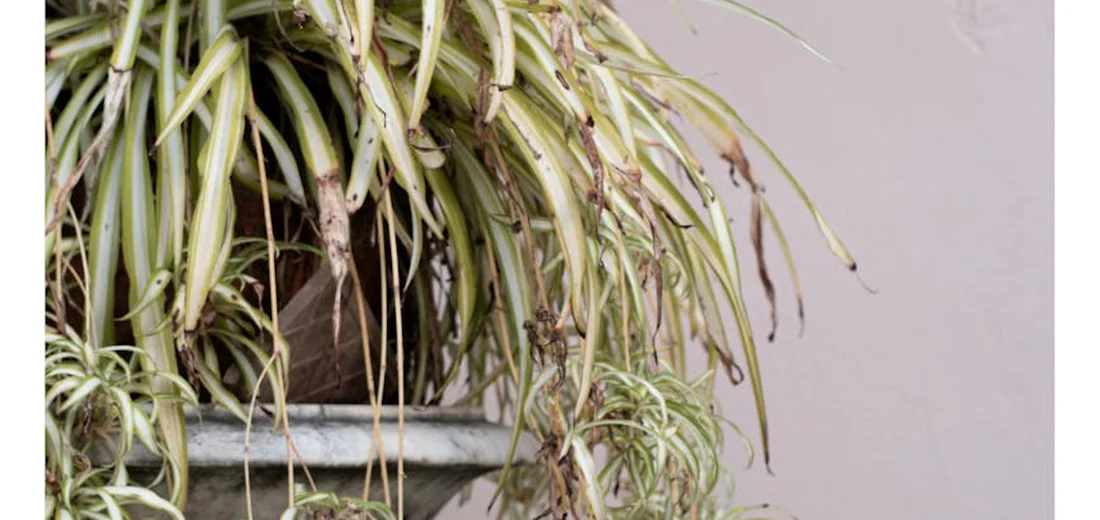
While all spider plants share similar care needs, their looks can vary dramatically. In my collection, the variegated types seem to be slightly more sensitive to direct sun and fluoride in water than the solid green varieties.
- Variegatum: This is the classic with green leaves and white edges. It’s the most common and a real showstopper when it trails.
- Vittatum: Features a bold white stripe down the center of each leaf. It tends to grow a bit slower than the others in my experience.
- Bonnie (Curly Spider Plant): Has beautifully curled, variegated leaves that give it a unique, compact look.
- Green (or ‘Hawaiian’): A solid, lush green variety that is exceptionally hardy and can tolerate slightly lower light levels.
Troubleshooting Spider Plant Problems
Yellowing Leaves and Overwatering
Seeing your spider plant’s leaves turn a sickly yellow is a classic cry for help, and in my experience, it’s almost always a water issue. Overwatering is the number one killer of houseplants, and spider plants are no exception.
- Cause: Soggy soil suffocates the roots, preventing them from absorbing nutrients and leading to rot. This stress shows up as yellow, often mushy, leaves.
- Immediate Solution: Stop watering immediately! Check the soil. If it’s wet and clumpy, gently remove the plant from its pot and inspect the roots. Healthy roots are firm and orange-ish. Rotten roots are brown, black, and slimy. Snip the bad ones away with clean scissors and repot into fresh, well-draining soil.
- Prevention: I learned this the hard way with my first spider plant. The best method is the “finger test”-stick your finger two inches into the soil; if it’s dry, it’s time to water. In winter, I sometimes go three weeks between waterings. Always use a pot with a drainage hole to let excess water escape.
Pests and Diseases
Spider plants are generally tough, but they can occasionally attract unwanted guests like spider mites. I’ve found that a quick, regular inspection of the leaves is the best defense.
- Common Pests: Spider mites are tiny and create fine webbing, while aphids are small green or black bugs that cluster on new growth. Mealybugs look like tiny bits of white cotton.
- Natural Remedies: For a light infestation, I take my plant to the sink and give the leaves a thorough shower, focusing on the undersides. For a more stubborn problem, I mix a teaspoon of mild liquid soap in a quart of water and spray the plant thoroughly, repeating every few days. Neem oil is another excellent, plant-safe option.
- Pet Safety: Here’s some great news for pet owners-the ASPCA lists spider plants as non-toxic to both cats and dogs. My cat loves to bat at the “spiderettes,” and I never have to worry.
Spider Plants vs. True Succulents: Key Differences
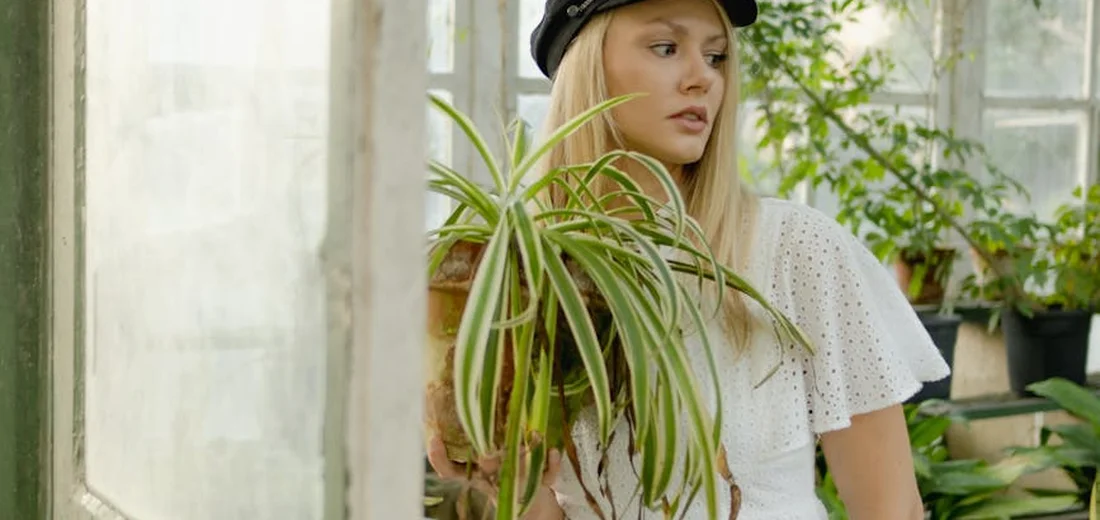
While they share a tolerance for some neglect, spider plants and true succulents like echeveria or jade plants are fundamentally different. Understanding these differences will make you a more confident plant parent. Curious about what exactly counts as a succulent? Our complete definition guide explains the traits and examples that define succulent plants.
- Water Storage: Succulents store water in their thick, fleshy leaves, allowing them to survive long droughts. Spider plants store a small amount of moisture in their tuberous roots, but their thin leaves wilt quickly when thirsty.
- Light Needs: Most succulents crave several hours of direct, bright sun daily. Spider plants prefer bright, indirect light and can get sunburned in direct afternoon sun, which is something my aloe vera would never do.
- Growth Habit: Succulents often grow in a tight rosette or upright form. Spider plants are known for their arching, grass-like leaves and their unique habit of sending out long runners (stolons) with baby plantlets.
- Soil Preference: Succulents need a gritty, extremely fast-draining mix, often with sand or perlite. Spider plants do well in a standard, well-draining potting mix and don’t need the same level of grittiness.
Is Your Plant a Succulent? A Quick Checklist
Ask yourself these questions to help identify a true succulent:
- Does it have thick, fleshy leaves or stems designed to hold water?
- Does it thrive in several hours of direct sunlight?
- Can it go for weeks without water and still look plump?
- Does it prefer a sandy, gritty soil mix that dries out very quickly?
If you answered “yes” to most of these, you likely have a succulent. If your plant has thin leaves, prefers indirect light, and shows thirst within a week or two, it’s probably not a succulent, just a resilient plant like the Chlorophytum comosum.
FAQs
Are spider plants succulents?
No, spider plants are not succulents, as they lack the thick, water-storing leaves typical of true succulents.
What soil is best for spider plants?
Use a well-draining potting mix, not the gritty soil designed for succulents, to prevent root rot.
How do you care for a spider plant?
Place it in bright, indirect light and water when the top inch of soil feels dry to avoid overwatering.
Where can I buy spider plants?
Spider plants are commonly sold at garden centers, online retailers, and plant nurseries.
Can spider plants be grown indoors?
Yes, spider plants thrive indoors with average room humidity and indirect sunlight.
How do you propagate spider plants?
Propagate by snipping off the baby spiderettes and planting them in soil or rooting them in water.
Your Spider Plant Care Cheat Sheet
In my experience, the biggest mistake is treating spider plants like succulents—they need consistent moisture and indirect light to truly thrive. Do succulents need to thrive too—and they typically do best with bright light and a dry-between-water schedule. Focus on these core habits to avoid common pitfalls and see vibrant growth.
- Water thoroughly when the top inch of soil feels dry
- Provide bright, filtered light away from direct sun
- Use well-draining soil to prevent root rot
Stick with Hardy House Plants for more friendly plant advice that’s easy to follow. You’ve got this-spider plants are wonderfully resilient and will reward your care with plenty of cheerful green shoots.
Further Reading & Sources
- How to Care for Spider Plant – Succulents Box
- How to Grow and Care for Bonnie Curly Spider Plant – Succulents Box
- Chlorophytum comosum ‘Spider Plant’
- Shop Succulents Spider Plant Hanging Live Indoor Plant, Easy Care Trailing Houseplant in 4 in. Grower Pot 1-SPIDER-4 – The Home Depot
Lena Greenfield is a passionate horticulturist and plant care expert with over 10 years of experience cultivating and nurturing hardy house plants. With a deep understanding of both indoor and outdoor gardening, Lena shares practical advice on choosing, caring for, and maintaining resilient plants that flourish year-round. Through her knowledge and hands-on approach, Lena helps plant lovers transform their spaces into vibrant, green sanctuaries, no matter their gardening experience.
Types of Succulents