
Why Do Succulents Lose Leaves and How to Prevent It?
Published on: February 21, 2026 | Last Updated: February 21, 2026
Written By: Lena Greenfield
If you’ve noticed your succulent dropping leaves, you might be wondering if it’s a normal part of growth or a sign of trouble. As someone who has nurtured dozens of succulents over the years, I can assure you that leaf loss is common and often fixable with a few simple adjustments.
In this guide, I’ll draw from my own gardening trials to explain common causes, prevention steps, and my personal quick fixes so you can confidently care for your plants.
Top Reasons for Succulent Leaf Shedding
Overwatering and Root Rot
This is the number one killer of succulents, and I’ve sadly learned this lesson the hard way with a beautiful jade plant. Overwatering suffocates the roots, turning them into a mushy, brown mess that can’t absorb water or nutrients. The plant responds by sacrificially dropping plump, often yellowing or translucent leaves from the bottom up. If the soil feels damp or smells musty days after watering, you’ve found your culprit.
Not Enough Water
While they’re drought-tolerant, succulents aren’t cacti and still need a drink! Underwatering causes the plant to consume its own water reserves, leading to leaves that wrinkle, thin out, and eventually drop off. These fallen leaves will feel crispy and dry, not mushy. I see this often when people are so scared of overwatering that they forget to water at all for months.
Insufficient Light (Etiolation)
Succulents crave bright light to maintain their compact, beautiful shapes. Without enough sun, they stretch out desperately, a process called etiolation, and their lower leaves often yellow and drop to fuel this awkward growth. The plant becomes leggy and weak, with large gaps between leaves. If your succulent is leaning heavily toward a window, it’s begging for more light. That’s why succulents get leggy in the first place. The fix is to provide bright, consistent light and rotate the plant to encourage compact growth.
Pest Infestations
Tiny bugs like mealybugs (they look like little bits of cotton) or scale can sneak in and wreak havoc. These pests suck the sap directly from leaves and stems, causing unexpected leaf drop and a general decline in health. I always quarantine new plants for a few weeks after finding a mealybug outbreak that spread to my collection. Check the nooks and crannies of your plant, especially where leaves meet the stem.
Temperature Stress and Cold Damage
Most popular succulents are not cold-hardy. A sudden cold draft from a window in winter or temperatures dipping below 50°F (10°C) can shock the plant, causing leaves to become soft, discolored, and fall off. Conversely, a succulent pressed against a hot summer windowpane can get scorched. They prefer stable, comfortable room temperatures, preferably within their optimal temperature range.
Being Rootbound
When a succulent completely fills its pot, it has nowhere left to grow. A severely rootbound plant can’t take up water or nutrients effectively, which stresses the entire system and often leads to leaf loss. You might notice roots growing out of the drainage hole, or the pot dries out incredibly fast after watering. It’s the plant’s way of saying, “I need a bigger home!”
How to Diagnose Your Leaf-Dropping Succulent
Step 1: Examine the Fallen Leaves
Pick up a leaf that has dropped. What does it feel like? The texture of the fallen leaf is your biggest clue: squishy and translucent points to overwatering, while crispy and papery points to thirst. If the leaf is discolored with strange marks or has tiny bugs on it, you’re likely dealing with pests or disease.
Step 2: Check the Soil and Roots
This is where you get the real story. Gently remove the plant from its pot. Healthy roots are firm and white or light tan, while rotten roots are mushy, dark, and often smell bad. Poke the soil-if it’s soggy, you need to change your watering habits and the soil mix. If it’s bone-dry and pulling away from the edges of the pot, your plant is parched.
Step 3: Assess Light and Location
Take a step back and look at your plant’s spot. Is it getting at least 6 hours of bright, indirect light daily, or is it stuck in a dark corner stretching for the sun? Feel for cold drafts from windows or doors, or excessive heat from vents. Sometimes, the simplest fix is just moving your plant to a happier location. If you notice pale, leggy growth or scorched brown tips, that’s a sign of light trouble—identify the issue and fix it by adjusting light exposure or rotating the plant to balance light from all sides.
Quick Tip: If your plant is dropping leaves from the bottom while growing well on top, it’s often just natural, healthy shedding and nothing to worry about!
Immediate Actions to Stop Leaf Loss
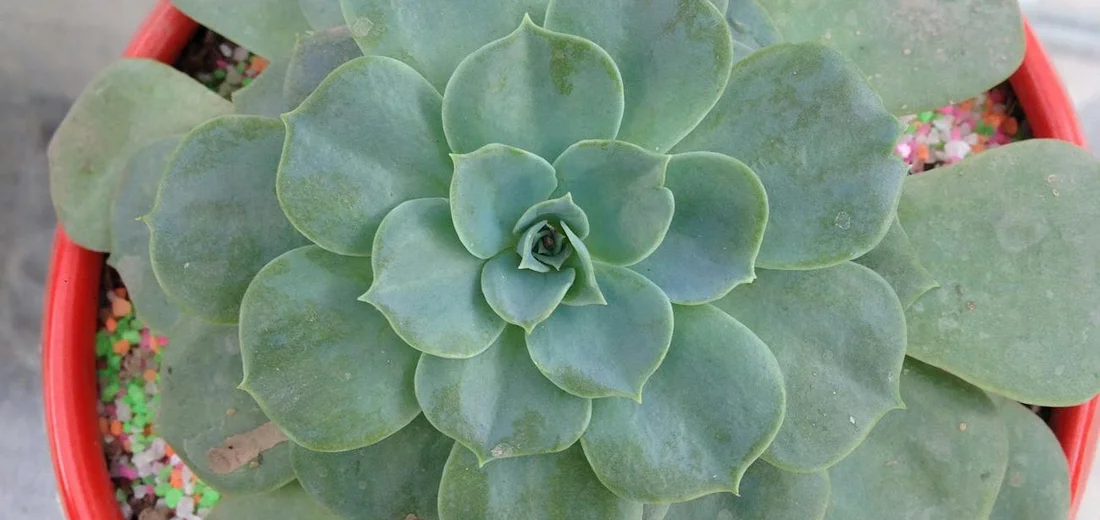
Rescuing an Overwatered Succulent
When you see mushy, translucent leaves falling off, it’s a classic sign of overwatering. I’ve rescued many plants from this soggy fate. Your first step is to stop all watering immediately and get that plant out of its pot. Gently remove as much of the wet soil as you can from the roots. Let the root ball sit out on a paper towel in a warm, airy spot for a day or two to dry. This feels drastic, but it gives the roots a chance to breathe. If you find any black or slimy roots, snip them off with clean scissors. Repot the plant into fresh, completely dry, gritty succulent soil and don’t water it for at least a week.
Reviving a Thirsty Succulent
A succulent dropping dry, crispy leaves is crying out for a drink. The leaves will often feel thin and wrinkled, like paper. The key here is to give it a thorough, deep watering, not just a timid sprinkle. I take my thirsty plants to the sink and soak the soil until water runs freely out of the drainage hole. Let it drain completely before putting it back in its decorative pot. You should see the leaves plump up again within a few days. If the soil has become hard and compacted and repels water, you might need to bottom-water it by placing the pot in a tray of water for about 30 minutes.
Addressing a Pest Problem
If you see tiny bugs, webbing, or sticky residue, you’ve got uninvited guests. Mealybugs are a common culprit in my collection. Isolate the infected plant right away to keep the pests from spreading to your other green friends. For a small infestation, I dip a cotton swab in rubbing alcohol and dab it directly on every bug I see. For a larger problem, mix a few drops of mild dish soap in a spray bottle with water and thoroughly spray the plant, getting into all the nooks and crannies. Repeat this treatment every few days until the pests are gone. Always check the undersides of leaves-that’s where they love to hide.
Adjusting Light and Temperature
Succulents dropping leaves can also be a reaction to their environment. Seasonal stress signs—such as unexpected leaf drop or color changes—show when conditions are changing. Respond quickly by adjusting light and temperature to help succulents weather the season. If a plant isn’t getting enough light, it might drop lower leaves to conserve energy for new growth. Move a light-starved succulent gradually to a brighter spot to avoid sunburn. A south or east-facing window is usually perfect. Conversely, if a plant is right against a hot window in summer or a cold draft in winter, it can go into shock and drop leaves. Find a spot with stable, comfortable room temperatures, away from direct blasts from heaters or air conditioners.
Preventing Future Leaf Drop
Mastering Your Watering Schedule
The single best thing you can do for your succulents is to nail the watering. I never water on a strict schedule. I always test the soil first by sticking my finger an inch or two into the pot-if it’s dry, it’s time to water. For small pots, I wait until the soil is completely dry. With small mini succulents, that can mean you water mini succulents more often in those tiny pots. Just keep an eye on moisture. For larger pots, I wait until it’s mostly dry. When you do water, make it count. Soak the soil thoroughly until water drains out the bottom, then let it dry out completely again. This “soak and dry” method mimics the natural desert rains they love.
Choosing the Right Soil and Pot
Regular potting soil holds too much moisture and is a death sentence for succulent roots. You need a fast-draining mix. I always use a gritty, specially formulated succulent and cactus mix, and sometimes I even add extra perlite or pumice to it for better drainage. Your pot choice is just as important. Always, always use a pot with a drainage hole. Terra cotta pots are my favorite because they are porous and allow the soil to dry out faster than plastic or ceramic pots, giving you a wider margin for error.
Providing Ideal Light and Air Circulation
Succulents need bright light to stay compact and healthy. Most of my happiest succulents live in a south-facing window where they get several hours of direct sun. If you don’t have a sunny window, a grow light is a fantastic investment. Good air circulation is also crucial—it helps prevent pests and fungal issues. Don’t cram your plants too close together. A small oscillating fan on a low setting in the room can work wonders, especially in more humid climates, to keep the air moving around your plants. Equally important is the role of light and airflow in preventing succulent diseases. Bright, steady light keeps growth compact and leaves dry, while good airflow speeds evaporation and reduces fungal problems.
When and How to Repot
Repotting is stressful for a plant, so you only want to do it when necessary. I repot my succulents when they have clearly outgrown their pot or the soil has broken down and become compacted. The best time to repot is at the start of their active growing season, usually in the spring. When you repot, gently loosen the root ball and shake off the old soil. Place it in a new pot that is only slightly larger than the old one-a pot that’s too big holds excess soil that stays wet for too long. After repotting, wait about a week before you water to allow any disturbed roots to heal. Knowing when to repot and change the soil is crucial for succulent health.
Common Questions
Why is my succulent losing leaves after watering?
This is a classic sign of overwatering, which can lead to root rot.
Is it normal for a succulent to lose leaves from the bottom?
Yes, this is often natural shedding as the plant grows and matures.
Why is my succulent losing leaves in the winter?
This is typically due to cooler temperatures and reduced sunlight, which slows the plant’s growth.
Why is my succulent losing leaves after repotting?
Some leaf loss is a normal stress response as the plant adjusts to its new environment and recovers from root disturbance.
My succulent is losing leaves from the bottom after repotting, is this okay?
This is common as the plant redirects energy to establishing new roots in the fresh soil.
Why is my succulent losing leaves in winter after I repotted it?
The combination of repotting stress and the plant’s natural winter dormancy can cause increased leaf drop.
Your Succulent Success Blueprint
In my years of nurturing succulents, I’ve found that preventing leaf loss hinges on nailing the basics of watering, light, and pest management. Stick to a simple routine, and your plants will reward you with robust growth and fewer dropped leaves. It’s all about understanding the fundamentals of what succulents need to thrive.
- Water only when the soil is completely dry to avoid root rot.
- Place succulents in bright, indirect light to prevent sun stress or stretching.
- Check for pests like aphids regularly and wipe leaves with a damp cloth.
Keep exploring more tips on Hardy House Plants at www.hardyhouseplants.com to build your plant care confidence. Don’t fret over the occasional leaf-it’s a normal part of growth, and you’re already on the right track!
Further Reading & Sources
- Why Are Leaves Falling Off My Succulent? – Ottershaw Cacti | Ottershaw Cacti
- Why are my succulent leaves falling off? How To Fix It? | THE NEXT GARDENER – Thenextgardener
- 5 Succulent Care Tips – Prevent Succulent Leaves Falling Off
- 🌱 Causes of Dropping Succulent Leaves | HOJNY Succulents
Lena Greenfield is a passionate horticulturist and plant care expert with over 10 years of experience cultivating and nurturing hardy house plants. With a deep understanding of both indoor and outdoor gardening, Lena shares practical advice on choosing, caring for, and maintaining resilient plants that flourish year-round. Through her knowledge and hands-on approach, Lena helps plant lovers transform their spaces into vibrant, green sanctuaries, no matter their gardening experience.
Stress Symptoms