
How Much Do Succulent Plants and Arrangements Cost?
Published on: February 11, 2026 | Last Updated: February 11, 2026
Written By: Lena Greenfield
Succulent plants can cost as little as $2 for a small single plant or soar past $150 for elaborate, custom arrangements. You might worry that adding these low-maintenance beauties to your home will strain your wallet, but I’ve found that with a bit of know-how, you can enjoy them without overspending.
Drawing from my years of cultivating and buying succulents, I’ll walk you through factors influencing price, typical cost ranges for singles and arrangements, smart shopping spots, and budget-friendly DIY ideas.
Understanding Succulent Plant Price Ranges
When I first started collecting, I was shocked by the price differences. A single succulent can cost anywhere from a couple of dollars to over a hundred, and it all boils down to size, rarity, and maturity. Let’s break down what you can realistically expect to pay.
Mini and Small Succulent Prices
This is where most of us begin our plant journey. These are the cute, common varieties you see in 2-inch pots.
- Common Varieties (Echeveria, Aloe, Haworthia): $2 to $5 per plant. I often pick these up from my local garden center for quick projects.
- Less Common Types (String of Pearls, certain Crassulas): $5 to $12. Their unique growth habit or color makes them a bit pricier.
- Rare Finds (Variegated or Crested forms): $15 to $30+. I once paid $25 for a tiny, variegated String of Hearts cutting, and it was worth every penny for its unique look.
Quick Tip: Always check for pests! A cheap plant with mealybugs can infest your entire collection, costing you more in the long run. To safeguard your collection, create a comprehensive pest prevention strategy that includes regular inspections, quarantining new plants, and timely treatments. Implementing a plan helps you catch issues early and protect every plant in your collection.
Large and Mature Succulent Prices
Large succulents are an investment. They’ve been cared for over many years to achieve their impressive size and form. If you’re looking to make succulents grow bigger and plump, focus on bright light and careful, deep watering. A well-draining soil mix and light feeding can support healthy, fuller growth.
- Established Common Plants (Large Jade, Agave): $20 to $60. A big, beautiful Jade plant can become a stunning focal point in a room.
- Mature Rare Specimens (Old Man Cactus, large Euphorbia): $75 to $150. Their age and sculptural quality command a higher price.
- Extremely Rare or Collector’s Plants: $200 and up. I’ve seen massive, pristine Ariocarpus specimens sell for hundreds of dollars at specialty shows.
You’re not just paying for the plant itself, but for the years of dedicated care and patience it took to grow it. A large, mature succulent provides instant impact and a sense of established beauty that a small plant can’t match. Their popularity comes from benefits like easy care, striking shapes, and versatility in décor, as discussed in this article on Their popularity comes from benefits. No wonder they’re loved by beginners and urban dwellers alike.
Breaking Down Succulent Arrangement Pricing
An arrangement is more than the sum of its parts. The cost here factors in the plants, the container, soil, and, most importantly, the artistic labor involved. I’ve made dozens of my own and have also purchased professional ones.
Basic Potted Arrangement Cost
Think of these as the ready-made bouquets of the succulent world. They are beautiful, accessible, and great for gifts.
- Small Dish Garden (4-6 small plants): $15 to $35. This is a fantastic, budget-friendly way to get a variety of textures and colors.
- Medium Mixed Planter (6-10 plants): $35 to $75. These often feature a more thoughtful design with a “thriller, filler, spiller” layout.
- Large Statement Bowl (10+ plants): $75 to $150. Perfect for a centerpiece, these arrangements make a bold impression.
The container itself is a huge part of the cost. A basic plastic pot keeps the price low, while a handmade ceramic pot will increase it significantly.
Custom and Designer Arrangement Price
This is where you pay for a unique piece of living art. I commissioned one for my wedding, and the process was incredible.
- Custom Design Labor: A florist or succulent artist charges for their time and expertise, typically adding $50 to $100+ on top of material costs.
- Specialty Plants and Containers: Using rare succulents or a specific, high-end pot (like a vintage planter) can easily double the price.
- Themed or Complex Designs: For something like a succulent wreath or a vertical wall garden, expect to pay $150 to $500+, depending on size and complexity.
A custom arrangement is a collaborative process where you get exactly what you envision. You’re investing in a one-of-a-kind creation that reflects your personal style, which is a beautiful thing.
Key Factors That Influence Succulent Cost
Plant Rarity and Variety
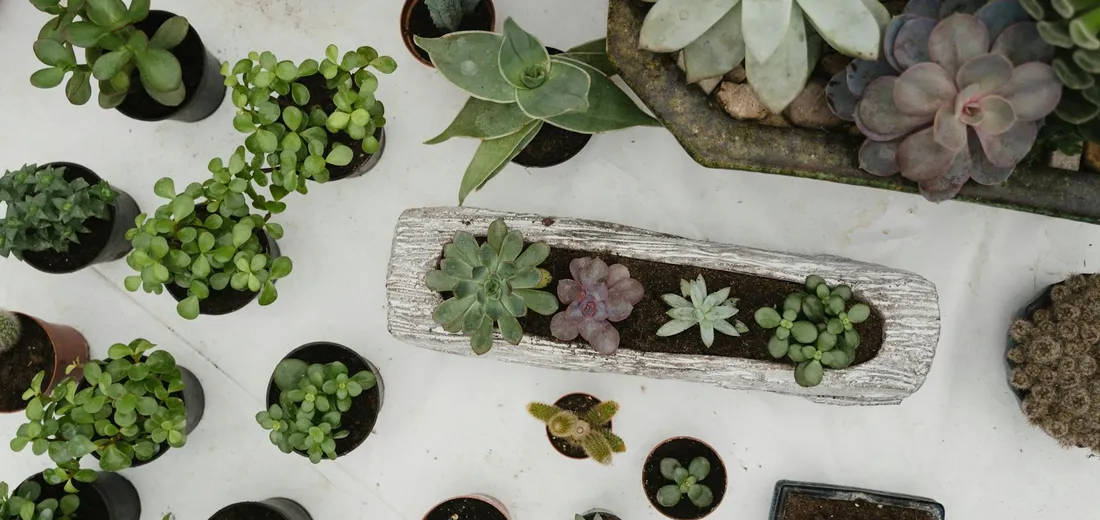
In my years of collecting, I’ve learned that a common Haworthia might only set you back a few dollars, while a rare, variegated one can feel like a small treasure hunt for your wallet. The more unique the succulent-think odd shapes, stunning color patterns, or slow growth rates-the higher the price tag tends to be. I once paid significantly more for an Echeveria ‘Lola’ with a perfect rosette than I did for a simple Jade plant, and the difference was all in the visual appeal and cultivation time.
Hybrids and cultivars developed by specialized growers also command premium prices. You’re not just paying for the plant; you’re paying for the years of careful breeding and selection that went into creating it. I always tell new enthusiasts to start with more common, forgiving varieties. They’re just as rewarding and let you learn the ropes without a major financial commitment if something goes wrong.
Container and Potting Materials
Never underestimate the cost of the pot! A simple plastic nursery pot keeps the initial price low, but the moment you choose a decorative container, the price can double or even triple. The container is often the hidden cost that surprises people the most when they fall in love with a pre-made arrangement. From my own shelf, I have arrangements in basic terracotta that were very affordable, and others in hand-painted, glazed ceramic that were a much bigger investment.
Here’s a quick breakdown of common container types and their general impact on cost:
- Basic Plastic or Terracotta: The most budget-friendly option. Excellent for drainage and great for beginners.
- Glazed Ceramic: More expensive, adds significant weight and style. Ensure it has a drainage hole!
- Concrete or Stone: A premium, modern look that comes with a premium price and substantial weight.
- Glass Terrariums: While beautiful, they can be tricky for succulents due to poor airflow. Their cost is often in the design, not plant health.
The potting mix matters, too. A bag of specialized succulent and cactus soil is a must for healthy roots and is a cost you’ll need to factor in for repotting. When choosing a mix, you might wonder if the best soil differs by succulent type. While most succulents prefer well-draining blends, some species benefit from a touch of organic matter or specific minerals.
Where to Buy: Comparing Local and Online Prices
Local Retailer and Nursery Pricing
Walking into a local garden center or nursery is my preferred method for buying common succulents. The biggest advantage of buying local is that you can personally inspect each plant for pests, damage, and overall health before you buy. I’ve saved myself from bringing home mealybugs more than once by giving a plant a close look in the store. It’s especially important when buying real succulents, as opposed to artificial ones.
Prices at big-box stores are generally the lowest for standard varieties, often ranging from $2 to $10 for a 2- or 4-inch pot. Independent nurseries might charge a bit more, but you’re paying for expert care and often a wider selection of unusual plants. I’ve found some of my favorite, healthiest succulents at a small family-owned nursery, and the advice from the staff was worth the slightly higher price. If you’re after rare Korean succulents, you can also explore reputable online nurseries that specialize in Korean varieties. They often offer online catalogs and careful shipping to buyers.
Online Retailer Pricing and Shipping Cost
Online shopping opens up a world of rare and exotic succulents you’d never find locally. Buying succulents online is fantastic for variety, but you must be a savvy shopper and read the shipping policies carefully. I’ve had great experiences ordering from specialized succulent shops, where plants arrive carefully wrapped and bare-root (without soil) to prevent rot during transit. If you’re wondering where to buy succulent plants, our complete shopping guide covers reputable sellers, what to look for, and shipping considerations. It’s a handy resource to navigate the market and get healthy, well-packaged plants.
The base price of the plant online can be very competitive, but shipping is the critical factor. Here’s what to expect:
- Shipping costs can range from $5 to $15 or more, depending on the size of your order and the speed of delivery.
- Many sellers offer flat-rate shipping or free shipping on orders over a certain amount, which makes buying multiple plants at once more economical.
- Always check reviews to see how other customers’ plants arrived. A reputable seller will have a clear policy on resolving any shipping damage.
My quick tip: if you see a plant you love online, compare the total cost (plant price + shipping) to what you might find locally. Sometimes, even with shipping, a rare find is worth it!
Calculating the Cost of a DIY Succulent Project
Planning a DIY succulent project is exciting, but the costs can surprise you if you don’t plan ahead. I’ve found that creating a simple budget before you even step into a garden center is the single best way to control your spending. Let’s break down what you’re really paying for.
What You’ll Need to Buy
Your total cost isn’t just the plants. You’re building a small ecosystem, and every part has a price tag.
- Plants: This is your main variable. A common Echeveria might cost $3-$5, while a large, mature Jade plant could be $15-$25.
- Container/Pot: This is where costs can skyrocket. A simple terracotta pot is $2-$5. A decorative ceramic or concrete planter can easily be $15-$40.
- Potting Mix: Don’t use regular garden soil! A small bag of specialized succulent and cactus mix is typically $5-$8 and lasts for several projects.
- Tools & Extras: Trowel, gloves, and decorative top dressing like pebbles or moss. Budget around $10-$15 for these basics if you don’t own them.
A Real-World Cost Example
Let’s imagine you’re making a medium-sized table centerpiece.
- One 6-inch ceramic bowl: $18
- Five assorted small succulents: $15 ($3 each)
- One bag of succulent soil: $6
- Bag of decorative stones: $4
Your total project cost would be around $43. Seeing it laid out like this helps you decide where to save-maybe you choose a less expensive pot to afford a more unique succulent.
Finding Budget Succulents and Wholesale Prices
You don’t need to break the bank to build a beautiful collection. Some of my favorite and healthiest plants came from budget-friendly sources I almost overlooked. With a little clever shopping, you can fill your home for less.
My Go-To Spots for Affordable Plants
Skip the fancy boutique shops for your everyday finds. Here is where I have the most luck:
- Local Nurseries & Garden Centers: They often have a “rescue” or clearance section with slightly imperfect plants for a deep discount. I’ve found $10 plants for $2.
- Big-Box Stores (Home Depot, Lowe’s, Walmart): These are fantastic for common varieties. I frequently see small 2-inch pots for $2-$4. Check them for pests, as the plants can be stressed.
- Farmers’ Markets: Local growers sometimes sell succulent cuttings or small pots at great prices. You get a unique plant and support a small business.
- Online Marketplaces (Etsy, Facebook): Search for “succulent cuttings” or “rooted succulent plugs.” You can buy in bulk for a fraction of the cost of a mature plant.
When Buying Wholesale Makes Sense
Wholesale is for when you’re planning a very large project, like wedding centerpieces, or you’re a serious collector.
Wholesale prices often require a minimum purchase, like $100 or more, but the per-plant cost drops dramatically. A plant that retails for $5 might be $1.50 when bought in a case of 36. Look for local wholesale nurseries that sometimes sell to the public on specific days, or use reputable online wholesalers. This is how I sourced plants for my sister’s wedding, and we saved hundreds.
Quick Tip: Join a local succulent club or online swap group. Enthusiasts are often drowning in propagated babies and are happy to give them away or trade for free!
FAQs
How much do succulents typically cost at Lowe’s in Houston, Texas?
At Lowe’s in Houston, small 2-inch succulents usually cost between $2 and $4 each.
What is the average price per succulent in arrangements at Houston Lowe’s?
In pre-made arrangements at Houston Lowe’s, the cost per succulent averages around $3 to $6 depending on the design. However, Korean succulents tend to be pricier due to their unique qualities and rarity.
Are succulents more expensive in Houston compared to other Texas cities?
Succulent prices in Houston are generally similar to other major Texas cities, with slight variations based on local demand and store promotions.
Does Lowe’s in Houston offer seasonal discounts on succulents?
Yes, Lowe’s in Houston often has seasonal sales, especially during spring and holiday periods, reducing prices by 10-20%.
Can I find rare succulents at Lowe’s in Houston, and what do they cost?
Rare succulents are uncommon at Houston Lowe’s, but if available, they may cost $8 to $15 due to limited stock.
How does the cost per succulent at Houston Lowe’s compare to local nurseries?
Succulents at Houston Lowe’s are often cheaper per plant than at local nurseries, which may charge more for specialized care and varieties. To help you make the most of your new plants, we offer essential succulent care guides for specific varieties. These guides tailor care to each plant’s needs, covering sun exposure, watering, soil, and common pests.
Your Succulent Spending Simplified
From my experience, the cost of succulents boils down to plant type and where you shop, but you can always grow a stunning collection on any budget. If you’re stocking a larger collection, look for bulk suppliers or garden centers that offer bulk pricing. This can help you maximize variety without blowing your budget. Here’s the core advice to remember:
- Pick common, hardy varieties for lower prices.
- Check local nurseries and online sellers for deals.
- Build your own arrangements to save money and add a personal touch.
I regularly share more insights like this on Hardy House Plants, so follow along for fresh, easy-to-follow guidance. Don’t stress-with these tips, your succulent journey will be affordable, fun, and deeply rewarding.
Further Reading & Sources
- Succulent Gifts & Arrangements For Sale [Free Delivery]
- Amazon.com: Live Succulent Arrangements
- r/succulents on Reddit: Pricing for my arrangements?
- Succulents & Plants | Plant Delivery Arizona
Lena Greenfield is a passionate horticulturist and plant care expert with over 10 years of experience cultivating and nurturing hardy house plants. With a deep understanding of both indoor and outdoor gardening, Lena shares practical advice on choosing, caring for, and maintaining resilient plants that flourish year-round. Through her knowledge and hands-on approach, Lena helps plant lovers transform their spaces into vibrant, green sanctuaries, no matter their gardening experience.
Types of Succulents