
How Long Do Snake Plants Live and When Do They Flower?
Published on: April 14, 2026 | Last Updated: April 14, 2026
Written By: Lena Greenfield
You’re probably wondering just how long your resilient snake plant will stick around, and if you’ll ever get to see its elusive flowers. These are two of the most common questions I get from fellow plant lovers, and I’m happy to share what I’ve learned from years of growing these fantastic plants.
In this guide, I’ll walk you through their impressive lifespan, the secret to triggering flowers, my personal care tips for longevity, and what to do if your plant seems to be struggling.
Understanding Snake Plant Lifespan
In my own home, I have a Snake Plant that’s been with me for nearly a decade, and it’s still pushing out new, vibrant spears. With proper care, these resilient plants can easily live for 20 to 25 years, and many dedicated plant parents report specimens thriving for even longer. They are truly the tortoises of the houseplant world-slow, steady, and built to last.
Their incredible longevity boils down to a few key factors that I’ve observed over the years.
Key Factors for a Long, Healthy Life
- Light is Your Lever: While they survive in low light, they truly flourish and grow faster in bright, indirect light. I’ve seen my plants in a sunny (but not scorching) window develop a much more robust root system and sturdier leaves.
- The “Soak and Dry” Method is Non-Negotiable: Overwatering is the #1 killer. I always wait until the soil is completely dry all the way to the bottom of the pot before giving mine a thorough drink. In winter, this can mean watering only once a month.
- Don’t Be Afraid of a Tight Squeeze: Snake Plants prefer to be slightly root-bound. I only repot mine every 3 to 5 years, or when I see roots starting to poke out of the drainage holes. A pot that’s too large holds excess moisture, which can lead to root rot.
- They Thrive on Neglect: Seriously! Forget to water for a few weeks? No problem. They store water in their thick leaves. The most common mistake I see is loving them a little too much with the watering can.
The Flowering Event in Snake Plants
Seeing a Snake Plant flower is a special treat, like a quiet nod of approval from your plant. I’ve only been lucky enough to experience this twice. Snake plants originate in dry regions of Africa and Asia. Their drought-tolerant heritage is why they can surprise you with a flower even indoors. The flowers are delicate, creamy-white or greenish spikes that grow on a long stalk, and they release a powerful, sweet fragrance at night to attract pollinators.
It’s a beautiful sight, but it’s important to know that flowering is often a sign of stress.
Why and When Do They Flower?
Unlike many plants that flower on a set schedule, Snake Plants tend to bloom when they feel their survival is threatened. Think of it as a final, glorious effort to reproduce.
- Being Root-Bound is the Biggest Trigger: When the plant has completely filled its pot and has nowhere else to grow, it may send up a flower spike. This is the most common reason I’ve seen for blooming.
- A Bit of “Good” Stress from Light: Receiving plenty of bright light, even a few hours of direct morning sun, can encourage this survival response.
- Maturity Matters: A very young plant is unlikely to flower. They typically need to be several years old before they have the energy reserves for such a show.
Quick Tip: Don’t try to force your plant to flower by starving it of water-this can do more harm than good. Just provide consistent, good care and be pleasantly surprised if it happens!
What Happens After the Bloom?
The flowering process takes a lot of energy. After the blooms fade and the stalk dies back, you can simply cut it off at the soil line. The main plant will continue to grow, and you might even notice a new “pup” or offset growing from the base, which is its way of continuing its legacy. The plant itself is not dying; it’s just finished a major life event.
Optimal Care for Maximizing Lifespan and Encouraging Flowers
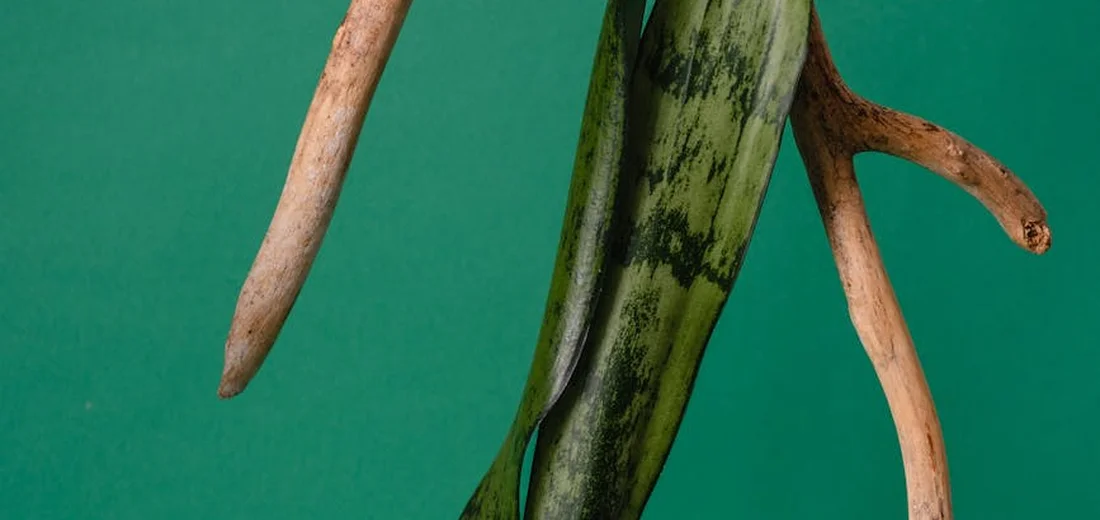
Getting a snake plant to flower is a special event, and it all comes down to mimicking its ideal, slightly stressful natural conditions. I’ve found that mature snake plants often bloom when they are a little bit root-bound and receive plenty of bright, indirect light. It’s their way of ensuring their legacy continues before they perceive their space is running out.
Light is the single most important factor for triggering flowers. While these plants survive in low light, they truly thrive and consider blooming in brighter spots. Some snake plant varieties are notably tolerant of low light, making them good choices for dim rooms. Varieties such as Sansevieria trifasciata ‘Moonshine’ or ‘Laurentii’ are often recommended for low-light setups. Place your snake plant near an east-facing window where it gets a few hours of gentle morning sun. This provides the energy boost it needs without the risk of leaf scorch from intense afternoon rays.
My Flowering Success Routine
This is the simple routine that has worked for me to encourage blooms on my oldest snake plant:
- Water deeply, but only when the soil is completely dry all the way to the bottom of the pot.
- Use a balanced, diluted liquid fertilizer once in early spring and once in mid-summer.
- Leave the plant in its pot until the roots are visibly filling the container.
- Provide consistent temperatures, avoiding cold drafts from windows or heating vents.
It’s a game of patience. Don’t be discouraged if your plant doesn’t flower for many years; this is completely normal and doesn’t reflect on your care. A healthy, green, and growing snake plant is always a success, whether it flowers or not. If you think your snake plant might be dying, look for signs like drooping or yellowing leaves, or soft spots. You can often revive it by adjusting watering and light, and repotting in well-draining soil if needed.
Propagation and Repotting for Long-Term Health
Propagating your snake plant is like giving it immortality. I love doing this because it’s incredibly easy and lets you share plants with friends or fill your home with more greenery. The best time to propagate or repot is in the spring or early summer, when the plant is entering its active growth phase. This gives the new divisions or cuttings the best chance to establish themselves quickly.
Simple Division Method
This is my preferred method for mature plants that have outgrown their pots.
- Gently remove the entire plant from its pot.
- Locate a natural separation in the root ball-look for a clump of leaves with its own root system.
- Using your hands or a clean, sharp knife, gently tease or cut this section away from the main plant.
- Pot this new division in fresh, well-draining succulent soil.
You now have a brand new plant that is a genetic clone of the parent and will carry on its long life. Division is the fastest way to get a sizable new plant and it helps rejuvenate an overcrowded parent.
Leaf Cuttings in Water or Soil
You can also grow new plants from a single leaf. Here’s how I do it:
- Cut a healthy leaf into 3-4 inch segments.
- Make a mental note of which end was closest to the soil-this is the end you’ll plant.
- Let the cut ends dry and form a callus for a day or two to prevent rot.
- Stick the correct end into moist succulent soil or place it in a glass of water.
If you use the water method, change the water weekly to keep it fresh. New roots and a tiny pup (baby plant) will sprout from the buried end in a few weeks. Be aware that if you propagate a variegated snake plant from a leaf cutting, the new plant might revert to all-green leaves.
When and How to Repot
Snake plants enjoy being snug in their pots, so you only need to repot every 3 to 6 years. Repotting too often can actually stress them and delay flowering. When it comes to timing, rely on observable cues rather than a set schedule. The tell-tale signs it’s time are roots growing out of the drainage holes or the pot bulging and looking like it might crack.
When you do repot, only go up one pot size (about 1-2 inches wider in diameter). Choosing the right pot size is essential for healthy roots—stick to just one size bigger to avoid crowding and waterlogging. Use a heavy, stable pot like terra cotta or ceramic to prevent top-heavy plants from tipping over. Always use a fresh, fast-draining potting mix formulated for cacti and succulents to provide the perfect foundation for the next phase of its life.
Environmental Factors for Blooming and Longevity
Getting a snake plant to flower is a special event, and I’ve found it’s all about creating the right conditions. Think of blooming as the plant’s final, magnificent act in a particular pot, often triggered by being slightly root-bound and receiving the perfect amount of light. In my own collection, the one that surprised me with fragrant white blossoms was a plant I’d honestly neglected in a bright, sunny spot for years.
The Magic of Light Exposure
Light is the single most important ingredient for encouraging a snake plant to bloom. While they survive in low light, they truly thrive and consider flowering when they get plenty of bright, indirect sunlight. Regarding complete light requirements, snake plants do not need full sun; bright indirect light is typically enough to support blooming.
- Bright, Indirect Light: An east or west-facing window is ideal. The gentle morning or afternoon sun provides the energy boost needed without scorching the leaves.
- Avoid Deep Shade: A plant kept in a dark corner will focus all its energy on mere survival and will never gather the resources to produce a flower spike.
- A Hint of Direct Sun: A few hours of direct sun, especially the milder morning rays, can be the final nudge your plant needs. I’ve noticed the plants on my sunporch, which get dappled direct light, are the most likely candidates.
If you want to see flowers, try moving your snake plant to a brighter location for a season and observe the change in its growth and color.
The Role of Being Root Bound
This might sound counterintuitive, but a snake plant that is slightly crowded in its pot is a happy snake plant. When the roots fill the container, the plant feels a subtle stress that signals it’s time to reproduce. This mild root restriction encourages the plant to send up a flower stalk as its way of ensuring its legacy continues. Don’t be in a hurry to repot; let it get cozy in its home. If you’re aiming to make your snake plant grow faster, proven tips and techniques can help. For example, place it in bright, indirect light and water only when the soil dries out.
Watering and Fertilizing for Health
Your watering routine plays a huge role in the plant’s overall lifespan. Overwatering is the fastest way to kill a snake plant, leading to mushy, rotten leaves.
- Water deeply only when the soil is completely dry all the way to the bottom of the pot.
- In winter, you might only need to water once a month or even less.
- Use a balanced, diluted houseplant fertilizer during the spring and summer growing season. I feed mine just twice a year, and that’s plenty.
Neglect is often better than too much attention when it comes to watering these drought-tolerant champions.
Temperature and Seasonal Changes
Snake plants are sensitive to seasonal shifts, and a change in temperature can be a blooming trigger. They prefer consistent, warm temperatures but a slight drop at night, which mimics their natural environment, can signal the start of a growth cycle. Keep them away from cold drafts and heating vents, as sudden temperature swings cause more stress than productive growth. Knowing what temperature range snake plants can tolerate helps in maintaining optimal conditions.
Common Questions
How often should I water my snake plant?
Water only when the soil has completely dried out, which could be as infrequently as once a month.
What kind of light is best for a snake plant?
They thrive in bright, indirect light but can also tolerate lower light conditions.
Why are the leaves on my snake plant turning yellow?
Yellow leaves are most commonly a sign of overwatering and potentially root rot.
Does a snake plant die after it flowers?
No, the main plant continues to live and grow after the flower stalk dies back.
What is the best type of pot for a snake plant?
A heavy, stable pot with good drainage, like terra cotta or ceramic, is ideal to prevent tipping.
Can I use leaf cuttings to propagate a variegated snake plant?
Yes, but the new plantlet may lose its variegation and revert to solid green leaves.
Your Snake Plant’s Journey Ahead
With proper care, your snake plant can be a long-lasting companion that might even reward you with a rare bloom. Focus on these simple habits for a thriving plant: This is your complete indoor snake plant care guide, covering placement and maintenance to keep it healthy. From choosing the right spot to ongoing upkeep, you’ll learn how to care for it with ease.
- Water only when the soil is completely dry
- Place in bright, indirect light for best growth
- Use a well-draining potting mix to prevent root rot
I’ve nurtured snake plants for over a decade, and seeing one flower feels like a special nod from nature. Trust your instincts, observe your plant’s cues, and enjoy the quiet satisfaction of watching it grow steadily year after year.
Further Reading & Sources
- A Handy Guide to the Snake Plant (Dracaena trifasciata) to Care For It Like a Pro
- r/gardening on Reddit: World’s oldest snake plant? 54 years old
- Growth Rate of Snake Plant
- How Long Does a Snake Plant (Sansevieria) Live? – Simplify Gardening
Lena Greenfield is a passionate horticulturist and plant care expert with over 10 years of experience cultivating and nurturing hardy house plants. With a deep understanding of both indoor and outdoor gardening, Lena shares practical advice on choosing, caring for, and maintaining resilient plants that flourish year-round. Through her knowledge and hands-on approach, Lena helps plant lovers transform their spaces into vibrant, green sanctuaries, no matter their gardening experience.
Types of Succulents