
How to Choose Indoor Plants Based on Your Home’s Light Conditions
Published on: March 18, 2026 | Last Updated: March 18, 2026
Written By: Lena Greenfield
Are you unsure which indoor plants will survive and thrive in the specific light your home offers? You might worry that even with your best care, plants could wilt or die because of too much or too little sunlight.
Drawing from my years of nurturing indoor gardens, I’ll guide you through assessing your home’s light, matching plants to those conditions, and simple tips to keep them healthy.
Why Light is the Most Important Choice for Your Houseplants
I’ve killed my share of plants, and nine times out of ten, the culprit was light. Light is the engine of your plant; it’s what fuels every single process, from unfurling a new leaf to drawing water up through its roots. Giving a plant the wrong light is like trying to run a car on the wrong type of fuel-it might sputter along for a bit, but it will never truly thrive.
Plants in low light will stretch out awkwardly, becoming “leggy” as they desperately reach for any photon they can find. This weak, stretched growth makes them more susceptible to pests and disease. On the flip side, a low-light plant placed in a scorching south window will get sunburned, with leaves turning crispy, brown, or bleached. Getting the light right is the single most impactful thing you can do for a plant’s long-term health.
A Simple Guide to Reading Your Home’s Light Conditions
You don’t need fancy gadgets to understand the light in your home. Your own two eyes and a little bit of observation are the best tools you have. Let’s break it down into three simple steps.
-
Step 1: Identify your window directions (north, south, east, west).
Grab your phone’s compass app and figure out which way your windows face. This gives you the baseline for what kind of light you’re working with.
- South-facing windows are the sunniest spot in the house, offering several hours of intense, direct light. This is prime real estate for sun-worshippers like cacti, succulents, and fiddle leaf figs.
- East-facing windows provide gentle, direct morning sun. It’s bright but not harsh, making it perfect for many tropical plants like African Violets and Phalaenopsis Orchids that enjoy a soft start to the day.
- West-facing windows get the strong, hot afternoon sun. It can be intense, so plants here need to be tough, like Snake Plants or some types of succulents that can handle the heat.
- North-facing windows offer consistent, but low, indirect light all day. This is the spot for your low-light champions like the ZZ Plant, Pothos, and Peace Lily.
-
Step 2: Learn the light types: direct sun, bright indirect, medium, low.
Now, let’s translate those window directions into the language plants understand.

- Direct Sun: A spot where the sun’s rays directly hit the plant’s leaves, creating sharp, defined shadows. Think south and west windows.
- Bright Indirect Light: This is the sweet spot for most houseplants. The room is filled with bright light, but the sun’s rays never directly touch the plant. You can achieve this by placing a plant a few feet back from a south or west window, or right in an east-facing window.
- Medium Light: This is the area further back in a bright room or directly in a north-facing window. The light is decent, but shadows are soft and not well-defined.
- Low Light: These are the dimmer corners of a room, far from any windows. No plant truly grows in the dark, but low-light tolerant plants can survive here with very slow growth.
-
Step 3: Observe how light moves through your rooms at different times of day.
The final piece of the puzzle is watching the light dance. A spot that seems dim at 9 AM could be flooded with sun by 2 PM. Spend a lazy Saturday just noticing it.
- Where do the sunbeams land in the morning? At noon? In the late afternoon?
- How does the light change with the seasons? A north window in summer might get more light than the same window in the gray winter.
- Notice how furniture, trees, or buildings outside your window might filter or block the light.
Your personal observation is more valuable than any generic guide because it accounts for the unique character of your own home. This simple habit will save you from countless future plant disappointments.
The Best Indoor Plants for Low Light Corners
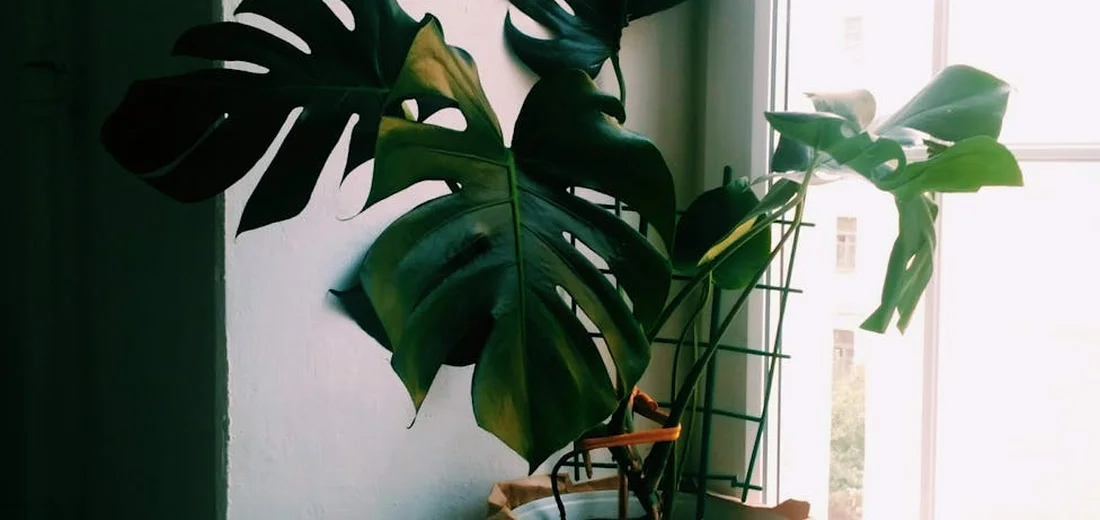
I’ve placed many plants in dim corners only to watch them struggle. The key to success is choosing varieties that naturally grow on forest floors, where they’ve adapted to thrive with minimal light. These champions don’t just survive; they genuinely prosper away from your windows.
- Snake Plant: My absolute top pick for a near-black thumb. I have one in a hallway that gets zero natural light, and it’s been happily pushing out new spears for two years. It stores water in its leaves, so you might only need to water it once a month. Forgetfulness is practically a requirement for this one.
- ZZ Plant: With its glossy, waxy leaves, the ZZ plant looks almost fake. I call it the “office plant” because it handles fluorescent lighting and neglect like a pro. Those thick stems (called rhizomes) act as little water reservoirs underground. Overwatering is the only real way to hurt a ZZ plant, so let the soil dry out completely between drinks.
- Pothos: This was my very first houseplant, and it’s a fantastic teacher. I’ve learned to read its leaves: when they start to droop, it’s thirsty. In low light, its growth will slow and the variegation (those pretty white or yellow streaks) may fade, but the plant itself will remain healthy and green. It’s incredibly forgiving.
- Peace Lily: This plant is a fantastic communicator. When it needs water, the entire plant dramatically droops. A good drink perks it right back up within hours. While it might not flower as profusely in low light, its deep green leaves will still look lush. I keep one in my bathroom, and it loves the occasional steam from the shower.
Bright Indirect Light: The Sweet Spot for Many Houseplants
Think of a spot a few feet away from a sunny south or east-facing window, where the sun’s rays never directly touch the leaves. This bright, filtered light is like a perfect spring day for most tropical houseplants-it provides all the energy they need without the risk of a sunburn. I’ve had the most success and the fastest growth with my plants in these conditions.
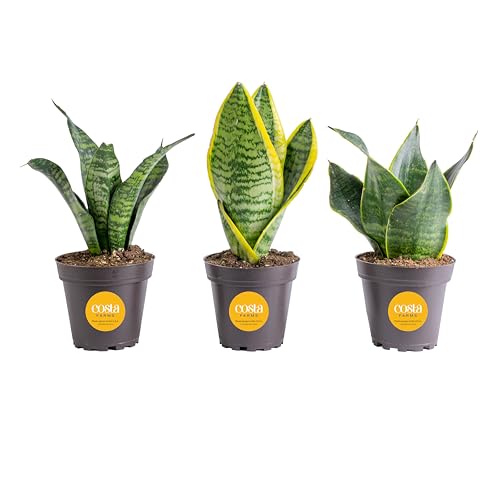
- Prayer Plant (Calathea): The movement of this plant is pure magic. Its leaves open during the day and fold up at night like praying hands. To keep those beautiful, painted-looking leaves vibrant, it needs consistent moisture and bright indirect light. Direct sun will quickly scorch and fade its intricate patterns.
- Rubber Tree: I have a large rubber tree that has nearly touched my ceiling. The secret was placing it in a bright room where it never got direct sun. In bright indirect light, you’ll see a new, tightly-wrapped leaf emerge from a sheath at the top every few weeks, which is incredibly satisfying to watch. Wipe its large leaves with a damp cloth every so often to keep them photosynthesizing efficiently.
- Philodendron: Whether you choose a vining or self-heading variety, philodendrons are growth machines in this light. My heartleaf philodendron has trails that are over six feet long! The light is bright enough to support this rapid growth but gentle enough to prevent the leaves from turning pale or yellow.
- String of Pearls This quirky succulent is a bit of a diva, but it thrives in a bright spot. I have mine hanging in an east-facing window where it gets gentle morning light. The “pearls” should feel firm to the touch; if they start to shrivel, it’s a cry for water. Give it a spot where the sun isn’t too harsh, or its delicate strands can get scorched.
Sun-Loving Plants for Your Brightest Windows
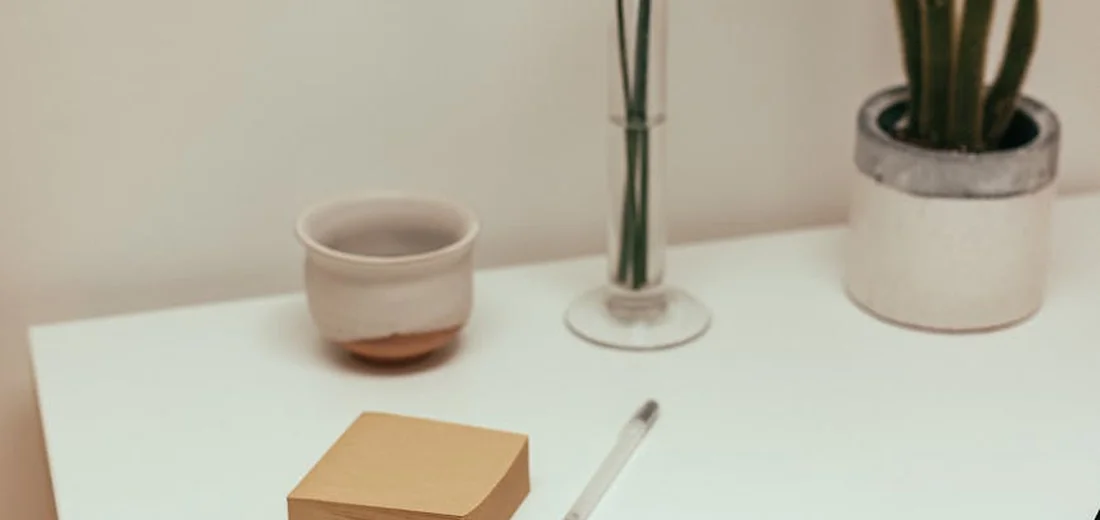
That sunny windowsill is prime real estate for plants that crave light. I’ve found placing sun-worshippers here prevents them from becoming leggy and pale as they stretch for more light.
- Jade Plant: This succulent thrives on neglect and sunshine. My oldest jade sits in a south-facing window and gets watered only when its plump leaves soften slightly. It’s grown into a miniature tree over the years.
- Aloe Vera: Perfect for a kitchen window, aloe loves bright light. The gel inside its leaves is a handy remedy for minor kitchen burns. I always break off a leaf tip and apply the cooling gel directly to the skin.
- Echeveria Succulents: These form beautiful, rose-shaped rosettes. To keep their compact shape and vibrant colors, they need several hours of direct sun. Without it, they’ll stretch out and lose their charm.
- Hoya: Also called the wax plant, a happy hoya in bright, indirect light will reward you with clusters of stunning, star-shaped flowers. Mine blooms every summer, filling the room with a sweet fragrance.
Matching Plant Personalities to Your Room’s Vibe
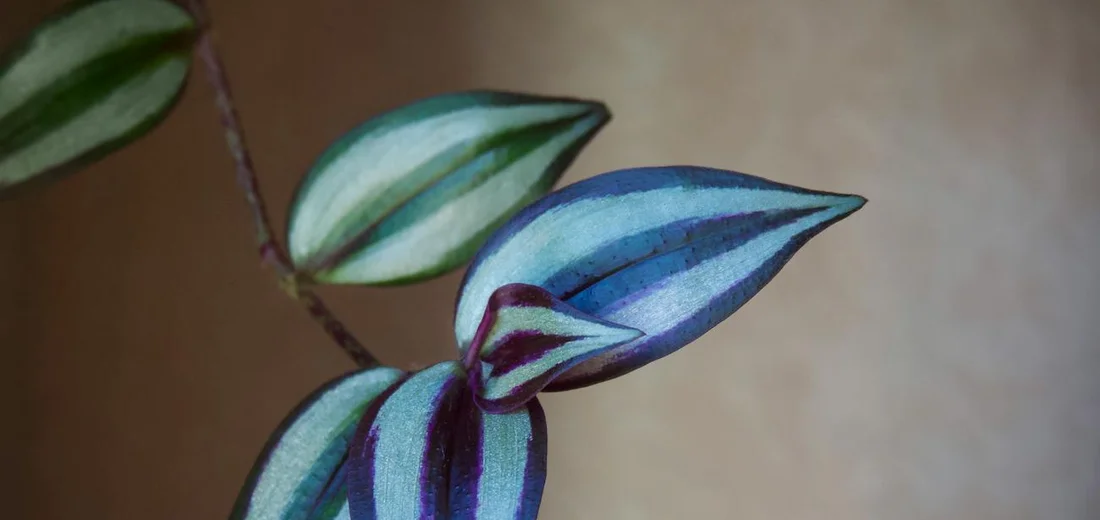
Think of your plants as roommates. Choosing a plant that matches a room’s energy and function makes your whole space feel more cohesive and intentional. When you select indoor plants, consider the room size and layout to match the scale of the space. This helps ensure your greenery enhances flow rather than crowding it.
For a busy home office, you need a resilient friend. A snake plant or ZZ plant tolerates lower light and your occasional forgetfulness. They add greenery without demanding constant attention while you work.
In your calm bedroom, opt for soothing air-purifiers. A peace lily or a spider plant helps clean the air. Their gentle, arching leaves create a serene atmosphere perfect for relaxation.
Your bright, social living room can handle a drama queen. A fiddle leaf fig or a bird of paradise makes a bold statement. They become a living piece of art and a great conversation starter with guests.
For a humid bathroom, embrace the jungle vibe. Orchids, ferns, and philodendrons adore the moisture from your showers. They’ll perk up with the ambient humidity, turning a functional space into a lush retreat.
Pro Tips for Adapting to Your Home’s Unique Light
Every home has its own light personality, and learning to work with it is a game-changer. I’ve found that the most successful plant parents are the ones who become light detectives, observing how the sun moves through their space throughout the day. Don’t just guess-spend a day really watching.
Give Your Plants a Quarter-Turn
Plants are like sunbathers; they lean towards the light. I make it a habit to give every single one of my plants a gentle quarter-turn every time I water them. This simple, consistent rotation prevents lopsided growth and ensures every leaf gets its moment in the sun. It’s the easiest way to keep your plants looking full and symmetrical.
Use Mirrors and Reflective Surfaces
If you have a darker corner that desperately needs a plant, get creative with light reflection. Placing a mirror on a wall opposite a window can effectively double the amount of ambient light bouncing into the room. I’ve used this trick in my own north-facing bathroom to keep a maidenhair fern happy. Light-colored walls and glossy furniture finishes also help brighten a space.
Embrace the Seasonal Shuffle
Your home’s light conditions aren’t static-they change with the seasons. Be prepared to play musical chairs with your plants as the sun’s angle shifts from summer to winter. A spot that gets harsh, direct light in July might be perfect for that sun-loving succulent, but by December, it could become a low-light zone suitable for a ZZ plant.
- Summer: Pull sensitive plants back from hot south and west windows to prevent leaf scorch.
- Winter: Move plants closer to windows to soak up the weaker, shorter-day sun.
Don’t Underestimate Dust
This sounds simple, but a layer of dust on leaves is like a pair of sunglasses for your plant. Gently wiping your plant’s leaves with a damp cloth every few weeks removes dust and allows them to absorb maximum light. I notice a visible difference in the perkiness of my rubber plant’s leaves after a good cleaning. They just seem to breathe easier.
Quick Tip: If a plant is struggling in low light, try a pebble tray. The added humidity can help it use the limited light it receives more efficiently. Keeping humidity in check is part of healthy indoor plant care. Track humidity levels and adjust as needed to support growth.
When to Consider a Grow Light
Sometimes, your home’s natural light just isn’t enough, and that’s okay. I use grow lights for my succulent collection in a room with only a north-facing window. Modern full-spectrum LED grow lights are energy-efficient, don’t get hot, and can be a lifesaver for light-hungry plants in dark apartments. To use them effectively for succulents, keep the light about 6–12 inches above the foliage. Run the lights for roughly 12–14 hours a day and adjust the distance as your plants grow. You don’t need a complicated setup-a simple clip-on lamp with a grow bulb can make all the difference.
FAQs
What is plant blight and how can light affect it?
Plant blight is a fungal or bacterial disease that can be influenced by light conditions, as improper lighting may weaken plants and make them more susceptible.
How do I treat plant blight in indoor plants?
To treat plant blight, remove affected areas, improve air circulation, and ensure proper light to help the plant recover.
Are there light-related special needs for certain houseplants?
Yes, some houseplants like variegated species often require brighter light to maintain their patterns, while others may need specific day lengths to flower.
How can I determine the exact light needs for a plant I own?
Research the plant’s species online or consult care guides to find its specific light requirements based on its natural environment. This knowledge helps you choose the best grow light setups for different types of indoor plants. Consider the plant type—low-light, medium-light, or high-light—and match it with LED, fluorescent, or HID options for optimal growth.
What are some uncommon light requirements for plants discussed on platforms like Reddit?
On Reddit, gardeners often share tips for plants like carnivorous species that need very high light or certain orchids that require precise light cycles. For gardeners with mixed plant collections, Lighting for mixed plant collections using adjustable lighting like spectrum-tunable LEDs and zoned fixtures can meet these varied needs. This highlights how lighting solutions must be flexible to accommodate different plants in one space.
Can adjusting light help prevent plant diseases like blight?
Yes, providing optimal light strengthens plants, reducing their vulnerability to diseases like blight by promoting healthy growth.
Your Home, Your Plants, Your Perfect Match
Choosing the right plant ultimately comes down to this one simple rule: match your plant’s light needs to the actual light in your home. To do this, remember these three steps: Watch for signs of light-related problems, like leggy growth or pale leaves. If you spot them, identify the issue and fix it by adjusting light exposure.
- Observe your space’s light intensity and duration.
- Select plants that naturally thrive in those conditions.
- Watch your plants for signs they’re happy (or not!).
You now have the knowledge to confidently pick plants that will not just survive, but truly flourish in your care. Trust your observations, start with one or two new green friends, and enjoy the rewarding journey of watching them grow alongside you. These are essential indoor planting tips for absolute beginners. Start with one or two hardy plants and learn the basics of light, water, and soil.
Further Reading & Sources
- Lighting for indoor plants and starting seeds | UMN Extension
- Lighting Indoor Houseplants | MU Extension
- Lighting for Indoor Plants | University of Maryland Extension
- Indoor Plant Lighting 101 For Healthy, Thriving Plants
Lena Greenfield is a passionate horticulturist and plant care expert with over 10 years of experience cultivating and nurturing hardy house plants. With a deep understanding of both indoor and outdoor gardening, Lena shares practical advice on choosing, caring for, and maintaining resilient plants that flourish year-round. Through her knowledge and hands-on approach, Lena helps plant lovers transform their spaces into vibrant, green sanctuaries, no matter their gardening experience.
Light Requirements