
How to Divide and Separate ZZ Plants for Propagation
Published on: December 30, 2025 | Last Updated: December 30, 2025
Written By: Lena Greenfield
Dividing your ZZ plant is a simple way to grow your plant family and share with friends. If you’re nervous about hurting the plant, I’ve divided many ZZ plants over the years and found they bounce back quickly with the right approach.
I’ll guide you through when to divide, tools you need, step-by-step instructions, and post-division care to ensure your propagation success.
Understanding ZZ Plant Division
What is Plant Division?
Think of plant division like untangling a pair of headphones, but for roots. Division is the process of carefully separating a mature, crowded plant into two or more complete, independent plants. Each new section gets its own roots, stems, and leaves, ready to grow in its own pot.
I find it’s the most straightforward way to get a new ZZ plant that’s already a decent size. You’re not starting from a tiny cutting; you’re creating a clone of the parent that’s already established. If you’re wondering where to buy a ZZ plant, this guide covers online options and local nurseries so you can find a healthy plant near you. It also drops tips on evaluating plant quality before you buy.
Benefits of Propagating by Division
I almost always choose division for my ZZ plants over other methods like leaf cuttings, and here’s why.
- Instant Gratification: You get a full, bushy new plant immediately, not a small sprout that takes a year to look presentable.
- Higher Success Rate: Because each division already has a robust root system, it’s far less likely to fail compared to a single leaf propagating in soil.
- Revitalizes the Parent: A root-bound ZZ plant can actually become stressed and stop putting out new growth. Division gives both the old and new plants more room to breathe and flourish.
- It’s Free! You’re creating new plants from one you already own and love, which is the most rewarding and budget-friendly part of plant parenting.
Quick Tip: Division is your best bet if you want a sizable new plant fast and with minimal fuss.
When to Divide Your ZZ Plant
Signs Your Plant is Ready
ZZ plants are slow growers, so you won’t need to do this often. I usually divide mine every 2-3 years. Look for these clear signals. If you’re wondering how big ZZ plants can get, here’s a quick growth-rate and ultimate size guide. It covers typical sizes under different light and care conditions.
- The Pot is Bulging: If the plastic nursery pot looks distorted or is starting to crack, the root system is too powerful for its home.
- Roots are Escaping: You see a dense mat of roots circling the top of the soil or poking out of the drainage holes.
- Slowed Growth: Even during its growing season (spring and summer), your ZZ isn’t producing any new shoots.
- Extremely Dense Clump: When you look at the base, the stems are so tightly packed together it’s hard to see the soil.
When you gently tip the plant out of its pot, a ready-to-divide ZZ will hold the shape of the container because the roots have filled every inch of space.
The Best Time of Year
Timing is everything for a smooth recovery. The ideal window is late spring through mid-summer.
This is when your ZZ plant is naturally entering its most active growth phase. The increased light and warmth help the new divisions recover from the shock and establish their roots quickly. For ZZ plants, light and temperature are key. They thrive in bright, indirect light and steady indoor temperatures around 65-75°F.
I’ve made the mistake of dividing a plant in the dead of winter before, and it just sat there for months, looking sad. Avoid fall and winter if you can. Your plant is semi-dormant then and won’t have the energy to bounce back easily.
Gathering Your Tools and Materials
Essential Tools
You don’t need a fancy toolkit for this job, just a few reliable items you probably already own. I always have a clean, sharp pair of pruning shears or a sturdy knife on hand to tackle any tough, tangled roots. A trowel is my go-to for scooping soil, and I lay down an old towel or newspaper to keep the mess contained.
Don’t forget a pair of gloves. While ZZ plants are generally safe, the sap can sometimes irritate sensitive skin. Protecting your hands makes the whole process more comfortable and lets you focus on the plant, especially when pruning and maintaining them.
Choosing the Right Potting Mix and Containers
ZZ plants are tough, but they despise wet feet. A well-draining potting mix is non-negotiable. The best soil mix for ZZ plants is fast-draining and light. I always use a succulent or cactus mix for my ZZ plants, and sometimes I add a handful of perlite for extra aeration. Regular potting soil holds too much moisture and can lead to root rot.
For containers, make sure you have a few new pots ready. Choose pots that are only an inch or two wider than the root ball of your new divisions, as too much space can hold excess water. And of course, every pot must have a drainage hole-this is a hill I will die on for happy houseplants!
The Step-by-Step Division Process
Step 1: Gently Remove the Plant from its Pot
First, don’t just yank the plant out by its stems. I gently squeeze the sides of the plastic pot to loosen the root ball, then turn the plant on its side and coax it out. If it’s stubborn, I’ll slide a trowel around the inside edge to break the suction. A little patience here prevents a lot of broken roots and stems.
Step 2: Clean and Inspect the Root Ball
Once the plant is out, I gently shake and brush off the old soil to get a good look at the root system. This is the perfect time to check for any mushy, dark roots, which are a sign of rot and should be snipped off with your clean shears. Healthy ZZ roots are firm and creamy white or light brown.
Step 3: Identify Natural Separation Points
Look closely at the base of the plant, and you’ll see individual stems growing from potato-like lumps-those are the rhizomes. Your goal is to find where these rhizomes naturally cluster together and can be pulled apart into smaller, self-sufficient plants. I look for sections that have at least one or two stems and their own attached roots.
Step 4: Carefully Separate the Rhizomes
This is where you get your hands dirty. I start by gently teasing the roots apart with my fingers, working from the outside in. If the rhizomes are really wedged together, I’ll use my hands to gently pry them apart. For a particularly tough connection, I’ll make a clean cut with my knife. The aim is to minimize damage, but a few broken roots are normal and won’t hurt the plant.
Step 5: Pot Your New Divisions
Place a layer of fresh potting mix in the bottom of your new pot. Hold your ZZ division in the center so the top of the rhizome sits about an inch below the pot’s rim, then fill in around the roots with more soil. Gently firm the soil to remove large air pockets, but don’t pack it down like concrete. Give it a good, thorough watering until it runs out the drainage hole, and you’re done! Be sure to follow proper care guidelines for your ZZ plant to keep it healthy and thriving.
Caring for Your New ZZ Plant Divisions
Initial Watering and Placement
Your freshly potted ZZ plant divisions are in a vulnerable state and need a gentle start. I always wait a full week before giving them their first drink of water. This crucial waiting period allows any tiny root abrasions to callus over, dramatically reducing the risk of rot setting in right from the beginning.
Find a spot with bright, indirect light for your new plants; an east-facing window is my personal favorite. Keep them completely out of direct sunlight for at least a month, as their root systems are too underdeveloped to handle the extra stress. I learned this the hard way when I sun-bleached a new division by placing it on a sunny sill too soon.
Ongoing Care for Establishment
The first two months are all about encouraging strong root growth. Your watering schedule should be sparse and thoughtful.
- After the initial week, water thoroughly until it runs from the drainage hole.
- Then, let the soil dry out almost completely between waterings. I stick my finger two inches into the soil to check.
- In standard indoor conditions, this often means watering only every 3-4 weeks.
Hold off on any fertilizer for the first six months. The fresh potting mix has enough nutrients to sustain them, and fertilizing now can chemically burn the delicate new roots. Patience is your greatest tool here. You’ll know your division is established when you see a shiny, new stem emerging from the soil, which is the ZZ’s way of giving you a green thumbs-up.
Troubleshooting Common Division Issues

Addressing Transplant Shock
It’s normal for your ZZ plant to look a little sad after being divided; this is classic transplant shock. You might see some yellowing leaves or a general droopiness. Don’t panic and definitely don’t overwater—this is the most common mistake and will only make things worse. The plant is simply focusing its energy underground. If your ZZ plant isn’t growing and is drooping or falling over after division, that’s another sign it’s still recovering. With steady, light care—bright indirect light and careful watering—it should rebound as roots regrow.
To help it recover, ensure it has consistent warmth and good airflow. Gently wipe the leaves with a damp cloth to remove dust, which helps the plant breathe and photosynthesize more efficiently while it’s recovering. I had one division that dropped two leaves but perked up completely after about three weeks of stable care.
Preventing Root Rot
Root rot is the biggest threat to a newly divided ZZ, and it’s almost always caused by too much love in the form of water. Your best defense is a good offense, starting with your potting mix.
- Use a well-draining, chunky soil mix. I make my own with two parts regular potting soil, one part perlite, and one part orchid bark.
- Always, always use a pot with a drainage hole. This isn’t negotiable.
- When you water, do so deeply but infrequently, and never let the plant sit in a saucer of water.
If you suspect rot, you need to act fast. Gently remove the plant from its pot and feel the rhizomes and roots; healthy ones are firm and white, while rotten ones are mushy and brown. Use sterile scissors to cut away all the affected parts, let the roots air dry for a few hours, and then repot into fresh, dry soil. Wait another week before resuming a very careful watering routine.
ZZ Plant Propagation: Division vs. Other Methods
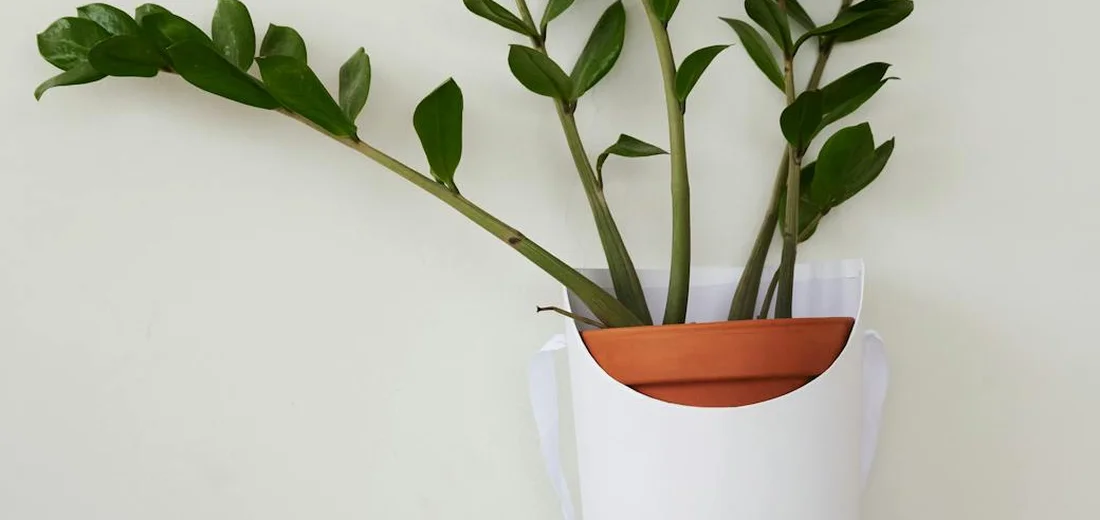
From my years of tending to these glossy green beauties, I’ve found that division is the superstar method for propagating ZZ plants. It’s the fastest way to get a new, sizable plant that looks just like its parent. You’re essentially taking a mature section and giving it its own home.
Comparing Division to Leaf Cuttings
While division is my go-to, leaf cuttings are the other common way to grow new ZZ plants. Think of it as a patient gardener’s project. Leaf cuttings are fantastic if you only have a single leaf to work with, but they demand a lot of patience. I’ve started many this way, and it’s a test of your waiting skills. Also, when you move them into a pot, the right pot size matters. Our ultimate guide explains how big a pot a ZZ plant needs for healthy growth.
Here’s a quick breakdown of how they stack up:
| Method | Speed | Success Rate | Best For |
|---|---|---|---|
| Division | Fast (instant new plant) | Very High | Mature, overgrown plants |
| Leaf Cuttings | Slow (can take months) | Moderate | Patience, small-scale propagation |
With division, you’re working with the whole system-roots, stems, and the potato-like rhizome that stores water. This established root system is why your new plant takes off so quickly after being separated. It barely skips a beat.
Leaf cuttings are a different story. You’re starting from absolute scratch. You take a healthy leaf, stem and all, and place it in water or soil. The leaf must first develop a tiny rhizome and then roots before any new stems can appear. In my experience, this process alone can take several months.
- Division gives you a full plant immediately.
- Leaf cuttings start the entire growth process from zero.
I always recommend division if your plant is large enough to be separated. It’s the most reliable path to a quick and satisfying propagation win. Save the leaf cuttings for when a leaf accidentally snaps off or you want a fun long-term experiment.
FAQs
How many divisions can be made from a single ZZ plant?
You can typically make 2 to 4 divisions from a mature ZZ plant, depending on its size and rhizome clusters.
Can ZZ plants be divided without harming the plant?
Yes, ZZ plants can be divided with minimal harm by handling roots gently and using clean tools for a quick recovery.
Do ZZ plant divisions need root pruning?
Root pruning is only necessary for damaged or rotten roots to promote healthy growth in new divisions.
How long does it take for divided ZZ plant divisions to establish?
Divided ZZ plants usually establish and show new growth within 2 to 3 months with proper care.
Should you use clean pruning shears when dividing ZZ plants?
Yes, clean pruning shears are essential to prevent disease and ensure smooth cuts during division.
Can you divide ZZ plant in winter or is spring best?
Spring is best for dividing ZZ plants, as they are actively growing and recover more easily than in winter.
Ready to Multiply Your ZZ Plants?
By dividing your ZZ plant’s rhizomes in spring, providing bright indirect light, and watering sparingly, you’ll quickly grow your plant family. To propagate further, you can try water-rooting ZZ plant cuttings or splitting rhizome sections to establish new plants. Both approaches pair well with these care basics:
- Divide during active growth in spring or summer.
- Gently separate healthy rhizomes with stems and roots attached.
- Place your new plants in bright, indirect light and let the soil dry between waterings.
You’ve got this! ZZ plants are incredibly resilient, and I’ve found this method to be the most reliable for creating new, healthy plants. Today we dive into a ZZ plant complete introduction, benefits, and guide to help you get the most from this hardy houseplant. From propagation to common care tips, this benefits guide will cover it all. For more guides to help your houseplant collection thrive, be sure to follow along right here for clear, friendly advice.
Further Reading & Sources
- Learn How to Propagate ZZ Plant: 3 Easy Methods
- ZZ plant propagation made easy – division, cuttings & seeds with video!
- How to Propagate ZZ Plants, 3 Ways
- Propagating A ZZ Plant By Division: Getting 3 Plants From 1
Lena Greenfield is a passionate horticulturist and plant care expert with over 10 years of experience cultivating and nurturing hardy house plants. With a deep understanding of both indoor and outdoor gardening, Lena shares practical advice on choosing, caring for, and maintaining resilient plants that flourish year-round. Through her knowledge and hands-on approach, Lena helps plant lovers transform their spaces into vibrant, green sanctuaries, no matter their gardening experience.
Propagation Methods