
Why Is My ZZ Plant Not Growing, Drooping, or Falling Over?
Published on: February 24, 2026 | Last Updated: February 24, 2026
Written By: Lena Greenfield
You’ve brought home a ZZ plant expecting easy, lush growth, but instead, it’s looking sad, droopy, or just refusing to get bigger. It’s a frustrating and confusing situation, especially when this plant is famous for being nearly indestructible.
Based on my years of nurturing these glossy beauties, I’ll walk you through the common culprits and their simple fixes. We’ll cover overwatering, light issues, root health, and when it’s time to repot.
Understanding Your ZZ Plant’s Natural Growth Habits
ZZ Plants are famous for their slow, steady growth, and I’ve learned over years of tending to them that patience is key. They grow from thick, potato-like rhizomes underground that store water and nutrients, which means they don’t need constant attention to thrive. A healthy ZZ might only push out a new stem or a few leaves every few months, especially in low light.

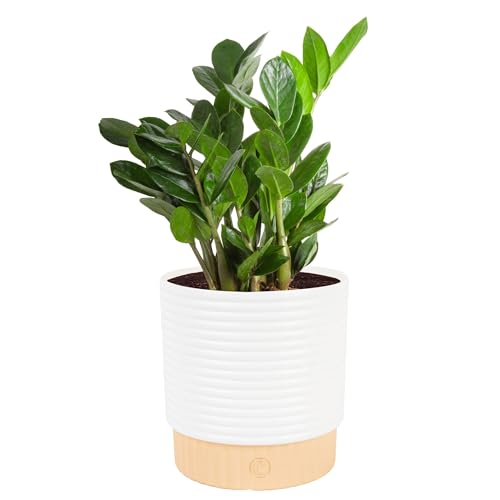

Normal growth looks like firm, glossy leaves and occasional shoots emerging from the soil. If your plant hasn’t changed in a year but still has vibrant green foliage, it’s likely just taking its time. Problematic stagnation, though, involves no new growth combined with signs like yellowing or drooping-that’s when you need to investigate further.
Diagnosing a ZZ Plant That Isn’t Growing
To figure out if your ZZ is truly stalled, look for these telltale signs. A plant that’s simply slow might still have plump rhizomes and occasional tiny buds, while a stalled one shows zero activity. Here’s a quick checklist of symptoms to watch for:
- No new shoots emerging from the soil for over 6 months
- Existing stems not elongating or producing leaves
- Leaves that remain small, pale, or lackluster
- Rhizomes feeling soft or mushy when gently probed
In my experience, a ZZ that’s just slow will still feel sturdy and have resilient roots. If you see multiple symptoms from the list, it’s time to dig deeper into potential issues.
Is Your ZZ Plant Pot Bound?
A root-bound ZZ can’t expand, leading to growth halts. I once rescued a ZZ that hadn’t grown in years simply by repotting it—the roots were so tight they’d formed a solid mass. If growth stalls, look for a root-bound plant problem and fix it by repotting. Check for these signs that your plant needs more space:
- Roots circling the inside of the pot or poking out of drainage holes
- Soil that dries out unusually fast after watering
- The plant lifting easily out of the pot with the root ball intact
- Water pooling on top instead of soaking in quickly
To check, gently tilt the pot and slide the plant out. If roots are dense and white, it’s happy; if they’re brown and tangled, it’s time to repot. Move it to a pot one size larger with fresh, well-draining soil, and water lightly to help it settle.
Could It Be a Nutrient Deficiency?
ZZ Plants are light feeders, but they still need nutrients to grow. Without occasional fertilization, your plant might lack the energy to produce new stems and leaves. I’ve seen ZZ’s perk up after a mild feed, showing brighter green growth within weeks. This behavior is part of what our big ZZ plants growth rate ultimate size guide covers. It explains how fast ZZs can grow and what size you might expect.
Look for these clues of nutrient shortage:
- Leaves turning pale yellow or losing their deep green shine
- Extremely slow growth even with adequate light and water
- New leaves emerging smaller or distorted
For a safe fertilizing routine, use a balanced, water-soluble fertilizer diluted to half strength. Apply it every 2-3 months during the spring and summer growing season, and skip feeding in fall and winter when growth naturally slows. This gentle approach prevents root burn and supports steady health.
Solving the Problem of Drooping and Falling Over Stems
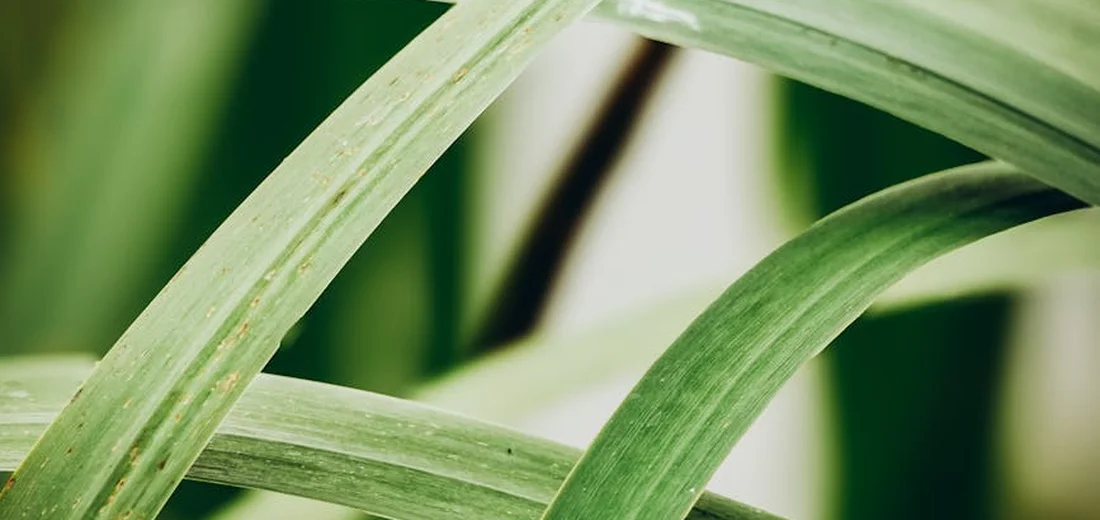
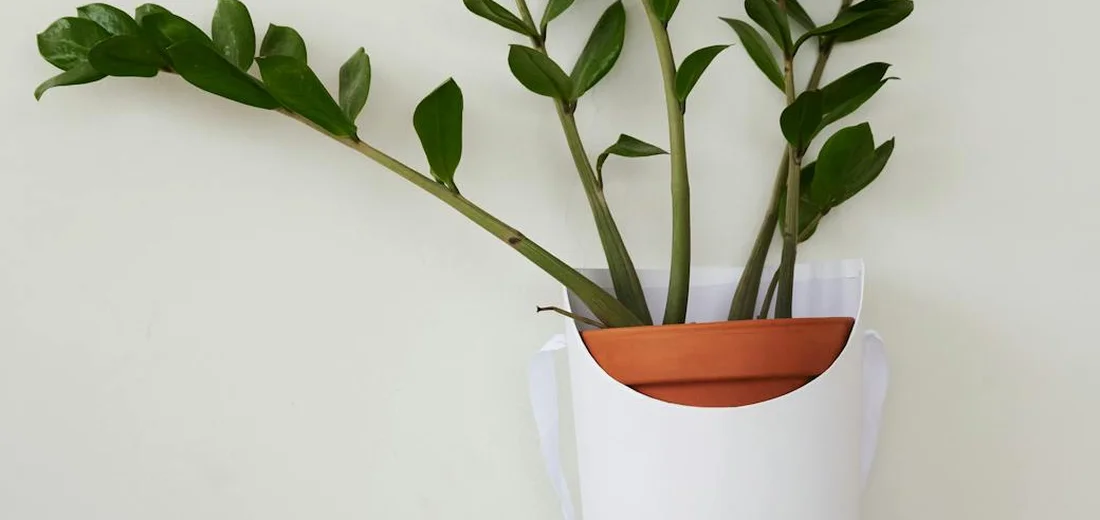
Seeing your ZZ plant’s stems lean or flop over is alarming, but I can tell you from experience it’s often fixable. The first step is to figure out exactly what kind of droop you’re dealing with, as the cause can be very different.
- Leaning Stems: These stems are still firm but are bending towards your light source. This is your plant’s way of reaching for more sun.
- Soft and Drooping Stems: If the stems feel soft, mushy, or bend easily without springing back, this is a major red flag for overwatering and potential root rot.
- Completely Fallen Over Stems: A stem that has toppled over completely could be a victim of severe overwatering, or it might be a heavy, mature stem that became top-heavy and lacked support.
The Perils of Overwatering and Root Rot
This is, without a doubt, the number one killer of ZZ plants. Their potato-like rhizomes store water, making them incredibly drought-tolerant but very susceptible to soggy soil. Indoors, it’s easy to overwater since soil often stays damp longer than you expect. In those conditions, ZZ plants often thrive on less frequent watering, letting the soil dry out between waterings. I’ve learned the hard way that loving a ZZ plant often means watering it less than you think it needs.
Look for these clear signs:
- Yellow leaves, often starting at the base.
- Stems that feel soft, mushy, or hollow.
- Soil that stays wet for a week or more after watering.
- A foul, musty smell coming from the soil.
If you suspect root rot, you need to act fast. Here is my step-by-step rescue plan:
- Gently remove the entire plant from its pot.
- Carefully wash the soil away from the roots and rhizomes under lukewarm water.
- Inspect the roots. Healthy roots are firm and white or light brown. Rotten roots are black, slimy, and mushy-they’ll fall apart in your fingers.
- Using clean, sharp scissors, cut away every single rotten root and any soft, discolored parts of the rhizome.
- Let the plant’s root system air dry for a few hours out of the pot.
- Repot into a clean pot with fresh, well-draining potting mix, ideally one formulated for cacti and succulents.
- Do not water for at least a week to allow the plant to recover and callous over any cuts.
When Underwatering Causes Collapse
While less common, a severely thirsty ZZ plant can also droop. The stems won’t be mushy; they’ll be wrinkled, thin, and feel crispy. Prolonged dehydration causes the stems to lose their internal water pressure, or turgor, which is what keeps them upright and rigid.
Other signs of underwatering include:
- Widespread crispy, brown leaf tips.
- Soil that is bone-dry and pulls away from the edges of the pot.
- Leaf drop, starting with the older leaves.
To properly rehydrate your plant, don’t just give it a tiny sip. Give it a deep, thorough watering:
- Take the plant to the sink and slowly pour water onto the soil, allowing it to soak in.
- Continue until water runs freely out of the drainage hole at the bottom.
- Let the pot drain completely before placing it back in its decorative cover or saucer.
- Your plant should perk up within a day or two as the stems rehydrate.
Leggy Growth and Insufficient Light
ZZ plants are famous for tolerating low light, but “tolerating” doesn’t mean “thriving in.” In dim conditions, your ZZ plant will stretch its stems to find a light source, resulting in weak, “leggy” growth that is prone to flopping over.
You’ll notice the stems are unusually long and the spaces between the leaf sets are wide. The stems themselves become thin and weak, unable to support their own weight.
Your plant needs bright, indirect light. This means a spot where it gets plenty of ambient light, like near an east or north-facing window, or a few feet back from a south or west window, but where the sun’s rays never directly hit the leaves. Choosing the right spot for your plant is crucial, so make sure to choose plants that match your home’s light conditions for the best growth.
Other Environmental Stresses Holding Your Plant Back
Sometimes the main culprits check out, but smaller issues are still stressing your plant and preventing robust growth. Don’t overlook the impact of your home’s temperature and the water you’re using.
ZZ plants dislike drafts and sudden temperature changes. Keep them away from frequently opened doors, air conditioning vents, and drafty windows, especially in winter. Cold damage can shock the plant, causing leaves to yellow and drop. Yellowing or browning leaves can signal cold damage or other stressors. By identifying the cause, you can apply the right solutions to revitalize your ZZ plant.
I also see many people struggling with a white, crusty buildup on the soil surface. This is often from minerals in tap water. Over time, this salt buildup can alter the soil’s chemistry and make it harder for roots to absorb water and nutrients. If you see a crust, gently scrape off the top layer of soil and replace it with fresh mix, and consider using filtered or distilled water for a few waterings to flush the soil.
Dealing with Unwanted Guests: Pest Problems
ZZ plants have a well-earned reputation for being tough, but I’ve learned from my own collection that no plant is completely immune to pests. Spider mites and mealybugs are the most common culprits I’ve found hiding in the crevices of ZZ plant stalks and under leaves. They’re sneaky, but you can send them packing with a simple, effective method.
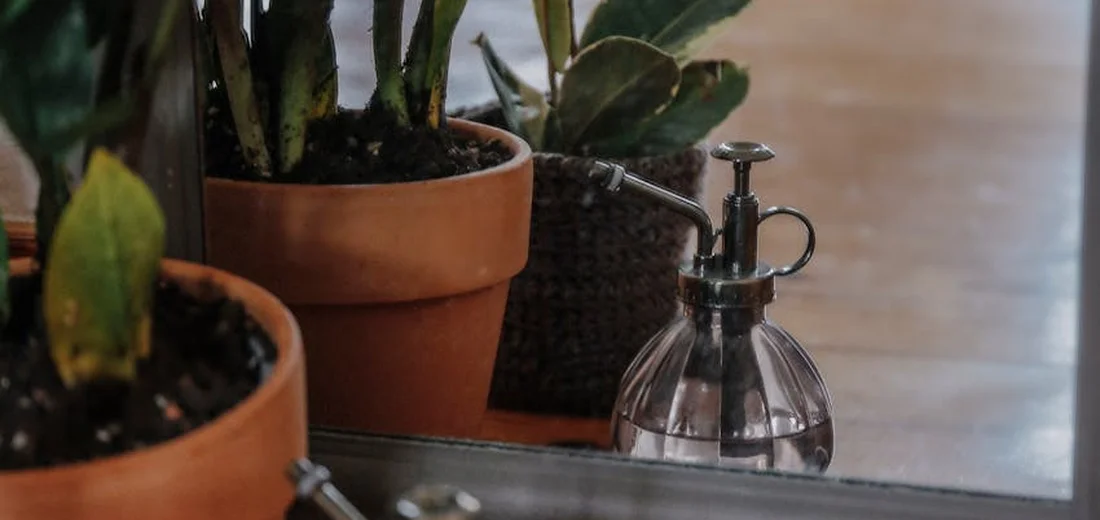
I mix a solution of one part 70% isopropyl alcohol to three parts water in a spray bottle. I thoroughly douse every part of the plant, making sure to get the undersides of the leaves and the base of the stems. This alcohol spray dissolves the pests’ protective coating on contact, and it’s a trick I’ve used for years with great success. Repeat this treatment every 4-5 days for two weeks to catch any newly hatched bugs.
Your Proactive ZZ Plant Care Plan for Vigorous Growth
Getting your ZZ plant back on track is one thing; keeping it thriving is another. This simple care checklist is the same routine I follow for my own healthiest, fastest-growing ZZ plants. It also covers the best way to prune and maintain ZZ plants for lasting vigor. Pruning tips keep the plant bushy and tidy while supporting steady growth.
- Light: Provide bright, indirect light. A spot a few feet back from an east or north-facing window is perfect.
- Watering Frequency: Water only when the soil is completely dry all the way to the bottom of the pot. For most homes, this means every 2-3 weeks.
- Soil & Pot: Always use a well-draining potting mix (I add extra perlite) and a pot with drainage holes.
- Seasonal Care: In winter, cut back on watering even more, as the plant’s growth slows down significantly.
Stick to these rules, and you’ll prevent nearly all the common issues that cause drooping and stunted growth.
The Right Way to Repot for Growth
Repotting at the right time can give your ZZ plant a fantastic growth spurt. I only repot my ZZ plants when I see roots starting to circle the inside of the pot or poke out of the drainage holes. This usually happens every 2-3 years.
Here is my step-by-step process for a successful repot:
- Gently remove the plant from its current pot. You might need to squeeze the sides of a plastic pot to loosen it.
- Tease apart the root ball slightly with your fingers to encourage the roots to grow outward into the new soil.
- Choose a new pot that is only 1-2 inches larger in diameter than the old one. A pot that’s too big holds excess moisture and can cause root rot.
- Place the plant in the new pot and fill around it with a fresh, well-draining potting mix. I use a cactus/succulent mix with a handful of perlite mixed in for extra drainage.
This is also the perfect time to check the health of the rhizomes (those potato-like tubers at the base); firm, plump rhizomes are a sign of a happy plant.
Common Questions
Why is my ZZ plant not growing new shoots?
New shoot production is often limited by insufficient light or the plant being root-bound.
Why is my ZZ plant not growing straight?
Stems often lean or grow unevenly as they stretch towards the nearest available light source.
Why is my ZZ plant not growing after repotting?
It is normal for a ZZ plant to focus energy on re-establishing its root system, causing a temporary pause in top growth.
Why is my ZZ plant not growing new leaves?
A lack of new leaves typically indicates the plant needs more bright, indirect light or a mild, balanced fertilizer. Not enough light usually yields slow growth and a stretched, leggy appearance. You can read more about this issue in our article on A lack of new leaves. Too much light can cause leaf scorch and yellowing.
Why is my ZZ plant not growing but not dying?
This is often the plant’s natural slow growth habit, especially if its rhizomes are healthy and it’s in a low-light environment.
Why is my ZZ plant not growing in water?
ZZ plants grown in water often grow much slower than those in soil because their water-storing rhizomes are less adapted to constant moisture. Choosing the best soil mix for ZZ plants helps ensure proper drainage and root aeration. A well-draining blend—such as cactus or succulent soil amended with perlite or coarse sand—supports healthy growth.
You’ve Got This!
To get your ZZ plant thriving again, remember that consistent care focused on proper light, correct watering, and well-draining soil is the key to success. Stick to the golden rule: water only when the soil is completely dry, provide bright indirect light, and always use a pot with a drainage hole. This ZZ plant care guide covers watering, light, and soil requirements. Apply these basics to keep your plant thriving.
I’ve seen many ZZ plants make incredible comebacks with just a few simple adjustments, and yours can too. For more helpful plant care tips and friendly advice, be sure to follow along right here on our site. Check out our ZZ Plant: Complete Introduction and Benefits Guide for a full overview. It covers essential care and the plant’s notable benefits.
Further Reading & Sources
- What’s Wrong With My ZZ Plant? 5 Problems and Fixes
- Why is My ZZ Plant not growing?
- ZZ Plant (Zamioculcas Zamiifolia): Care Guide – OurHouseplants
- Why Is My Zz Plant Not Doing Well?
Lena Greenfield is a passionate horticulturist and plant care expert with over 10 years of experience cultivating and nurturing hardy house plants. With a deep understanding of both indoor and outdoor gardening, Lena shares practical advice on choosing, caring for, and maintaining resilient plants that flourish year-round. Through her knowledge and hands-on approach, Lena helps plant lovers transform their spaces into vibrant, green sanctuaries, no matter their gardening experience.
Stress Symptoms