
How to Identify and Treat Powdery Mildew on Succulents
Published on: April 19, 2026 | Last Updated: April 19, 2026
Written By: Lena Greenfield
Have you spotted a strange white, powdery substance on your favorite succulent? You’re likely dealing with powdery mildew, a common fungal issue that can be alarming but is absolutely treatable.
In this guide, I’ll walk you through everything I’ve learned from my own battles with this fungus. We’ll cover quick identification, immediate treatment steps, and long-term prevention strategies to get your plant healthy again.
Spotting the Signs: Powdery Mildew Identification
I’ve learned that catching powdery mildew early is your best defense. It doesn’t look like typical dark, wet fungus. Instead, you’ll first see small, circular white or light gray powdery spots that look like someone dusted your plant with flour or talcum powder. These spots usually show up on the top surfaces of leaves first.
As it progresses, the powdery film can spread to cover entire leaves, stems, and even flower buds. I’ve noticed that the affected leaves often become discolored, turning yellow, brown, or purple, and may start to curl or twist in an unnatural way. In severe cases, the leaves will become brittle and drop off.
Pay close attention to new growth, as young leaves are particularly susceptible. I always check the undersides of leaves and the base of the plant, as mildew loves to start in hidden, shaded areas with poor air circulation. Don’t confuse it with farina, the natural, waxy coating on some succulents like echeverias, which is uniform and rubs off evenly. This dusty look is often farina—a natural waxy coating that gives a powdery appearance rather than mold. Understanding farina helps explain why succulents can look dusty even on clean plants.
Your First Response: Immediate Treatment Steps
The moment you spot that tell-tale white powder, you need to act fast to contain it. Your very first step must always be to isolate the infected plant from your other healthy plants to prevent the spores from spreading.
Next, I grab a pair of clean, sharp scissors or pruning shears. Carefully trim away the most heavily infected leaves and stems, and be sure to dispose of them in a sealed bag in the trash, not your compost. This physically removes a huge portion of the problem.
After pruning, I take my plant to the sink or outdoors and gently wash the remaining leaves with a steady stream of lukewarm water. This helps to knock off a significant number of the surface spores before you apply any treatment solution. Let the plant dry completely in a spot with good airflow before moving on to the next phase of treatment.
Effective Home Remedies for Powdery Mildew
For mild to moderate cases, I almost always try a simple home remedy first. They are gentle on the plant and effective if you’re consistent. My go-to solution is a mix of one tablespoon of baking soda and half a teaspoon of liquid Castile soap in a gallon of water. The baking soda changes the leaf surface’s pH, making it inhospitable for the fungus.
Spray this solution thoroughly on all surfaces of the plant, making sure to coat the tops and bottoms of every leaf. Apply it once a week, preferably in the early morning or late evening, and always after you’ve watered your succulent. Another great option is a milk spray—mix one part milk with two parts water. The proteins in milk act as a natural antifungal. It’s one of several natural treatment options for succulent diseases.
Neem oil is another powerhouse in my plant-care arsenal. It works as both a fungicide and a natural pesticide, so it tackles the mildew and prevents other pests from attacking your stressed plant. For succulents, some gardeners pair neem oil with a light Epsom salt spray for safer pest control. Use low concentrations and test on a small area first. Mix according to the bottle’s instructions and spray every 7-14 days. Remember, consistency is key with all these home treatments!
Choosing and Using a Fungicide
If the infection is widespread or the home remedies aren’t cutting it after a few weeks, it’s time to bring out a commercial fungicide. Look for products that are specifically labeled for use on powdery mildew and are safe for succulents. I prefer ready-to-use spray bottles for small jobs to avoid mixing chemicals. This approach is part of our complete guide on getting rid of mold and fungus in succulents.
Some active ingredients to look for include sulfur, potassium bicarbonate, or myclobutanil. Sulfur-based fungicides are a classic, organic option, but do not use them if the temperature is over 90°F (32°C), as you can risk burning the leaves. I always test any new product on a single, inconspicuous leaf first and wait 48 hours to see if there’s any adverse reaction.
When applying, cover every part of the plant until the solution drips off the leaves. Wear gloves and apply the fungicide outdoors or in a very well-ventilated area to protect yourself from inhaling the spray. Follow the product’s instructions exactly for reapplication schedules, usually every 7 to 10 days, to break the fungus’s life cycle completely.
Making the Cut: Pruning and Sanitation
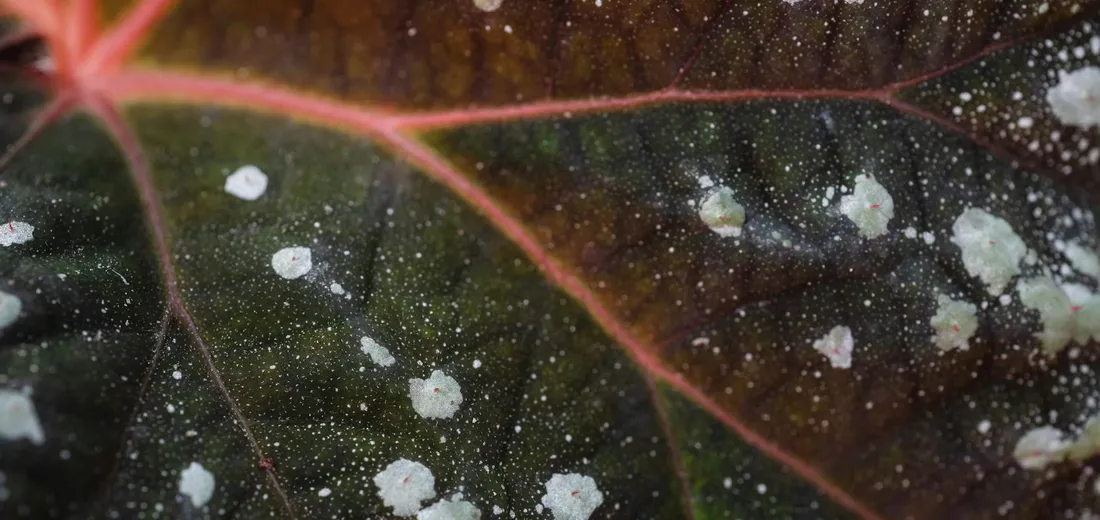
When I see that telltale white dust on my succulents, my first move is always to get out the sterilized scissors. Removing the most heavily infected leaves is your single most effective action to stop the mildew from spreading to the rest of your plant collection. Are most of these issues pests or diseases, and can they be treated? The good news is that many are treatable when caught early.
Here’s my step-by-step process for a safe and clean pruning session:
- Wipe your pruning shears or sharp scissors with isopropyl alcohol. I keep a little spray bottle of it right with my plant tools.
- Gently remove the entire leaf at its base if it’s mostly covered. For spots on a leaf tip, you can just snip the affected part off.
- Place all the infected plant debris directly into a sealed bag. Do not compost it, as the spores can survive and spread.
- Wipe down the area around the plant and your tools again with alcohol after you’re finished.
I’ve learned the hard way that being lazy with cleanup just leads to a bigger problem a few weeks later. Think of yourself as a plant surgeon-a clean operating field is non-negotiable for a healthy recovery.
Stopping It Before It Starts: Powdery Mildew Prevention
The best treatment is always a good defense. After dealing with a few outbreaks over the years, I’ve fine-tuned my routine to make my succulent shelf a mildew-free zone. Preventing diseases starts with proper watering and a well-draining soil mix. With the right watering schedule and soil, root rot and mildew are far less likely.
Your main goal is to create an environment where powdery mildew spores simply can’t thrive. They love stagnant, humid air and moist leaf surfaces.
- Boost Airflow: I run a small oscillating fan near my plants for a few hours a day. It doesn’t need to be a gale-force wind, just a gentle breeze to keep the air moving.
- Water the Soil, Not the Leaves: Always aim your watering can at the base of the plant. I water mine in the morning so any accidental splashes have time to evaporate in the daylight.
- Give Them Space: Avoid crowding your succulents together. Those beautiful, tight arrangements can trap too much moisture. A little personal space goes a long way.
- Provide Plenty of Light: A sunny spot is your best ally. Powdery mildew shies away from bright, direct light.
For an extra layer of protection, I sometimes use a simple homemade spray. Mix one tablespoon of baking soda and half a teaspoon of liquid soap into a gallon of water. Mist your plants lightly every one to two weeks. The baking soda makes the leaf surface less inviting for spores to settle.
This preventative spray, combined with good airflow, has saved many of my tender echeverias from getting that dusty look. Consistency is far easier than curing an established infection, so make these habits part of your regular plant care rhythm.
Helping Your Succulent Recover and Thrive
Once you’ve tackled the immediate infection, the real work begins. Your succulent needs a period of gentle care to bounce back and build its strength. I’ve found that patience and a consistent routine are the true keys to success here. For newly propagated succulents, an aftercare guide for succulents can be especially helpful. In it, you’ll find steps on light, watering, and soil to help them root and thrive.
Create a Healing Environment
Think of your plant as a patient that needs rest. Move it to a bright spot with excellent air circulation, but shield it from intense, direct afternoon sun for a week or two. The stress of harsh light can further weaken a plant that’s already fighting to recover. To create a perfect recovery environment for a stressed plant, adjust light, temperature, and humidity to support gentle, steady healing. Small, consistent care goes a long way.
I always hold off on fertilizing for at least a month after an infection. Fertilizer pushes new, tender growth, which is exactly what powdery mildew loves to attack. Let the plant focus its energy on repairing existing tissue first.
Adjust Your Watering Technique
Powdery mildew thrives in humid conditions. From now on, I water my succulents at the soil level, carefully avoiding getting any water on the leaves. A long-spouted watering can makes this task simple and precise. Bottom watering techniques are covered in our complete guide to succulents. They let moisture reach the roots from below, keeping leaves dry and reducing mildew risk.
Always check that the soil is completely dry before you even think about watering again. Stick your finger an inch or two into the pot-if you feel any moisture at all, walk away and check again in a few days. Overwatering is the most common way we accidentally create a mildew-friendly environment.
Monitor and Prevent a Recurrence
Keep a close eye on your plant for the next several weeks. Check both the top and underside of the leaves every few days for any new white specks. Catching a new outbreak early makes it incredibly easy to manage.
For ongoing prevention, I sometimes use a gentle, homemade spray. Mix one tablespoon of baking soda and one-half teaspoon of liquid soap (like castile soap) into a gallon of water. Lightly mist your plant every one to two weeks, but always test it on a single leaf first to ensure it doesn’t cause any damage.
- Quarantine is Key: Keep the recovering plant away from your other healthy plants until you’re confident the mildew is gone for good.
- Quick Tip: A simple spray of 70% isopropyl alcohol directly on any new fuzzy spots can stop them in their tracks without harming the plant.
- Be Patient: Some leaves that were heavily damaged may not fully recover and could eventually be reabsorbed by the plant. This is a normal part of the process.
Common Questions
Is powdery mildew on succulents a serious problem?
Yes, if left untreated, it can weaken the plant, stunt its growth, and lead to leaf drop.
What are the most effective home remedies for powdery mildew on succulents?
Besides the baking soda spray, a solution of one part milk to two parts water or a diluted vinegar spray can also be effective against the fungus.
How long should I quarantine a succulent with powdery mildew?
Keep the plant isolated for at least a few weeks after all signs of the mildew have completely disappeared.
Can I use isopropyl alcohol to treat powdery mildew?
Yes, spraying a 70% isopropyl alcohol solution directly onto the white spots can effectively kill the mildew on contact.
Why does powdery mildew keep coming back on my succulents?
Recurring mildew is typically caused by persistent environmental conditions like poor air circulation, high humidity, or overcrowding of plants.
How can I tell the difference between powdery mildew and the plant’s natural farina?
Powdery mildew appears as irregular, splotchy patches, while farina (epicuticular wax) is a uniform, bluish-white coating that rubs off evenly.
Your Healthy Succulent Journey Ahead
From my own battles with powdery mildew, I’ve found that staying vigilant and acting quickly with removal, treatment, and environmental tweaks keeps your plants safe. Stick to this simple routine for best results:
- Inspect leaves regularly for early signs of white fuzz.
- Prune affected parts and apply a natural fungicide promptly.
- Boost air flow and adjust watering to prevent future outbreaks.
Trust your growing skills and give your succulents the care they deserve-they’ll reward you with lush, happy growth for years to come. Nurturing your green companions with the right care makes all the difference. I’m cheering you on as you nurture your green companions!
Further Reading & Sources
- r/succulents on Reddit: Powdery Mildew PSA
- How to Identify, Treat, and Prevent Powdery Mildew on Succulent Plants
- How to Treat Powdery Mildew on Succulents | THE NEXT GARDENER – Thenextgardener
- Powdery Mildew on Succulents Is Not What You Would …
Lena Greenfield is a passionate horticulturist and plant care expert with over 10 years of experience cultivating and nurturing hardy house plants. With a deep understanding of both indoor and outdoor gardening, Lena shares practical advice on choosing, caring for, and maintaining resilient plants that flourish year-round. Through her knowledge and hands-on approach, Lena helps plant lovers transform their spaces into vibrant, green sanctuaries, no matter their gardening experience.
Plant Diseases