
How to Safely Mail and Ship Succulents: A Step-by-Step Guide
Published on: January 13, 2026 | Last Updated: January 13, 2026
Written By: Lena Greenfield
Are you worried your precious succulents might not survive the journey through the mail? I’ve shipped countless plants over the years, and I know that feeling-but with a few simple steps, you can send them off confidently.
In this guide, I’ll share my hands-on methods for packaging materials, choosing shipping carriers, timing your shipment, and handling legal rules to keep your plants secure from your door to theirs.
Preparing Your Succulents for Shipping
Getting your plants ready for their journey is the most important step you can take. I’ve learned that proper preparation prevents most of the shipping disasters I’ve encountered over the years. A little extra time here saves a lot of heartache later.
- Stop Watering Well in Advance
I stop watering my succulents at least a full week before I plan to ship them. You want the soil to be completely dry. A wet plant sealed in a dark box is a recipe for rot and mold. - Gently Remove the Plant from its Pot
Tap the sides of the pot to loosen the root ball. Tip the plant out slowly, supporting the base of the stem with your fingers. Avoid yanking it out by the leaves. - Carefully Brush Away the Soil
Over a trash can, use your fingers or a soft brush to gently remove the dry soil from the roots. Be patient. You want to keep as many of the fine roots intact as possible. - Perform a Quick Health Check
This is your last chance to inspect the plant. Look for any signs of pests, soft spots, or damage. It’s better to not ship a sick plant than to send a problem to someone else. - Allow the Bare Roots to Air Dry
Lay the plant on a paper towel in a shaded, airy spot for a day or two. This allows any tiny root breaks to callus over, which protects the plant from absorbing too much moisture and rotting during transit.
A pro tip from my own mishaps: Always pack a few extra leaves if you’re shipping a propagatable succulent like an Echeveria. It’s a lovely gesture that provides insurance in case of minor damage. If leaves do fall or break, set them aside to callus and you may still propagate new little rosettes.
Step-by-Step Packaging Guide
Packaging is where you become a plant-protecting artist. The goal is to create a snug, immobilized nest that cushions your succulent from the bumps and jostles of the postal system. Follow these steps closely.
- Wrap the roots gently in a slightly damp (not wet) paper towel. This provides a tiny bit of humidity for the roots without soaking the plant.
- Loosely wrap the entire plant, from root to tip, in a soft paper like tissue paper or newspaper. This creates the first layer of padding.
- Secure the paper-wrapped plant with a small piece of tape. Make sure the tape only touches the paper, not the plant itself.
- Create a stable base for the plant inside your chosen box using crumpled paper or packing peanuts.
- Place your wrapped succulent securely into this base. You should not be able to shake the box and feel the plant move.
- Fill all remaining empty space in the box with more padding material. The plant should be held firmly in the center, suspended in a cushiony void.
- Seal the box thoroughly with packing tape.
Wrapping and Padding Techniques
Your choice of materials makes a huge difference. I always use a combination of soft paper for direct contact and bubble wrap for outer insulation. Think of it like dressing your plant for a rough trip.
For delicate plants like String of Pearls, I first gently coil the strands and wrap them in a paper towel before the outer paper layer. This prevents them from tangling and breaking. For spiky cacti, I create a little paper “collar” around the spines to keep them from poking through the wrapping. The key is to prevent any part of the plant from directly touching the cardboard walls of the box. Any movement during shipping can cause abrasion and damage.
Box Preparation and Sealing
Don’t just grab any old box from your recycling bin. I look for a box that is only 2-3 inches larger than the plant on all sides. Too much space allows for dangerous shifting; too little space crushes the leaves.
Before placing any padding, I often line the bottom of the box with a small, opened plastic bag or a piece of plastic wrap. This isn’t for the plant, but to create a moisture barrier in case the package is left in the rain. After the plant is securely nestled inside, I firmly close the flaps and seal every seam with strong packing tape. Finally, I clearly mark the box with “LIVE PLANTS,” “FRAGILE,” and “THIS SIDE UP” on all sides with a bold marker. This tells handlers to be a little more careful.
Managing Temperature and Moisture During Transit

I’ve learned that temperature is the silent killer of shipped plants. You can pack a succulent perfectly, but if it freezes or bakes, it’s a lost cause. The golden rule is to never ship when temperatures are below 40°F (4°C) or above 85°F (29°C) at any point along the route.
Insulation is Your Best Friend
I treat insulation like a cozy winter coat for my plants. For cold weather, I wrap the pot and plant loosely in a few sheets of newspaper before surrounding it with crumpled paper or bubble wrap in the box. This creates air pockets that act as a fantastic thermal barrier against the cold.
- Heat Packs: I only use these for winter shipping when I absolutely must send a plant. Tape a 72-hour heat pack to the inside top of the box, making sure no part touches the plant directly to avoid burns.
- Cold Packs: I avoid shipping in extreme heat, but if necessary, a frozen gel pack wrapped in a towel can help. I find it’s often better to just wait for cooler weather.
Airflow and Moisture Control
Getting moisture levels right is a delicate dance. A sealed, soggy box is a recipe for mold, but a bone-dry one leads to a shriveled plant.
- Always start with completely dry soil. I water my succulents a full 5-7 days before shipping to ensure the roots are hydrated but the soil is dry.
- Never seal the plant in plastic. This traps humidity and promotes rot. A paper wrap is breathable and safe.
- Poke a few small air holes in your shipping box. This prevents a buildup of heat and humidity, especially during longer trips.
- For extra delicate plants, I sometimes nestle the wrapped plant in a bed of shredded paper, which helps absorb any excess moisture and cushions the ride.
Quick Tip: A small piece of tape over the drainage hole on the bottom of the pot will keep your dry soil from spilling out during its journey.
Choosing a Shipping Carrier and Method
Picking the right shipping service is where your careful packing pays off. I’ve tried them all, and my go-to is almost always USPS Priority Mail.
Why USPS Priority Mail Works for Me
It offers a great balance of speed and cost, with a standard 2-3 day delivery time across the country. The included tracking number is non-negotiable; it lets you and the recipient monitor the package’s progress and estimated delivery date. This peace of mind is worth every penny.
Comparing Your Carrier Options
- USPS Priority Mail: My top choice for most shipments. It’s fast, reliable, and includes $100 of insurance, which often covers the cost of the plant.
- USPS Ground Advantage: A more economical choice for shorter distances, but it can be slower. I use this only when I’m confident the transit will be under 3-4 days.
- UPS & FedEx: These are excellent for guaranteed next-day or 2-day air shipping, which is the safest option for very expensive or temperature-sensitive plants. However, this speed comes at a significantly higher cost.
Key Carrier Considerations for Risk Mitigation
- Speed Over Cost: Always choose the fastest service you can reasonably afford. An extra day in a dark box adds significant stress to the plant.
- Insurance: Declare the full value of your plant. If it’s a rare specimen, consider purchasing additional insurance.
- Drop-Off: Never leave your plant package in a drop-box. Hand it to a clerk and get a receipt. This creates a clear chain of custody from the start.
- Regional Strengths: Some local or regional carriers specialize in plant shipping and may offer climate-controlled vehicles-worth investigating for high-volume shippers.
Quick Tip: Avoid shipping right before a weekend or holiday. A plant stuck in a warehouse for three extra days is a very sad plant.
Risk Mitigation and Safe Delivery Practices

I always insure my succulent shipments because it protects you from losses if a package gets lost or damaged in transit. Insurance gives you peace of mind and ensures you’re covered for the plant’s value, which I’ve found crucial in my years of shipping delicate succulents. Most carriers offer affordable options, so check their policies before sending.
Proper labeling is a simple step that makes a huge difference-clearly mark the box with “LIVE PLANTS,” “FRAGILE,” and “THIS SIDE UP” to alert handlers. Adding these labels helps prevent rough handling and keeps your succulents oriented correctly, reducing stress on the plants during travel. I use bold, waterproof markers to ensure the text stays visible even if the box gets damp.
For soil containment, I wrap the base of the succulent in a breathable material like paper towel or burlap to hold soil in place without trapping moisture. This method prevents messy spills and keeps roots secure, which I’ve tested extensively to avoid root disturbance during shipping. Also, when planning how to store succulent plants, choose a cool, dry, well-ventilated spot away from direct sun. Where you keep succulent plants matters for moisture balance and longevity. Avoid using plastic wraps that can cause rot; instead, opt for eco-friendly options that let the plant breathe.
- Overwatering before shipping: Succulents hold water in their leaves, so water lightly a few days prior to avoid soggy soil that leads to mold. I let the soil dry out slightly to prevent rot during transit.
- Insufficient padding: Use bubble wrap or crumpled paper to cushion the plant firmly in the box. Without enough padding, succulents can shift and break, so pack them snugly but not too tight.
- Ignoring weather extremes: Check temperatures and avoid shipping during heatwaves or freezes. Extreme weather can shock plants, so plan shipments for mild conditions to keep them happy.
- Poor box sealing: Secure all edges with strong tape to prevent openings. A well-sealed box keeps out pests and moisture, which I’ve learned prevents most delivery issues.
Post-Delivery Care for Your Succulents
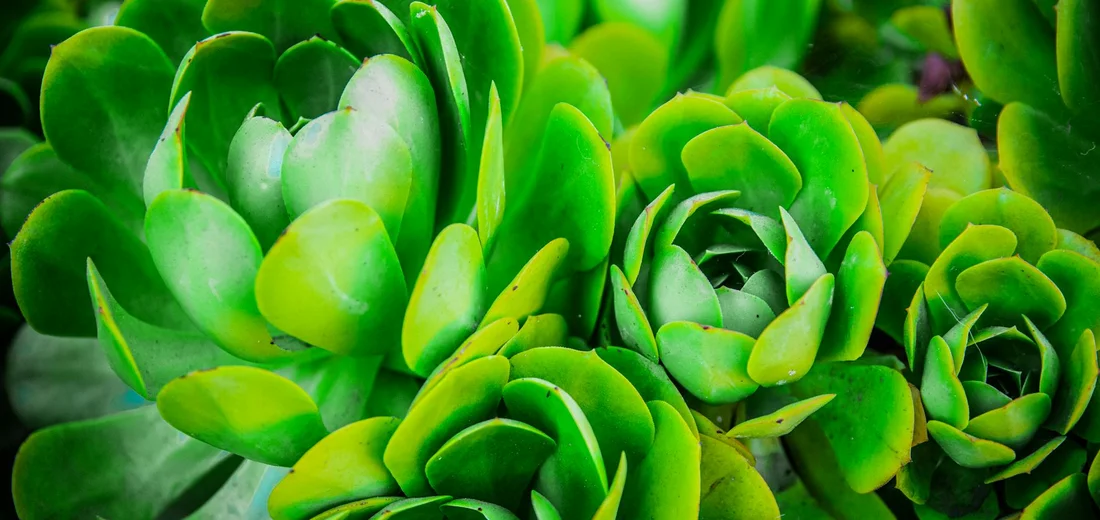
After your succulent arrives, give it time to adjust before any major changes. Gentle handling is key—unpack carefully to avoid damaging leaves or roots, as rough treatment can set back recovery. I always inspect the plant for any signs of stress, like wilting or discoloration, and note them for monitoring. Additionally, you can recognize seasonal stress signs in succulents and respond with timely adjustments. This helps keep them healthy through changing seasons.
- Place the succulent in a shaded, indirect light spot for at least a week to avoid sunburn. Sudden sun exposure can scorch leaves, so I gradually introduce brighter light over time.
- Wait 3-5 days before watering to let the plant settle and soil dry out. Initial watering should be light to prevent root rot, especially if the soil is still moist from shipping.
- Check for pests or damage and gently clean leaves with a soft cloth if needed. Early detection helps you address issues before they spread, keeping your plant healthy.
- Monitor the plant daily for changes in color or texture, and adjust care based on its response. Regular observation lets you catch problems early and support a smooth acclimation.
Keep the succulent in a stable environment with consistent temperatures to reduce stress. Monitoring plant health closely in the first week helps it bounce back faster, and I often see new growth within days with this approach. This aligns with care tips from a newly propagated succulents aftercare guide. Following these steps helps cuttings root and thrive. Remember, patience pays off—your succulent will thank you with vibrant, resilient leaves!
Essential Supplies for Mailing Succulents
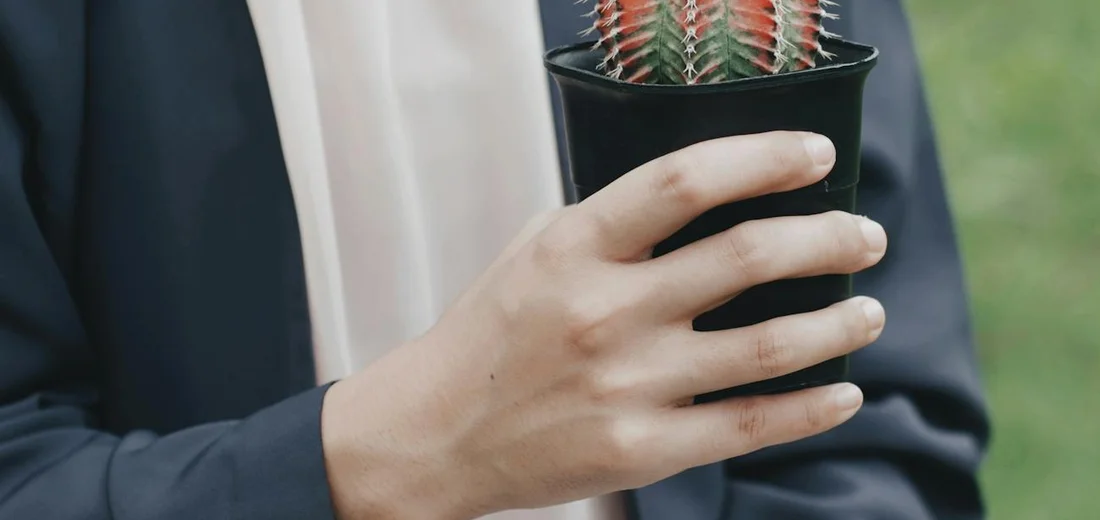
After shipping hundreds of my own succulent babies, I’ve learned that having the right supplies on hand is the difference between a plant that arrives thriving and one that arrives as a mushy mess. Gathering everything before you start packing makes the entire process smoother and less stressful for both you and the plant, which is especially important for succulents that require special care to thrive.
- Sturdy, New Cardboard Boxes: I never reuse old, flimsy boxes. A double-walled corrugated cardboard box provides the best protection against crushing during transit.
- Paper Towels or Newsprint: This is my go-to for gently wrapping each plant. It cushions them without holding moisture like some packing peanuts can.
- Plastic Bags or Plastic Wrap: Before wrapping in paper, I always slip the bare-root plant into a small plastic bag. This keeps the soil from spilling and contains any leaves that might drop off.
- Packing Tape: You need a strong, wide tape to securely seal the box on all seams. Don’t skimp here; a popped-open box is a disaster.
- Cushioning Material: Fill the empty space in the box! I use crumpled newsprint, air pillows, or biodegradable packing peanuts to prevent the plants from bouncing around.
- Scissors and a Permanent Marker: For cutting tape and paper, and for clearly writing “LIVE PLANTS” and “FRAGILE” and “THIS END UP” on the box.
- Shipping Labels: Have your printed labels ready. A smudged or handwritten address can lead to delays or a lost package.
Quick tip: If you’re shipping a potted succulent, secure the soil surface with a layer of plastic wrap held tight with a rubber band before you wrap the whole pot. This simple step keeps the dirt exactly where it belongs. It’s especially important after you’ve cleaned your succulents to remove dust and dirt safely.
FAQs
How long can succulents survive in transit?
Succulents can typically survive up to a week in transit if properly prepared with dry soil and secure packaging. However, it’s important to know how long succulents can survive without water to ensure they thrive once you receive them.
Is it safe to ship succulents internationally?
Shipping internationally requires checking local laws and permits to avoid legal issues and plant confiscation.
What common mistakes should I avoid when mailing succulents?
Avoid overwatering before shipping and using insufficient padding to prevent rot and damage during transit.
Can I use recycled boxes for shipping succulents?
It’s best to use new, sturdy boxes to ensure they can withstand handling and protect the plants effectively.
How do I handle a delayed shipment?
Monitor tracking and contact the carrier promptly to address delays and minimize stress on the plants.
What if the succulent arrives with pests or mold?
Isolate the plant immediately and treat it with appropriate methods to prevent spread and aid recovery.
You’re Ready to Ship Succulents Like a Pro!
After years of mailing my own succulent babies, I can confirm that safe shipping hinges on protecting plants from jostling, moisture, and temperature swings. In hot summer months, extra care means shielding succulents from direct sun and heat during transit and at home. Use insulated packaging and consider shipping during cooler morning hours to prevent heat stress. Remember these core steps for success:
- Wrap roots and soil in paper towel before securing in a snug box.
- Fill empty spaces with crumpled newspaper or bubble wrap to prevent movement.
- Ship early in the week to avoid weekend delays and extreme heat.
For more hands-on plant care guides, stay tuned to our website—I’m always adding new tips from my own gardening trials. With a little patience, you’ll be confidently sending succulents on their journey! Curious if succulents are easy care for beginners? Check out our beginners’ complete guide.
Further Reading & Sources
- r/succulents on Reddit: Best way to pack/ship succulents?
- How We Package and Ship Our Succulents – Succulents Box
- How to Ship Succulents Safely and Securely
- Plant Mail 101 – Leaf & Clay
Lena Greenfield is a passionate horticulturist and plant care expert with over 10 years of experience cultivating and nurturing hardy house plants. With a deep understanding of both indoor and outdoor gardening, Lena shares practical advice on choosing, caring for, and maintaining resilient plants that flourish year-round. Through her knowledge and hands-on approach, Lena helps plant lovers transform their spaces into vibrant, green sanctuaries, no matter their gardening experience.
Light and Temperature