
Natural Remedies for Common Plant Diseases
Published on: February 17, 2026 | Last Updated: February 17, 2026
Written By: Lena Greenfield
Seeing spots, mold, or wilting leaves on your favorite houseplant can be worrying, but you don’t always need harsh chemicals to fix the problem. I’ve spent years nursing sick plants back to health using simple, natural ingredients from my own kitchen.
In this guide, I’ll share the remedies I use myself, including baking soda sprays for fungus, milk solutions for powdery mildew, and natural pest control with neem oil.
Why I Trust Natural Remedies for My Plants
I’ve been growing houseplants and succulents for over a decade, and I always reach for natural solutions first. Natural remedies are gentle on your plants and safe for your home, especially if you have curious pets or kids. I remember rescuing a fiddle-leaf fig from a nasty aphid infestation using a simple soap spray-it worked wonders without any harsh chemicals. Plus, going natural supports a healthier environment and often costs next to nothing. You probably have most ingredients in your kitchen right now!
From my experience, these methods build plant resilience over time. They encourage stronger growth by addressing the root cause, not just masking symptoms. I’ve seen plants bounce back faster with natural care, and it feels rewarding to use eco-friendly options. Trust me, your green friends will thank you for the tender, chemical-free love.
Spotting the Problem: Common Houseplant & Succulent Diseases
-
Fungal Foes: Powdery Mildew & Leaf Spot
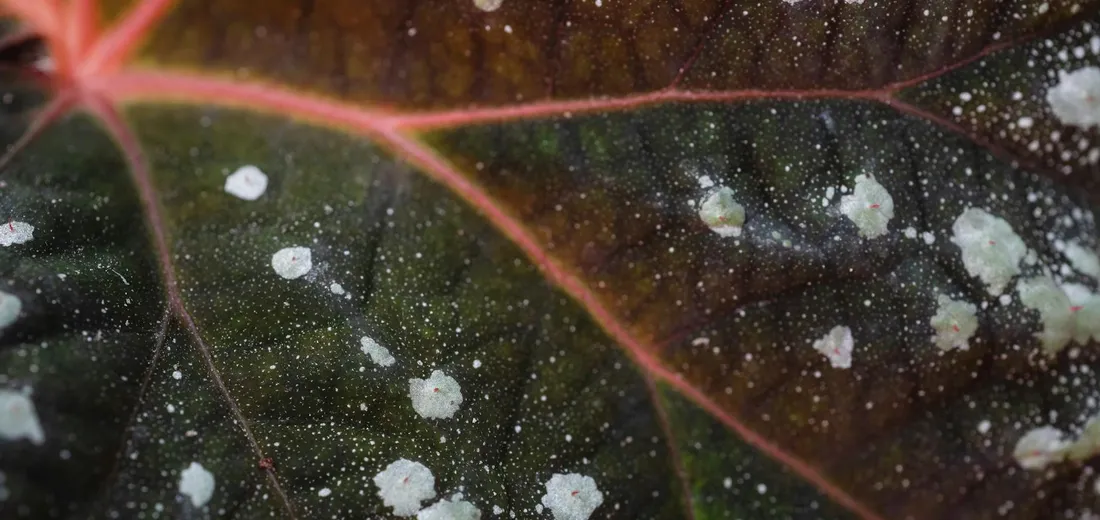
Powdery mildew looks like a dusting of white flour on leaves, while leaf spot shows up as dark brown or black circles. High humidity and poor air circulation are the main culprits here. I’ve spotted this on my peace lilies during muggy summers-the leaves felt fuzzy and lost their shine. To prevent it, keep your plants in a well-ventilated area and avoid wetting the foliage when watering.
Quick tip: Wipe leaves with a damp cloth weekly to remove spores before they spread.
-
Unwanted Guests: Aphids, Mealybugs, and Scale
Aphids are tiny green or black bugs that cluster on new growth, mealybugs look like bits of white cotton, and scale insects appear as small brown bumps stuck to stems. All of them leave a sticky residue called honeydew, which can attract ants or lead to sooty mold. I once found mealybugs hiding in the crevices of my jade plant-they felt like little fluffs when I touched them. Check under leaves and near joints regularly for these pests.

Quick tip: Dab pests with a cotton swab dipped in rubbing alcohol for instant control.
-
The Dreaded Rot: Root and Stem Issues
Overwatering is the number one cause of rot, turning roots mushy and dark, while stem rot makes stems soft and prone to collapse. Root rot smells musty and causes leaves to yellow and droop, even if the soil feels wet. I learned this the hard way with an overwatered snake plant-its roots were black and slimy. Stem rot, on the other hand, often starts at the base and spreads upward, feeling squishy to the touch.
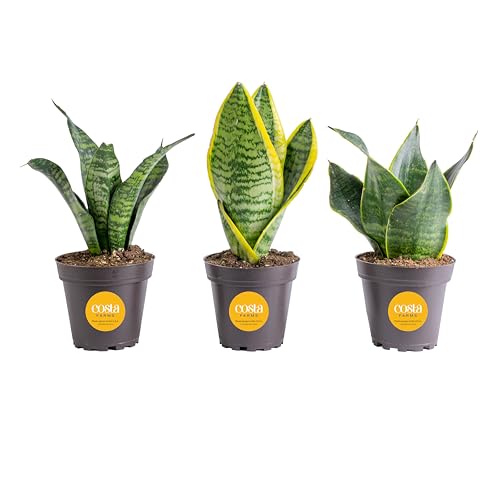
Quick tip: Let the soil dry out completely between waterings to keep roots healthy and firm.
Your Kitchen Cabinet First-Aid Kit
-
The Power of Baking Soda Spray
I mix 1 teaspoon of baking soda with 1 quart of water and a few drops of Castile soap in a spray bottle. This classic fungicide works wonders on powdery mildew, which I’ve seen coat my zucchini leaves like a dusty blanket. When you’re dealing with succulents, identify the telltale white powder on leaves and stems. Early detection makes treatment easier. Shake it well and spray the tops and bottoms of leaves every few days until the white fuzz disappears. In my experience, it’s gentle enough for most houseplants and succulents without causing harm.
-
Milk Spray for a Healthy Glow
Combine 1 part milk with 2-3 parts water for a simple spray that fights fungal issues. Milk’s natural compounds not only tackle diseases like powdery mildew but also give plants a healthy shine, something I’ve noticed on my own peace lilies. Use it as a foliar spray every week or two; it’s an easy way to boost plant immunity while keeping things eco-friendly.
-
Harnessing Hydrogen Peroxide
For root rot, I dilute 3% hydrogen peroxide with water-about 1 part peroxide to 4 parts water-and water the soil to aerate it and kill harmful bacteria. Always follow the dilution exactly, as too much can burn delicate roots, a lesson I learned early on with an overwatered succulent. As a foliar spray for fungal spots, use a weaker mix and test on a small area first to avoid leaf damage. This is especially important when you are trying to save a succulent with root rot.
-
Cinnamon: More Than a Spice
I dust cinnamon directly onto fresh cuts after pruning to prevent fungal infections, and I sprinkle it on the soil to deter pests like fungus gnats. Cinnamon acts as a natural antifungal and pest repellent, making it a staple in my plant care routine for everything from succulents to herbs. It’s safe, smells great, and I’ve used it for years to keep cuttings healthy during propagation.
Homemade Sprays from the Garden & Pantry
-
Neem Oil: The All-Rounder
Mix 1-2 teaspoons of neem oil with a quart of water and a drop of mild soap to emulsify it. Neem oil is my go-to for tackling aphids, spider mites, and fungal issues because it disrupts pests without harming beneficial insects. I apply it in the evening to prevent sunburn on leaves, and after a few uses, my plants bounce back with vigor.
-
Soap Them Away: Insecticidal Soap
Stir 1 tablespoon of pure Castile soap into a quart of water for a quick pest solution. This soap works by suffocating soft-bodied pests like aphids and mealybugs, which I’ve cleared off my jade plants in just one application. Spray it directly on the bugs, avoiding strong sun, and rinse after a few hours if needed for sensitive plants.
-
Garlic & Chili Extracts for Pest Control
Steep a handful of crushed garlic or chili peppers in a quart of water for 24 hours, then strain and spray. The strong odor repels pests naturally, and I’ve used this to keep squirrels away from my outdoor succulents. It’s potent, so test on a leaf first, but it’s a chemical-free way to protect your green friends.
Boosting Your Plant’s Defenses from the Soil Up
-
Brewing a Potent Compost Tea
Steep a handful of compost in water for a day or two, then use the liquid to water your plants. Compost tea introduces beneficial microbes that help plants resist diseases, something I’ve seen improve the health of my succulents’ root systems. It’s like giving them a probiotic boost that makes them stronger from the inside out. This is a natural organic treatment option for succulent diseases. When used with proper watering and good drainage, it helps keep succulents healthier with fewer chemical inputs.
-
Letting Beneficial Microbes Work
Products with Bacillus subtilis add good bacteria to the soil, acting as a natural fungicide. I use these microbes as a preventative measure, and they’ve kept my houseplants free from root rot and other soil-borne issues. It’s an easy, long-term strategy that supports plant resilience without any fuss.
-
The Gentle Touch of Herbal Teas
Brew a weak cup of chamomile tea, let it cool, and use it to water your plants. Chamomile has mild antifungal properties that I’ve relied on to prevent damping-off in seedlings and keep soil healthy. It’s a soothing, natural way to nurture your plants without overwhelming them.
My Top Prevention Strategies for a Healthy Plant Home
-
Prune Infected Parts with Sterilized Tools
I always clean my pruning shears with rubbing alcohol or a bleach solution between cuts. This simple step prevents diseases from spreading, and I’ve saved many plants by snipping away infected leaves early. It’s a quick habit that makes a huge difference in keeping your plant family thriving.
-
Master the Art of Watering
Use drip irrigation or bottom-watering to keep leaves dry and reduce fungal spores. I switched to bottom-watering for my succulents, and it cut down on leaf spots and overwatering issues dramatically. Water at the base to give roots what they need without inviting trouble. This approach is covered in the Bottom Watering Techniques complete guide. For more tips, explore the full guide.
-
Choose the Right Plant for Your Space
Pick disease-resistant varieties and match them to your light and airflow conditions. In indoor environments, key factors like light, humidity, airflow, and temperature determine plant suitability. By selecting plants that suit my home’s environment, I’ve reduced stress and disease pressure, leading to happier, healthier growth. It’s all about setting them up for success from the start.
-
Keep it Clean: The Power of Sanitation
Remove fallen leaves from the soil and wipe plant leaves with a damp cloth regularly. For the best method, use a soft microfiber cloth or a gentle brush dampened with lukewarm water to wipe both sides of the leaves. Plain water is usually enough—avoid harsh cleaners. Clean surroundings discourage pests and diseases, and I’ve found that a tidy plant area keeps problems at bay. A little upkeep goes a long way in maintaining a vibrant indoor garden.
Boosting Your Plant’s Defenses from the Soil Up
Brewing a Potent Compost Tea
Think of compost tea as a supercharged, liquid vitamin shot for your plant’s soil. I’ve found that this living elixir introduces a bustling city of beneficial microbes and bacteria that help your plants naturally fight off bad pathogens. To make it, I simply put a scoop of finished compost in a cloth bag, steep it in a bucket of dechlorinated water for 24-48 hours, and give it a good stir a few times. The aeration is key-it helps the good guys multiply. I then use it to water my plants within a few hours for maximum microbial power.
Letting Beneficial Microbes Work
Sometimes, our plants need a little microbial backup, and that’s where products containing a specific bacterium, Bacillus subtilis, come in. In my own collection, I use this as a natural, preventative fungicide that works by outcompeting harmful fungi for space and food. You can find it in ready-to-use sprays or concentrates. I mix it according to the label and apply it to the soil surface and base of the plant, creating a protective zone that helps prevent issues like damping-off and root rot before they can even start.
The Gentle Touch of Herbal Teas
Your kitchen cabinet holds a gentle secret for plant care: chamomile tea. A weak, cooled brew of chamomile tea acts as a mild antifungal watering solution, something I regularly use for delicate seedlings and succulents prone to mold. I brew a standard bag in a cup of hot water, let it cool completely, and then water my plants with it. It’s a wonderfully simple way to give your green friends a soothing drink that also subtly discourages fungal growth in the soil.
My Top Prevention Strategies for a Healthy Plant Home
-
Prune Infected Parts with Sterilized Tools
When you spot a diseased leaf, swift and clean removal is your first line of defense. My golden rule is to wipe my pruning shears with rubbing alcohol or a 10% bleach solution between every single cut. This might feel tedious, but it stops you from accidentally spreading the disease to healthy parts of the same plant or to your other plants. I treat my pruners like a surgeon’s scalpel-clean and precise.
-
Master the Art of Watering
So many plant problems start with water on the leaves. I’m a huge advocate for bottom-watering, where you let the plant drink up water from a saucer below, which keeps the precious leaves perfectly dry. This method prevents fungal spores from splashing up from the soil and stops water from sitting in leaf rosettes, a common issue with succulents that leads to rot. For succulents in particular, common watering mistakes to avoid include overwatering and letting moisture linger around the crown. Bottom-watering helps avoid these issues. It completely changed how I care for my African violets and snake plants.
-
Choose the Right Plant for Your Space
Prevention truly begins at the plant shop. Selecting a plant that is naturally more resistant to disease and that matches the light and humidity of your home sets you up for success from day one. I always check the light requirements and look for compact, bushy growth over leggy, stretched-out plants. Giving a plant the conditions it naturally thrives in reduces its stress and makes it far less likely to succumb to illness.
-
Keep it Clean: The Power of Sanitation
A tidy plant area is a healthy one. I make it a weekly habit to gently wipe dust off my plant’s leaves with a damp cloth and promptly remove any fallen leaves or debris from the soil surface. This not only lets the leaves breathe and absorb more light, but it also removes hiding spots and breeding grounds for pests like fungus gnats. A clean plant is a happy, resilient plant.
FAQs
What are natural plant remedies?
They are treatments made from natural ingredients like herbs, spices, and common household items to support health and address ailments.
Which plants are commonly used for medicinal purposes?
Common medicinal plants include chamomile for relaxation, peppermint for digestion, and echinacea for immune support.
How do I prepare herbal tea, tincture, or infusion?
For a tea, steep dried herbs in hot water, while a tincture involves soaking them in alcohol or vinegar for several weeks to extract compounds.
What safety considerations should I know before using plant remedies?
Always research proper plant identification and dosage, as some plants can be toxic or cause allergic reactions.
How should I store dried herbs and plant extracts?
Store them in airtight containers away from direct light, heat, and moisture to preserve their potency and shelf life.
Do plant remedies interact with prescription medications?
Yes, some plant-based remedies can interact with medications, so it is crucial to consult with a healthcare professional before using them.
Your Natural Plant Care Journey
In my years of tending to houseplants and succulents, I’ve learned that preventing and treating diseases naturally starts with consistent, mindful care and simple home remedies. By combining good habits like proper watering with natural treatments (especially for succulents), you can often resolve issues without harsh chemicals.
- Adjust watering based on soil moisture and plant type
- Use diluted neem oil or soap sprays for pests
- Apply cinnamon or chamomile tea for fungal problems
Don’t worry if you hit a snag-every plant lover learns through trial and error, and your green thumb will grow with practice. These are essential indoor planting tips for absolute beginners to get you started. Stay patient, follow simple routines, and you’ll see your indoor garden flourish. For ongoing support and fresh ideas, keep checking back with us at Hardy House Plants where I share more hands-on advice to help your indoor garden flourish.
Further Reading & Sources
- 5 Common Plant Diseases And How To Treat Them – Plant Cell Technology
- 35 Pest and Disease Remedies – Fine Gardening
- 14 Common Plant Diseases: How to Identify & Treat Them | Proflowers Blog
- 10 Common Plant Diseases and How to Treat Them – DripWorks
Lena Greenfield is a passionate horticulturist and plant care expert with over 10 years of experience cultivating and nurturing hardy house plants. With a deep understanding of both indoor and outdoor gardening, Lena shares practical advice on choosing, caring for, and maintaining resilient plants that flourish year-round. Through her knowledge and hands-on approach, Lena helps plant lovers transform their spaces into vibrant, green sanctuaries, no matter their gardening experience.
Plant Diseases