
String of Pearls Care: Your Simple Guide to a Thriving Senecio Rowleyanus
Published on: March 4, 2026 | Last Updated: March 4, 2026
Written By: Lena Greenfield
Are you wondering how to keep your String of Pearls alive, or maybe why yours is looking a little sad? You’re not alone-this stunning succulent has specific needs that can puzzle even experienced plant lovers.
In this complete guide, I’ll walk you through everything I’ve learned from growing these beauties for years. We’ll cover ideal light conditions, proper watering techniques, the best soil mix, easy propagation steps, and common troubleshooting tips.
What Is a String of Pearls Plant?
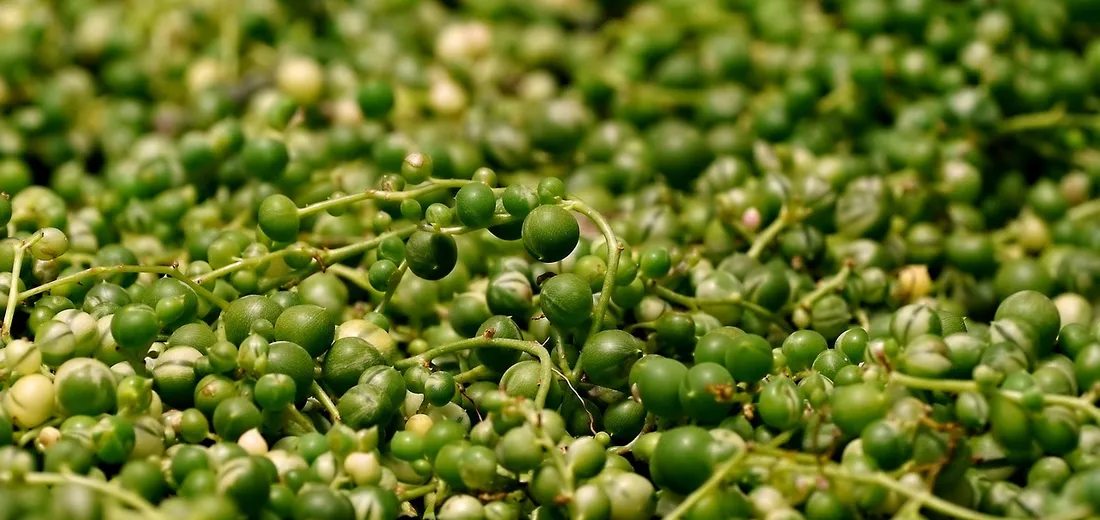
Imagine a living emerald necklace spilling over the edge of a pot-that’s the String of Pearls. I love how its unique, bead-like leaves instantly transform any shelf or hanging basket into a miniature waterfall of green. Scientifically known as Senecio rowleyanus, this succulent is a true conversation starter and a joy to nurture.
Identifying Senecio Rowleyanus
You can spot a true String of Pearls by its distinctive features. I’ve grown many, and the real deal always has these key identifiers:
- Leaves that are perfect, pea-sized spheres.
- A tiny, translucent “window” or stripe on each pearl that lets light in for photosynthesis.
- Vines that can trail several feet long if happy and healthy.
- Delicate, cinnamon-vanilla scented, brush-like white flowers when it blooms.
Be careful not to confuse it with the similar String of Tears or String of Bananas, which have more teardrop or banana-shaped leaves. The pearls are the star here.
Why Grow String of Pearls Indoors?
I recommend this plant to almost everyone, from seasoned plant parents to total beginners. It’s one of the easiest houseplants for beginners to grow. It’s not just pretty—it’s practical.
- It’s a champion of neglect. As a succulent, it stores water in its pearls, forgiving the occasional missed watering.
- It purifies your air. Like other plants, it helps filter common household toxins, giving you cleaner air to breathe.
- It’s a space-saving superstar. Its trailing nature means it doesn’t take up precious table space, making it perfect for small apartments.
- It’s incredibly easy to propagate. Snip a strand, lay it on soil, and you’ll have a whole new plant to keep or share with friends.
From my experience, the simple joy of watching those long tendrils grow is a fantastic, low-stress reward.
Creating the Ideal Environment
Think of your home as the plant’s personal ecosystem. Getting the basics right is the secret to a lush, thriving String of Pearls.
Sunlight Requirements
Light is food for your plant. I’ve found the sweet spot is a bright room with lots of indirect light.
- Perfect Spot: An east or west-facing window is ideal. It gets that gentle morning or afternoon sun without the harsh midday rays that can scorch the pearls.
- What to Avoid: Direct, hot afternoon sun from a south-facing window will literally cook the pearls, leaving them with sunburn scars.
- Not Enough Light? If the pearls start to space out far apart on the vine, it’s stretching for more light. Move it to a brighter location.
Give your plant a quarter-turn every time you water it to ensure all sides get even light and prevent lopsided growth. If you notice leggy growth or pale, stretched leaves, that’s a sign of too little light; brown tips or bleached patches can indicate too much light.
Temperature and Humidity Tips
This plant enjoys the same comfortable conditions you do. It’s not fussy, but it has its limits.
- Ideal Temperature: A cozy range between 70-80°F (21-27°C) is perfect. It can handle average household temperatures with ease.
- The Cold is the Enemy: Keep it away from drafty windows, air conditioning vents, and doors in winter. Anything below 50°F (10°C) can seriously damage or kill the plant.
- Humidity: Standard home humidity is just fine. You don’t need to mist it. In fact, too much moisture on the pearls can lead to rot.
My pearls have thrived for years simply sitting in a warm, bright living room away from any sudden temperature changes. They’re tougher than they look!
Watering and Soil Essentials
Getting the water and soil right is the secret handshake to a thriving String of Pearls. I’ve learned through trial and error that these two factors are deeply intertwined and make or break your plant’s health.
Perfect Soil Mix for Drainage
Your String of Pearls absolutely despises wet feet. Their roots are fine and prone to rot if left in moisture for too long. A standard potting mix is a death sentence for them.
I’ve had the best success with a gritty, fast-draining mix that I make myself. Here is my go-to recipe:
- 2 parts succulent & cactus potting mix
- 1 part perlite
- 1 part coarse sand or poultry grit
This combination creates an airy environment that allows water to flow through instantly, mimicking their dry native habitat. The goal is to have soil that feels dry to the touch just a few days after a thorough watering.
Fertilizing for Healthy Growth
These plants aren’t heavy feeders, but a little nutritional boost during their active growing season encourages lush, full trails.
I use a balanced, water-soluble fertilizer that’s formulated for succulents. The key is to dilute it to half the strength recommended on the bottle. Over-fertilizing can cause a salt buildup in the soil and burn those delicate roots, which is why knowing when and how to fertilize succulents is essential.
My simple fertilizing schedule:
- Fertilize only during spring and summer (the growing season).
- Apply the diluted fertilizer once a month.
- Stop all fertilizing completely in the fall and winter when the plant is dormant.
I always water the soil lightly with plain water first before adding the fertilizer solution. This helps prevent root shock.
Troubleshooting Common Issues
Even with the best care, your plant might send you an SOS. Learning to read these signals quickly is your superpower.
Dealing with Pests and Diseases
The most common uninvited guests on my String of Pearls have been mealybugs and fungus gnats.
- Mealybugs: They look like tiny bits of white cotton fluff tucked in the stem junctions. I dab them directly with a cotton swab soaked in rubbing alcohol. For a larger infestation, I mix a few drops of mild dish soap in a spray bottle with water and thoroughly mist the plant.
- Fungus Gnats: These tiny black flies are a sign your soil is staying too moist. Let the soil dry out completely between waterings. I also use yellow sticky traps to catch the adults.
The best defense against disease is always proper watering-root rot from overwatering is the number one killer of these plants.
Signs Your Plant Is Unhappy
Your plant communicates its needs clearly if you know what to look for.
- Shriveled, wrinkly pearls: This is a classic cry for water. The pearls will plump back up a day or two after a good drink.
- Mushy, discolored pearls (often yellow or brown): This is a sign of overwatering and potential root rot. You need to check the roots immediately and repot into fresh, dry soil if they are brown and slimy.
- Pearls are spaced far apart on the stem (“leggy” growth): The plant isn’t getting enough light. It’s stretching to find a brighter spot.
- Pearls are bursting: This happens when the plant takes up too much water too quickly after a period of drought. It’s a sign to water a little more consistently.
Quick Tip: Gently squeeze a pearl. A firm, plump pearl is happy. A soft or shriveled one needs attention.
Propagating and Repotting
How to Propagate from Cuttings
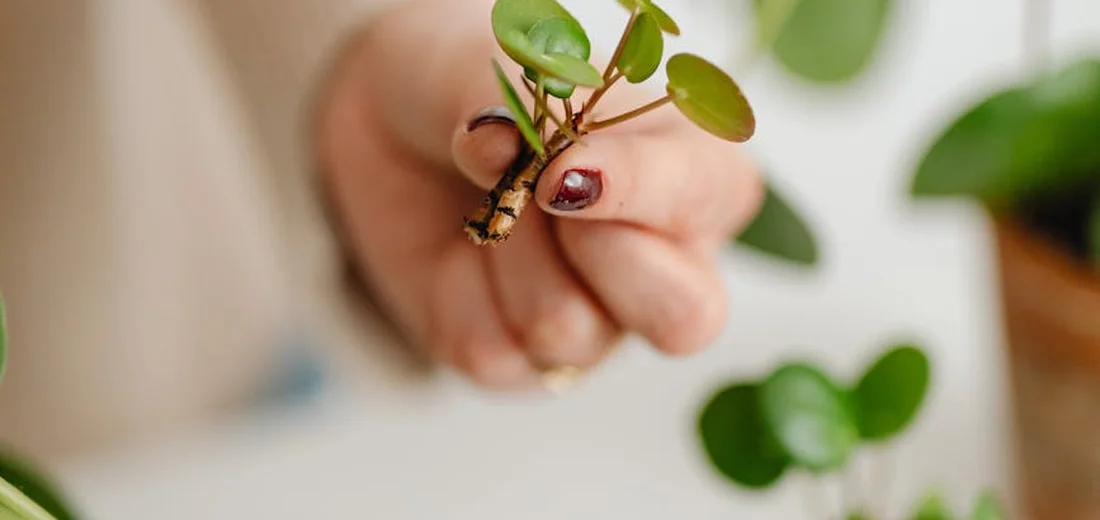
Propagating a String of Pearls is incredibly rewarding and surprisingly simple. I’ve found the most success by taking a healthy, long strand and snipping it into sections about 3-4 inches long. Each cutting should have a few pearls on it.
You have two great options for rooting your cuttings. For the water method, simply place the cut end in a small jar of water, making sure no leaves are submerged. Change the water every few days to keep it fresh, and you should see tiny white roots forming within a couple of weeks. This method is a popular starter step in propagating succulents from cuttings with water. When roots are visible, transplant to a well-draining potting mix to continue the propagation.
My personal favorite is the soil method because it’s a one-step process. Take your cuttings and gently press the cut end into a pot of fresh, damp succulent soil. The secret is to lay a few of the pearls along the soil surface—this is where new roots will often emerge from, giving your new plant a stronger start. Keep the soil lightly moist (not soggy) until you see new growth.
When and How to Repot
Your String of Pearls will happily live in the same pot for years. I only repot mine when I see roots peeking out of the drainage holes or the plant has clearly outgrown its container. The best time for this is in the spring or early summer when the plant is entering its active growth phase.
Choose a new pot that is only one size larger than the current one. A pot that’s too big holds excess moisture, which can lead to root rot. I always opt for a terra cotta pot because the porous material helps the soil dry out more evenly, mimicking their natural dry environment.
When repotting, be gentle with the delicate strands. Tip the pot on its side and carefully coax the plant out, supporting the main root ball with your hand to avoid a “pearl shower.” Use a fresh, well-draining cactus and succulent mix, and wait about a week before giving it its first thorough watering to let any disturbed roots heal. When you resume watering, do so only after the soil is completely dry. Water deeply and allow excess to drain away.
Seasonal Care and Styling
Winter and Summer Care Adjustments
Your care routine needs to shift with the seasons to keep your plant thriving. In the winter, your String of Pearls goes into a rest period, so it needs much less water. I often stretch the time between waterings to 3-4 weeks, only watering when the pearls look slightly shriveled.
During the short, dim days of winter, hold off on fertilizing completely. If you’re using grow lights to supplement sunlight, your plant may continue to grow slowly, but it still won’t need as much water as in the summer when watering succulents.
Summer is its time to shine! This is when you can resume a regular watering schedule and provide a half-strength, balanced liquid fertilizer once a month. Be mindful of intense, direct afternoon sun, which can scorch the pearls. A spot with bright, indirect light is perfect for the growing season.
Creative Display Ideas
The trailing nature of this plant makes it a superstar for home decor. My absolute favorite way to display a String of Pearls is in a hanging basket, allowing the tendrils to cascade down like a living curtain. It’s a fantastic space-saver and puts the plant on full display.
Don’t have a place to hang a pot? No problem. Place it on a high shelf, a tall bookcase, or the top of a wardrobe, and let the strands trail down the side. The vertical element adds incredible interest to any room. For hanging plants indoors, this setup works especially well, letting greenery cascade for a lush indoor vibe. Experiment with different pot shapes and vine lengths to create a living wall you can admire every day.
For a truly stunning look, try a combination planting. I love planting my String of Pearls in a wide, shallow bowl with other small, upright succulents like Echeveria or Haworthia. The contrast between the round pearls and the rosette shapes creates a beautiful, textured mini-garden. It’s perfect for small spaces. You can create a mini succulent garden on a balcony, windowsill, or desk.
FAQs
What is Senecio rowleyanus care?
Senecio rowleyanus care requires providing bright indirect light, well-draining soil, and infrequent watering to thrive.
How to care for Senecio rowleyanus indoors?
Care for Senecio rowleyanus indoors by placing it in bright, indirect light and ensuring the soil dries out between waterings.
How to water Senecio rowleyanus?
Water Senecio rowleyanus only when the soil is completely dry to prevent overwatering and root rot.
What is Senecio rowleyanus care in the UK?
In the UK, Senecio rowleyanus care may involve using grow lights in winter and protecting it from excess humidity and cold drafts. To use grow lights effectively for succulents, choose a full-spectrum, low-heat fixture and position it about 15–30 cm from the plant. Run it for 12–14 hours a day during shorter winter days.
What are the characteristics of Senecio rowleyanus?
Senecio rowleyanus features trailing stems with spherical, bead-like leaves that have a translucent window for light absorption.
How to propagate Senecio rowleyanus?
Propagate Senecio rowleyanus by placing stem cuttings on soil or in water until roots develop for new growth.
You’ve Got This!
Remember, the secret to a thriving String of Pearls is mimicking its natural, dry habitat: provide bright, indirect light, water only when the soil is completely dry, and use a fast-draining succulent mix. Stick to these core principles:
- Bright light is non-negotiable for plump pearls.
- Soak and dry watering prevents root rot.
- Well-draining soil is your best insurance policy.
Now go enjoy your beautiful, bead-like plant! Don’t be afraid to get your hands a little dirty and trust your instincts-you have everything you need to help your String of Pearls flourish.
Further Reading & Sources
- How to Care For String Of Pearls: A Beautiful Hanging Succulent
- String of Pearls Care Instructions – Plantify – Urban Nursery
- String of Pearls Care Guide | Tui | Planting and care
- All about string of pearls care & growing this trailing succulent!
Lena Greenfield is a passionate horticulturist and plant care expert with over 10 years of experience cultivating and nurturing hardy house plants. With a deep understanding of both indoor and outdoor gardening, Lena shares practical advice on choosing, caring for, and maintaining resilient plants that flourish year-round. Through her knowledge and hands-on approach, Lena helps plant lovers transform their spaces into vibrant, green sanctuaries, no matter their gardening experience.
Types of Succulents