
Crested Succulents: The Ultimate Guide to Their Formation and Propagation
Published on: January 2, 2026 | Last Updated: January 2, 2026
Written By: Lena Greenfield
Have you ever spotted a succulent with a wavy, fan-shaped top and wondered what caused such a beautiful mutation? You might even worry it’s a sign of disease, but I’m here to tell you it’s a rare and treasured phenomenon.
In this guide, I’ll walk you through everything from my own experience collecting these oddities. We will cover how crested succulents form, how to care for them, and the best methods to propagate your own.
Unpacking the Crested Succulent Phenomenon
The Science Behind the Spectacle: Fasciation Explained
When I first stumbled upon a crested succulent in my collection, it stopped me in my tracks-it wasn’t just another plant, but a living sculpture with waves and folds instead of the usual symmetrical shape. Fasciation is the quirky scientific term for this, and it happens when the plant’s growth tip, or meristem, flattens out and spreads into a ribbon-like form. Think of it like a traffic jam in the plant’s cellular highway; instead of growing in a single file, cells multiply in a broad, linear pattern, creating those stunning, fan-shaped displays.
In my experience, this isn’t a disease or a sign of poor health-it’s a natural mutation that can pop up randomly. Common triggers include genetic quirks, physical damage to the growing point, or even environmental stressors like frost or pests. I’ve noticed that some succulent varieties, like echeverias or cacti, are more prone to fasciation, and once it starts, the plant keeps growing in that unique pattern unless something interrupts it.
- Genetic factors: Some plants inherit a tendency for fasciation, making it more likely in certain species.
- Environmental stress: Things like temperature swings or minor injuries can kickstart the mutation.
- Random chance: Often, it just happens without a clear cause, adding to the mystery and charm.
Understanding fasciation helps you appreciate these plants as nature’s art, not flaws. If you spot a crested succulent, it’s a lucky find-they’re rare and highly sought after by collectors like me. Over the years, I’ve learned that crested growth doesn’t harm the plant; it just redirects energy into that spectacular form, which can make it a bit more delicate but utterly captivating.
Spotting Crested Succulents in the Wild and Nursery
Hunting for crested succulents is one of my favorite pastimes, whether I’m exploring a local nursery or hiking in arid regions. In the wild, look for plants with flattened, elongated stems that resemble fans or crests, often mixed among normal-growing specimens. They might be tucked away in rocky outcrops or dry soils, where stress factors increase the odds of fasciation. I once found a crested opuntia cactus on a desert trail-its wavy pads stood out like a sea creature among the spiky normals.
At nurseries, crested succulents are often labeled as “cristate” or “monstrose” and placed in special sections because they’re prized. Check for signs like irregular, crowded growth patterns or stems that seem to merge together, rather than the typical rosette or columnar shape. I always advise new growers to gently inspect the plant; crested varieties might have more crevices where moisture can hide, so they need extra care to prevent rot. That same process is at the heart of our Identify Your Succulent Plant Type: Complete Guide. It walks you through how to categorize plants like crested, cristate, and monstrose so you can tailor care to their growth forms.
- Examine the growth tip: If it’s wide and flat instead of pointy, you’ve likely found a crested form.
- Look for symmetry breaks: Normal succulents are orderly; crested ones are wonderfully chaotic.
- Feel the texture: Crested parts often feel denser and more intricate to the touch.
Whether in nature or a shop, spotting these gems takes a keen eye. Quick tip: Bring a magnifying glass on your next nursery visit – it helps you see the fine details of fasciation up close. From my own mishaps, I can say that crested succulents from nurseries are usually healthier because they’re propagated carefully, while wild ones might need acclimating to indoor life. If you’re adding newly propagated succulents to your collection, a quick aftercare guide can help them settle in. Our aftercare guide for newly propagated succulents covers light, watering, and gradual acclimation to indoor life. Either way, adding one to your collection brings a touch of eco-friendly wonder to your home.
Caring for Your Unique Crested Specimen
Light and Water: The Delicate Balance
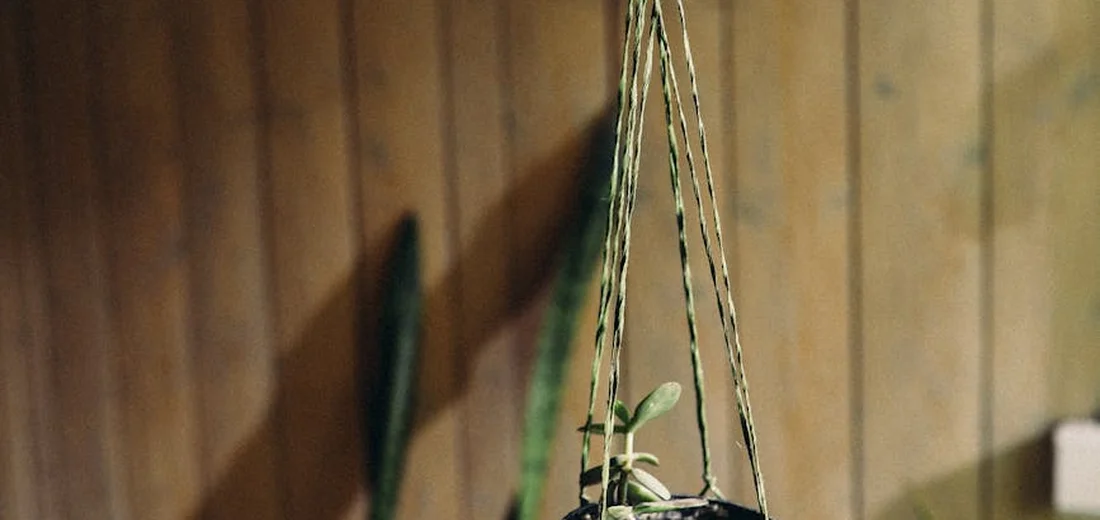
Your crested succulent needs bright, indirect light to thrive without getting scorched. I keep mine about a foot away from a south or east-facing window, where they get plenty of gentle morning sun but are protected from the harsh afternoon rays. Direct, intense light can easily burn those beautiful, crowded growth points. Different succulents vary in their light needs—some crave bright sun, others thrive with bright indirect light. Knowing each plant’s preference helps you avoid sunburn or etiolation.
Watering requires a more observant approach than with a regular succulent. Wait until the soil is completely dry all the way through before you even think about watering again. I stick my finger deep into the pot to check; if it feels even slightly cool or damp, I walk away. Overwatering is the fastest way to lose one of these treasures. These are common succulent watering mistakes to avoid.
When you do water, give it a thorough soak until water runs freely from the drainage hole. Quick tip: Water less frequently in the winter when growth naturally slows down. The plant will tell you what it needs-plump, firm growth points mean you’re doing it right.
The Perfect Soil Mix for Stability
Crested succulents often have unusual, top-heavy forms, so they need a gritty, fast-draining soil that also provides excellent anchorage. I’ve found that a standard bagged succulent soil is often too moisture-retentive on its own and needs to be amended. Do succulents really need special soil? The truth is they mostly require fast drainage and airy texture, not a proprietary or overly moisture-retentive mix. The goal is to create a mix that drains in seconds, not minutes.
My go-to homemade recipe is simple and has never failed me:
- 2 parts potting soil
- 1 part coarse perlite
- 1 part poultry grit or small pumice
The perlite provides aeration, while the gritty sand or pumice adds weight and stability to the pot. This chunky mix prevents water from pooling around the base of the crest, which is a common point of rot. You want the roots to have something substantial to grip onto while allowing excess moisture to vanish quickly.
Propagating Crested Succulents: A Step-by-Step Guide
Propagating a crested succulent feels like magic, but it requires a gentle hand and a bit of patience. Unlike their normal counterparts, crested plants can’t be reliably grown from a single leaf; you need a piece of the stem that contains the mutated growth tissue. For many other succulents, leaf cuttings are a simple, rewarding way to propagate. Cresteds, however, usually require stem cuttings. I’ve had the most success with the following two methods.
Method 1: Propagating from Stem Cuttings
- Select a healthy crest section for cutting. Look for a fan-like part of the crest that is firm, well-colored, and about the size of a large grape. Avoid any sections that look weak or discolored.
- Make a clean, precise cut with a sterile tool. I wipe my sharpest knife or razor blade with isopropyl alcohol. A clean cut heals faster and is less likely to introduce disease.
- Let the cutting callous properly. This is non-negotiable. Place the cutting in a dry, shaded spot for at least 3-5 days, or until the cut end has formed a dry, hard scab.
- Using rooting hormone (optional but recommended). I always dip the calloused end into a rooting powder. It’s not a guarantee, but it significantly boosts the chances of successful root development.
- Plant in the appropriate soil mix. Use the gritty mix described earlier. Just set the calloused end on top of the soil; don’t bury it deeply.
- Provide the right environment for rooting. Place the pot in bright, indirect light and resist the urge to water for at least a week. After that, you can begin lightly misting the soil around the base every few days once you see tiny new roots forming.
Method 2: Separating and Rooting Offsets (Pups)
Sometimes, a mature crested plant will produce a small offset, or “pup,” from its base. This is the easiest way to get a new plant, as the pup is already growing with its own root system. Wait until the offset is at least one-third the size of the main plant before you attempt separation.
- Identify a viable offset growing from the main crest. Gently brush away a little soil from the base to see where the pup connects to the mother plant.
- Carefully divide the offset from the parent plant. I use a sterile, pointed tool to gently wiggle and tease the connection apart, trying my best to preserve any roots the pup already has.
- Prepare the offset for planting (callousing). Even if you got some roots, let any broken or cut surfaces dry and callous over for a day or two before potting.
- Pot the offset and initial care. Plant it in a small pot with your gritty soil mix. Quick tip: If the pup already had roots, you can give the soil a light watering right away to help it settle in. If it was a clean break with no roots, treat it like a cutting and wait to water until roots appear.
After the Cut: Post-Propagation Care and Challenges
You’ve made the cut, and now you have a fresh crested succulent piece ready to grow. This is where your patience and observation skills really come into play. I’ve learned through trial and error that the first few weeks are the most critical for your new plant’s survival.
Immediate Aftercare: The First Few Days
Right after you take a cutting, the most important step is callusing. This means letting the cut end dry out and form a hard, protective layer.
- Place the cutting in a bright spot, but out of direct, hot sunlight.
- Leave it completely alone for 3 to 7 days. No water, no soil, just air.
- You’ll know it’s ready when the cut surface looks dry, sealed, and maybe even a little puckered.
I sometimes dust the cut end with cinnamon, a natural fungicide I always have in my kitchen. This simple trick helps prevent rot before the plant even touches soil.
Potting and The First Watering
Once callused, it’s time to give your cutting a home. Use a very well-draining succulent mix. I make my own with two parts potting soil, one part perlite, and one part coarse sand.
- Fill a small pot with a drainage hole with your dry soil mix.
- Gently place the callused end on top of the soil. Don’t bury it deep.
- You can use small rocks or stakes to help it stay upright if it’s top-heavy.
Now, the waiting game continues. Do not water your new cutting for at least another week after potting. This encourages the plant to send out tiny new roots in search of moisture.
Establishing a Watering Routine
After that initial waiting period, you can give it its first sip. I use a spray bottle to lightly moisten the top layer of soil around the base, avoiding a full drench.
- Water only when the soil is completely dry.
- Gradually transition to a thorough “soak and dry” method as you see new growth.
- Signs of new roots are your green light to treat it more like an established plant.
Overwatering is the fastest way to lose a succulent propagation, so when in doubt, wait it out. A thirsty plant is easier to save than a drowned one. Proper watering is crucial for succulent cuttings and propagations.
Common Challenges and How to Solve Them
Even with perfect care, crested succulents can be tricky. Here are the issues I see most often.
Rotting at the Base
If the base of your cutting turns mushy or black, it’s rot. This usually means it was watered too soon or the soil stayed wet. You must act fast-cut above the rot, let it callus again, and restart the process.
No Root Growth
Sometimes a cutting just sits there for weeks. Don’t panic. Ensure it’s getting plenty of bright, indirect light. You can try a rooting hormone, but I find that patience and stable conditions usually win in the end.
Reverting to Normal Growth
Your beautiful crested form might suddenly start growing a normal, single stem. This is called reverting. You can carefully cut off the normal growth to encourage the plant to focus its energy on the crested part. I’ve had to do this with several of my Echeverias to maintain their unique shape.
FAQs
How do you propagate crested succulents?
Crested succulents are best propagated from stem cuttings or offsets that contain the mutated growth tissue.
Can crested succulents be propagated from leaf cuttings?
No, crested succulents cannot be reliably propagated from leaf cuttings due to the lack of necessary mutated tissue. However, understanding what are crested succulents and their unique growth patterns can help in their care and propagation.
Do crested succulents root readily in soil or water?
Crested succulents root more reliably in well-draining soil, as water propagation can increase the risk of rot.
How long does it take crested succulents to root after propagation?
It typically takes a few weeks for crested succulents to develop roots after propagation, depending on environmental conditions. For a full timeline of how long propagation takes, see our complete timeline guide. It walks you from rooting to full growth.
Should you use hormone rooting powder for crested succulents propagation?
Using hormone rooting powder is optional but recommended to improve the chances of successful root development.
What are signs of successful propagation in crested succulents?
Signs include the emergence of new roots and fresh growth from the cutting or offset.
Your Crested Succulent Success Starts Here
From my own collection, I can tell you that crested succulents thrive when you understand their unique formation and use gentle propagation methods. Transplanting and propagating them successfully comes down to patient care. With the right soil mix and careful rooting, you can set them up for thriving growth.
- They form from random mutations causing fanned growth, not from special seeds.
- Propagate carefully with stem cuttings or offsets, knowing not all will crest.
- Give them bright light and well-draining soil to prevent rot and encourage health.
I promise, with a little patience, your crested plants will grow into stunning showpieces. For ongoing tips and my personal growing stories, follow along at Hardy House Plants (www.hardyhouseplants.com) where we make plant care easy and fun for everyone.
Further Reading & Sources
- What Is A Crested Succulent – Information About Cresting Succulents | Gardening Know How
- Crested and Monstrose Succulents with Normals – Debra Lee Baldwin
- Understanding Crested Succulents & Monstrose Cactus | The Succulent Eclectic
- Everything You Need to Know about Monstrose and Crested Succulents – Sprouting Indoors | Succulent, Cactus and Houseplant Tips
Lena Greenfield is a passionate horticulturist and plant care expert with over 10 years of experience cultivating and nurturing hardy house plants. With a deep understanding of both indoor and outdoor gardening, Lena shares practical advice on choosing, caring for, and maintaining resilient plants that flourish year-round. Through her knowledge and hands-on approach, Lena helps plant lovers transform their spaces into vibrant, green sanctuaries, no matter their gardening experience.
Propagation Methods