
What Are Crested Succulents? The Curious Plant Mutation Explained
Published on: January 19, 2026 | Last Updated: January 19, 2026
Written By: Lena Greenfield
You might have spotted a succulent that looks like a miniature, wavy coral reef and wondered what on earth it is. This isn’t a sick plant; it’s a special and highly sought-after mutation called “cristation” or “cresting.”
In this guide, I’ll share my experience collecting these oddities to help you understand what crested succulents are, what causes the mutation, how to care for them properly, and where you can find your own.
Defining the Crested Succulent Mutation
In my own collection, a crested succulent is the rock star that always gets comments. Instead of forming a standard rosette, the plant’s growth point, called the apical meristem, elongates into a line or a fan shape. This creates dense, wavy, and almost brain-like formations that are wildly different from their normal siblings.
The Science Behind Fasciation
The proper term for this is fasciation. Think of the plant’s main growing tip as a single-lane highway. In a crested succulent, that single lane suddenly widens into a multi-lane expressway, causing cells to divide and grow in a flattened, ribbon-like pattern. It’s a random glitch in the plant’s cellular programming that leads to incredible, sculptural beauty.
I’ve seen this happen overnight on an Echeveria, where the center just seemed to split open into a wide, undulating crest. This mutation can affect the stem, the flower, or even the entire root system, though stem fasciation is what we typically see and covet in succulents.
Why Do Succulents Become Crested?
After years of talking with growers and observing my own plants, I’ve found the causes boil down to two main categories. Sometimes it’s pure, random luck, and other times, the plant is reacting to something in its environment.
Genetic Predisposition
Some succulent varieties are just more prone to cresting than others. In my experience, Euphorbias, some Cacti, and Echeverias seem to throw crested forms more readily, suggesting a latent genetic trigger. With so many types of succulents, this area fits into a broader, comprehensive overview of succulent diversity. The upcoming sections summarize major groups and cresting tendencies across the spectrum.
- Stable Crests: These are often propagated and sold because the cresting trait is reliably passed on to cuttings.
- Unstable Crests: The plant might revert to normal growth or even produce a monstrose (more lumpy, less organized) form on the same plant.
Quick Tip: If you propagate from a crested section, you have a good chance of getting another crested plant, but it’s never a 100% guarantee.
Environmental Stress and Damage
This is the more fascinating cause, in my opinion. A perfectly normal succulent can suddenly crest after its main growing point has been physically damaged or stressed. I’ve seen it happen after a hail storm damaged a tray of young Sempervivums.
The plant’s response to this injury is to activate multiple secondary growth points to compensate, which can fuse together into that characteristic crest. Common stressors include:
- Insect infestations boring into the meristem
- Frost or hail damage to the central growth point
- Chemical exposure from herbicides or pesticides
- Even a bacterial or viral infection can trigger the mutation
The plant isn’t being “deformed”; it’s demonstrating an incredible, resilient will to survive and grow in a new, unique way.
Popular Types of Crested Succulents
Echeveria and Crested Forms
In my collection, crested Echeverias are the undisputed stars. Their normally tight rosettes transform into wavy, coral-like fans that look almost otherworldly. I’ve found the ‘Crested Blue Curls’ variety to be particularly stunning, with its ruffled, powdery blue leaves.
You’ll often see crested forms of Echeveria ‘Perle von Nurnberg’ and Echeveria ‘Topsy Turvy’ for sale. Each one is completely unique, with no two plants cresting in exactly the same mesmerizing pattern. I love running my fingers gently over the textured, undulating surface-it’s a real sensory treat.
Crested Cacti and Other Varieties
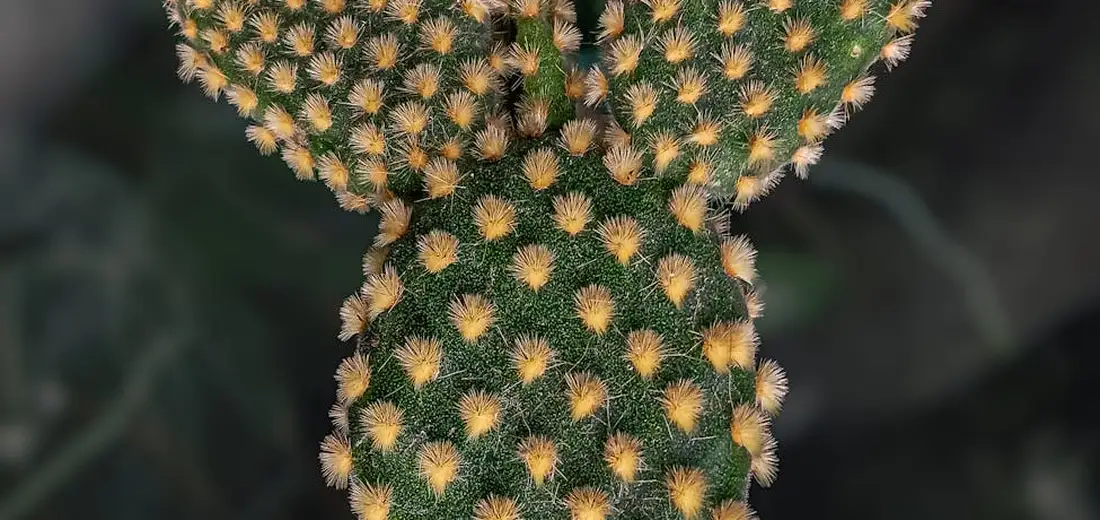
Beyond Echeverias, the cresting mutation appears in many other succulent families. Crested cacti are a personal favorite; my crested Old Lady Cactus (Mammillaria hahniana) looks like a fuzzy, brain-shaped snowball. Crested cacti often grow in dense, contorted mounds that completely redefine the plant’s shape.
Keep an eye out for these other commonly crested varieties:
- Crested Senecio vitalis (Blue Chalk Sticks): Instead of upright fingers, it forms a sprawling, sea-creature-like mat.
- Crested Euphorbia: Many species, like the “Coral Cactus” graft, display intense, tightly packed ridges.
- Crested Aeonium: Their typical branchy form flattens out into a spectacular, large crest.
Quick Tip: When buying a crested cactus, look for firm, brightly colored flesh and avoid any with soft, mushy spots, which can indicate rot.
Caring for Your Crested Succulent
Light and Placement Needs
Crested succulents need bright, indirect light to thrive. I keep mine in an east-facing window where they get plenty of gentle morning sun but are protected from the harsh afternoon rays. Too much direct sun can easily scorch their unique, often densely-packed growth. It’s important to understand how much light different succulents require to keep them healthy.
If you only have a south-facing window, a sheer curtain is your best friend. It diffuses the light perfectly, preventing sunburn while still giving your plant the energy it needs to grow. I learned this the hard way with a beautiful crested Haworthia that got a nasty tan line!
Watering and Soil for Stable Growth
This is where crested succulents can be a bit more demanding than their normal counterparts. Their bizarre growth form can create tight nooks where water gets trapped, making them more prone to rot. I use a super-fast-draining mix: two parts potting soil to one part perlite and one part coarse sand. Bottom watering helps keep moisture even and reduces rot risk in crested forms. This technique is a key part of my complete guide to bottom watering techniques for succulents.
My watering rule is simple but effective. I always use the “soak and dry” method, but I’m extra careful to water only the soil, avoiding the crown of the plant itself. I let the soil dry out completely between waterings, and in the winter, I might only water once a month or less.
Managing Pests and Disease
The unique architecture of a crested succulent is a magnet for mealybugs and spider mites. I check my plants weekly, using a bright flashlight to peer into all the fascinating crevices where pests love to hide. Early detection is everything.
If I spot a fluffy white mealybug, my go-to solution is a cotton swab dipped in isopropyl alcohol. A quick dab directly on the pest dissolves it on contact without harming the plant. For a more widespread issue, I mix a few drops of mild dish soap in a spray bottle with water and gently mist the affected areas. For succulents kept indoors, this combination is often the best way to eliminate mealybugs. If needed, repeat every 5-7 days until the plant is clean.
The best defense against disease is always proper watering and good air circulation. A small fan on a low setting in the room can work wonders to keep the air moving and prevent fungal issues from taking hold in those beautiful, complex folds.
Propagating Crested Succulents
Taking and Rooting Cuttings
I’ve found that propagating a crested succulent from a cutting is your most reliable path to success. The key is to select a healthy, firm segment from the main crest, ensuring you use a sterile, sharp knife for a clean cut. Let the cutting callous over in a dry, shaded spot for several days—this step is non-negotiable to prevent rot. For detailed guidance, check out how to propagate succulents from leaves and cuttings.
Once calloused, I place the cutting on top of a very well-draining succulent mix. Resist the urge to water it right away; wait until you see tiny new roots forming, which signals it’s ready for a gentle drink. This method has given me the best results, though patience is essential as growth can be slow.
The Role of Grafting
Grafting is a more advanced technique, one I’ve experimented with to save a fragile crested section. You essentially attach the crested part onto the stable rootstock of a hardier, normal succulent. This provides the mutation with a robust “engine” for water and nutrients. Understanding how crested succulents form and propagate can guide your grafting choices and future propagation.
It’s a fascinating process, but I recommend it only if you’re comfortable with plant surgery. The success rate is variable, and the crested growth can sometimes revert or be overtaken by the rootstock over time.
The Challenges and Joys of Crested Succulents
Understanding Their Fragile Nature
Crested succulents are not the tough, low-maintenance plants their normal cousins are. Their dense, folded growth is a magnet for moisture and debris, making them highly susceptible to rot and fungal issues. I’ve learned to water mine even more sparingly, ensuring water never pools in the crevices—especially since overwatering can be particularly damaging to these plants.
Their growth is also unpredictable and often weaker. You must handle them with extreme care, as a bump can easily break a delicate, fan-shaped section. Think of them as the delicate, high-maintenance artist in your plant collection.
Appreciating Their Rarity and Value
Despite the challenges, the joy of owning a crested succulent is immense. Each one is a living sculpture, a unique piece of natural art that you won’t find on every garden center shelf. I still get a thrill every time I look at the brain-like, swirling forms of my collection. These sculptural plants invite creative ways to display them around your home. Experiment with hanging terrariums, geometric pots, or stacked shelves to turn your succulents into living art.
Their rarity makes them special. Because the mutation is a genetic lottery and can’t be reliably reproduced, no two crested succulents are ever exactly alike. Owning one feels like being the custodian of a wonderful, one-of-a-kind natural wonder.
FAQs
Where can I buy crested succulents?
Crested succulents are often sold through specialized online nurseries, local plant shops, and succulent enthusiast groups on platforms like Facebook or Instagram. This complete shopping guide will explain where to buy succulent plants and how to choose reliable sources. We’ll cover online nurseries, local shops, and community groups to help you decide what works best for you.
How can I view images of different crested succulents?
You can find a wide variety of crested succulent images on gardening websites, social media pages, and image databases like Google Images or Pinterest.
Are crested succulents available for purchase in Australia?
Yes, crested succulents can be found for sale in Australia through online Australian plant retailers, local markets, and specialty succulent nurseries.
What are the key care tips for crested succulents?
Ensure they receive bright, indirect light, use well-draining soil, and water carefully to prevent moisture from pooling in their unique growth folds.
How can I identify a crested succulent?
Look for a flattened, wavy, or fan-shaped growth pattern instead of the usual symmetrical rosette or stem seen in normal succulents.
What can I learn from Reddit about crested succulents?
Reddit communities such as r/succulents provide user experiences, care tips, and recommendations for where to find and how to maintain crested varieties.
Celebrate the Wonder of Crested Succulents
From my years of growing succulents, I’ve learned that crested varieties thrive when you provide bright, indirect light, water only when the soil is bone-dry, and use a well-draining soil mix. Stick to these core practices to keep your plant healthy and unique.
- Position them in a spot with plenty of filtered sunlight.
- Water sparingly to prevent rot-wait until the soil is completely dry.
- Choose a cactus or succulent-specific soil for optimal drainage.
I’ve watched many gardeners fall in love with these quirky plants, and you can confidently grow yours too. For ongoing tips and support, follow along at Hardy House Plants (www.hardyhouseplants.com)-I’m here to help your plant-parenting journey stay joyful and successful!
Further Reading & Sources
- Crested Succulent Info: Understanding Crested Succulent Mutations
- Davesgarden
- What is a Crested Succulent? | Succulents and Sunshine
- Understanding Crested Succulents & Monstrose Cactus | The Succulent Eclectic
Lena Greenfield is a passionate horticulturist and plant care expert with over 10 years of experience cultivating and nurturing hardy house plants. With a deep understanding of both indoor and outdoor gardening, Lena shares practical advice on choosing, caring for, and maintaining resilient plants that flourish year-round. Through her knowledge and hands-on approach, Lena helps plant lovers transform their spaces into vibrant, green sanctuaries, no matter their gardening experience.
Types of Succulents