
How to Create the Perfect Microclimate for Your Indoor Plants
Published on: June 1, 2026 | Last Updated: June 1, 2026
Written By: Lena Greenfield
Are your indoor plants looking droopy or discolored no matter how much you care for them? I’ve been growing plants indoors for over a decade, and I learned that the real game-changer is setting up a tailored microclimate.
In this article, I’ll break down my proven methods for optimizing light exposure, humidity levels, temperature consistency, air circulation, and watering routines so your plants can truly flourish.
Your Indoor Plant’s Microclimate Explained
Think of a microclimate as your plant’s personal bubble. This is the immediate environment surrounding your plant, and it’s often very different from the general room conditions. I’ve seen plants thrive in a seemingly dry room because they were grouped together, creating their own humid little pocket. A plant sitting on a sunny windowsill lives in a warmer, brighter world than one on a bookshelf just a few feet away. Understanding this concept is the first step to becoming a truly intuitive plant parent.
The Four Pillars of a Perfect Plant Microclimate
Getting your plant’s environment right boils down to mastering four key elements. When you get these four factors working in harmony, your plants will reward you with explosive growth and vibrant health. I learned this through years of trial and error, killing a few unfortunate succulents along the way before it finally clicked.
Humidity: The Invisible Hydration Boost
Humidity is the amount of moisture in the air, and for many tropical plants, it’s a non-negotiable. Dry air sucks moisture right out of plant leaves, leading to crispy brown tips that no amount of watering can fix. My Calatheas used to look scorched until I upped their humidity game. So are those symptoms a sign of low humidity, or could high humidity also stress the plant in different ways? Understanding how humidity levels affect your plants helps you tune their environment for healthier growth.
- Group Plants Together: Plants release water vapor. Placing them close creates a shared, more humid atmosphere.
- Use a Pebble Tray: Fill a shallow tray with pebbles and water. Place your plant pot on top, ensuring the pot’s base isn’t sitting in the water. As the water evaporates, it humidifies the air right around the plant.
- Run a Humidifier: This is my go-to solution for my plant shelf. It’s the most effective way to control humidity levels precisely.
- Mist With Caution: Misting provides a very temporary boost. For succulents and cacti, avoid it entirely, as it can promote rot.
Quick Tip: Bathrooms with a window are often perfect for humidity-loving plants like ferns and orchids!
Temperature: Finding the Comfort Zone
Most of our common houseplants prefer the same temperatures we do. Sudden temperature swings are a bigger enemy than a consistently cool or warm spot. I lost a beautiful Fiddle Leaf Fig to a drafty door I didn’t think was a problem.
- Avoid Drafts: Keep plants away from frequently opened doors, air conditioning vents, and heating radiators.
- Understand Day/Night Drops: A slight temperature drop at night is natural and healthy for plants.
- Watch for Hot Surfaces: A windowsill can get scorchingly hot in direct summer sun, essentially baking your plant’s roots.
Feel the leaves. If they’re uncomfortably hot or cold to your touch, your plant feels it too.
Light Intensity: The Engine of Growth
Light is food for plants. Getting the intensity right means matching the plant’s needs to the actual light in a specific spot, not just a room’s general brightness. I learned to “read” the light by observing the shadows my hands cast.
- Bright Direct Light: A sunny south-facing window where the sun’s rays directly hit the plant. Best for cacti and many succulents.
- Bright Indirect Light: The gold standard for most houseplants. This is a bright spot where the plant never sits in the harsh, direct sun. Think near a sunny window but off to the side.
- Medium Light: Areas several feet away from a sunny window or in a room with an east-facing window. Good for plants like ZZ Plants and Snake Plants.
- Low Light: Dim corners or north-facing windows. Few plants truly thrive here, but some, like the Cast Iron Plant, will tolerate it.
Air Circulation: The Secret to Strong Plants
Stagnant, still air is a recipe for trouble. Good air movement strengthens plant stems, helps water evaporate properly from the soil, and prevents fungal diseases like powdery mildew. I noticed a huge difference in my plants’ resilience after I started paying attention to airflow.
- Use a Gentle Fan: A small oscillating fan on a low setting, placed at a distance, can work wonders. Never point it directly at a plant.
- Open a Window: On mild days, cracking a window provides fresh air and natural circulation.
- Don’t Crowd Plants: Give your plants a little breathing room. Overcrowding creates damp, stagnant pockets of air.
A simple breeze from a ceiling fan is often all it takes to keep the air in your plant’s microclimate fresh and moving.
Essential Tools to Measure Your Microclimate
You don’t need a fancy lab to understand your home’s environment. A few simple, inexpensive tools can tell you everything you need to know about the air your plants are breathing. I’ve relied on these for years to stop guessing and start giving my plants exactly what they need.
Start with a digital thermometer and hygrometer. This little device is my plant-care sidekick. It shows both temperature and humidity on one screen. I keep one in my main plant room to get a baseline reading. These tools are essential for plant health monitoring and care. Regular readings help you spot problems early and adjust watering, light, and airflow. Place it away from direct sunlight and heating vents for the most accurate picture of your general room conditions.
For light, a simple light meter app on your phone works surprisingly well. I use one to map out the light levels in every corner of my home throughout the day. Just hold your phone where the plant’s leaves are. This instantly shows you the difference between a “bright, indirect light” spot and a “low light” area, taking the mystery out of placement.
- Digital Thermometer/Hygrometer Combo: Tracks temperature and humidity simultaneously.
- Light Meter App: Uses your phone’s camera to measure light intensity (foot-candles or lux).
- Your Own Observation: Feel the soil, watch for leaf curl, and note new growth. Your eyes and fingers are powerful tools.
Creating Microclimates for Tropical Plants and Succulents
This is where the magic happens. You can have a Fiddle Leaf Fig thriving next to a sun-loving Echeveria in the very same room. The secret is treating different areas of your home as unique mini-environments tailored to specific plant families. I group my plants by their needs, not just by how they look.
Catering to Your Tropical Beauties
Plants like Monsteras, Philodendrons, and Calatheas come from steamy jungles. They crave that moist, warm air. My bathroom with a north-facing window is a paradise for them. Grouping several tropical plants together is my number-one trick for naturally raising the humidity around their leaves. As they release water vapor, they create their own little communal spa.
If your air is still too dry, a pebble tray is a classic, low-tech solution. Fill a shallow tray with pebbles and water, and set your plant pot on top. As the water evaporates, it wraps your plant in a gentle, humid hug without risking root rot from overwatering. I have these under my Bird of Paradise and it makes a visible difference.
- Cluster Your Plants: Place humidity-lovers close together to create a shared moist zone.
- Employ a Pebble Tray: A simple, passive way to boost local humidity by up to 15%.
- Mist with Care: A fine mist in the morning can help, but it’s a temporary fix. Focus on long-term solutions like grouping.
Setting Up Your Succulents for Success
Succulents and cacti are the opposites of tropical plants. They want dry air, lots of sun, and excellent air circulation. I give my succulents the sunniest, driest spot in the house—usually a south-facing windowsill where the heat builds up during the day. This mimics the arid, bright conditions they evolved in. And while many succulents are associated with deserts, some actually come from tropical or subtropical habitats. Understanding their native habitats helps explain why care can vary among species.
The pot and soil are crucial here. I always plant my succulents in unglazed terracotta pots. Terracotta is porous, allowing the soil to dry out quickly and breathe, which prevents the soggy conditions that cause succulent roots to rot. Pair that with a gritty, fast-draining cactus mix, and you’ve built a perfect desert-like foundation.
A small, personal fan on a low setting near your succulent shelf can work wonders. Gentle air movement strengthens their stems and replicates the constant breezes of their native habitats, keeping fungal issues at bay. I run one for a few hours a day in my succulent corner, and the plants are noticeably sturdier. These are essential care tips to avoid killing your succulents. Pairing airflow with proper watering and light helps keep them healthy and resilient.
- Maximize Sun Exposure: A south or west window is ideal for most succulents and cacti.
- Choose Terracotta Pots: Their breathability is a game-changer for preventing overwatering.
- Promote Airflow: A small fan prevents stagnant, moist air from settling around the plants.
Spotting the Signs of a Microclimate Gone Wrong
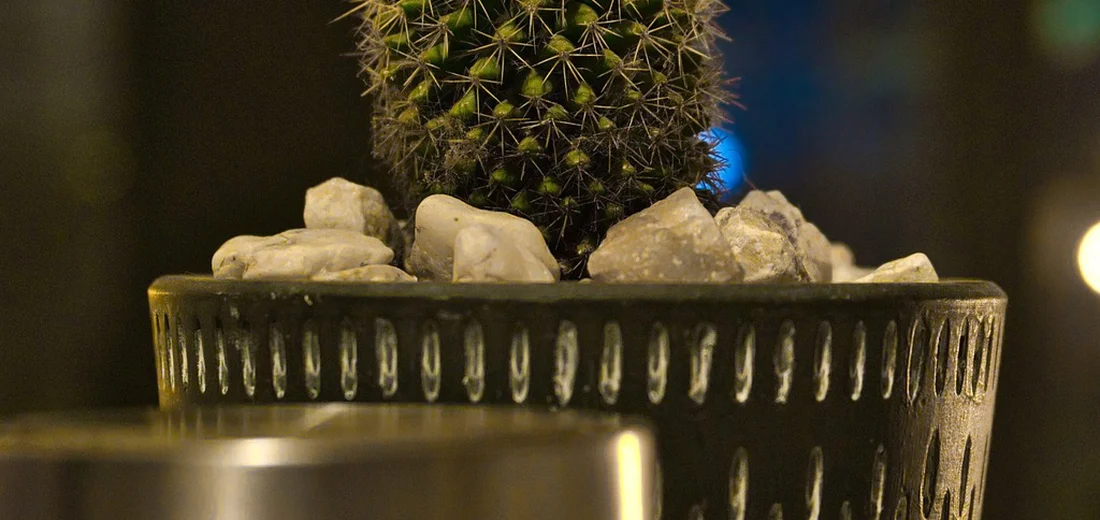
Your plants are talking to you, and learning their language is the first step to creating a perfect home for them. I’ve learned that crispy, brown leaf tips are almost always the plant’s way of saying, “The air here is too dry for me.” This is super common with tropical plants like Calatheas in a standard living room.
If you see leaves turning yellow and feeling soggy, that’s a classic cry for help. Overwatering is often the culprit, but a microclimate with no air circulation makes the problem much worse by letting wet soil stagnate. The roots essentially start to suffocate.
Have you noticed your plant stretching out weirdly, with long spaces between leaves? This “leggy” growth is a desperate reach for more light, a sure sign your plant’s spot is too dark. I see this all the time with succulents placed on a bookshelf far from a window. So, why do succulents get leggy, and how can you fix it? The answer is simple: give them brighter light (or a grow light) and prune back leggy growth to encourage compact, healthy foliage.
Leaves that curl inward or develop dry, brown edges are sending a clear message. They’re either conserving moisture because the humidity is too low, or they’re getting scorched by too much direct, hot sun. It’s their version of putting on a sweater or seeking shade.
Simple Steps to Improve Your Plant’s Environment
You don’t need a fancy greenhouse to make big changes. One of the easiest fixes I use is the humble pebble tray—just a shallow tray filled with water and pebbles that you place your plant pot on. As the water evaporates, it gives your plant a personal humidity boost. It’s a great way to control humidity for healthy indoor plants.
Grouping your plants together is like throwing them a small party. Plants naturally release moisture through their leaves, so when you cluster them, they create a shared, more humid pocket of air that benefits everyone. My prayer plant absolutely thrived after I moved it next to my fern.
Don’t underestimate the power of a simple fan. Gently circulating the air in a room prevents stagnant, moist pockets from forming and dramatically reduces the risk of mold and pesky fungi. Just make sure it’s not blowing directly on the plants, as that can be too harsh.
For a quick and targeted solution, give your plants a light misting. I keep a spray bottle nearby and give my tropical plants a fine mist in the morning, which mimics the dew they’d experience in their natural habitat.
- Rotate your plants a quarter-turn every time you water them. This ensures all sides get even light and prevents lopsided growth.
- Use a digital thermometer/hygrometer. This cheap gadget takes the guesswork out of knowing your room’s exact temperature and humidity levels.
- Adjust watering with the seasons. Your plants will drink less in the cooler, dimmer winter months than they do in the bright, active summer.
Remember that your home has different microclimates in every room. A bathroom with a window is often a humidity haven for ferns, while a sunny south-facing windowsill is a desert cactus’s dream spot. Match the plant to the place, and you’re already halfway there.
Seasonal Microclimate Maintenance
Your home’s environment changes dramatically with the seasons, and your plants feel every shift. I treat my plant care like I do my wardrobe, adjusting my approach for summer’s heat and winter’s chill. This proactive mindset has saved many a plant from seasonal stress.
Summer Strategies
Summer brings intense light and lower humidity thanks to air conditioning. Your plants are in their prime growing season, but they need a little help to thrive, especially when it comes to succulents during hot summer months.
- Rotate pots a quarter-turn weekly. This prevents plants from leaning dramatically toward the light source, a common issue I see with my fiddle leaf fig.
- Move sensitive plants back from hot south- or west-facing windows. The sun’s angle is higher and can easily scorch leaves.
- Group plants more tightly. As they transpire, they create a lovely, localized pocket of higher humidity for each other.
- Watering needs will increase, but always check the soil first. I stick my finger two inches into the pot-if it’s dry, it’s time for a drink.
Winter Adjustments
Winter is the real test for an indoor gardener. Dry air from heating and weak light are the main challenges.
- Wipe down leaves with a damp cloth monthly. A layer of dust can block precious low-level light.
- Pull plants away from cold drafty windows at night. I’ve lost a succulent to cold damage by leaving it touching a frosty pane.
- Reduce watering frequency significantly. Most plants enter a dormant period and won’t absorb water as quickly. Overwatering is the biggest killer in winter.
- Employ a pebble tray. Fill a shallow tray with pebbles and water and place your pots on top. The evaporating water provides a constant humidity boost without risking root rot.
Quick Tip: A simple hygrometer, which measures humidity, is a game-changer for understanding your seasonal microclimate. I keep one in my main plant room year-round.
Ongoing Care for a Stable Environment
Creating the perfect microclimate isn’t a one-time task; it’s a gentle, ongoing dance. The most successful plant parents are the ones who observe their plants daily, noticing small changes before they become big problems. This habit has become second nature to me.
Your Daily and Weekly Routine
You don’t need to spend hours. Just integrate these quick checks into your existing routine.
- The Morning Glance: As I make my coffee, I quickly scan my plants. Are any leaves drooping? Turning yellow? This two-minute check tells me a lot about their overnight state.
- The Finger Test: Before you water, do the finger test. Don’t just water on a schedule. I’ve killed more plants by over-adhering to a calendar than by forgetting a watering day.
- The Weekly Wipe: Once a week, I take a soft, damp cloth and gently wipe the leaves of my larger plants like my monstera. This keeps their pores clear for breathing and maximizes light absorption.
Tools for Consistent Monitoring
A few simple, inexpensive tools remove the guesswork and help you maintain that stable environment.
- Moisture Meter: If you’re nervous about overwatering, a moisture meter is your best friend. It gives you a clear reading of what’s happening at the root level.
- Digital Thermometer/Hygrometer Combo: This little device shows you both temperature and humidity at a glance. I have one tucked discreetly among my calatheas.
- Humidifier with a Humidistat: For my humidity-loving plants, I use a small humidifier that lets me set a target humidity level. It turns on and off automatically to maintain it.
Remember, stability is the goal. Plants despise sudden changes more than they dislike imperfect conditions. A steady, slightly imperfect environment is always better than a perfect one that fluctuates wildly from day to day.
FAQs
What are ideal temperature ranges for common houseplants?
Most common houseplants thrive in daytime temperatures of 65-75°F (18-24°C) with a slight drop at night.
What humidity levels are best for tropical indoor plants?
Tropical indoor plants generally prefer humidity levels between 60% and 80% for optimal growth.
How does air circulation affect the indoor plant microclimate?
Good air circulation reduces the risk of fungal diseases and helps regulate temperature and humidity around plants. Proper airflow reduces moisture buildup on leaves and in the canopy, supporting overall plant health. This makes air circulation a key factor in disease prevention and garden vitality.
How does watering affect the indoor plant microclimate?
Watering practices influence soil moisture and local humidity, directly impacting root health and plant transpiration.
How do pot size and soil type influence microclimate inside a home?
Pot size and soil type affect drainage and aeration, which help maintain consistent moisture and temperature for roots.
What tools can help monitor the indoor plant microclimate?
Key tools include a digital thermometer-hygrometer for temperature and humidity, and a light meter for light levels.
Your Indoor Plant Oasis Awaits
Creating the perfect microclimate boils down to mimicking a plant’s natural habitat by focusing on light, humidity, and airflow. Remember these three pillars: group plants together to raise humidity, use sheer curtains to filter harsh light, and run a small fan for gentle air circulation.
You now have the simple tools to make your plants truly thrive. Go adjust that curtain, give your green friends a little mist, and watch them respond with lush, happy growth-you’ve got this.
Further Reading & Sources
- Understanding Indoor Microclimates – Learn About Microclimates In Your House | Gardening Know How
- Guide to Understanding Microclimates in your Garden – The Micro Gardener
- How to Use Microclimates to Improve Your Garden | Expert Tips
- How to Build A Microclimate for Your Tropical Plants – Tula House
Lena Greenfield is a passionate horticulturist and plant care expert with over 10 years of experience cultivating and nurturing hardy house plants. With a deep understanding of both indoor and outdoor gardening, Lena shares practical advice on choosing, caring for, and maintaining resilient plants that flourish year-round. Through her knowledge and hands-on approach, Lena helps plant lovers transform their spaces into vibrant, green sanctuaries, no matter their gardening experience.
Light and Temperature