
Why Do Succulents Change Color? (Yellow, Brown, Red, Purple Explained)
Published on: February 23, 2026 | Last Updated: February 23, 2026
Written By: Lena Greenfield
Have you spotted your succulents shifting shades and felt a pinch of concern? Those color changes often stem from sunlight, water, or temperature shifts, and I’ve learned through years of tending my own collection that most aren’t harmful-some are even gorgeous signs of health!
Drawing from my hands-on experience, I’ll walk you through the common causes and fixes, focusing on yellowing from overwatering, browning due to sunburn, red hues from stress or beauty, and purple tones linked to cool temps or light exposure.
The Pigments Behind Succulent Colors
Succulents get their vibrant hues from natural pigments that respond to their environment, much like how our skin tans in the sun. I’ve found that understanding these pigments helps you decode what your plant is telling you through its colors. The main players are chlorophyll, anthocyanins, and carotenoids, each with a unique role in how your succulent looks and thrives.
- Chlorophyll gives leaves their green color and is essential for photosynthesis, but it can fade under stress, letting other pigments shine through.
- Anthocyanins create red, purple, or blue tones and act like a natural sunscreen, absorbing excess light to protect the plant from damage.
- Carotenoids produce yellow, orange, or red shades and help in light absorption while guarding against oxidative stress from intense sunlight.
In my own collection, I’ve watched Echeverias blush pink from anthocyanins when placed in bright light, while Aloes often show carotenoid-driven yellowing if they’re a bit thirsty. Observing how these pigments interact with light has taught me to spot health issues early, like when a succulent’s green fades due to low light.
How Light Exposure Triggers Color Changes
Light is like a magic wand for succulent colors, intensifying reds and purples through a process called sun stress. Sun stress isn’t harmful-it’s a protective response where pigments like anthocyanins kick in to shield the plant from too much UV rays. I’ve seen my Sedum morganianum turn from green to deep red when I moved it to a sunnier spot, but it’s crucial to do this gradually to avoid sunburn.
- Start by placing your succulent in indirect bright light for a few days to let it adjust slowly.
- Move it to a location with morning sun, which is gentler, and monitor for any signs of bleaching or brown spots.
- Increase exposure to direct sunlight over 1-2 weeks, checking the leaves daily; if they start to crisp, pull back immediately.
Photoperiod, or day length, also plays a big role-shorter days in fall can trigger color changes as plants prepare for cooler weather. In my experience, succulents like Graptopetalum often show their most vivid purples in autumn when light levels shift naturally. I always use a sheer curtain to filter intense afternoon sun in summer, which keeps colors vibrant without the risk of scorching.
The Impact of Water and Temperature on Succulent Hues
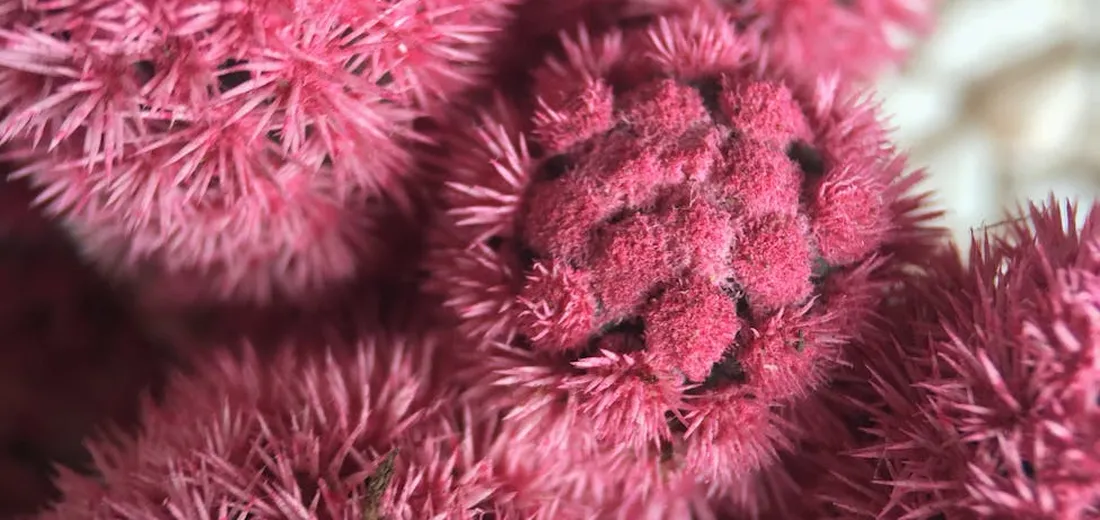
When your succulents change color, it often ties back to how you water them and the temperatures they face. I’ve seen drought stress turn leaves yellow or brown as the plant conserves water and nutrients. If you underwater, the plant might brown at the tips or edges, while overwatering can lead to a sickly yellow from root issues. To identify the right fix, check soil moisture and root health. Dry soil or shriveled roots indicate under-watering, while soggy soil or mushy roots indicate overwatering.
Temperature shifts play a big role in bringing out those stunning reds and purples. Cooler nights or sudden drops trigger anthocyanin production, which acts like a natural sunscreen for the plant. In my own garden, I’ve watched succulents blush red when fall arrives, showing how sensitive they are to their environment. For sun-drenched spots, I gravitate toward succulents that tolerate full sun and heat, which often hold vivid color even in hot weather. These heat-tolerant varieties can be especially resilient in bright light, making them a reliable choice for gardeners chasing bold hues.
Here’s a quick comparison based on my care trials to show how conditions affect color:
- Optimal conditions: Consistent watering when soil is dry, stable mild temperatures (65-75°F), leading to steady green or natural hues.
- Stressful conditions: Irregular watering (too much or too little), extreme heat or cold, causing yellow, brown, red, or purple changes as stress signals.
Decoding Specific Color Changes in Succulents
Yellow Leaves: Causes and Care
Yellow leaves often pop up from overwatering, poor nutrients, or too much direct sun. In my experience, overwatering is the top culprit, making leaves soft and yellow as roots struggle to breathe. If you spot this, check the soil—if it’s soggy, you might need to adjust your routine. Sometimes yellowing is also a sign of nutrient problems—deficiencies in nitrogen or iron can cause pale leaves. This is a common topic in guides about why leaves turn yellow due to nutrient problems.
Common causes of yellowing include:
- Overwatering: Roots rot, leading to yellow, mushy leaves.
- Nutrient issues: Lack of nitrogen can pale the leaves over time.
- Excessive light: Intense sun bleaches leaves to a light yellow.
To fix yellow leaves, follow these steps:
- Check soil moisture-if wet, let it dry out completely before watering again.
- Move the plant to indirect light if sun exposure is too harsh.
- Consider repotting with fresh, well-draining soil if root rot is suspected.
I once rescued a yellowing echeveria by cutting back water and giving it a shady spot for a week. Within days, it perked up and started greening again, showing how resilient these plants can be with quick action.
Brown Spots and Leaves: What They Mean
Brown spots or leaves can stem from sunburn, overwatering, or just old age. Sunburn leaves crispy brown patches, while overwatering causes soft, dark browning from the base up. Natural aging shows as lower leaves drying and browning slowly, which is totally normal.
Reasons for browning include:
- Sunburn: Direct, intense light scorches leaves, leaving permanent marks.
- Overwatering: Leads to root rot, spreading brown from the roots outward.
- Natural aging: Older leaves brown and fall off as the plant grows new ones.
For prevention and recovery, try these tips:
- Shield plants from midday sun with a sheer curtain or partial shade.
- Water only when the top inch of soil is dry to avoid soggy conditions.
- Trim off badly browned leaves with clean scissors to focus energy on healthy growth.
Browning is harmless if it’s just aging, but if it spreads quickly, it’s a health risk. I learned this when a jade plant developed brown spots from too much sun; moving it to a brighter but indirect spot saved the rest of the plant.
Red and Purple Hues: Stress or Natural Beauty?
Those vibrant red and purple shades come from anthocyanins, pigments that plants produce under stress or due to genetics. Stress from cool temperatures or strong light can enhance these colors, making your succulents look like living art. Some varieties, like certain sedums, naturally show purple without any fuss. There are also colorful succulent varieties that range from pink to blue to purple, offering even more options for color-forward plant displays. With the right sun and care, you can coax pink, blue, and purple tones in many popular succulents.
Intentional sun stress involves gradually increasing light to boost color, but it’s a fine line. In my trials, I’ve used morning sun to gently stress plants, resulting in deep reds without burning them. Cultivar-based variations mean some succulents, like ‘Perle von Nurnberg’, are bred for purple tones and need less stress to shine.
To maintain vibrant colors without harm:
- Provide bright, indirect light with some morning sun for a color boost.
- Avoid drastic temperature changes; aim for cool nights around 50-60°F if possible.
- Monitor for signs of over-stress, like wilting, and dial back if needed.
Genetics and Cultivar Influences on Succulent Color
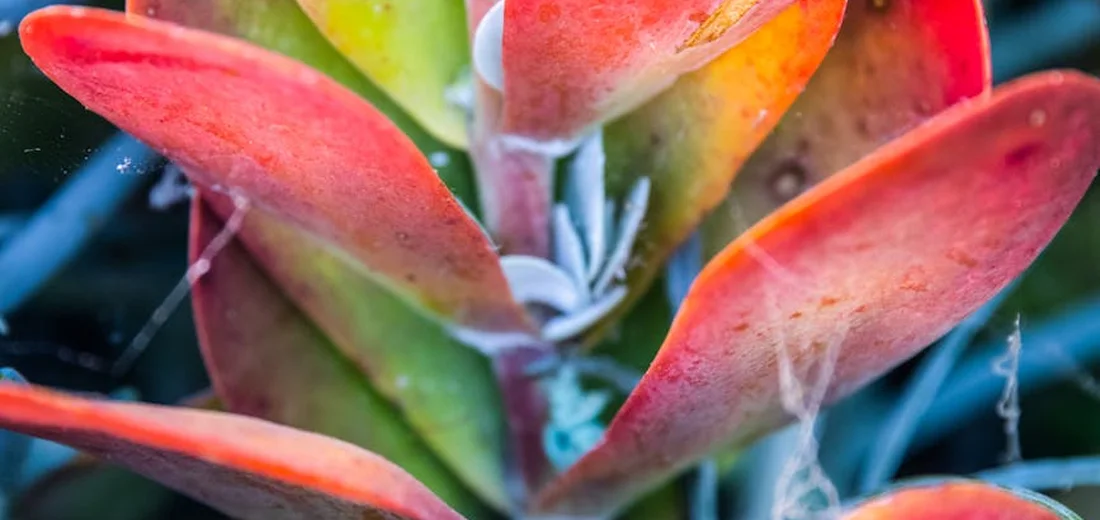
Just like your hair color is written in your DNA, a succulent’s potential for color is locked in its genetics. Some succulents are simply bred to put on a spectacular show, and their color changes are a normal, healthy part of their life cycle. I’ve found that understanding this is the first step to appreciating, rather than worrying about, these beautiful transformations, especially when it comes to crested succulents that exhibit unique growth patterns.
How Variegation and Genetics Play a Role
Variegation is a genetic mutation that causes patches of white, yellow, or cream on the leaves. This lack of chlorophyll means these sections can’t produce as much energy, making the plant a bit more delicate. Variegated succulents often show their most vibrant colors on these pale sections when stressed, creating a stunning contrast. The key thing I’ve learned is that a genetically variegated plant is different from one that has simply turned yellow from sunburn or overwatering.
Popular Cultivars Known for Dramatic Color
Over the years, I’ve cultivated a real soft spot for certain varieties because of their predictable and gorgeous color shifts. If you’re looking for a living rainbow, start with these:
- Echeveria ‘Perle von Nurnberg’: This one is a classic. With enough light, its powdery leaves shift from a soft blue-grey to stunning shades of pink and purple.
- Sedum nussbaumerianum (Coppertone Stonecrop): True to its name, this sedum turns a brilliant, coppery orange in full sun, while it stays a light yellow-green in shadier spots.
- Sempervivum ‘Red Rubin’: These hardy hens and chicks are famous for it. Their rosettes can become a deep, wine-red, especially when exposed to cold temperatures.
- Aeonium ‘Zwartkop’: This dramatic plant is almost black, but that deep color is a stress response. In lower light, you’ll see it holds onto more green in the center of its rosettes.
My Experiences with Colorful Varieties
I remember getting my first Echeveria ‘Lola’ and being disappointed it was just a pale, ghostly green. I gave it a prime spot on a sunny windowsill, and within a few weeks, the leaf edges blushed a soft lavender and the center took on a pink hue. That moment taught me that patience and the right conditions can unlock the hidden beauty promised by a plant’s genetics. My Graptopetalum paraguayense (Ghost Plant) is another favorite; it cascades beautifully from a pot and its color is a direct barometer for the sun it receives, ranging from a pale blue to a rich, pinkish-yellow.
Safe Methods to Enhance Succulent Colors
Want to encourage those gorgeous reds and purples? You can nudge your succulents safely. The golden rule is to stress the plant, not harm it. Think of it as a gentle encouragement to show off, not a punishment. I always prioritize the plant’s long-term health over a temporary color burst. Recognize seasonal stress signs in succulents—color shifts, shriveling, or stretched growth—and respond with thoughtful tweaks. This helps keep the color vibrant without stressing the plant.
Step-by-Step Guide to Boosting Color
Follow these steps slowly over several weeks to see vibrant results without shocking your plant.
- Gradually Increase Light Exposure: Move your succulent to a brighter location over 1-2 weeks. An east or south-facing window is ideal. Watch for signs of sunburn, like brown or white scorched spots, and pull it back if you see them.
- Implement a “Soak and Dry” Watering Method: Let the soil dry out completely between waterings. When you do water, drench the soil until it runs out the drainage hole. This slight drought stress between drinks often triggers color changes.
- Expose to Cooler Temperatures (With Care): If it’s safe for the specific species, exposing your succulents to cooler temperatures (but not freezing!) can bring out incredible red and purple pigments. I do this in the fall by leaving my hardy sedums outside until the first frost warning.
Emphasizing Eco-Friendly and Safe Practices
I never recommend using dyes or chemical “color enhancers” on succulents. These products can clog the plant’s pores and prevent it from breathing properly, leading to a slow decline. The most eco-friendly method is to work with nature—using seasonal sunlight and natural temperature drops. Properly stressed succulents are also often more resilient, requiring less water and fewer resources overall. Color changes are a natural part of succulent care and can keep colors bright and varied. By letting light and temperature shifts occur, you can maintain vibrant colors without dyes.
Quick Tips for Immediate Improvement
For those looking for a fast start, here are my go-to tips.
If your succulent is looking pale and stretched out, it’s begging for more light—this is the single biggest factor for color intensity. But how much light do different succulents really need? Different species vary widely in light tolerance, so matching care to type is key to thriving color.
Try the “finger test” before watering; if the soil is damp even an inch down, wait another few days to encourage a color boost from slight thirst.
FAQs
Do soil nutrients affect succulent coloration?
Yes, nutrient imbalances can alter colors, such as yellowing from nitrogen deficiency or vibrant hues from proper fertilization.
How quickly can a succulent change color under stress or favorable conditions?
Color shifts can occur within days to weeks, depending on factors like light intensity or water stress.
Are there risks to plant health when inducing color changes in succulents?
Excessive stress can harm plants, causing issues like sunburn or root rot if not managed carefully.
Does the color change affect photosynthesis or growth in succulents?
Reduced chlorophyll from color changes may slow photosynthesis, but many stress-induced hues are temporary and don’t hinder long-term growth.
How does sunlight exposure affect succulent color change?
Sunlight boosts pigments like anthocyanins, intensifying red and purple tones through controlled sun stress.
Can temperature fluctuations trigger color changes in succulents?
Cooler temperatures often stimulate red and purple pigments as a protective response to environmental shifts.
Your Colorful Succulent Journey
To guide your succulent’s color, focus on adjusting its light exposure, water schedule, and temperature to mimic its ideal conditions. Remember that color is a plant’s language—a vibrant red or soft purple often means it’s perfectly stressed, while yellow or brown is a cry for help. If you notice yellowing or drooping, start troubleshooting common problems like overwatering, underwatering, or insufficient light. Quick checks can help fix issues before more damage occurs.
- Sunlight is your primary color tool.
- Water carefully to avoid rot.
- Embrace cooler temps for intense hues.
I’ve seen countless plants in my own collection transform with just a few simple tweaks, so don’t be afraid to experiment. For more hands-on plant care tips that really work, be sure to follow along right here on our site.
Further Reading & Sources
- How & Why Do Succulents Change Colors? – Mountain Crest Gardens
- Using Sunlight to get Colorful Succulents – Mountain Crest Gardens
- The biological principle of how succulents change color – Springer Garden
- Colorful Succulents: Why Succulents Change Colors? | Harddy Frequently Asked Succulent & Cactus Questions blog
Lena Greenfield is a passionate horticulturist and plant care expert with over 10 years of experience cultivating and nurturing hardy house plants. With a deep understanding of both indoor and outdoor gardening, Lena shares practical advice on choosing, caring for, and maintaining resilient plants that flourish year-round. Through her knowledge and hands-on approach, Lena helps plant lovers transform their spaces into vibrant, green sanctuaries, no matter their gardening experience.
Stress Symptoms