
How to Prune Plants to Control Their Size and Shape
Published on: March 19, 2026 | Last Updated: March 19, 2026
Written By: Lena Greenfield
Is your plant outgrowing its space or starting to look a bit wild? You can absolutely tame it with a simple trim, and I promise it’s not as scary as it seems.
I’ve been pruning my own indoor and outdoor plants for years, and I’ll walk you through everything you need to know. We’ll cover the right tools for the job, the best time to prune, basic shaping techniques, and common mistakes to avoid.
Why Pruning Is Your Secret for Perfect Plant Size and Shape
Pruning is the single most effective way to tell your plant exactly how you want it to grow. Think of it as a direct conversation with your plant, guiding its energy to where you want it most. I used to let my pothos vine trail endlessly until it became a tangled mess. A simple trim not only cleaned it up but prompted a burst of fresh, bushy growth right from the base. You’re not just cutting things away; you’re actively designing your plant’s future.
When you remove a stem, you signal the plant to wake up dormant buds lower down. This encourages a fuller, denser shape instead of a single, lanky stem. Strategic pruning prevents your plants from becoming leggy and sparse, a common issue in low-light indoor spaces. For succulents like echeverias, I carefully remove lower leaves to maintain that beautiful, compact rosette form and prevent a long, awkward neck.
Choosing Your Pruning Tools: A Quick Guide
Using the right tool is not just about a clean cut; it’s about plant health. A ragged tear from dull scissors is an open invitation for disease and pests. I learned this the hard way after using craft scissors on a jade plant and dealing with a nasty infection at the cut site. Your goal is to make precise, confident cuts that heal quickly, minimizing stress on your green friend.
Essential Tools for Precise Cuts
- Sharp, Clean Bypass Pruners: These are my go-to for most stems. They work like scissors and make a clean slice without crushing the plant tissue. I wipe the blades with rubbing alcohol before and after every use, especially when moving between plants.
- Micro-Tip Snips: Perfect for delicate herbs, thin succulent stems, and detailed work on small plants. Their fine points let you get into tight spaces without damaging surrounding leaves.
- Sharp Kitchen Scissors (in a pinch): For very soft-stemmed plants like tradescantia, a clean pair of kitchen scissors can work. Just ensure they are razor-sharp and sterilized to avoid bruising the stem.
- A Disinfectant: Rubbing alcohol is a plant-saver. A quick swipe on your blades prevents spreading any hidden problems from one plant to another.
For succulents, I keep a dedicated pair of snips. Their juicy leaves and stems can harbor mold, so a sterile cut is non-negotiable. Dull tools crush and damage plant cells, leading to a slow, ugly recovery instead of a quick, clean heal. Invest in one good pair of pruners; your plants will thank you with vigorous, healthy growth.
When Is the Right Time to Prune Your Plants?
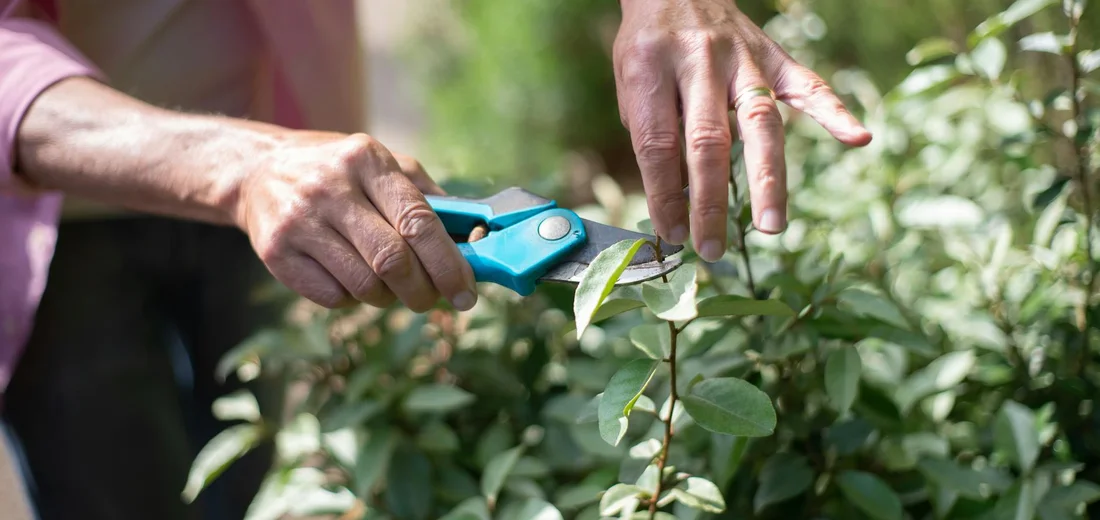
Timing your pruning is like catching a wave—you want to do it when the plant has the most energy to recover and grow back stronger. I always tell people that the best time to prune most houseplants is at the start of their active growing season. For the vast majority of your leafy friends, this is spring and early summer. However, it’s important to remember that different types of houseplants have different pruning schedules.
Pruning during this period gives your plant a full season of ideal light and warmth to push out new growth. I’ve made the mistake of pruning a Fiddle Leaf Fig in late fall, and it just sat there, stunned, for months. It taught me to always work with the plant’s natural rhythm, not against it.
Seasonal Pruning for Optimal Results
Here’s a simple seasonal guide I follow in my own home:
- Spring (The Sweet Spot): This is prime time. Plants are waking up, and you’ll see new buds forming. Pruning now encourages that new growth to fill in exactly where you want it.
- Summer (For Maintenance): Light shaping and pinching back leggy growth is fine in summer. I often do this to keep my vining Pothos from taking over a bookshelf.
- Fall & Winter (Generally Avoid): Most plants are resting. Pruning now can stress them and lead to weak, spindly new growth due to lower light levels. I only prune in winter if I see dead or diseased leaves that need immediate removal.
Fundamental Pruning Techniques for Size and Shape
Pruning isn’t just about hacking things back. Using the right technique for your goal is the difference between a lush, bushy plant and a sad, stubby one. I think of my pruning shears as a sculptor’s tool, not a blunt instrument. This approach also promotes better air circulation and light penetration through the canopy. Healthy airflow and light help new growth thrive.
Pinching for Bushier Growth
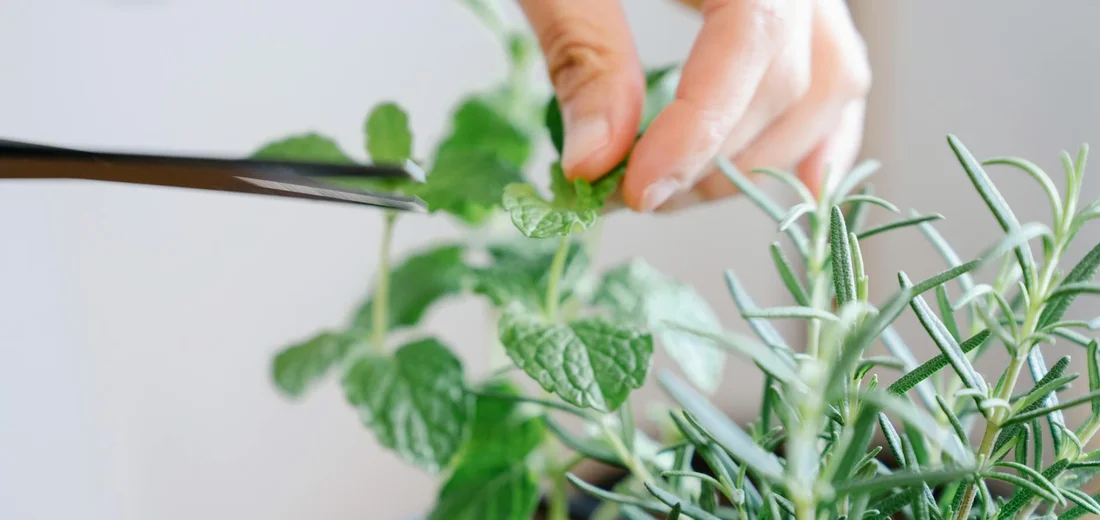
This is my go-to method for preventing tall, lanky plants. Pinching is simply using your thumb and forefinger to remove the very tip of a stem. It sounds almost too simple, but it works wonders.
When you remove the main growing tip, the plant sends growth hormones to the lower buds, encouraging them to branch out. I pinch my herbs and Coleus plants weekly during the growing season, and they become incredibly dense and full.
Here’s how to do it:
- Locate the very end of a stem, right above a set of leaves.
- Firmly pinch or use clean scissors to snip it off.
- Repeat on other stems to encourage even, bushy growth.
Selective Pruning and Thinning
When a plant is just getting too wide or crowded, selective pruning is your answer. This technique involves choosing specific stems to cut back to a main branch or the soil line to open up the plant’s structure. I use this all the time on my Rubber Plants and Dracaenas.
Look for stems that are crossing, growing inward, or just making the plant look unbalanced. Always cut just above a leaf node (the little bump where a leaf grows from the stem), as this is where new growth will emerge. Making a clean cut here tells the plant exactly where to focus its energy.
Rejuvenation Pruning for Overgrown Plants
Don’t be afraid to give a plant a fresh start! Rejuvenation pruning is a more dramatic cutback for plants that have become leggy, sparse, or just too big for their space. I had a Spider Plant that was all long, bare stems with a few tufts of leaves at the end-a perfect candidate.
This can feel scary, but most resilient houseplants can handle it. I cut the entire plant back to within a few inches of the soil base, leaving some nodes on each stem. It looks brutal for a few weeks, but then you’ll see vibrant new shoots emerge from the base, creating a much fuller plant.
Quick tip: After a heavy rejuvenation prune, place the plant in bright, indirect light and be a little more careful with watering until you see strong new growth. The plant has less foliage to support, so it needs less water.
Pruning Different Types of Houseplants and Succulents
Shaping Vining Plants like Pothos and Philodendron
Vining plants are some of the most forgiving when it comes to pruning, which makes them perfect for beginners. My favorite method is to trace a long vine back to the soil and make a clean cut about a quarter-inch above a leaf node. This encourages the plant to push out new growth from that point, creating a fuller, bushier plant instead of one long, lanky strand. This approach works especially well for pothos, helping it make pothos fuller and bushier. With regular pruning, you can train pothos to fill in empty spaces and stay compact.
I like to prune my pothos every few months to keep it looking dense and prevent it from taking over my bookshelf. Don’t be afraid to take off several feet of growth at once if the plant is healthy; it will reward you with vigorous new leaves. For more tips, learn how to properly prune and trim pothos plants for optimal growth. For a balanced look, I rotate the plant and trim vines on all sides, not just the longest ones.
- Identify long, leafless sections of vine (these are called internodes).
- Use sharp, clean scissors to cut just above a node (the bump on the stem where a leaf attaches).
- You can propagate the cuttings you remove in water to create new plants.
- Prune regularly during the spring and summer growing season for the quickest recovery.
Controlling the Size of Succulents and Jade Plants
Succulents like Echeveria and Jade Plants need a different approach because they store water in their leaves and stems. The key is to “behead” a succulent that’s grown too tall and leggy, which might sound drastic but is incredibly effective. I’ve done this many times with my own collection to keep plants compact and rosette-shaped.
For a Jade Plant that’s becoming tree-like, you can prune individual branches to maintain a pleasing shape. Make your cuts just above a set of leaves, as this is where new branches will emerge, creating a fuller canopy. Always allow the cut ends to callous over for a day or two before watering to prevent rot.
- For a “beheading,” use a sterile knife to cut the top rosette off, leaving a few inches of stem on the base plant.
- Let both the cutting and the base dry out for a couple of days.
- Plant the cutting in fresh soil; it will grow new roots.
- The original base plant will often sprout several new heads from the remaining stem.
Managing Upright Growers like Snake Plants and ZZ Plants
These slow-growing plants are prized for their architectural forms, so pruning is more about maintenance than drastic shaping. With my Snake Plant, I only remove individual leaves that are damaged, discolored, or leaning too far out of the plant’s silhouette. I cut them all the way down at the soil line using a sharp blade for a clean removal. Propagation from cut leaves can also be done. After trimming, let the cut ends callous for a day or two, then plant the leaf sections in a well-draining mix to root.
ZZ Plants are similar; they send up new shoots from rhizomes in the soil. If a stem gets too tall or starts to bend, I cut it off at the base to make room for new, straighter growth. This type of pruning doesn’t stimulate a lot of new growth from the cut point, so it’s purely for controlling the plant’s overall appearance. For the best way to prune and maintain ZZ plants, use selective cuts to encourage bushier growth. Keep tools clean and avoid removing more than a third of the plant at once to minimize stress.
- Remove entire leaves or stems at the soil level for a tidy look.
- Pruning won’t make these plants bushier, but it will direct their energy into new shoots.
- Wipe your blade with rubbing alcohol between cuts to prevent spreading any potential disease.
- Expect growth to be slow after pruning, as these are not fast-growing plants.
Avoiding Common Pruning Mistakes
One of the biggest mistakes I see is using dull or dirty tools, which can crush plant tissue and introduce bacteria. Invest in a good pair of sharp, bypass pruners and clean them before every use; it makes a world of difference in the plant’s healing process. A clean cut heals faster and is less stressful for the plant.
Another common error is over-pruning, or removing more than one-third of the plant at a time. Taking off too much foliage at once can send a plant into shock, as it loses its ability to photosynthesize effectively. I always err on the side of conservative cuts-you can always take more off later, but you can’t put it back on.
- Mistake: Pruning at the wrong time. Solution: The best time is early in the growing season (spring/early summer) so the plant has energy to recover.
- Mistake: Making ragged cuts. Solution: Use sharp tools and cut at a slight angle to allow water to run off the wound.
- Mistake: Pruning a stressed plant. Solution: If your plant is droopy, underwatered, or diseased, help it recover before you add the stress of pruning.
- Mistake: Watering onto fresh cuts. Solution: Water the soil directly after pruning to keep the open wounds dry and prevent rot.
FAQs
How often should I prune my plants to control their size?
Prune as needed during the active growing season, typically every few months for fast-growing plants, to keep them compact and well-shaped.
Can pruning help if my plant has outgrown its container?
Yes, pruning can reduce the plant’s size temporarily, but consider repotting if the roots are crowded for a long-term solution.
What should I do with the cuttings after pruning?
Propagate healthy cuttings in water or soil to grow new plants, or dispose of them to maintain cleanliness.
Is it safe to prune a plant while it is flowering?
Avoid pruning during flowering to prevent stress and loss of blooms; wait until the flowering cycle ends for best results. After blooms fade, a light prune can remove spent flowers and trim leggy growth, encouraging new buds. This can help bring more blooms in the next cycle.
How can I tell if I’ve pruned too much?
Signs of over-pruning include wilting, leaf drop, and stunted growth, so always remove less than one-third of the plant at a time.
Does pruning affect the plant’s ability to regrow to a larger size?
Pruning encourages denser, bushier growth by redirecting energy, which helps maintain a controlled size rather than allowing unchecked expansion.
Ready, Set, Prune!
To sum it up, pruning is your go-to tool for keeping houseplants and succulents compact, healthy, and perfectly shaped through simple, intentional cuts. Having the right tools makes the job easier. Sharp, clean pruning shears and proper sanitation are essential for proper plant pruning. Just stick to these basics:
- Always use clean, sharp tools to avoid spreading disease.
- Trim during active growth seasons for quick recovery.
- Focus on removing leggy stems and dead growth first.
Now that you’re equipped with these steps, I encourage you to grab those shears and approach your plants with confidence-you’ll be amazed at how a little snip can lead to big, beautiful results. Happy gardening!
Further Reading & Sources
- Guide to Pruning & Shaping Your Plants – STUMP PLANTS · WARES · COMMUNITY
- Pruning trees and shrubs | UMN Extension
- Follow Proper Pruning Techniques – Earth-Kind® Landscaping Earth-Kind® Landscaping
- Basic Principles of Pruning Woody Plants | UGA Cooperative Extension
Lena Greenfield is a passionate horticulturist and plant care expert with over 10 years of experience cultivating and nurturing hardy house plants. With a deep understanding of both indoor and outdoor gardening, Lena shares practical advice on choosing, caring for, and maintaining resilient plants that flourish year-round. Through her knowledge and hands-on approach, Lena helps plant lovers transform their spaces into vibrant, green sanctuaries, no matter their gardening experience.
Pruning Techniques