
Effective Biological Controls for Indoor Plant Pests
Published on: March 27, 2026 | Last Updated: March 27, 2026
Written By: Lena Greenfield
You’ve spotted tiny bugs on your favorite houseplant, and your first instinct might be to reach for a chemical spray. But what if you could fight back using nature’s own pest control squad? Biological controls use living organisms to manage pest populations, and they are incredibly effective for your indoor jungle.
In this guide, I’ll share the strategies I’ve used for years to keep my plants healthy without harsh chemicals. We will cover introducing beneficial insects like ladybugs and predatory mites, using microbial insecticides such as Bacillus thuringiensis, and creating a supportive environment to sustain these natural defenders.
Understanding Biological Pest Control for Your Home Jungle
Think of biological control as recruiting a tiny, specialized army to defend your plants. You’re not just killing pests; you’re introducing a natural predator that will hunt for you, creating a self-regulating mini-ecosystem on your windowsill. I’ve found this approach far more satisfying and effective in the long run than repeatedly spraying chemicals, which can harm your plants and lose potency over time.
This method works with nature, not against it. The goal is balance. Your new beneficial insects will seek out and consume the pests, then their population naturally declines as the food source (the bad bugs) disappears. It’s a beautiful, self-cleaning cycle that I’ve watched work wonders in my own collection.
Meet Your Tiny Army: Top Biological Control Agents
Let’s get acquainted with your new plant bodyguards. These are the allies I consistently rely on to keep my succulents and tropicals thriving.
Predatory Mites for Spider Mites and Thrips
If you see fine webbing or stippled leaves, you’ve likely met spider mites. Phytoseiulus persimilis is the superhero mite I order the moment I spot the first silken thread. These tiny red mites are voracious hunters, specifically targeting their plant-damaging cousins.
I release them directly onto the leaves of the infested plant in the early evening. They need a bit of humidity to thrive, so a light misting beforehand can help them get established. They’ll get to work immediately, devouring eggs and adults, and can clear a minor infestation in just a few days.
Parasitic Wasps for Scale and Whiteflies
Don’t let the word “wasp” scare you! Encarsia formosa, a species of parasitic wasp, is a microscopic marvel I’ve used to conquer stubborn whitefly populations. These tiny, black-winged insects are barely visible to the naked eye and are completely harmless to you and your pets.
They work in a fascinating way. The female wasp lays her eggs inside the immature whiteflies (the scale-like pupae). The developing wasp larva consumes the whitefly from the inside out. It sounds like a sci-fi movie, but it’s incredibly effective. I hang the little cards of parasitized scales on my affected plants and watch the whitefly numbers plummet within a couple of weeks.
Beneficial Nematodes for Soil-Dwelling Pests
Some of the worst pests hide where you can’t see them: in the soil. Beneficial nematodes are my go-to solution for fungus gnat larvae that threaten the delicate roots of my succulents and seedlings. These microscopic, worm-like organisms are mixed with water and applied as a soil drench. By dealing with soil-borne pests directly, this approach also helps prevent reinfestation and protects future plantings.
Once in the soil, they actively seek out pest larvae, enter their bodies, and release bacteria that kills them. Quick Tip: Water your plants with the nematode solution at dusk, as they are sensitive to UV light and need moist soil to move around. I do this as a preventative treatment for all my new plants now, and it has virtually eliminated my fungus gnat problems. For indoor plants and succulents, this approach is a reliable way to get rid of fungus gnats.
Insect-Killing Fungi and Bacteria
This is where biological control gets really clever. Certain naturally occurring fungi and bacteria are deadly to specific insects but completely safe for plants and people.
- Beauveria bassiana: This is a pathogenic fungus that acts like something from a horror film for aphids and whiteflies. The spores land on the pest, germinate, and grow right through its exoskeleton. I’ve used products containing this fungus with great success on my hibiscus plants, which are aphid magnets.
- Bacillus thuringiensis (Bt): This is a soil-dwelling bacterium that is toxic when ingested by certain leaf-munching caterpillars and larvae. It’s very target-specific and won’t harm your beneficial insects. A light spray on the leaves protects them from being turned into a bug buffet.
The key with these microbial controls is to ensure good coverage, as the pest needs to come into contact with the spores or bacteria. I apply them in the cooler parts of the day for the best results.
How to Successfully Introduce Biological Controls
Step 1: Correctly Identify the Pest
Before you order any predatory insects, you must play detective and identify the exact pest you’re fighting. Releasing the wrong beneficial insect is like sending a plumber to fix an electrical problem-it just won’t work. I learned this the hard way when I mistakenly released predatory mites for a thrips infestation; they did nothing because they specifically target spider mites.
Grab a magnifying glass and examine your plant closely. Look for these common culprits:
- Spider Mites: Look for fine, silky webbing, especially under leaves and at stem joints. The mites themselves are tiny and can look like moving dust.
- Mealybugs: These appear as small, white, cottony masses in leaf axils and on stems.
- Fungus Gnats: You’ll see tiny black flies buzzing around the soil surface and potentially notice their worm-like larvae in the potting mix.
- Thrips: They leave behind silvery streaks and black specks (their feces) on leaves. The adults are slender and can fly.
- Aphids: These are usually found in clusters on new growth and flower buds. They can be green, black, or white.
Taking a clear photo and comparing it online or asking in a plant group can provide a solid confirmation.
Step 2: Source and Handle Your Allies
Once you know your enemy, it’s time to recruit your army. Always purchase from reputable suppliers that specialize in biological controls for gardeners. I’ve had the best results with companies that ship overnight and provide clear instructions for the critters’ arrival.
Your living shipment will arrive, and how you handle it next is critical for their survival and effectiveness.
- Check the Instructions: The package will tell you if the organisms need to be released immediately or can be stored briefly in a cool, dark place (like a refrigerator).
- Do a Quick Health Check: Open the container and gently check that your beneficial insects are alive and active. A few casualties are normal, but the majority should be moving.
- Keep Them Comfortable: Don’t leave the container in direct sun or a hot car. They are living creatures and are sensitive to extreme temperatures.
I always make sure I’m home to receive the delivery so I can get them settled right away.
Step 3: Execute the Release
Timing and technique are everything for a successful release. I do this in the early morning or late evening when the sun isn’t harsh. Gently introduce your predatory insects directly to the areas where you’ve seen the most pest activity.
Here’s my simple, effective method:
- Lightly water your plant a few hours before release. The added humidity can be helpful.
- For mites or beetles, I often tap the vial or container gently over the infested leaves, letting them crawl out onto their new hunting grounds.
- For nematodes (used for fungus gnat larvae), you mix them with water and drench the soil, ensuring they get to where the larvae live.
- Spread the release out if you have multiple infected plants. Don’t dump the entire supply on one plant.
Avoid using fans or creating strong air currents right after release, as you might accidentally blow your tiny allies away.
Step 4: Post-Release Monitoring and Care
Your job isn’t over once they’re released! This is where patience pays off. Resist the urge to spray anything on your plants, even neem oil, for at least 3-4 weeks after introducing biological controls, as it can harm your new allies.
I make it a habit to check on the plants every couple of days. I look for two things:
- A decrease in the pest population.
- Signs that the beneficial insects are still present and active.
You might need to do a follow-up release in 1-2 weeks, especially for heavy infestations, to ensure the pest problem is completely under control. Think of it as sending in reinforcements.
Weighing the Pros and Cons of Going Biological
Using nature to fight nature is a brilliant strategy, but it’s not a perfect one-size-fits-all solution. From my experience turning my plant room into a mini battlefield, here’s the honest breakdown.
The benefits are incredibly rewarding and go beyond just killing bugs.
- It’s Truly Non-Toxic: This is the biggest win. You can use these methods around kids, pets, and even edible plants without a second thought.
- They Work 24/7: Your predatory mites don’t take breaks. They’ll hunt pests in the middle of the night, providing continuous control.
- No Pest Resistance: Unlike chemical pesticides, pests can’t build up a resistance to being eaten.
- Targeted Action: They specifically go after the problem pest, leaving your plant and any beneficial soil life completely alone.
However, there are some real-world challenges you need to be prepared for.
- It’s Not Instant: This is a medium-to-long-term solution. It can take a week or more to see a significant drop in pest numbers.
- It Can Be Costly: For a single, small plant infestation, buying a vial of predatory insects might be more expensive than a bottle of insecticidal soap.
- It Requires a Specific Environment: Your beneficial insects need the right temperature and humidity to thrive. A very dry or cold home might not be ideal for them.
- You’re Introducing More Bugs: Even though they’re the “good guys,” you are intentionally bringing insects into your home, which can be psychologically off-putting for some people.
The key is to view biological controls as a strategic, long-term investment in your plant’s health rather than a quick fix.
Integrating Biologicals into Your Overall Plant Care
I used to think of pest control as a separate, emergency task, but I’ve learned it works best when it’s part of my regular plant care rhythm. Think of your biological controls not as a cure, but as part of your plant’s healthy ecosystem. You’re adding tiny bodyguards that work for you full-time. That’s the essence of integrated pest management for indoor plants. It centers on prevention, regular monitoring, and using targeted, low-toxicity controls.
My routine is simple. I apply beneficial nematodes right when I water my plants. I mix them into a watering can of lukewarm, non-chlorinated water and give everyone a good drink. This method ensures the nematodes are watered deep into the soil where many pest larvae live. It feels efficient, like killing two birds with one stone.
Always check your plant’s soil moisture before releasing any biologicals. Predatory mites need some humidity to thrive, so I might give the soil a light mist first. If the soil is bone dry, your helpful bugs can die of thirst before they even get to work. A quick moisture check makes your pest control investment far more effective.
I also avoid using strong, chemical-based fertilizers right before or after applying biologicals. Harsh salts can harm your tiny allies. I stick to a weak, organic fish emulsion or compost tea. Gentle, organic feeding supports both your plant and its new protective army. It all works together.
Simple Prevention and Early Detection Strategies
The best fight is the one you avoid altogether. Over my years of collecting, I’ve found that a few simple habits prevent most infestations from ever starting.
My number one rule is to always inspect new plants. I don’t just glance; I do a full check. I quarantine every new plant for at least two weeks away from my main collection. During that quarantine, I also treat any issues I find so pests don’t spread. This has saved me from introducing pests more times than I can count.
Here is my inspection routine for any new plant:
- Look under every single leaf for eggs or bugs.
- Gently check the point where the leaf meets the stem.
- Inspect the top layer of soil and the underside of the pot.
- Look for any sticky residue or fine webbing.
Weekly leaf wiping is my secret weapon. I use a soft, damp cloth to wipe the leaves of my larger plants like Monsteras and Fiddle Leaf Figs. This simple act removes dust, improves photosynthesis, and dislodges any early pest eggs. It’s therapeutic for me and a health boost for the plant.
Good air circulation is a powerful, silent pest deterrent. Stagnant air is a pest’s paradise. I use a small, oscillating fan on a low setting in my plant room. It doesn’t need to be a wind tunnel, just a gentle breeze. This one change made my plants stronger and significantly reduced my gnat problems. Air circulation is also a cornerstone of plant health and disease prevention, helping leaves dry and preventing humidity pockets where diseases take hold. A consistent, gentle breeze supports stronger plants and fewer fungal issues.
If you do spot a problem, isolate that plant immediately. Then, identify the pest. Knowing exactly what bug you’re dealing with is the first step to choosing the right biological control. Once you’ve identified the pest, you can tailor your treatment for common houseplant pests. This helps ensure you choose effective methods and avoid unnecessary measures. A quick photo with your phone and a search online can usually solve the mystery.
Common Questions
Is biological pest control safe to use around pets and children?
Yes, biological controls are completely non-toxic and safe to use around your family and pets.
How quickly will I see results after introducing beneficial insects?
You will typically see a noticeable reduction in pests within one to two weeks, but it is not an instant solution.
Will the beneficial insects become a pest inside my home?
No, these insects are focused on hunting plant pests and will not bother you, your food, or your home.
Is this method cost-effective for a small collection of houseplants?
For a single, small plant, a bottle of insecticidal soap may be more economical than purchasing a large quantity of beneficial insects.
Can I use biological controls as a preventative measure?
Yes, you can use certain controls like beneficial nematodes in your regular watering routine to prevent soil pest outbreaks.
What is the biggest advantage of using biological controls over chemical pesticides?
The biggest advantage is that pests cannot develop a resistance to being eaten by their natural predators.
Your Journey to Healthier Houseplants
In my years of tending to succulents and indoor greenery, I’ve found that the most effective biological pest controls work by introducing natural predators and using gentle, plant-friendly remedies. Focus on methods that support your plant’s health without harsh chemicals. Learn to spot common succulent pests like mealybugs, scale insects, and spider mites early, then follow simple treatment and prevention steps. Early detection is key to keeping your collection thriving.
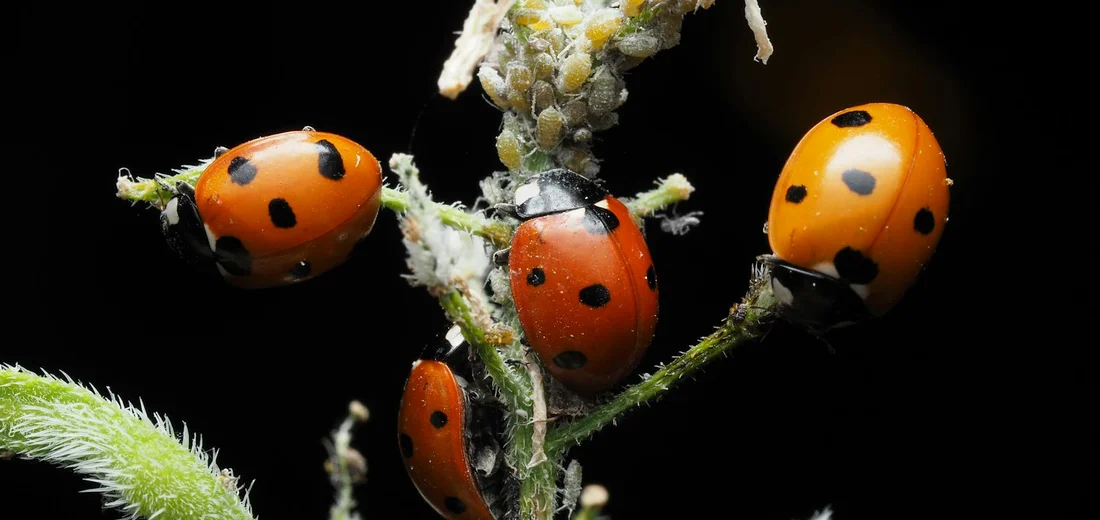
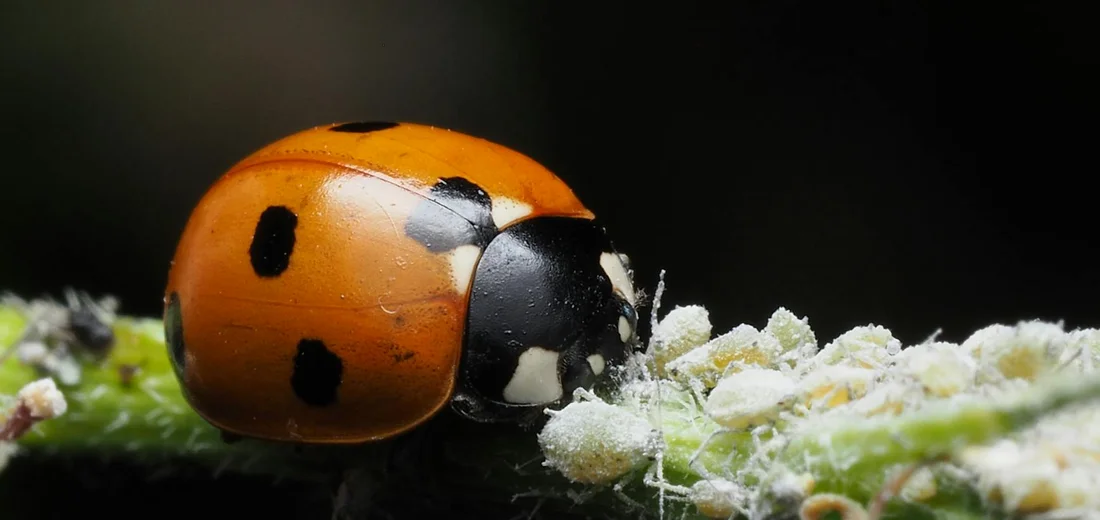
- Release beneficial insects like ladybugs for aphids.
- Apply neem oil or insecticidal soap sprays.
- Use predatory mites for spider mite issues.
You’re now ready to tackle pests with ease and keep your indoor garden thriving. Trust your instincts, give these approaches a try, and enjoy watching your plants flourish under your care! Use these tips to craft a comprehensive pest prevention strategy for your plant collection. A proactive plan protects every plant from common intruders.
Further Reading & Sources
- Biological Control Program | Animal and Plant Health Inspection Service
- Biological pest control – Wikipedia
- Approaches to the Biological Control of Insect Pests
- Biological Control | Pacific Northwest Pest Management Handbooks
Lena Greenfield is a passionate horticulturist and plant care expert with over 10 years of experience cultivating and nurturing hardy house plants. With a deep understanding of both indoor and outdoor gardening, Lena shares practical advice on choosing, caring for, and maintaining resilient plants that flourish year-round. Through her knowledge and hands-on approach, Lena helps plant lovers transform their spaces into vibrant, green sanctuaries, no matter their gardening experience.
Organic Pest Control