
Seasonal Pest Control Guide for Succulents: Spring to Winter
Published on: April 7, 2026 | Last Updated: April 7, 2026
Written By: Lena Greenfield
You’ve spotted a bug on your favorite succulent and now you’re worried about an infestation. Let me reassure you, with a seasonal game plan, you can protect your plants all year long.
In this guide, I’ll share the exact pest-fighting schedule I’ve used for years in my own collection. We’ll cover prevention basics, spring awakening, summer battles, fall preparation, and winter vigilance.
Spring Pest Control for Succulents
As your succulents wake up from their winter rest, they become a magnet for pests looking for a fresh meal. I always treat spring as the most critical season for establishing a strong defense, as a small problem now can explode into a full-blown infestation by summer. The tender new growth is especially appealing to sap-sucking insects.
My post-dormancy routine always starts with a thorough inspection of every plant. I look for any signs of pests that may have been hiding in the soil or on the plant itself during the cooler months. Here’s my essential spring checklist:
- Quarantine any new plants for at least two weeks before introducing them to your main collection.
- Gently inspect the tight rosettes and spaces between leaves where bugs love to hide.
- Apply a light, preventative spray of horticultural oil to smother any unseen eggs.
- Increase sunlight exposure gradually to strengthen the plant’s natural defenses.
The most common spring pests I encounter are aphids, which cluster on flower buds and new growth, and mealybugs, which look like tiny bits of white fluff in the leaf axils. Catching these early is the single best way to save yourself a huge headache later.
Spring Inspection and Prevention
A quick, consistent check is your best weapon. I do this every week without fail. It takes just a few minutes but makes all the difference. Follow this simple order for a thorough inspection:
- Check the undersides of leaves, gently supporting the leaf as you turn it over.
- Look for any fine webbing (a sign of spider mites) or a sticky, shiny residue called honeydew.
- Examine the soil surface and the spot where the stem meets the soil for any unusual activity.
Good air circulation is a powerful, natural pest deterrent. I often use a small, oscillating fan on a low setting in my plant room to keep the air moving, which pests absolutely hate. This simple step also helps prevent fungal issues that can arise from stagnant, moist air. Proper air movement reduces humidity pockets around leaves and roots, supporting healthier growth and making disease less likely. In short, air movement and disease prevention is a key part of plant health.
Spring Treatment Methods
When I spot the first few pests, I reach for my trusted organic remedies. Immediate action is key. Here are the treatments I’ve had the most success with over the years:
- Neem Oil: I mix this with water and a drop of dish soap in a spray bottle, coating all plant surfaces until they drip. I reapply every 5-7 days.
- Insecticidal Soap: This is fantastic for direct contact on soft-bodied insects like aphids. It breaks down their outer coating.
- Rubbing Alcohol: For a small, localized mealybug problem, I dip a cotton swab in 70% isopropyl alcohol and dab it directly on the pest.
I learned the hard way that ignoring a few bugs leads to a major problem. One time, I put off treating a single aloe plant with a couple of mealybugs, and within two weeks, they had spread to five other plants. Early intervention with these gentle methods almost always works and saves your plants from more harsh chemicals later.
Summer Pest Management for Succulents
Summer is when pest activity hits its peak. The warm weather speeds up insect life cycles, and your plants are in active growth mode. Spider mites and whiteflies become public enemy number one during the hot, dry periods, while overwatering invites a whole different set of issues.
My strategy shifts to more frequent monitoring and rapid response. The goal is to enjoy the summer growth without letting pests enjoy your plants.
Summer Monitoring and Prevention
In the heat of summer, I bump my plant checks to every other week. Pests reproduce so quickly that a bi-weekly schedule helps me stay ahead of any population boom. I watch for these specific signs of stress that act like a welcome mat for bugs:
- Leaves that are soft and translucent from too much water.
- Sunburned spots that create damaged, vulnerable tissue.
- Any wilting or shriveling that indicates underwatering stress.
My top preventive measures for summer are simple but effective. I place yellow sticky traps in the pots to catch adult fungus gnats and whiteflies, giving me a clear idea of what’s flying around. I’m also meticulous about watering only when the soil is completely dry to discourage fungus gnat larvae from thriving in damp soil.
Summer Pest Treatments
Applying any treatment during a hot summer day can risk burning your plants. I never spray my succulents in direct sun. The golden rule is to treat them in the early morning or late evening when temperatures are cooler and the sun is less intense. This gives the treatment time to dry properly. To prevent succulent sunburn, acclimate plants to sun gradually. Use light shade during peak heat if needed.
For horticultural oil or neem oil applications, I follow these steps to keep my plants safe:
- Move the plant to a shaded, well-ventilated area.
- Spray thoroughly, covering the tops and bottoms of leaves.
- Let the plant dry completely in the shade before returning it to its sunny spot.
When choosing between a DIY mix and a commercial product, I consider the scale of the problem. A simple soap and water spray works wonders for minor issues, but for a stubborn, widespread infestation, I don’t hesitate to use a commercial insecticidal soap-it’s often more consistently formulated and potent. My personal line is this: if a DIY treatment hasn’t made a dent after two applications, it’s time to upgrade.
Autumn Pest Control for Succulents
As temperatures drop, I always focus on getting my succulents ready to move indoors, which is your best defense against fall pests. Thoroughly inspecting and cleaning each plant before it comes inside stops pests from hitching a ride and infesting your collection. Start by reducing watering since damp soil attracts fungus gnats and other bugs looking for a cozy home.
- Check every leaf, top and bottom, for tiny moving dots or webbing.
- Gently wipe leaves with a damp cloth to remove dust and potential pests.
- Examine the soil surface and drainage holes for soil mites or larvae.
- Trim any yellowing or damaged leaves to eliminate hiding spots.
For soil mites, I sprinkle a thin layer of diatomaceous earth on the soil-it’s a natural powder that dehydrates pests without chemicals. This method has saved my plants from mite invasions multiple times, especially when I spot tiny white bugs crawling around the base.
Autumn Inspection and Quarantine
My pre-winter inspection is non-negotiable; it’s how I caught a fall-scale outbreak early last year. Quarantining new or suspect plants for a few weeks prevents pests from spreading to your healthy succulents. Follow these steps in order to keep everything safe.
- Isolate new plants in a separate, well-lit area away from others.
- Remove all dead or decaying leaves to reduce pest attractants.
- Treat the entire plant with insecticidal soap, focusing on leaf undersides.
I mix a mild soap solution and spray it weekly during quarantine-it’s gentle but effective. Scale insects love to hide in leaf crevices, so a careful inspection under bright light is key to spotting them before they multiply.
Autumn Treatment Strategies
Before succulents enter dormancy, I stick to low-toxicity treatments to avoid stressing them. Diatomaceous earth works wonders for soil-dwelling pests like springtails, and it’s safe for pets and kids. Winter vs summer dormancy differs in triggers and water needs. Recognizing these key differences helps tailor autumn care and pest protection as seasons shift. Here are my go-to methods for autumn.
- Apply food-grade diatomaceous earth to dry soil to control larvae.
- Use neem oil sprays as a preventative measure on leaves and stems.
- Sanitize pots with a vinegar-water solution before repotting.
- Clean tools with rubbing alcohol after each use to prevent cross-contamination.
I always let pots air-dry completely after sanitizing to avoid mold. Keeping everything clean reduces the risk of pests overwintering in your potting supplies.
Winter Pest Care for Succulents
Once plants are indoors, dry air from heating can invite mealybugs, so I monitor closely. Increasing humidity with a small humidifier or pebble tray deters these fluffy white pests from settling in. Use gentle treatments to avoid shocking plants during their slow-growth phase.
Mealybugs thrive in stagnant air, so I keep a fan on low to improve circulation. This simple trick has cut down my winter pest problems by half, making my succulents happier and healthier. For mealybugs on indoor succulents, the best approach is targeted alcohol treatment: dab each bug with 70% isopropyl alcohol. Keep air moving to deter reinfestation.
Winter Monitoring and Prevention
I set a monthly reminder to inspect my succulents-it’s easy to forget during the busy holidays. Root aphids are sneaky in winter, so gently lifting the plant to check for clustered bugs at the roots can save you a headache. Watch for these common signs.
- Sticky residue on leaves, indicating sap-sucking pests.
- Yellowing or wilting that doesn’t improve with watering.
- Tiny white fluff in leaf axils, a telltale mealybug sign.
Boost light exposure with grow lights and open windows briefly for airflow. Better light and ventilation strengthen plants, making them less appealing to pests.
Winter Treatment Approaches
In winter, I avoid harsh chemicals and opt for safe, spot treatments to keep plants stress-free. Rubbing alcohol on a cotton swab zaps mealybugs on contact without harming the succulent. Here are my top winter treatment options.
- Spot-treat pests with 70% isopropyl alcohol for immediate results.
- Apply neem oil spray in a well-ventilated room to prevent fumes.
- Use sticky traps near plants to catch flying insects like fungus gnats.
I’ve had great success with neem oil sprays applied every two weeks; just ensure the area is aired out. Neem disrupts pest life cycles naturally, and I’ve seen it control infestations without damaging my succulents’ delicate leaves.
Identifying Common Succulent Pests
Catching pests early is your best defense for keeping your succulents happy and healthy. I’ve found that a weekly inspection, especially under the leaves and in the tight rosettes, can save you from a major infestation down the line. Ant activity is often a sign of trouble, since ants can protect sap-sucking pests. By preventing ant infestations, you boost your chances of keeping succulents pest-free. Let’s get familiar with the usual suspects.
Visual Guides and Symptoms
Each pest leaves a unique calling card. Here’s what to look for based on my years of tending to a crowded succulent shelf.
- Mealybugs: These look like tiny bits of fluffy white cotton. I often spot them nestled in the crevices where leaves meet the stem. A bad infestation will make the plant look sticky and can cause leaves to yellow and drop.
- Spider Mites: These are so tiny you might see their fine, silky webbing before you see them. If your succulent’s color looks dull or you notice a faint speckling on the leaves, grab a magnifying glass-you’ve likely got mites.
- Scale: Scale insects appear as small, brown, bumpy shells stuck firmly to the stems or leaves. They don’t look like they’re moving because they latch on and feed in one spot. I’ve gently scraped one off with a fingernail to confirm it’s a pest and not just part of the plant.
- Fungus Gnats: You’ll notice these as tiny black flies buzzing around the soil surface. The real trouble is their larvae, which live in the soil and munch on tender roots, stunting your plant’s growth.
| Pest | Key Symptoms | Most Active Season |
|---|---|---|
| Mealybugs | White cottony masses, sticky residue | Spring, Summer |
| Spider Mites | Fine webbing, yellow stippling on leaves | Summer, Winter (indoors) |
| Scale | Brown/black bumpy shells on stems/leaves | Spring, Summer |
| Fungus Gnats | Tiny flying adults, larvae in soil | Year-round, peaks in Fall/Winter |
Seasonal Pest Patterns
Pests have their own seasonal rhythms, much like our plants do. Understanding their lifecycles helps you anticipate problems before they get out of hand. Here’s what I’ve observed throughout the year.
- Spring: This is the big awakening. Mealybugs and scale become very active as temperatures rise and new growth appears. It’s prime time for egg hatching.
- Summer: Spider mites love hot, dry conditions. They thrive in the summer heat, both outdoors and on sunny windowsills. Mealybug populations can also boom if not controlled.
- Fall: As you bring plants back inside, you might accidentally bring pests with them. This is when I often see a surge in fungus gnats, as overwatering becomes more common with less light.
- Winter: Spider mites are a huge problem indoors in winter because they love our dry, heated homes. Scale insects can seem less active but are often just biding their time in a dormant state on your plant.
Effective Pest Control Methods and Products
Once you’ve identified the pest, it’s time for action. I always start with the gentlest method possible to avoid stressing the plant. For a minor issue, a simple physical removal or a soap spray is often all you need.
Application Techniques
How you apply a treatment is just as important as what you apply. Follow these steps for the best results and to keep your plant safe.
- Isolate the Plant: Immediately move the infected succulent away from your other plants to prevent the pests from spreading.
- Test First: Always spray a small, inconspicuous area of the plant and wait 24-48 hours to check for any adverse reactions like leaf burn.
- Apply Thoroughly: Pests hide in the smallest spaces. When spraying, be sure to thoroughly coat the entire plant, paying special attention to the undersides of leaves and the center of the rosette.
- Repeat as Needed: Most treatments don’t kill eggs. You’ll need to reapply every 7-10 days for about three weeks to break the pest life cycle.
- Keep it Dry: After treatment, ensure your plant has good air circulation to help it dry out and prevent rot, especially in its core.
Product Recommendations
You don’t always need to run to the garden center. Many effective solutions are already in your home.
- Rubbing Alcohol: My go-to for mealybugs and scale. Dip a cotton swab in 70% isopropyl alcohol and dab it directly on the pests. They dissolve on contact.
- Insecticidal Soap: A premixed spray or a homemade version (1 teaspoon of mild liquid soap like Castile per liter of water) works wonders on soft-bodied pests like aphids and spider mites.
- Neem Oil: This is a fantastic natural pesticide. I mix it according to the bottle instructions and use it as both a treatment and a preventative spray every few weeks during peak pest season.
- Horticultural Oil: Similar to neem oil, this smothers pests and is very effective against scale. It’s best used when temperatures are cool to avoid leaf burn.
- Systemic Granules: For a persistent, severe infestation, I sometimes mix this into the soil. The plant absorbs it, making the entire plant toxic to sap-sucking pests. Use this as a last resort.
Seasonal Care Adjustments for Pest Prevention
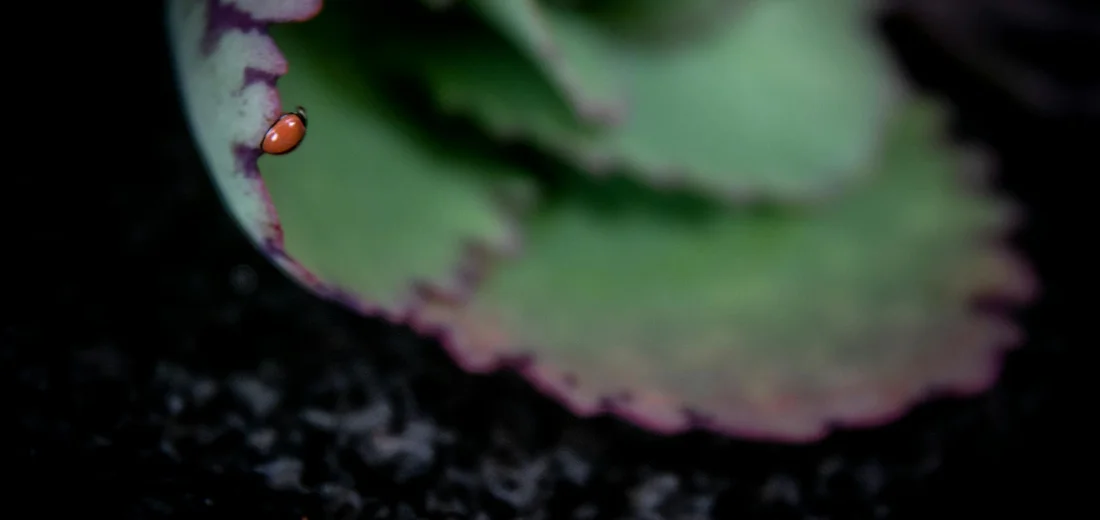
I’ve found that the best pest control isn’t a spray bottle; it’s a consistent, thoughtful care routine. Healthy succulents are naturally more resistant to infestations, and adjusting your care with the seasons is the foundation of a pest-free collection. Pests are often a symptom of a stressed plant, so by aligning your watering, light, and feeding with nature’s rhythm, you remove the welcome mat for bugs. Learning to identify common succulent pests early—mealybugs, scale, and spider mites—lets you treat promptly. Coupled with preventative care, this keeps pests from taking hold.
Care Routines by Season
Over the years, I’ve fine-tuned my seasonal routines, and my plants have rarely seen a pest since. Here’s the seasonal breakdown I live by.
Spring: The Growth Spurt
Spring is when your succulents wake up hungry and thirsty. This is also when pests like aphids and mealybugs become active.
- Watering: Gradually increase watering as temperatures rise and daylight lengthens. I always wait until the soil is completely dry before giving a thorough soak.
- Light: Move plants to brighter locations to support new, compact growth. Leggy, weak growth from low light is a magnet for pests.
- Fertilization: Apply a half-strength, balanced succulent fertilizer once at the start of the season. This gives them a boost without the soft, sappy growth that aphids love.
Summer: The Heat Test
Summer brings intense sun and heat, which can stress plants and attract spider mites.
- Watering: Water deeply but less frequently than you might think. I check for thirst by feeling for leaf flexibility. Protect from intense afternoon sun to prevent sunburn.
- Light: Provide bright, indirect light or morning sun only. A little stress coloring is fine, but bleached or scorched leaves are vulnerable.
- Fertilization: I stop fertilizing entirely during the peak summer heat to avoid burning roots and stressing the plant.
Fall: The Wind-Down
This is the time to prepare your plants for their winter rest, making them less appealing to pests seeking a cozy home.
- Watering: Significantly reduce watering frequency as growth slows and days shorten. Let the soil stay dry for longer periods.
- Light: Maximize sun exposure as the sun’s intensity decreases. This helps harden off the plants before winter.
- Fertilization: Do not fertilize. You do not want to encourage tender new growth right before the dormant season.
Winter: The Dormant Period
Overwatering in winter is the number one cause of fungus gnats and root rot in my experience.
- Watering: Water very sparingly, only once a month or even less. My rule is to water only when the leaves show slight signs of wrinkling from thirst.
- Light: Place plants in the brightest window possible. Consider a grow light if your home is dark to prevent etiolation.
- Fertilization: No fertilizer. The plant is not actively growing and cannot use the nutrients.
Proactive Monitoring Habits
Pest problems are easiest to solve when caught early. I spend just a few minutes each week on this, and it saves me hours of headache later.
Make a habit of looking at your plants with a “pest-seeking” eye every time you water. This tiny shift in mindset catches most issues before they spread.
Weekly Glance Checklist
- Check the tops of leaves for discoloration or stippling.
- Gently part the leaves and look at the stems for any cottony masses (mealybugs).
- Inspect the underside of leaves for tiny moving dots (spider mites) or scale insects.
- Look at the soil surface for fungus gnat adults or other critters.
Seasonal Deep Clean
At the start of each new season, I give my plants a little extra attention.
- Wipe down leaves with a soft, damp cloth to remove dust where pests can hide.
- Remove any dead or dying leaves from the base of the plant and the soil surface. This eliminates hiding spots.
- Gently loosen the top layer of soil to disrupt any pest eggs.
- If you’ve had issues, this is a good time for a preventative spray with diluted neem oil.
## Common Questions
What is the most common pest for succulents?
Mealybugs are the most common pest, appearing as tiny white, fluffy spots in leaf crevices.
Can I use dish soap to treat pests on my succulents?
Yes, a mild solution of dish soap and water can be an effective spray for soft-bodied insects like aphids.
How often should I apply neem oil for pest control?
For active infestations, apply neem oil every 5-7 days, but use it every few weeks as a preventative measure.
Why are pests attacking my succulent even though I don’t overwater?
Pests can be attracted by other stressors, such as poor air circulation, low light, or dust on the leaves.
Is it safe to use systemic insecticide granules on all my succulents?
Systemic granules are a strong, last-resort option and should be used with caution, especially on edible or sensitive succulent varieties.
What should I do immediately after finding pests on a plant?
Immediately isolate the infected plant from your other succulents to prevent the pests from spreading.
Your Year-Round Succulent Protection Plan
Staying one step ahead of pests means adjusting your care with the seasons: inspect plants weekly, water appropriately for the time of year, and isolate any new or infected plants immediately. Your best defense is a consistent, observant routine. This approach aligns with integrated pest management (IPM for indoor plants), emphasizing prevention, monitoring, and targeted action. By catching issues early, you minimize chemical interventions.
You’ve got this! With this simple seasonal guide, you can care for your succulents with confidence, knowing you’re prepared for whatever the year brings. This seasonal care guide helps you adjust succulent care through the year. By fine-tuning watering, light, and protection as seasons change, your plants stay healthy. Your plants will thank you for the attentive care with vibrant, healthy growth.
Further Reading & Sources
- Succulent Pests & Diseases: Identification and Effective Treatment – Succulents Box
- ARBICO Organics – Pest Control – Succulents
- Succulent Pests & Diseases – Leaf & Clay
- Pests in Succulents and How To Get Rid of Them! – Pest Control Jupiter | Termite Control Florida | Lawn Care 33469 – Palm Coast Pest Control
Lena Greenfield is a passionate horticulturist and plant care expert with over 10 years of experience cultivating and nurturing hardy house plants. With a deep understanding of both indoor and outdoor gardening, Lena shares practical advice on choosing, caring for, and maintaining resilient plants that flourish year-round. Through her knowledge and hands-on approach, Lena helps plant lovers transform their spaces into vibrant, green sanctuaries, no matter their gardening experience.
Organic Pest Control