
How Often to Water Small and Mini Succulents
Published on: May 11, 2026 | Last Updated: May 11, 2026
Written By: Lena Greenfield
Figuring out how often to water your tiny succulents is the single biggest challenge for new plant owners. You’re likely worried about giving them too much water, which is actually a far more common mistake than giving them too little.
In this guide, I’ll share what I’ve learned from years of keeping dozens of mini succulents happy on my windowsills. We’ll cover watering frequency, signs your plant is thirsty or drowning, and how to adjust for the seasons so you can grow with confidence.
Understanding Watering Frequency for Small Succulents
Watering small succulents isn’t about a strict schedule; it’s about responding to their environment. The single most important rule I follow is to water based on the soil’s dryness, not the day of the week. Tiny plants in small pots dry out much faster than their larger counterparts, but they also hold less water reserve, making a consistent check-in vital.
Key Factors That Change Watering Needs
Three main elements will dictate your mini succulent’s thirst level. Ignoring them is the fastest way to underwater or overwater.
- Light Exposure: A succulent on a bright, sunny windowsill is actively using water for growth and will need more frequent drinks than one in low light.
- Pot Size and Material: Small, shallow terracotta pots are water-wicking champions, drying out in days. Plastic or glazed ceramic pots retain moisture for much longer.
- Growth Stage: A plant in its active growing phase (typically spring and summer) is far thirstier than one dormant in winter.
The “Soak and Dry” Method, Step-by-Step
This is the gold standard watering technique I use for all my succulents. It mimics the natural desert downpours they’ve evolved to love.
- Wait until the soil is completely dry all the way to the bottom of the pot.
- Take your plant to the sink or use a watering can with a narrow spout.
- Soak the soil thoroughly until water runs freely out of the drainage hole.
- Let the pot drain completely. Never let your succulent sit in a saucer of water.
- Return the plant to its spot and do not water again until the soil is bone-dry.
Watering Needs for Common Mini Succulents
| Succulent Variety | General Watering Frequency (Summer) | Special Notes |
|---|---|---|
| Echeveria | Every 7-10 days | Loves bright light; bottom leaves will wrinkle when thirsty. |
| Haworthia | Every 10-14 days | More tolerant of lower light and slightly more frequent water. |
| Sedum (Stonecrop) | Every 7-12 days | Very drought-tolerant; better to underwater than overwater. |
| String of Pearls | Every 10-14 days | Check the top of the soil; pearls will pucker and soften when dry. |
Quick Tip: In winter, I often stretch these intervals by an extra week or more, as most of my plants are barely growing.
Recognizing When Your Succulent Needs Water
Your succulent will tell you when it’s thirsty, you just need to learn its language. I’ve saved more plants by learning to read their subtle cues than by any fancy gadget or schedule. Over time, you’ll start to notice the slight changes that signal it’s time for a drink. Knowing how to recognize those signs is crucial.
Physical Signs of Thirst
Look for these clear visual and tactile indicators that your plant is ready for water.
- Wrinkled Leaves: Plump, firm leaves will start to look deflated, with wrinkles or lines appearing on their surface.
- Soft, Pliable Texture: A well-hydrated succulent leaf is firm to the touch. A thirsty one will feel softer and may bend more easily.
- Soil Dryness: The top inch of soil will be completely dry and may even pull away from the edges of the pot.
How to Check for Moisture
Never guess. Use one of these reliable methods to be sure.
- The Finger Test: Stick your finger about an inch deep into the soil. If it feels dry and no soil sticks to your skin, it’s time to water.
- The Chopstick Method: Insert a wooden chopstick into the soil like a cake tester. If it comes out clean, the soil is dry.
- Lifting the Pot: With practice, you’ll learn that a dry pot feels significantly lighter than a freshly watered one.
My Personal Experience with Subtle Cues
I have a particular Haworthia that taught me to pay closer attention. Before its leaves even begin to wrinkle, they lose their deep green luster and take on a slightly duller, grayish tone. That’s my first signal to check the soil. Another of my Echeverias will have leaves that feel less like hard candy and more like a firm gummy bear when it’s approaching watering day. This hands-on observation is what turns a plant owner into a true plant parent.
Avoiding Overwatering and Underwatering
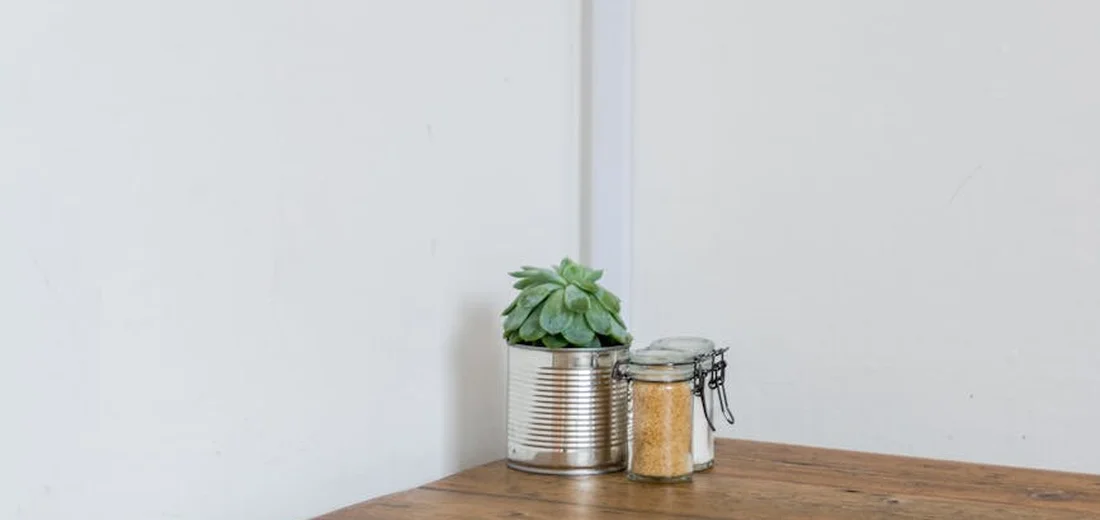
I’ve seen many new succulent owners struggle with watering, but with a few simple checks, you can keep your mini plants thriving. Overwatering is the top killer of small succulents, so learning the signs early saves you from heartache.
- Mushy leaves that feel soft and squishy to the touch, almost like overripe fruit, often mean too much water has caused cell damage.
- Root rot shows up as dark, slimy roots with a foul odor, and it can spread quickly if not addressed.
- Shriveled, wrinkled leaves that look deflated and dry indicate your plant is thirsty and needs a good drink.
- Slow growth or no new leaves over weeks signals underwatering, as the plant conserves energy to survive.
To prevent root rot, I always start with a well-draining soil mix and pots with drainage holes. Let the soil dry out completely between waterings-stick your finger in to check moisture levels.
- If you suspect overwatering, stop watering immediately and move the plant to a brighter, airier spot to help dry the soil.
- For root rot, gently remove the plant, trim away any dark, mushy roots, and repot in fresh, dry soil.
- For underwatered succulents, give a thorough bottom watering to rehydrate roots without shocking the plant.
Proper drainage is non-negotiable for mini succulents. I use a mix of cactus soil and perlite in my own collection, which prevents water from pooling around the roots. To confirm it drains properly, test your mix by watering and noting how fast the water exits. If it pools, amend with more perlite to improve drainage.
Best Watering Methods and Techniques
Choosing the right watering method can make all the difference for your mini succulents’ health. In my experience, bottom watering often works better than top watering because it encourages deep root growth and reduces the risk of leaf rot.
- Top watering involves pouring water directly onto the soil, which can compact it and leave leaves wet, leading to mold.
- Bottom watering lets the plant soak up water through the drainage hole, promoting even moisture and stronger roots.
Here’s how I do bottom watering step by step for my mini succulents:
- Fill a shallow tray or bowl with about an inch of water-I use room-temperature tap water or rainwater.
- Place the succulent pot in the tray, making sure the water doesn’t cover the pot’s rim.
- Let it sit for 15-20 minutes, or until the topsoil feels moist to the touch.
- Remove the pot and let any excess water drain away completely before returning it to its spot.
When watering multiple mini succulents in a tray, group pots of similar sizes together for efficiency. This method saves time and ensures each plant gets just the right amount of hydration without overdoing it.
Water quality matters more than you might think. I prefer using rainwater or filtered water for my succulents, as tap water’s minerals can build up in the soil over time. For the best results, choose water with low mineral content. Rainwater or distilled/filtered options are usually the best water types for watering succulents.
Seasonal Adjustments and Environmental Factors
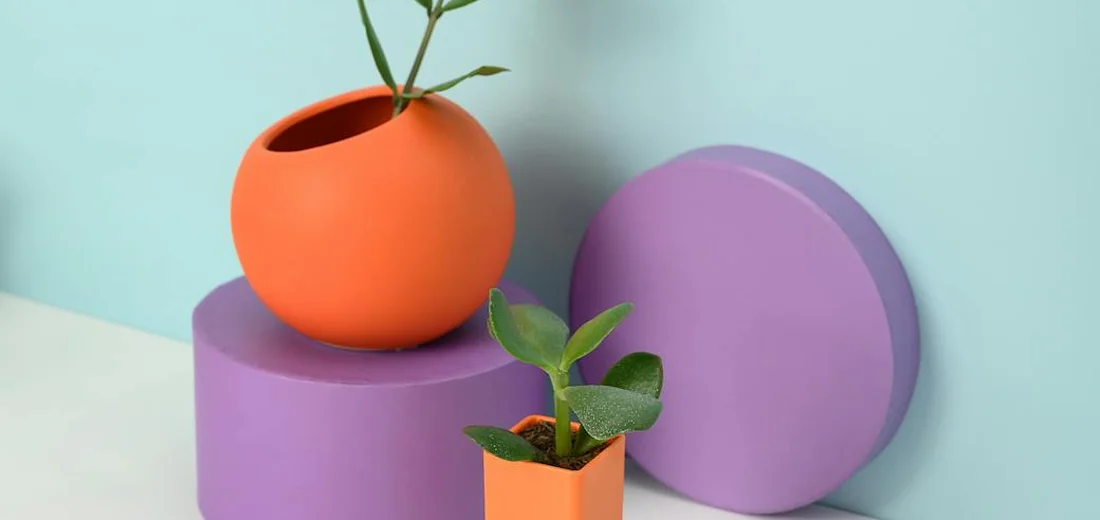
Your watering can needs to sync with the calendar just as much as it does with your plant’s soil. Succulents have distinct growing and resting periods, and ignoring these cycles is a fast track to problems.
Summer Growth vs. Winter Dormancy
In the warm, bright days of summer, your mini succulents are actively growing. They’re using more water and nutrients from the soil. This is when you’ll water most frequently, but still only when the soil is completely dry.
Come winter, with shorter days and cooler temperatures, most succulents enter a dormancy period. Their growth slows way down. During this rest phase, I sometimes water my collection as little as once a month, or even less. Overwatering a dormant succulent is the most common winter mistake I see. By contrast, in summer they often need more frequent watering as they push new growth. This winter–summer watering rhythm helps prevent overwatering and keeps them healthy.
How Your Home’s Environment Affects Thirst
Your indoor climate is a huge player in watering frequency. Here’s how the big three factors influence your schedule:
- Light: A succulent on a sunny south-facing windowsill will dry out its soil much faster than one in lower light. More light equals more frequent watering checks.
- Temperature: Warm rooms accelerate evaporation from the soil and transpiration from the leaves. A plant near a heat vent will be thirstier.
- Humidity: Dry, air-conditioned or heated air pulls moisture from the soil and plant tissues. Humid environments let the soil stay moist for longer.
A Simple Seasonal Watering Guide
Think of this as a flexible starting point for your own plants:
- Spring & Summer (Active Growth): Water thoroughly only when the soil is 100% dry. This might be every 7-14 days.
- Fall & Winter (Dormancy): Stretch the time between waterings significantly. You might go 3-6 weeks, always checking soil moisture first.
Quick Tip: In winter, I use a wooden skewer stuck into the soil to check for deep moisture before I even think about watering.
Adjusting for Your Indoor Climate
My home gets very dry in winter, so I might lightly mist the soil surface between deep waterings for some varieties. If you live in a humid climate, you’ll need to be extra vigilant about letting the soil dry completely to prevent rot. The key is to observe your plant and your environment, not just follow a rigid calendar date.
Soil and Pot Considerations
The right soil and pot are your best defense against overwatering. I learned this the hard way after losing a beautiful haworthia to root rot from soil that held water like a sponge.
Why Soil Type is a Game Changer
Regular potting soil is a death sentence for most succulents—it’s too dense and retains too much moisture. You need a gritty, well-draining mix. A quality cactus and succulent mix is a great start, but I always amend it for even better drainage. The goal is for water to flow through quickly, hydrating the roots without waterlogging them. Do succulents really need special soil? The truth is they mostly do better with a fast-draining mix than with typical potting soil.
The Non-Negotiables: Drainage Holes and Pot Size
This is non-negotiable for healthy mini succulents. A pot must have a drainage hole to allow excess water to escape. Without one, water pools at the bottom, leading to soggy soil and root rot.
Pot size matters, too. A tiny plant in a huge pot will sit in wet soil for far too long. I always choose a pot that is only slightly larger than the root ball of the plant, usually just an inch or two wider in diameter. A snug pot helps the soil dry out more evenly and quickly.
My Go-To Well-Draining Soil Recipe
For my most prized mini succulents, I make my own mix. Here’s what I use:
- 2 parts cactus & succulent potting mix (the base)
- 1 part perlite (adds aeration)
- 1 part coarse sand or poultry grit (improves drainage)
This gritty blend ensures water runs right through, mimicking the succulents’ natural, arid habitats.
When and How to Repot Your Mini Succulents
I repot my mini succulents every two years or when they outgrow their pots. Repotting is the perfect time to refresh old, compacted soil and check the health of the roots.
Gently remove the plant, brush off the old soil, and trim any dead or mushy roots. Place it in a new pot with fresh, well-draining mix and wait about a week before the first watering to let any disturbed roots heal. After repotting, keep the plant in a stable spot with bright, indirect light and steady moisture to support recovery. Avoid fertilizing for a few weeks and monitor for signs of stress as the roots reestablish. Quick Tip: The best time to repot is at the beginning of the active growing season (spring) so the plant can recover quickly.
Troubleshooting Common Watering Issues
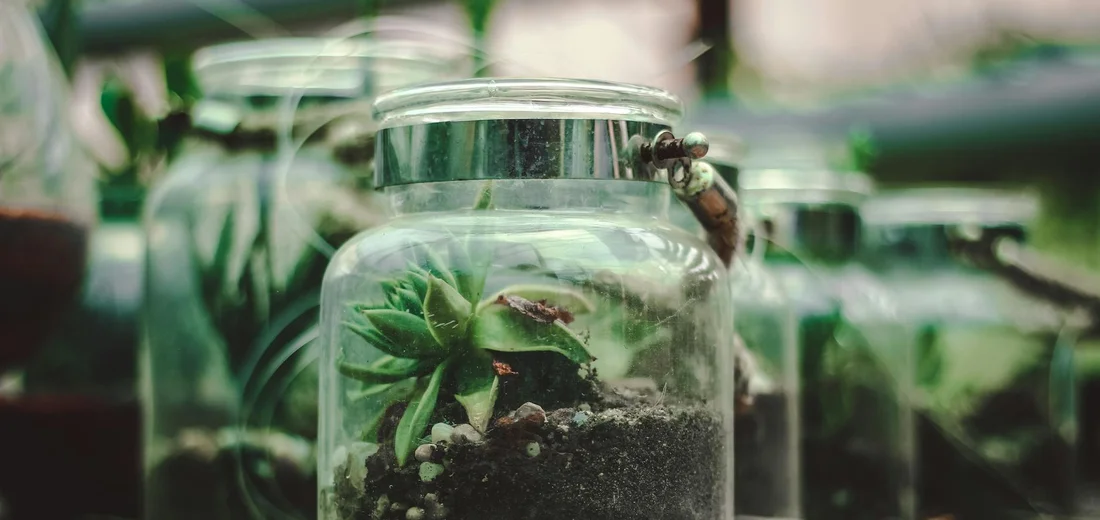
Even with the best intentions, you might run into a thirsty or waterlogged succulent. I’ve rescued countless plants from both extremes, and the first step is always to correctly identify the problem.
Is Your Succulent Overwatered or Underwatered?
Look for these tell-tale signs to diagnose your plant’s distress.
- Overwatered Succulents: Leaves feel soft, mushy, and translucent. They might turn yellow or black and drop off at the slightest touch. The stem can also feel soft and look discolored.
- Underwatered Succulents: Leaves become wrinkled, thin, and flat. They feel papery and may start to curl inward. The entire plant can look deflated and dull in color.
Steps to Check Soil Moisture and Adjust Your Habits
Don’t just rely on the calendar. Here’s my go-to method for checking if it’s truly time to water.
- Perform the Finger Test: Stick your finger about two inches into the soil. If you feel any moisture or coolness, wait. If it’s completely dry, it’s time for a drink.
- Feel the Weight: Lift the pot. A pot with dry soil is significantly lighter than one with wet soil. This technique is a game-changer and something I use daily with my own collection.
- Observe the Leaves: Plump, firm leaves mean the plant is well-hydrated. Slightly wrinkled leaves are your succulent’s way of politely asking for water.
Quick Recovery Tips for Stressed Succulents
If your plant is showing signs of stress, act quickly with these targeted actions.
- For an Overwatered Plant: Stop watering immediately. Remove the plant from its pot and gently brush away the wet soil. Let the roots air dry for a day or two before repotting in fresh, dry succulent mix. In severe cases, you may need to cut away any black, mushy roots with a sterile knife.
- For an Underwatered Plant: Give it a thorough, deep watering. I place the pot in a sink and water until it runs freely out the drainage hole. Wait a few minutes and then water it again to ensure the entire root ball is rehydrated.
My Experience with Common Watering Problems
I once had a beautiful little jade plant that started dropping leaves. I thought it was thirsty and watered it more, only to make the problem worse. I learned the hard way that a dropping succulent is often a sign of too much love, not neglect. After unpotting it, I discovered the roots were rotting. I had to perform some “surgery,” let it callous, and re-root it. It was a slow recovery, but that plant taught me the immense importance of checking the soil before reaching for the watering can. Now, I always let the plant tell me what it needs.
## Common Questions
How can you tell if a mini succulent needs water?
Look for wrinkled, slightly deflated leaves that feel soft and pliable to the touch.
Can overwatering harm mini succulents?
Yes, overwatering is the most common cause of death for mini succulents, leading to root rot.
How does soil type affect watering mini succulents?
A gritty, well-draining soil mix allows water to flow through quickly, preventing the roots from sitting in moisture.
Is bottom watering good for mini succulents?
Yes, bottom watering encourages deep root growth and helps avoid getting water on the leaves, which can cause rot.
Do mini succulents go dormant in winter and need less water?
Yes, most mini succulents enter a dormancy period in winter and require significantly less frequent watering.
How to water multiple mini succulents in a tray?
Group pots of similar sizes in a shallow tray of water, allowing them to soak up moisture through their drainage holes simultaneously.
Your Mini Succulent Watering Cheat Sheet
In my years of growing tiny succulents, I’ve learned that the golden rule is to water only when the soil is completely dry, which prevents overwatering and root rot. Always check the soil’s dryness before reaching for your watering can. For a complete guide on how often to water succulents, see our detailed schedule that breaks it down by climate, pot size, and season. It will help you tailor your watering routine to your plants’ specific needs. Key factors to remember:
- Water deeply but infrequently, allowing excess to drain.
- Adjust frequency based on light, temperature, and pot size.
- Use a well-draining soil mix to keep roots happy.
Trust your instincts and observe your plants—they’ll tell you what they need. Do succulents need to thrive? They do, with the right balance of light, soil, and water. Now, go give your mini succulents a drink with confidence, and enjoy watching them flourish under your care!
Further Reading & Sources
- How to Water Succulent Plants | Succulents and Sunshine
- How Often to Water Succulents Without Killing Them
- How Often to Water Succulents | Kellogg Garden Organics™
- How Often To Water Succulents 2025 Guide
Lena Greenfield is a passionate horticulturist and plant care expert with over 10 years of experience cultivating and nurturing hardy house plants. With a deep understanding of both indoor and outdoor gardening, Lena shares practical advice on choosing, caring for, and maintaining resilient plants that flourish year-round. Through her knowledge and hands-on approach, Lena helps plant lovers transform their spaces into vibrant, green sanctuaries, no matter their gardening experience.
Watering Practices