
Do Succulents Need Special Soil? The Honest Answer
Yes, succulents absolutely need special soil, but it’s not as complicated or expensive as you might fear. The right soil is the single most important factor for keeping your succulents alive and thriving, far more critical than any fancy pot or fertilizer.
I’ve killed my share of plants by using the wrong dirt, and I’ll walk you through everything I’ve learned. We’ll cover: why regular potting soil is a death sentence, what the perfect succulent soil mix really looks like, how to make your own cheaply, and the simple drainage test I use for every new plant.
Why Special Soil Isn’t Just a Suggestion
I learned this lesson the hard way with my first succulent, a beautiful echeveria I planted in regular potting soil. Regular potting mix holds onto moisture like a sponge, creating an environment where succulent roots simply cannot survive for long. Treating soil as an afterthought is one of the biggest mistakes I see new plant parents make.
The Peril of Soggy Roots: A Story of Root Rot
Imagine your succulent’s roots sitting in constantly damp soil. They can’t breathe. This lack of oxygen slowly suffocates them, and the wet conditions invite fungi and bacteria to attack. Root rot is a silent killer that often isn’t discovered until the plant itself starts to look mushy and collapse from the bottom up. I’ve lost more than one plant to this exact scenario before I understood the critical role of soil.
Here are the unmistakable signs your soil is too wet:
- Leaves turn yellow and feel soft or translucent.
- The stem near the soil becomes black or brown and mushy.
- The plant feels loose in the pot, as if the roots have dissolved.
- You notice a musty or unpleasant smell coming from the soil.
How Fast-Draining Soil Creates Happy, Healthy Roots
The right soil doesn’t just prevent disaster; it actively promotes vibrant health. Fast-draining soil encourages roots to grow strong and spread out as they search for water, creating a much more stable and resilient plant. Think of it like strength training for your succulent’s root system.
Here’s what happens when you get the soil right:
- You water thoroughly, completely saturating the root ball.
- Excess water immediately flows out of the drainage hole, pulling fresh air into the soil.
- The roots have access to both the water they need and the oxygen they crave.
- The soil dries out quickly, preventing rot and encouraging you to water again on a healthy cycle.
What Exactly Is “Special” Succulent Soil Made Of?
Specialized succulent and cactus mixes aren’t magical, but their specific recipe is what makes them so effective. The secret lies in balancing water retention with rapid drainage, a feat achieved by combining two main types of ingredients. You can buy a pre-made mix or easily create your own for a custom blend.
The Dynamic Duo: Organic Matter and Gritty Minerals
Every good succulent soil is a partnership. The organic matter, like peat or coco coir, provides a little structure and holds onto just enough moisture for the roots to absorb. The gritty, inorganic materials are the real heroes, creating permanent air pockets that ensure water never lingers around the roots. A bag of standard potting soil is almost all organic matter, which is why it’s a death sentence for succulents. It’s essential to understand the differences between organic and inorganic soil components for succulents.
A great starting mix ratio is:
- 50-60% gritty minerals (like perlite or pumice)
- 40-50% organic potting soil
My Go-To Mineral Grit for Superior Drainage
Over the years, I’ve tested nearly every amendment you can find. My absolute favorite is pumice because it’s porous, lightweight, and doesn’t float to the top during watering like perlite sometimes does. It provides perfect aeration and doesn’t break down over time.
Here’s a quick comparison of my top choices:
| Material | Why I Like It | One Thing to Note |
|---|---|---|
| Pumice | Porous, retains some water and nutrients, very stable. | Can be slightly more expensive. |
| Perlite | Very lightweight, excellent aeration, very affordable. | Can float to the surface and looks a bit like styrofoam. |
| Coarse Sand | Adds great weight and drainage. | Must be horticultural or coarse; fine sand will compact. |
Quick Tip: If you buy a pre-made succulent mix, it’s often not gritty enough straight from the bag. I always mix in extra perlite or pumice to be safe. Your plants will thank you for the extra effort. If you want more control, try making your own succulent potting mix with simple DIY recipes. Tailor the mix to your plants’ needs by adjusting grit, drainage, and moisture retention.
Bagged Mix vs. DIY: My Hands-On Comparison
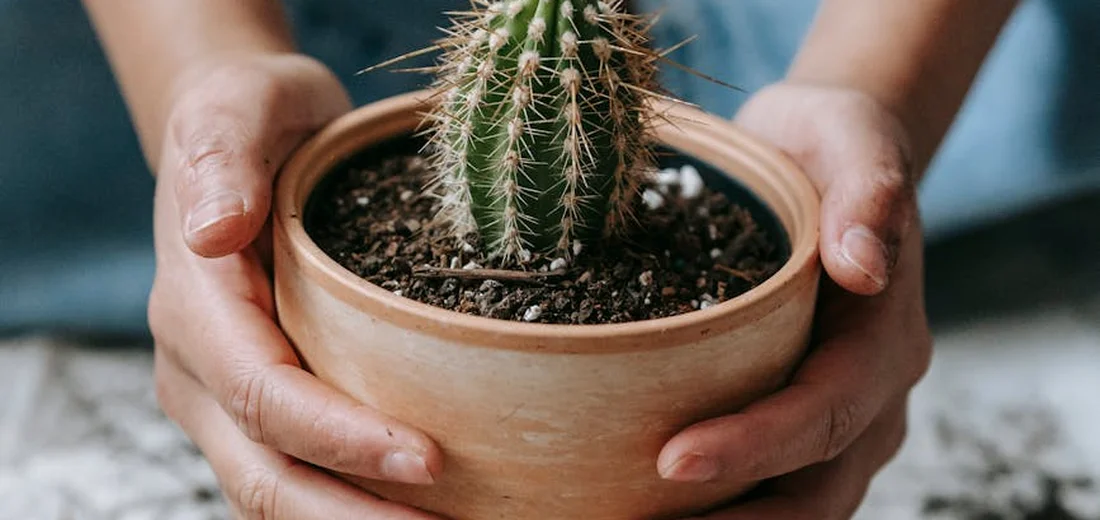
I’ve bought countless bags of pre-mixed soil and mixed up just as many of my own batches over the years. Your best choice truly depends on how many plants you have and how much time you want to spend. For a beginner with one or two succulents, a bagged mix is a fantastic, no-fuss start—especially when you want to focus on learning about soil requirements for different succulent types.
When a Pre-Made Cactus Mix Works Just Fine
I always keep a bag of quality cactus and succulent mix in my shed for quick repots and new plant arrivals. A good commercial mix saves you the mess and time of measuring ingredients. It’s perfect for when life gets busy and you just need to get a plant out of its soggy nursery pot fast.
Look for a mix where you can see plenty of perlite or pumice chunks-it shouldn’t look like fine, dark garden soil. My favorite trick is to give the bag a gentle squeeze; if it feels light and airy, you’re on the right track.
My Simple, Tried-and-True DIY Succulent Soil Recipe
When my collection exploded, I switched to making my own soil to save money and have total control. This is the exact recipe I use for all my succulents, from echeverias to haworthias.
You’ll need:
- 2 parts potting soil (a standard, all-purpose kind is fine)
- 1 part coarse sand (horticultural or builder’s sand, not play sand)
- 1 part perlite or pumice
I mix it all together in a big plastic tub with my hands. The final texture should be gritty and loose, falling apart easily instead of clumping. This blend gives my plants the quick-draining environment they crave, and I can make a huge batch for the cost of one small bag of specialty mix.
Can You Use Regular Potting Soil for Succulents?
I get this question all the time, and my honest answer is: not on its own. I learned this the hard way with a jade plant that developed root rot. Standard potting soil is designed to retain moisture, which is the exact opposite of what your succulent’s roots need. It holds water for too long, creating a swampy environment that invites fungus and rot. Knowing the root rot causes helps you save ailing succulents. With the right treatment and care, you can prevent it from returning.
Think of it like putting on a heavy winter coat in the middle of summer—it’s just too much for the plant to handle. Your succulent will be sitting in wetness, and its roots will start to suffocate and decay. Temperature and humidity matter too—the more extreme the environment, the more stress on the plant. Healthy succulents thrive with moderate temperatures and relatively low humidity, allowing the soil to dry between waterings.
The One Critical Adjustment for Emergency Potting
Let’s say you just brought a new succulent home and you have no special soil. Don’t panic! You can create a “good enough” temporary mix with what you have. Using perlite in succulent soil mixes is a simple, effective way to improve drainage and aeration for these plants. For every one part of regular potting soil, mix in one part of perlite.
This isn’t the perfect long-term solution, but it will drastically improve drainage and get your plant through until you can get the right ingredients. I’ve done this in a pinch, and it works. Just be extra careful not to overwater while your plant is in this emergency mix.
How to Pot Your Succulent for Success
Getting your succulent settled into its new home is a simple process, but doing it right makes all the difference. I always treat repotting day as a chance to give my plant a full health check-up. As a beginner, follow this step-by-step guide to repot succulents and transplant with confidence.
Your Step-by-Step Potting Guide
- Gently remove your succulent from its nursery pot. If it’s stuck, I softly squeeze the sides of the plastic pot to loosen the root ball.
- Inspect the roots closely. Look for any that are mushy, black, or dried up and snip them off with clean scissors.
- Fill your new pot about one-third full with your fresh, gritty succulent mix.
- Place the plant in the center, then backfill with more soil around the roots.
- Leave about half an inch of space between the soil surface and the rim of the pot for easy watering.
The most common mistake I see is planting too deep; always keep the base of the succulent’s stem right at the soil line. This prevents stem rot and keeps your plant happy.
Your First Watering in New Soil: What to Do
This is the step that causes the most confusion for new plant parents. Resist the urge to water your succulent immediately after repotting. I know it feels counterintuitive, but trust me on this. Wait about 5-7 days before the first watering after repotting to let the roots settle. This helps prevent rot and supports a healthy re-establishment.
Your plant’s roots have just been disturbed and likely have tiny, invisible abrasions. Watering right away can invite rot to set in those fresh wounds. I always give my succulents a full week to settle into their new soil before I even think about reaching for the watering can.
After that waiting period, give your plant a thorough, deep soak. Water until it runs freely out of the drainage hole. This encourages the roots to grow downward, seeking moisture and establishing a strong, stable foundation. You’ve just set your succulent up for a long and thriving life.
Quick tip: Mark your calendar for one week from repotting day so you don’t forget that first crucial watering!
FAQs
How can I test if my succulent soil drains well?
Water the soil thoroughly and check if excess water drains out quickly through the bottom of the pot.
Can I use regular garden soil for my succulents?
No, garden soil is too dense and retains too much moisture, which can cause root rot.
What type of pot is best for succulents?
Choose pots with drainage holes to prevent water from accumulating around the roots.
Is there a difference between succulent and cactus soil?
They are very similar, but cactus soil often has even more gritty materials for faster drainage.
Should I add fertilizer to my succulent soil mix?
Yes, but use a diluted, balanced fertilizer sparingly during the growing season only.
How should I store unused DIY succulent soil?
Keep it in a sealed container in a dry area to avoid moisture and contamination.
Your Succulent Soil Success Story
After years of tending to succulents, I’ve found that using a fast-draining soil mix is the secret to keeping them vibrant and problem-free. Poor drainage and compacted soil are common soil problems that can lead to root rot or stunted growth. A well-draining mix fixes them. This one change can transform your plant care routine and prevent common issues like overwatering.
- Opt for a gritty blend with sand, perlite, or pumice to mimic their natural habitat.
- Skip heavy, moisture-retentive soils that lead to root rot.
- Water only when the soil is bone-dry to avoid drowning your plants.
You’ve got all the tips to give your succulents the perfect home-trust your instincts and enjoy watching them flourish. Your green thumb is stronger than you think, and your plants will reward you with lush, happy growth.
Further Reading & Sources
- The Best Soil for Succulents (And Where to Buy) – Lyngso Garden Materials
- Best Soil For Succulents | Kellogg Garden Organics™
- Succulent Soil: The Ultimate Guide – Mountain Crest Gardens
- What Type of Potting Soil Do Succulents Need?
Lena Greenfield is a passionate horticulturist and plant care expert with over 10 years of experience cultivating and nurturing hardy house plants. With a deep understanding of both indoor and outdoor gardening, Lena shares practical advice on choosing, caring for, and maintaining resilient plants that flourish year-round. Through her knowledge and hands-on approach, Lena helps plant lovers transform their spaces into vibrant, green sanctuaries, no matter their gardening experience.
Soil Types