
Outdoor Succulent Care Guide: Growing Succulents in Your Garden
Published on: January 7, 2026 | Last Updated: January 7, 2026
Written By: Lena Greenfield
You want to grow beautiful, plump succulents in your garden, but you’re worried they’ll die at the first sign of frost or turn to mush in a rainstorm. I’ve killed my fair share of plants learning these lessons, so I’ll help you avoid my mistakes.
In this guide, I’ll share my hard-won experience on the key pillars for thriving garden succulents, including choosing the perfect sunny location, creating the right fast-draining soil mix, mastering a seasonal watering schedule, and protecting your plants from extreme temperatures.
Choosing the Best Outdoor Succulents for Your Space
Picking the right succulents for your garden is like choosing friends for a party-you want ones that will thrive in your specific environment. I always start by looking at my local climate and the specific conditions of my yard before I ever buy a plant. This simple step has saved me from so many disappointments over the years.
For cooler, often damp climates, you need tough succulents that can handle a bit of cold and moisture.
- Sempervivum (Hens and Chicks): These are my absolute go-to. They form beautiful, geometric rosettes and are incredibly cold-hardy, surviving winters that would turn other succulents to mush.
- Sedum (Stonecrop): With so many varieties, there’s a sedum for every spot. I use low-growing types like ‘Angelina’ as a vibrant groundcover and taller varieties like ‘Autumn Joy’ for stunning late-season color.
- Jovibarba: A close cousin to Sempervivum, these are equally tough and offer a slightly different look with their globular forms.
If you’re lucky enough to garden in a warm, dry, frost-free area, your options explode with dramatic shapes and sizes.
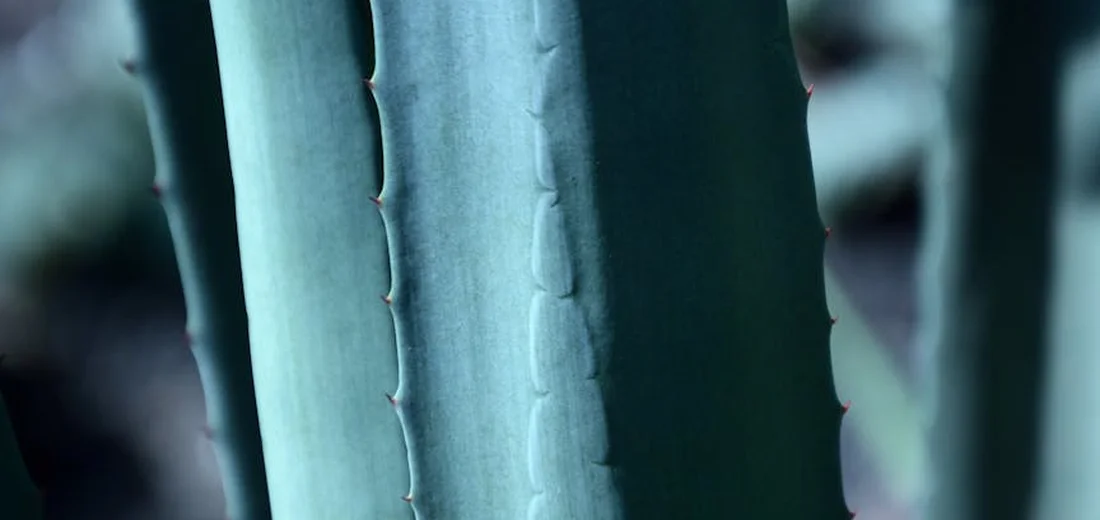
- Agave: These architectural giants make a stunning focal point. I have a ‘Blue Glow’ agave that is the undisputed star of my succulent bed.
- Echeveria: For that perfect, rose-like form, nothing beats an echeveria. They love the sun and come in an incredible array of colors from pale blue to deep purple.
- Aloe: Beyond the common medicinal aloe, there are branching, tree-like aloes and smaller, spotted varieties that add fantastic texture.
- Aeonium: I adore their almost black, spoon-shaped leaves. They can handle a bit more coastal moisture than some other desert dwellers.
Quick Tip: When in doubt, start with Sempervivum and Sedum-they are the workhorses of the cold-climate succulent world and are almost foolproof.
Finding the Perfect Spot: Sun Exposure and Drainage
Getting the location right is 90% of the battle in succulent gardening. The right amount of sun and perfect drainage are the two pillars of healthy, happy outdoor succulents. I learned this the hard way after losing a few beautiful plants to a poorly chosen, soggy corner. These basics translate into outdoor succulent landscaping ideas and design tips you can apply in your yard. Use them to shape sun exposure, drainage, and plant placement in your space.
Understanding Light Needs for Garden Succulents
Most succulents crave sunlight, but the intensity and duration matter. Think of it like a sunbathing schedule.
- Full Sun (6+ hours of direct sun): This is ideal for most sedum, sempervivum, agave, and echeveria. It encourages tight, compact growth and intense coloration. My echeverias blush the most beautiful shades of pink and orange when they get a full day of sun.
- Partial Sun (4-6 hours of direct sun): This is a safe bet for many succulents, especially in climates with very hot afternoon sun. It prevents sunscald, which shows up as pale, bleached patches on the leaves.
- Bright Shade (No direct, hot sun, but lots of ambient light): Some succulents, like certain haworthias and gasterias, actually prefer this. Their leaves can scorch easily in direct sunlight.
Watch your plant’s leaves-they will tell you everything. Stretching or leaning desperately towards the light means it needs more sun, while scorched spots are a clear plea for less intense exposure.
Why Drainage is Non-Negotiable
Succulents store water in their leaves and stems, and their roots absolutely despise sitting in wet soil. Good drainage isn’t just a suggestion; it’s a matter of life and death. To be sure your succulent soil drains properly, test its drainage. If water pools or drains slowly, amend with grit or perlite to improve it.
Planting directly into heavy, clay-based garden soil is the most common mistake I see. The soil acts like a sponge, holding water around the roots and causing rot. You must amend your native soil to make it suitable.
- Dig a hole that’s about twice as wide as the plant’s root ball.
- Create a custom soil mix by combining your native soil with plenty of coarse materials. My favorite recipe is a 50/50 mix of native soil and perlite or pumice.
- Plant your succulent in this amended soil, ensuring the crown of the plant (where the stem meets the roots) is level with the soil surface.
For the absolute best results, especially in areas with poor native soil or high rainfall, I build a raised bed or mound. This elevates the root zone, ensuring water flows away quickly and the soil warms up faster in the spring. It’s the single best thing I’ve done for my garden succulents.
Your Outdoor Succulent Care Routine: Watering and Feeding
Creating a Smart Watering Schedule
I used to kill more succulents with kindness (read: overwatering) than neglect. The single most important rule for outdoor succulents is to water deeply but infrequently, only when the soil is completely dry. Stick your finger a few inches into the soil; if it feels dry, it’s time for a drink. To avoid common succulent watering mistakes, water only when the soil is dry and use well-draining soil. Overwatering and watering on a fixed schedule are common traps to watch out for.
Your watering schedule will change with the seasons, and this is where many gardeners get tripped up.
- Spring and Fall (Active Growth): This is when your plants are thirsty. I check my garden weekly and water if the soil is dry.
- Summer (Heat Dormancy): Extreme heat can put some succulents to sleep. They need less water now. Water early in the morning to prevent scorching and evaporation.
- Winter (Cold Dormancy): In freezing climates, you must keep them completely dry to avoid frost damage. In milder winters, I might only water mine once a month if we get no rain.
Water the soil directly, not the leaves, to prevent sunburn and rot. A quick tip: A long-spouted watering can helps you target the roots without splashing the plant.
A Note on Fertilizer for Growing Succulents
Succulents are not heavy feeders, and too much fertilizer will cause weak, leggy growth. I treat fertilizer like a vitamin, not a meal. I only feed my outdoor succulents during their prime growing season in the spring.
I’ve had the best results with a balanced, water-soluble fertilizer diluted to half strength. A formula like 10-10-10 works perfectly.
- Mix the fertilizer at half the recommended strength on the package.
- Water your plants with this solution in the early spring, just as you see new growth emerging.
- One feeding is often enough for the entire growing season.
Over-fertilizing is a fast track to a sad, stretched-out plant, so when in doubt, skip it. Your succulents get most of what they need from good soil and sunlight. In our essential guide on do succulents need fertilizer, we outline when a gentle feeding is appropriate. We also share quick tips on safe dilution and timing.
Solving Common Outdoor Succulent Problems
Dealing with Pests and Diseases
Even in an open garden, pests can find your succulents. The most common culprits I deal with are mealybugs, aphids, and scale insects, which are common succulent pests that can cause significant damage if not treated promptly.
- Mealybugs: Look for tiny white, cotton-like fluffs in the leaf crevices. I dab them directly with a cotton swab dipped in rubbing alcohol. It dissolves their waxy coating on contact.
- Aphids: These small green or black bugs cluster on new growth. A strong spray of water from the hose often knocks them off. For stubborn cases, I use insecticidal soap.
- Scale: These look like small, brown, bumpy shells stuck to the stems and leaves. You can scrape them off with a fingernail or, again, use a rubbing alcohol swab.
Good air circulation is your best defense against fungal diseases. Avoid crowding your plants and always clean up dead leaves from the soil surface to remove hiding spots for pests and spores.
Recognizing and Preventing Rot
Rot is the number one killer of outdoor succulents, and it’s almost always caused by too much water. The first sign is often a soft, mushy, or translucent leaf, usually at the base of the plant.
If you catch it early, you can save the plant.
- Gently remove the succulent from the soil.
- With a clean, sharp knife, cut away any black, brown, or mushy parts of the stem and roots.
- Let the plant dry out and callous over in a shady spot for a few days.
- Replant it in fresh, dry succulent mix and don’t water for at least a week.
Prevention is always easier than a cure. Ensure your soil is gritty and fast-draining, and your pots have drainage holes. I always add extra perlite or pumice to my garden soil to improve drainage. If you get a lot of rain, consider planting in raised beds or under the eaves of your house for a little extra protection.
Preparing Your Garden Succulents for Winter
I’ve learned that winter preparation is less about a single task and more about a seasonal shift in mindset. The moment nighttime temperatures begin to consistently dip near 40°F (4°C), it’s your signal to start the winter transition. Your main goal is to protect them from cold, wet conditions they absolutely despise.
My Step-by-Step Winter Prep Routine
- Stop all fertilizing by late summer. You don’t want to encourage tender new growth that will be easily damaged by frost.
- Gradually reduce watering frequency as the days shorten. The soil should dry out completely between waterings.
- Move non-hardy succulents in containers to a sheltered spot. I use my covered porch or a spot against the south-facing wall of my house for extra warmth.
- For in-ground plants, check their specific cold hardiness. Tender varieties might need to be dug up and potted to come indoors.
Simple Frost Protection Methods
An unexpected frost can wipe out a beautiful succulent garden overnight. I always keep old bedsheets or frost cloths handy to drape over my most prized specimens when a freeze is forecast. For smaller plants, an upside-down terra cotta pot works perfectly as a mini-greenhouse. Just remember to remove the covers once the sun comes up and temperatures rise.
Water is the real enemy in cold weather. A wet, cold succulent is a dead succulent waiting to happen. Make sure your garden soil has excellent drainage and try to shield your plants from winter rains if you can. I sometimes use a clear plastic sheet propped up on stakes to keep the worst of the rain off my hardy Sempervivum and Sedum patches.
Designing with Outdoor Succulents: Container Gardening and Landscape Ideas
This is where the real fun begins. Designing with succulents lets you create living art that changes and grows over time. I love mixing textures, colors, and forms to build a garden that’s uniquely mine. Designing and creating a stunning succulent garden can turn any space into living art. With thoughtful plant choices and layouts, your garden will grow into a unique masterpiece.
Creating Thrilling Container Displays
Container gardening with succulents gives you complete control. My number one rule for a stunning container is the “Thriller, Filler, Spiller” formula. It never fails to create a balanced, professional-looking arrangement, especially when paired with the right pots and containers.
- Thriller: A tall, architectural centerpiece. I often use a spiky Blue Agave or a sculptural Euphorbia.
- Filler: Mid-height plants that add bulk and color. Echeveria rosettes or colorful Sedum varieties are perfect.
- Spiller: Trailing plants that soften the edges. String of Pearls or Burro’s Tail drape beautifully over the pot’s rim.
Don’t be afraid to pack them in tightly. I plant my containers much more densely than traditional annuals because succulents grow slowly and appreciate the root companionship. They’ll naturally fill the space over the season. Always use a pot with a drainage hole and a gritty, fast-draining cactus mix. I’ve lost more plants to pretty pots with no drainage than I care to admit!
Incorporating Succulents into Your Landscape
Integrating succulents into your garden beds creates a low-maintenance, drought-tolerant landscape that thrives with minimal input. I treat my succulent garden like a textural tapestry, weaving different leaf shapes and colors together.
- Use sprawling groundcover types like Sedum ‘Angelina’ or Ice Plant (Delosperma) to fill large areas and suppress weeds. Their vibrant flowers are a fantastic summer bonus.
- Create focal points with larger statement plants. A sculptural Yucca or a large Agave makes a dramatic centerpiece that requires almost no care.
- Plant cold-hardy Sempervivum (Hens and Chicks) in rock crevices or between stepping stones. They handle foot traffic and fill in gaps beautifully.
- Combine succulents with other drought-tolerant plants like Lavender and ornamental grasses for a truly resilient, water-wise garden.
Think about color beyond just flowers. The foliage of succulents offers an incredible palette of blues, purples, reds, and silvers that remains vibrant all year. I love placing a dark, almost black Echeveria ‘Black Prince’ next to the powdery blue of a Senecio mandraliscae. The contrast is simply stunning. There are also colorful succulent varieties in pink, blue, and purple that can expand this palette even further.
FAQs
How should I care for outdoor succulents when bringing them indoors?
Place them in a bright, south-facing window and reduce watering to prevent rot.
What are the best grow light bulbs for outdoor succulents kept indoors?
Full-spectrum LED grow light bulbs provide the ideal light spectrum for healthy growth.
How many hours of grow light do outdoor succulents need daily indoors?
Aim for 12-14 hours of grow light per day to mimic natural outdoor conditions.
What indoor lighting conditions are ideal for outdoor succulents?
Bright, indirect light or direct sun from a south-facing window works best indoors.
What is the most important aspect of outdoor succulent care for beginners?
Start with hardy varieties and focus on providing excellent drainage in the soil.
How do I water outdoor succulents in different seasons?
Water deeply but infrequently, adjusting based on seasonal temperature and rainfall.
Your Path to Thriving Outdoor Succulents
In my experience growing succulents outdoors, the key to success is mastering a few core habits that keep plants healthy and vibrant. Focus on providing the right balance of light, soil, and water to see your garden flourish. Do succulents need to thrive? They do—when you supply bright light, well-draining soil, and measured watering.
- Choose a sunny, well-drained spot for most varieties.
- Water deeply but infrequently, only when soil is dry.
- Protect from extreme cold or heavy rain as needed.
I invite you to explore more helpful guides on our website for ongoing support. Our seasonal care guide walks you through adjusting succulent care through the year. You’ve got this—with a little patience, your outdoor succulents will bring you joy for seasons to come.
Further Reading & Sources
- How to Grow Succulents Outdoor | Tips for Planting Succulents Outside – Succulents Box
- How to Care for Outdoor Succulents
- r/succulents on Reddit: Caring for outdoor succulent garden
- How do you take care of your outdoor potted succulents?
Lena Greenfield is a passionate horticulturist and plant care expert with over 10 years of experience cultivating and nurturing hardy house plants. With a deep understanding of both indoor and outdoor gardening, Lena shares practical advice on choosing, caring for, and maintaining resilient plants that flourish year-round. Through her knowledge and hands-on approach, Lena helps plant lovers transform their spaces into vibrant, green sanctuaries, no matter their gardening experience.
Light and Temperature