
Do Succulents Like Small Pots? A Guide to Root Crowding
Published on: January 10, 2026 | Last Updated: January 10, 2026
Written By: Lena Greenfield
You’ve probably heard that succulents thrive on neglect and love being a bit snug, but is there such a thing as a pot that’s too small? The short answer is yes, succulents often prefer small pots, but root crowding can quickly turn from cozy to critical if you’re not careful.
I’ve learned this through years of trial and error in my own collection, watching some plants flourish in tight quarters while others became stunted. In this guide, I’ll walk you through selecting the perfect pot, spotting the signs of a root-bound plant, and creating the ideal environment for your succulent to thrive.
Why the Small Pot Myth Persists
I see this belief all the time, and I understand why it’s so common. Many of us buy our first succulents in adorable, tiny pots from the store, and they look perfectly happy for a while. This creates a powerful first impression that small is their natural state.
We also know that overwatering is the number one killer of succulents. A small pot holds less soil, which dries out faster. This leads to the logical, but flawed, conclusion that a small pot is a safety net against overwatering. It’s a shortcut that seems to work, until it doesn’t.
I made this mistake myself with a beautiful echeveria. It stayed vibrant in its tiny ceramic home for nearly a year, reinforcing my belief. The real problem was brewing underground, out of sight. The truth is, a small pot doesn’t prevent overwatering; proper watering habits and well-draining soil do.
The Real Impact of Root Crowding on Your Succulents
When roots get too crowded, the entire plant suffers in ways you might not immediately connect to the pot size. Root crowding chokes off your plant’s ability to absorb the water and nutrients it needs to thrive. It’s like trying to drink a thick milkshake through a dozen tiny, tangled straws.
The plant becomes stressed and redirects all its energy into survival instead of growth. You might notice your succulent has stopped getting bigger or producing new leaves, even during its active growing season. A cramped root system also holds onto moisture for too long, creating a perfect environment for root rot to sneak in. When you’re propagating, these same issues can prevent cuttings from taking root or starting to grow. That often explains why succulents aren’t propagating as expected.
Signs Your Succulent is Too Cramped
Your succulent will tell you when it’s feeling claustrophobic. You just need to know what to look for. Here are the clearest signals I’ve learned to watch for over the years. Sometimes it’s dormant, not dead. Learn how to tell the difference so you know what to do.
- Roots visibly escaping from the drainage holes or creeping over the top of the soil.
- The plant looks top-heavy and tips over easily because the root ball can no longer anchor it.
- You water it, but the leaves stay wrinkled and don’t plump up, a sure sign the roots can’t drink.
- The soil dries out incredibly fast, sometimes in just a day or two, because it’s more roots than dirt.
- When you gently lift the plant, the entire root mass and soil come out in one solid, pot-shaped chunk.
- A complete halt in growth is a major red flag that the roots have nowhere left to go.
Quick Tip: If you see roots peeking out of the drainage hole, it’s definitely time for a new pot. Don’t wait for the plant to show distress above the soil.
Finding the Perfect Pot: A Size Guide
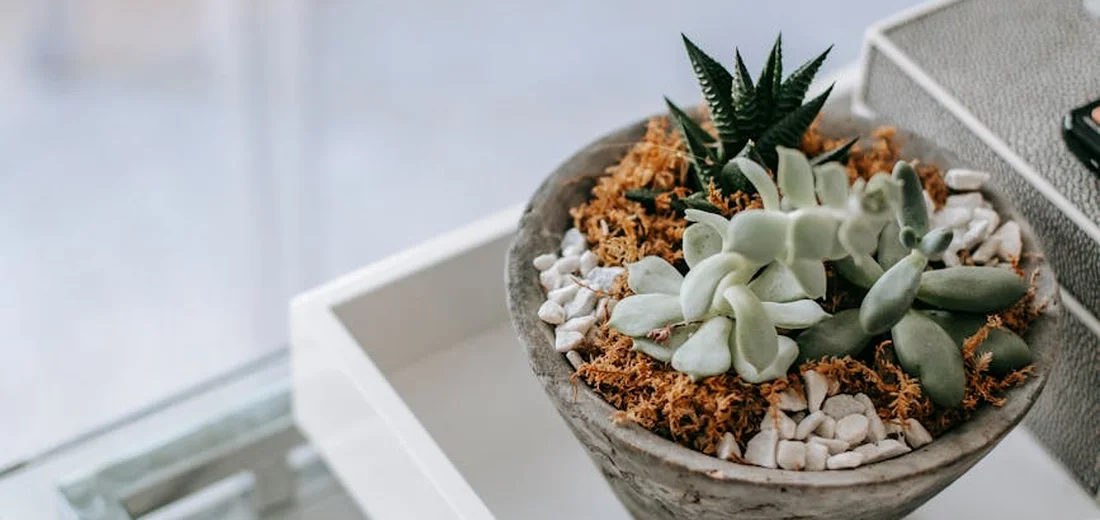
Choosing a pot is like picking out a new pair of shoes for your plant-it needs a little room to grow but shouldn’t be so big it trips over itself. I always look for a new pot that is only about 1-2 inches wider in diameter than the plant’s current home. This gives the roots space to explore without swimming in soggy soil.
Pot Recommendations for Popular Succulents
Based on my years of collecting, here’s what I’ve found works best for some common succulents. These are starting points, as growth rates can vary with light and care. Adjust strategies accordingly for the specific needs of your plant.
- Echeveria: These rosette beauties have shallow root systems. A pot that is just an inch wider than the rosette itself is perfect. I keep mine in 3-4 inch pots for years.
- Haworthia and Aloe: They tend to produce lots of offsets, or “pups.” I use a pot that’s 2 inches wider to give the new babies some space to pop up without needing immediate repotting.
- Jade Plant (Crassula ovata): As they mature into mini-trees, they need more stability. Choose a heavy, shallow terracotta pot that’s 2-3 inches wider to support their weight and prevent tipping.
- String of Pearls (Senecio rowleyanus): Their roots are surprisingly shallow! A wide, shallow bowl-style pot is ideal, as it allows the trailing strands to cascade beautifully over the edges.
The Right Way to Repot a Root-Bound Succulent
When you see roots peeking out of the drainage hole or the plant is lifting itself out of the pot, it’s time for a new home. Don’t worry, it’s a simple process that gives your plant a new lease on life.
- Water Lightly: A day before repotting, give the plant a small drink. This makes the roots more flexible and easier to work with, reducing breakage.
- Gently Remove: Turn the pot on its side and carefully squeeze the sides. Tug gently on the base of the plant; it should slide out. If it’s stuck, I run a butter knife around the inside edge to loosen it.
- Inspect and Loosen: Look at the root ball. If the roots are wound tightly in a circle, gently massage them to loosen them up. This encourages them to grow outward into their new soil.
- Place in New Pot: Add a layer of fresh, well-draining succulent mix to the bottom of the new pot. Place your plant in the center and fill in around the sides with more soil.
- Wait to Water: This is the most critical step! Do not water your succulent immediately after repotting. The roots need time to heal from any minor damage.
Caring for Your Succulent After Repotting
The first few weeks after repotting are crucial. Your plant is settling in and needs a gentle touch.
Hold off on watering for at least 5-7 days to allow any disturbed roots to callous over and prevent rot. I know it’s tempting to give it a drink, but patience is key here.
Place your repotted friend in a spot with bright, indirect light for the first week. Avoid direct, harsh sun which can add stress while it’s recovering. After about a week, you can gradually move it back to its favorite sunny spot.
You might notice the lower leaves wrinkling or shriveling a bit during this time. This is normal! The plant is using its stored water to focus on root growth. Once you resume watering, it will plump back up.
Choosing the Best Container and Soil
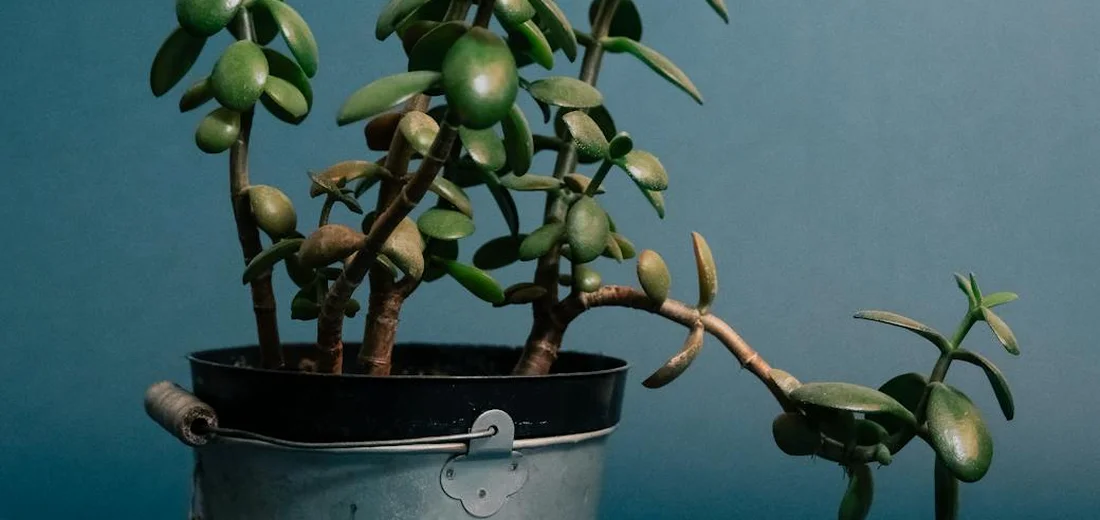
When you’re committed to a small pot, your choices for the container and soil become even more critical. I learned this the hard way after losing a beautiful echeveria to root rot in a cute, glazed pot with no drainage hole. Your pot’s material and the soil you use are your plant’s first line of defense against overwatering.
Pot Material Matters
Not all small pots are created equal. The material affects how quickly the soil dries out, which is the name of the game with succulents.
- Terracotta and Unglazed Ceramic: These are my top choice for small pots. They are porous, allowing water to evaporate through the sides, which helps the soil dry faster and prevents the roots from sitting in moisture.
- Plastic and Glazed Ceramic: These pots retain moisture much longer. If you use one, you must be extra careful with watering and use a very gritty soil mix to compensate.
- Glass and Metal: I generally avoid these for succulents. They don’t breathe at all and often lack drainage, creating a swampy environment that roots despise.
The Perfect Soil Mix for Tight Spaces
Regular potting soil is a death sentence for a succulent in a small pot-it holds onto water for far too long. I always make my own mix using two parts potting soil to one part perlite and one part coarse sand. This creates a loose, airy, and fast-draining environment that mimics their natural, gritty habitat. That’s why I rely on perlite succulent soil mixes for optimal drainage. They stay loose, aerated, and far less prone to root rot.
You can feel the difference; a good succulent mix should feel gritty and fall apart easily, not clump together. If you’re buying a pre-made mix, look for bags specifically labeled for cacti and succulents. If you’re wondering where to buy quality succulent soil potting mix, check garden centers, plant nurseries, or reputable online retailers. Look for bags labeled for cacti and succulents with a gritty, well-draining composition.
Special Considerations for Small Pot Gardening
Gardening in a small pot is a different beast than caring for a plant in a spacious container. It requires a more watchful eye and a slight shift in your routine.
Watering is a Delicate Dance
Because there’s less soil to hold moisture, small pots can dry out incredibly fast, especially in warm, sunny spots or with terracotta pots. The key is to water thoroughly but less frequently, always checking that the soil is completely dry first. I stick my finger an inch into the soil; if I feel any dampness, I wait another day.
When you do water, do it slowly until water runs freely out of the drainage hole. This ensures the entire root ball gets a drink. Then, empty the saucer underneath immediately-no exceptions!
Fertilizing Needs a Gentle Touch
With limited soil, nutrients get used up quickly, but you also have to be careful not to over-fertilize and burn the roots. I use a diluted, balanced fertilizer only during the active growing season (spring and summer), and I cut the recommended strength in half. For my small pot succulents, I fertilize about once a month, and I skip it entirely during the fall and winter when they’re dormant. Fertilizing correctly ensures healthy growth without the risk of damage.
Watch for These Tell-Tale Signs
Your plant will tell you when the small pot life is no longer working. Keep an eye out for these signals:
- Roots Circling: If you gently tip the plant out and see a tight web of roots hugging the shape of the pot, it’s getting too snug.
- Slowed Growth: The plant seems to have stopped putting out new leaves altogether.
- Rapid Dryness: The soil becomes bone dry just a day or two after watering.
- Top-Heaviness: The plant becomes so large that it easily tips the small pot over.
Seeing any of these signs is your cue that it’s time to graduate your succulent to a slightly larger home, typically a pot that’s just one to two inches wider in diameter — especially when considering how much small and mini succulents tend to grow.
FAQs
How often should I check if my succulent needs repotting?
Check your succulent’s roots every 6 to 12 months during the growing season to assess if it has become root-bound, which is an important factor for repotting succulents.
What is the best time of year to repot a succulent?
Spring or early summer is the ideal time to repot succulents, as they are in their active growth phase.
Can I use regular potting soil for succulents in small pots?
No, regular potting soil holds too much moisture; always opt for a fast-draining succulent or cactus mix.
How do I water succulents in small pots during winter?
Reduce watering frequency in winter, ensuring the soil dries out completely between sessions to avoid root rot.
What type of fertilizer should I use for succulents in small pots?
Apply a balanced, water-soluble fertilizer at half strength only during the spring and summer growing months.
Are there any succulents that prefer smaller pots than others?
Yes, slow-growing varieties like Lithops or some Haworthia species can thrive in smaller pots for longer periods.
Your Succulent Potting Success
Based on my years of nurturing succulents, I always recommend using pots that fit the root system snugly to prevent overwatering while allowing a little room for growth. Choosing the right pots and containers is crucial for their health.
- Select a pot just 1-2 inches wider than the root ball for ideal moisture control.
- Use a fast-draining soil mix to keep roots healthy and avoid rot.
- Repot when roots visibly crowd the container, typically every 1-2 years.
For ongoing guidance tailored to your plant journey, follow along at Hardy House Plants – you’ve got this, and your succulents will reward your care with vibrant, easy-going beauty. Plus, our essential care guides for specific varieties help tailor care to each plant.
Further Reading & Sources
- Do Succulents Like to be Crowded? | Harddy Succulent Care Tips & Tricks blog
- How to Plant Succulents for Fastest Growth | The Succulent Eclectic
- Aerial Roots: Silent Messenger of Succulent | THE NEXT GARDENER – Thenextgardener
- How to Stimulate Root Growth in Succulents: Succulent Care Tips – Succulents Box
Lena Greenfield is a passionate horticulturist and plant care expert with over 10 years of experience cultivating and nurturing hardy house plants. With a deep understanding of both indoor and outdoor gardening, Lena shares practical advice on choosing, caring for, and maintaining resilient plants that flourish year-round. Through her knowledge and hands-on approach, Lena helps plant lovers transform their spaces into vibrant, green sanctuaries, no matter their gardening experience.
Repotting Guidelines