
Is Your Succulent Dying or Just Dormant? Here’s How to Tell
Published on: February 22, 2026 | Last Updated: February 22, 2026
Written By: Lena Greenfield
Noticing your succulent looking a bit off and worried it might be dying? Many plant parents confuse natural dormancy with serious health issues, but I’ve learned through years of growing succulents that the signs are distinct once you know what to look for.
In this article, I’ll draw from my hands-on experience to guide you through key visual signs of a dying succulent, how to spot dormancy, and simple steps to revive or care for your plant based on your findings.
Understanding Succulent Health States
Dormancy is a succulent’s natural rest period, like a bear hibernating for the winter. Your plant isn’t growing much because it’s conserving energy for its next big growth spurt. Dying, on the other hand, is a serious health decline from which the plant cannot recover on its own.
I’ve killed more than one plant by misreading its sleepy dormancy as a cry for help. Mistaking dormancy for dying often leads to overcare, where you love your plant to death with too much water and fertilizer. This smothers the roots and creates the very problems you were trying to avoid.
| Dormancy Traits | Dying Traits |
|---|---|
| Slowed or paused growth | Mushy, blackened stems |
| Some lower leaf drying is normal | Widespread, rapid leaf loss |
| Plant still feels firm | Plant feels soft and collapses |
| Color may fade slightly | Presence of black spots or mold |
Signs Your Succulent is Dying
Visual Symptoms of Decline
- Mushy, translucent stems that feel like overcooked pasta are a sure sign of rot. Widespread leaf yellowing that starts at the bottom and moves up, along with black or brown spots that spread quickly, signal a systemic issue.
- When you gently unpot the plant, healthy roots are firm and white or tan. Root rot feels slimy and falls apart in your fingers, and it often has a distinct, foul smell like a swamp. I learned to trust my nose after losing an echeveria to this exact problem.
- A sudden appearance of pests like mealybugs (they look like tiny cotton balls) or a fuzzy white or gray mold on the soil surface are secondary indicators that your plant is stressed and vulnerable.
Environmental Red Flags
- Overwatering is the number one killer. If the soil is still soggy a week after watering, or if your pot has no drainage hole, you’re creating a swamp your succulent’s roots can’t survive.
- Incorrect sun exposure shows up as bleached, white patches (too much direct sun) or a stretched-out, leggy plant leaning desperately for more light (not enough sun).
- Temperature stress from extremes, like a cold draft on a windowsill or being too close to a hot radiator, can cause sudden leaf drop and discoloration that mimics disease.
Signs Your Succulent is Dormant
Typical Dormancy Clues
-
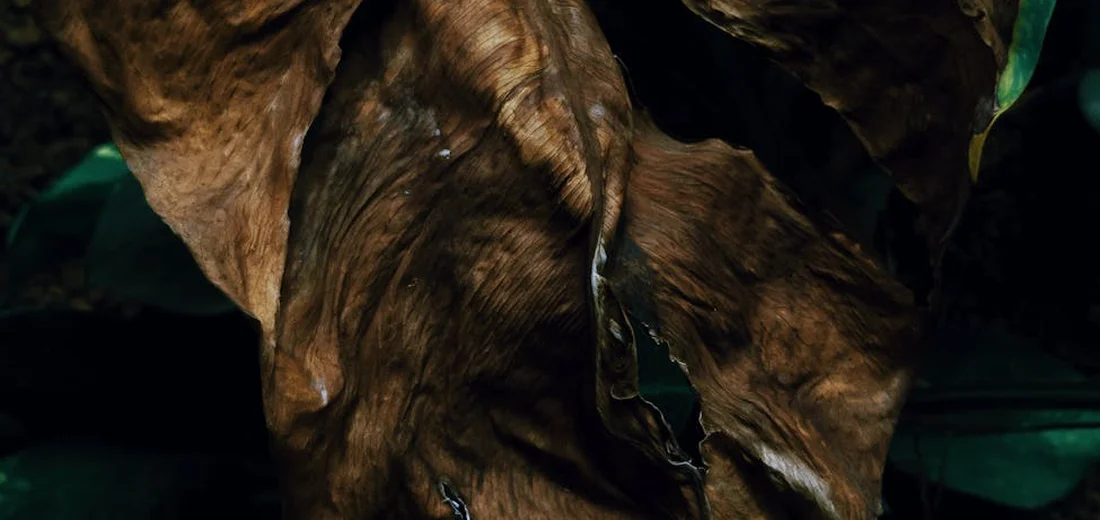
You’ll notice a significant slowdown in growth, and the leaves may feel firm to the touch but look a little wrinkled or deflated. Think of this as your plant taking a long, deep nap, not a final farewell.
-
Many popular succulents, like Echeverias and Aeoniums, naturally go dormant in the winter when daylight hours shorten. This seasonal pattern is a healthy survival mechanism, not a sign of failure on your part. Unlike hardy outdoor plants, succulents have specific needs to survive cold weather—learn more about cold hardiness and winter care for succulents.
-
The most reassuring sign is that the plant’s stem and the base of its leaves remain hard and solid. A firm base is your green light that your succulent is simply resting.
How Environment Affects Dormancy
-
Reduced light levels and cooler temperatures are the primary signals that tell your succulent it’s time to hunker down. I see this every year in my own collection when they move away from a sunny summer windowsill. This leggy growth happens when a succulent elongates to reach light — a sign it needs brighter conditions. To fix leggy succulents, place them in a brighter spot (or use a grow light) and prune back affected stems to encourage a fuller shape.
-
The soil will stay dry for much longer, and that’s perfectly fine. During dormancy, a thirsty succulent is a safe succulent, as it’s far less susceptible to root rot.
-
Don’t expect to see any new baby leaves or growth spurts during this time. The plant is conserving all its energy for a spectacular comeback when conditions improve.
Key Differences: Dying vs. Dormant
-
Leaf texture is a dead giveaway. A dying succulent has mushy, translucent leaves that often fall off at a touch, while a dormant one has firm, albeit slightly wrinkled, leaves that stay put. Mushiness means too much water; firm wrinkles mean not enough.
-
Check the soil’s story. Persistently wet or damp soil that never seems to dry out points to overwatering and a dying plant. In contrast, a dormant succulent sitting in dry soil will still feel sturdy and heavy in its pot. Wet soil + a sad plant is a major red flag.
-
The roots tell the final tale. Gently unpot the plant if you’re unsure. Rotten roots are black, slimy, and smell foul. Dormant roots are dry, brittle-looking, and tan or white, but they are still intact and ready to wake up. Your nose knows-a rotten smell is a sure sign of trouble.
Common Causes of Succulent Decline
Watering Missteps
-
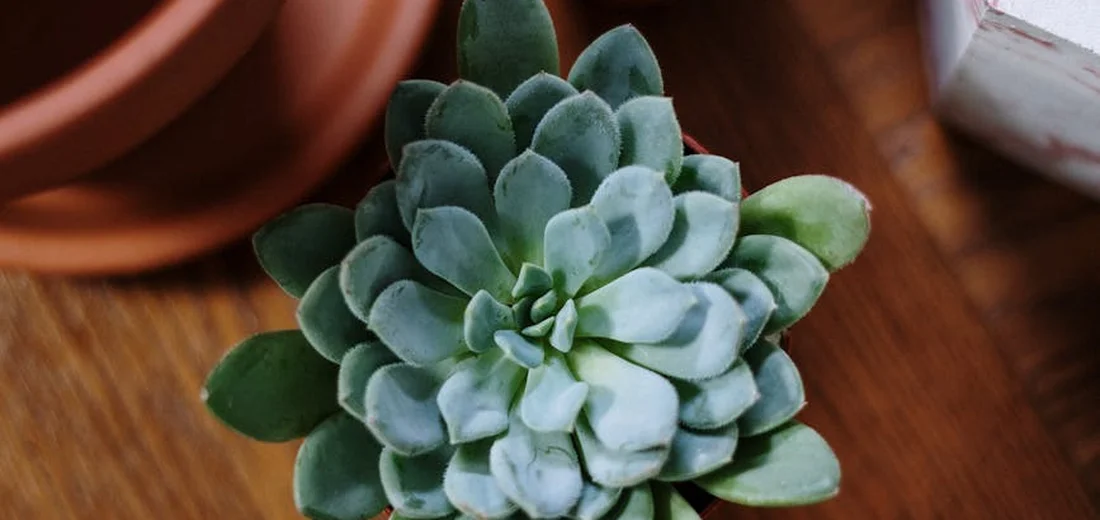
I’ve seen overwatering turn healthy succulents soggy and sad. Overwatering leads to root rot, where roots become mushy and dark, and leaves drop off unexpectedly. If you notice a foul smell or soft leaves, it’s a red flag from my experience.
-
Underwatering can leave your plant desperately thirsty. Extreme shriveling that doesn’t improve after watering means the roots might have dried out permanently. I’ve rescued plants by catching this early and giving them a good soak.
-
Use a simple finger test to avoid guesswork. Stick your finger about an inch into the soil; if it feels dry, it’s time to water, but if it’s damp, hold off. This method has saved many of my succulents from watering woes. Watch for signs your succulents are thirsty, such as wrinkled leaves. Those signals help you tell when to water and avoid overwatering.
Light and Temperature Issues
-
Too much direct sun burns leaves, leaving brown or white spots, while too little light causes stretching, or etiolation. In my sunny apartment, I moved a jade plant away from the window to prevent leaf scorch, and it perked up within weeks. Observe your plant’s response to find the sweet spot.
-
Temperature swings, like sudden drafts or heat waves, stress succulents beyond normal dormancy. I once lost a haworthia to cold drafts near a door; it wilted and never recovered fully. Keep plants away from vents and windows that get too chilly or hot.
-
Adjust placement seasonally for consistent care. During winter, I shift succulents to brighter spots to compensate for shorter days, and in summer, I provide partial shade to avoid overheating. This simple tweak keeps them thriving year-round. Learn more about adjusting care through the seasons in our seasonal care guide.
How to Save a Dying Succulent
-
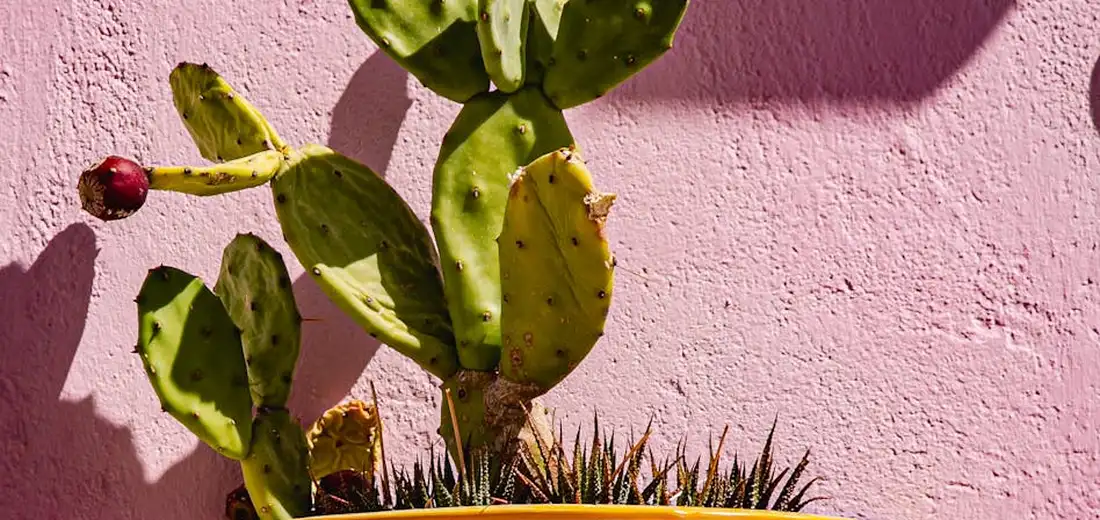
Assess the plant and remove any damaged parts, like rotten roots or mushy leaves. I use clean scissors to trim away affected areas, which stops decay from spreading and encourages new growth. This step is crucial for giving your succulent a fresh start.
-
Repot it in fresh, well-draining soil and a clean pot with drainage holes. I mix cactus soil with perlite for better aeration, which has revived many of my struggling plants. A new home helps the roots recover without old, compacted soil holding moisture.
-
Adjust your watering schedule by waiting until the soil is completely dry before watering again. I water deeply but infrequently, allowing the plant to absorb moisture without sitting in wetness. This prevents repeat overwatering and supports root health.
-
Provide ideal light conditions and avoid fertilizer until the plant shows signs of recovery. Place it in bright, indirect light, and hold off on feeding; I’ve found that fertilizing too soon can stress a weakened succulent. Patience here pays off with steady regrowth.
Caring for a Dormant Succulent
When your succulent enters dormancy, it’s taking a natural break, not giving up on life. I’ve nurtured dozens of succulents through their sleepy seasons, and the trick is to treat them like they’re on vacation-less fuss, more observation. These dormancy periods are a natural part of their seasonal growth cycles. Understanding when they rest and when they wake helps you tailor care to their true rhythm. Follow these steps to keep them happy until they’re ready to grow again.
- Step 1: Reduce watering frequency significantly-only when deeply dry. I test soil moisture by poking my finger an inch down; if it feels bone-dry, I give a thorough soak, but otherwise, I hold back to prevent root rot. During dormancy, this might mean watering just once a month instead of weekly.
- Step 2: Maintain consistent, indirect light and cool temperatures. I place my dormant succulents in a spot with bright, filtered light, like near an east-facing window, and keep rooms around 60-70°F to mimic their ideal rest environment. Avoid sudden temperature swings or direct sun, which can stress them.
- Step 3: Avoid repotting or fertilizing during dormancy. From my experience, disturbing the roots or adding nutrients now can shock the plant, so I save any potting or feeding for when growth resumes in spring. Let them rest undisturbed-they’ll thank you later.
- Step 4: Monitor for signs of new growth as dormancy ends. I keep an eye out for plump, green leaves or tiny offsets emerging, which signal it’s time to gradually increase water and light. This usually happens as days lengthen, and it’s a rewarding sight after a quiet period.
Dormancy doesn’t last forever, and with gentle care, your succulent will perk up. Patience here pays off with healthier, more resilient plants down the line. In winter, many succulents slow growth and conserve water; in summer, heat and drought often trigger dormancy. Understanding these winter vs summer dormancy differences helps you tailor care and keep plants thriving year-round.
Preventative Tips for Healthy Succulents
Keeping succulents thriving is all about setting them up for success from the start. Over the years, I’ve found that simple, consistent habits prevent most problems before they even begin. Here are my go-to tips to avoid stress and keep your plants vibrant.
- Recommend using pots with drainage holes and gritty soil mixes. I always opt for unglazed clay pots with holes and a blend of cactus soil with perlite or sand-this ensures excess water escapes quickly, reducing the risk of overwatering issues. Good drainage is non-negotiable for succulent health.
- Advise on seasonal watering adjustments and light monitoring. In warmer months, I water more frequently, but in winter, I scale back and use a moisture meter to avoid guesswork. I also rotate pots every few weeks so all sides get even light, preventing lopsided growth.
- Encourage regular checks for pests and early signs of stress. I make it a habit to inspect leaves during weekly watering, looking for sticky residue or color changes that might mean bugs or thirst. Catching things early means simpler fixes, like wiping leaves with soapy water for aphids.
These practices have kept my succulent collection lush and problem-free. Staying proactive with care saves time and heartache, letting you enjoy your green friends worry-free.
## FAQs
How can I quickly check if my succulent is dormant or dying?
Gently squeeze a leaf; if it feels firm but slightly wrinkled, it’s likely dormant, but if it’s mushy or translucent, it’s probably dying.
When should I be concerned about leaves falling off my succulent?
You should be concerned if leaves are dropping rapidly from all over the plant and feel soft or rotten when they fall.
Can a succulent recover from being badly stretched (etiolated)?
While the stretched part won’t shrink back, you can behead the plant to propagate a new, compact rosette and give it more light.
What is the best time of year to repot a succulent?
The best time to repot is at the beginning of its active growing season, typically in the spring for most succulents.
How do I know if my succulent needs water during its dormant period?
Water only when the soil is completely dry and the leaves show more pronounced wrinkling than usual, but do so very sparingly.
Why are the tips of my succulent’s leaves turning brown or crispy?
This is often a sign of underwatering, low humidity, or a sudden exposure to very direct, hot sunlight.
Your Succulent Success Guide
In my years of nurturing succulents, I’ve found that paying close attention to leaf texture and soil moisture is the simplest way to tell if your plant is dormant or in danger. Here’s a quick refresher from what we covered: Recognize seasonal stress signs in succulents, and respond quickly with targeted care. As seasons shift, small changes in light and water can make a big difference.
- Dormant succulents have firm, slightly wrinkled leaves and dry soil-they’re just resting.
- A dying plant often shows mushy, discolored leaves or roots that signal overwatering or rot.
- Trust your instincts and adjust watering based on the season and your home’s environment.
Every plant parent learns by doing, and your care will only improve with time. For more hands-on tips and friendly advice, explore other articles on Hardy House Plants – you’re already on the right path to keeping your succulents thriving! If you’re just starting with succulents, our easy-care beginners complete guide offers simple, practical tips to get you comfortable quickly. It’s designed for beginners and easy to follow.
Further Reading & Sources
- Help! My succulent is dying! | Succulents and Sunshine
- r/succulents on Reddit: Help, please! My succulents are dying and I can’t figure out why…(new plant owner)
- Succulent Dormancy: 5 Easy Ways To Tell If Your Succulent Is Going Dormant
- Why Do My Succulents Keep Dying? 6 Reasons – All Preventable | Harddy Frequently Asked Succulent & Cactus Questions blog
Lena Greenfield is a passionate horticulturist and plant care expert with over 10 years of experience cultivating and nurturing hardy house plants. With a deep understanding of both indoor and outdoor gardening, Lena shares practical advice on choosing, caring for, and maintaining resilient plants that flourish year-round. Through her knowledge and hands-on approach, Lena helps plant lovers transform their spaces into vibrant, green sanctuaries, no matter their gardening experience.
Stress Symptoms