
The Different Types of ZZ Plants: A Guide to Varieties Like Raven and Zenzi
Published on: January 28, 2026 | Last Updated: January 28, 2026
Written By: Lena Greenfield
Are you curious about the different ZZ plant varieties available, especially eye-catching ones like the deep-hued Raven or the petite Zenzi? You might be wondering how to pick the right one for your space and keep it thriving with ease.
In this guide, I’ll share my hands-on experience with these resilient plants to help you explore common varieties, key care tips, and how to choose the best fit for your home.
Getting to Know the ZZ Plant
Zamioculcas zamiifolia, or the ZZ plant, is one of my favorite low-maintenance houseplants because it forgives forgetful watering and dim corners. I’ve kept ZZ plants in my own home for over five years, and they’ve consistently bounced back from periods of neglect with their glossy, emerald-like leaves intact. These plants are champions of drought tolerance, storing water in their thick rhizomes, and they adapt beautifully to low-light areas where other plants might struggle.
- Purifies indoor air by removing toxins like xylene and toluene.
- Offers evergreen foliage that stays lush year-round.
- Thrives with minimal care, perfect for busy plant parents.
Exploring Popular ZZ Plant Varieties
Beyond the well-known Raven and Zenzi, I’ve enjoyed growing cultivars like ‘Zamicro’, a petite version, and the ‘Classic’ ZZ with its timeless appeal. Each variety brings a unique twist to your space, and I often mix them in my plant collection for visual diversity. For those weighing ZZ options against a snake plant, the zz plant vs snake plant detailed comparison guide can offer deeper insights. I’ll cover care nuances in the quick table below. To help you pick the right one, here’s a quick comparison table based on my hands-on experience.
| Variety | Leaf Color | Size | Growth Habit |
|---|---|---|---|
| Raven | Black-purple | Medium | Upright, spreading |
| Zenzi | Dark green | Dwarf | Compact, bushy |
| Zamicro | Bright green | Small | Slow, dense |
| Classic | Glossy green | Large | Vigorous, arching |
To identify each variety, look for leaf texture and plant shape—Raven’s foliage darkens with age, while Zenzi’s leaves are tightly clustered. In my experience, running your fingers over the leaves can help you feel the differences; Zenzi has a denser, almost ruffled texture compared to the smoother Classic. In a quick visual identification guide, healthy ZZ plants show glossy, upright leaves and a sturdy habit. These cues—leaf shine, texture, and growth form—let you spot a healthy plant at a glance.
Raven ZZ: The Dark and Dramatic Choice
Raven ZZ stole my heart with its moody, black-purple leaves that start out lime green and deepen over weeks. I love how it adds a touch of gothic elegance to any room, and it’s a conversation starter among my plant-loving friends. For care, place it in bright, indirect light to encourage that rich color, and water only when the soil is bone-dry to avoid root rot-I use a moisture meter to be sure. A balanced liquid fertilizer every couple of months during spring and summer keeps the foliage vibrant. Style it in a contrasting white or metallic pot to make those dark leaves pop in modern or minimalist decor.
Raven ZZ Care Essentials
- Step 1: Place in indirect light for best color development-east-facing windows work wonders in my home.
- Step 2: Water sparingly-allow soil to dry completely between waterings; I wait until the pot feels light.
- Step 3: Use balanced fertilizer during growing season for vibrant foliage; I dilute it to half strength to prevent burn.
Zenzi ZZ: Compact and Charming
Zenzi ZZ is my go-to for small spaces, with its dwarf size and leaves that grow in tight, charming clusters. I’ve kept one on my desk for years, and its slow growth means less fussing with pruning. Use a well-draining potting mix-I blend cactus soil with perlite for extra aeration-and it tolerates average home humidity just fine. Prune any yellowing leaves to maintain its neat shape, and propagate easily from leaf cuttings; I’ve shared baby Zenzi plants with neighbors this way. It’s perfect for shelves, offices, or any cozy nook that needs a green boost.
Zenzi ZZ Care Steps
- Step 1: Ensure well-draining soil to avoid overwatering issues; I add coarse sand to my mix for better drainage.
- Step 2: Trim yellowing leaves to maintain compact form; I use clean scissors to prevent disease spread.
- Step 3: Propagate via leaf cuttings for new plants; I place them in water until roots form, then pot them up.
Caring for Your ZZ Plants: Universal Tips
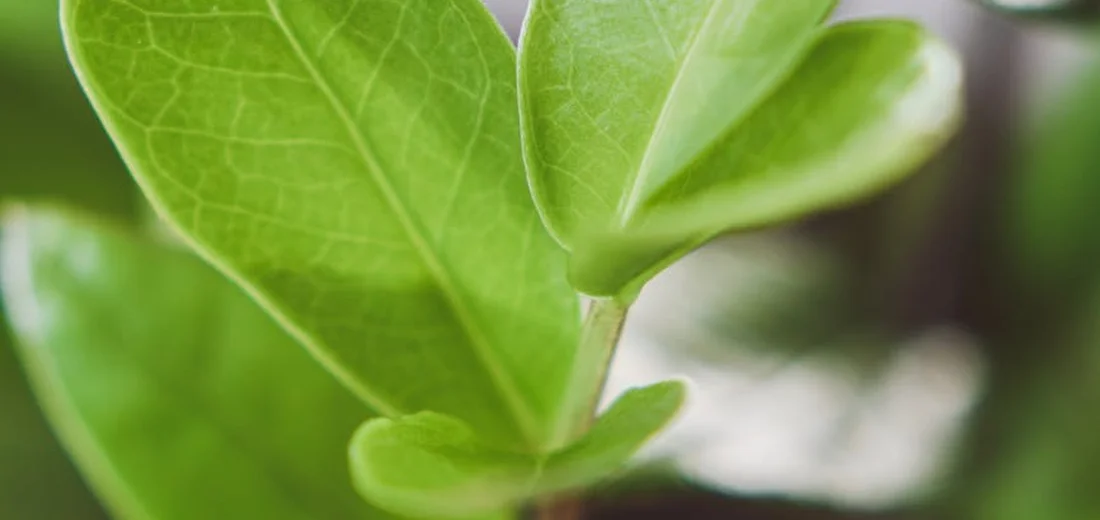
All ZZ plants, from the common variety to the rare super white, thrive on a simple philosophy: a little neglect goes a long way. These plants are survivors, storing water in their potato-like rhizomes, so they forgive our forgetfulness better than most houseplants. I’ve found they do best in bright, indirect light but will tolerate that dark corner far from a window, just growing much more slowly. To dive into all the details, the ZZ plant complete introduction benefits guide offers a full care overview. It covers light needs, watering, and common issues to help you get the most from this sturdy houseplant.
Water is the biggest make-or-break factor. I treat mine like a succulent, letting the soil dry out completely between waterings. My apartment stays at a comfortable room temperature year-round, which they love, and I use a standard, well-draining potting mix with a handful of perlite mixed in for extra drainage.
Common Mistakes to Sidestep
- Overwatering is public enemy number one. Soggy soil quickly leads to yellow leaves and mushy, rotten rhizomes.
- Placing them in harsh, direct afternoon sun can scorch the beautiful leaves, leaving crispy brown marks.
- Using a pot that’s too large or soil that holds too much moisture creates a swampy environment their roots hate.
- Over-fertilizing can burn the roots. They are not heavy feeders and do fine with a light diet.
I adjust my care with the seasons. During the dim winter months, my ZZs enter a near-dormant state, so I might only water them once a month or even less. In the bright, active growing season of spring and summer, I water more frequently and offer a diluted, balanced houseplant food. It’s essential to understand their specific needs for watering, light, and soil to keep them thriving year-round.
Watering and Fertilizing Guidelines
The best way to check for water is the good old finger test. Stick your finger about two inches into the soil; if it feels dry, it’s time for a drink. If you feel any moisture at all, walk away from the watering can! For fertilizing, a little goes a very long way. I feed my plants only in the spring and summer, using a half-strength liquid fertilizer every other month.
| Season | Watering Frequency Guideline |
|---|---|
| Spring & Summer (Growth Season) | Every 2-3 weeks, after soil is completely dry |
| Fall & Winter (Dormant Season) | Every 4-6 weeks, or even longer |
Propagating ZZ Plants Successfully
- Select healthy leaves or stems for propagation. I look for a firm, plump stem or a few healthy, mature leaves. Using a clean, sharp knife or scissors, I make a clean cut. For stem cuttings, a section with at least two leaves is perfect.
- Root in water or soil with patience. You can place stem cuttings in a glass of water, ensuring no leaves are submerged. Change the water weekly. For leaf cuttings, I prefer to lay them on top of moist soil or stick the cut end slightly in. Patience is your greatest tool here, as it can take several months to see new rhizomes and growth. My green ZZ varieties rooted faster than my Raven, which took almost a full year!
- Transplant new shoots and care for young plants. Once the water-propagated cuttings have a good network of roots about an inch long, I pot them up in a small container with well-draining soil. For leaf propagations, I wait until a new shoot and a small rhizome have formed. Treat these baby plants like the adults, but be extra cautious with water while their root system is still developing.
Troubleshooting Common ZZ Plant Issues

Even the tough ZZ plant can have an off day. I’ve found that most problems stem from just a few key areas, and they’re almost always fixable.
Yellow Leaves
This is the classic cry for help. Yellow leaves almost always point to overwatering, which is the number one killer of ZZ plants. Their rhizomes store water, so they can go weeks without a drink. When ZZ plants are kept indoors, it’s easy to water them too often. If the soil feels damp and leaves are yellow, hold off on watering. Let the soil dry out completely. In severe cases, you might need to unpot the plant and check the roots for rot.
Pests
ZZ plants are pest-resistant, but mealybugs can sometimes appear as little white, cottony spots. My go-to solution is a simple mix of water and a few drops of mild dish soap in a spray bottle. Spray the pests directly and wipe the leaves clean. This household remedy is gentle on the plant but tough on bugs. Isolate the affected plant to keep the pests from spreading.
Slow Growth
ZZ plants are naturally slow growers, but if growth seems to have stopped completely, check the light. While they tolerate low light, they truly thrive and put out new shoots in bright, indirect light. A lack of growth can also signal it’s root-bound. If it’s been years since a repot, gently check if roots are circling the pot. These conditions are discussed in detail here.
Quick Tip: A cotton swab dipped in rubbing alcohol is a precise weapon against a small cluster of mealybugs.
Finding and Choosing ZZ Plant Varieties
Hunting for the perfect ZZ plant is part of the fun. Your local nursery is a fantastic starting point, as you can inspect the plant’s health up close. I’ve had great luck finding common green ZZ and the striking ‘Raven’ at garden centers.
Where to Shop
Online retailers offer a wider variety, including rarer types. Etsy and specialized plant shops are my top picks for finding unique cultivars like the compact ‘Zenzi’. Just be sure to read seller reviews and check their shipping policies for live plants, especially during extreme weather.
Selecting a Healthy Plant
Look for firm, plump stems and deep-colored leaves without brown spots or yellowing. Gently give the plant a little shake; a healthy ZZ should feel sturdy and well-rooted in its pot. Avoid plants with mushy stems or a sour smell from the soil, as this can indicate root rot. If you notice yellowing or brown edges on ZZ plant leaves, it can point to common issues like overwatering, under-watering, or inadequate light. Identifying these causes helps you apply the right solution.
Cost and Rarity
Expect to pay more for unusual varieties. A common green ZZ can be very affordable, while a mature ‘Raven’ or a dwarf ‘Zenzi’ will command a higher price due to their popularity and slower propagation. Keep an eye out for the ‘Feezi’ variety, which has wider, glossier leaves that almost look artificial. It’s less common but a stunning addition if you can find one.
My best advice is to buy the healthiest plant you can find, not just the rarest one. A robust common ZZ will bring you more joy than a struggling, expensive specimen.
Common Questions

How many varieties of ZZ plant are there?
There are several cultivated varieties beyond the classic green, including Raven, Zenzi, Zamicro, and a few rarer cultivars like the variegated ‘Lucky White’.
Is there more than one species of ZZ plant?
Zamioculcas zamiifolia is the primary species, with all popular varieties being cultivated forms of this single species.
Where can I find pictures of different ZZ plant varieties?
You can find clear photographic comparisons of varieties like Raven and Zenzi on reputable plant databases and specialty nursery websites online.
Which ZZ plant varieties are commonly available in the USA?
The Classic green, Raven, and Zamicro are widely available, while Zenzi and more unique varieties can be found through specialized online plant shops.
Are there any ZZ plant varieties with variegated leaves?
Yes, rare variegated varieties like ‘Lucky White’ exist, featuring stunning white or yellow streaks on the leaves.
How can I tell the difference between a Raven ZZ and a common ZZ plant?
A Raven ZZ plant is distinguished by its new leaves, which emerge a bright lime green and slowly mature to a deep, dramatic black-purple. Compared with the classic ZZ plant, Raven’s leaves darken to near-black while the classic ZZ remains bright green. The main difference is color, though their care and growth are similar. For more details on the differences, check out the comparison of Raven ZZ vs Classic ZZ.
Your ZZ Plant Adventure Starts Here
To keep your ZZ plants flourishing, pick a variety that fits your light and space, then stick to simple care like infrequent watering and well-draining soil. For the best soil mix, ZZ plants thrive in a light, well-draining medium. A common choice is a cactus/succulent mix, or a 1:1:1 blend of potting soil, perlite, and sand. Based on my years of growing ZZ plants, I’ve found that consistency in care—not perfection—is what makes them thrive indoors.
- Select Raven ZZ for dramatic, dark foliage that loves bright light.
- Choose Zenzi for compact spots, as it grows slowly and stays tidy.
- All types are drought-tolerant and forgiving, ideal for busy plant lovers.
I’m excited for you to bring home a ZZ plant that suits your style. For more hands-on tips and guides, explore Hardy House Plants often—you’ve got this, and your green thumb will only get stronger! Curious about how big ZZ plants can grow or how quickly they reach their ultimate size? Our growth-rate and ultimate size guide for ZZ plants has the details to help you plan.
Further Reading & Sources
- The Ultimate Guide to ZZ Plants – Kiwi Nurseries
- Plant Breakdown: The Difference Between ZZ Plant Varieties | Plant Care Tips – JOMO – JOMO Studio
- ZZ Plant Varieties that Belong in Your Garden
- ZZ plant varieties, find the type of ZZ plant that matches your exact wishes!
Lena Greenfield is a passionate horticulturist and plant care expert with over 10 years of experience cultivating and nurturing hardy house plants. With a deep understanding of both indoor and outdoor gardening, Lena shares practical advice on choosing, caring for, and maintaining resilient plants that flourish year-round. Through her knowledge and hands-on approach, Lena helps plant lovers transform their spaces into vibrant, green sanctuaries, no matter their gardening experience.
Types of Succulents