
Raven ZZ Plant vs. Classic ZZ Plant: A Simple Comparison
Published on: February 7, 2026 | Last Updated: February 7, 2026
Written By: Lena Greenfield
If you’re trying to pick between the Raven ZZ Plant and the Classic ZZ Plant, you’re likely weighing which one fits your home and lifestyle better.
Many plant parents wonder if the Raven’s dark leaves need special care or if the Classic is truly the easier option-I’ve asked myself the same questions while growing both over the years.
In this article, I’ll share my firsthand insights on leaf color and appearance, light and water needs, growth speed, and price differences to help you choose confidently.
Meet the ZZ Plant Family: An Introduction
I’ve cared for ZZ plants for years, and they’re some of the most resilient houseplants you can own. The “ZZ” stands for Zamioculcas zamiifolia, and while the classic green variety has been a staple in offices and homes for decades, the Raven is its stunning, moody cousin that took the plant world by storm. Both share the same easy-going personality, but the family is growing with these two distinct members.
The Striking Visual Difference: Color is Key
When you place a Classic ZZ next to a Raven ZZ, the difference is immediate and dramatic. The most obvious distinction is the color of the foliage, which transforms completely as the Raven matures. It’s this color journey that makes the Raven such a captivating plant to watch grow on your windowsill.
A Side-by-Side Look at Leaf Color
Let’s break down exactly what you’ll see on each plant. I remember the first time I saw a Raven ZZ in person; I was amazed at how different it looked from my old faithful green one. In this ZZ plant vs snake plant detailed comparison guide, we’ll compare Raven ZZ and other ZZ varieties to the classic snake plant, focusing on appearance, care, and durability.
| Feature | Classic ZZ Plant | Raven ZZ Plant |
|---|---|---|
| New Growth Color | Bright, lime green | Bright, lime green |
| Mature Leaf Color | Glossy, deep emerald green | Glossy, nearly blackish-purple |
| Overall Appearance | Lush, tropical, and vibrant | Dramatic, gothic, and elegant |
The Raven ZZ performs a beautiful magic trick: its new shoots emerge a vibrant lime green, just like the Classic ZZ, and then slowly darken over 1-2 months until they reach that gorgeous, dark charcoal hue. This means a single plant often displays a gorgeous gradient of color, from light to dark. The Classic ZZ’s leaves simply mature from a lighter green to a richer, deeper green.
In my experience, the darkness of the Raven’s leaves can be influenced by light. Brighter, indirect light seems to encourage a deeper, more intense black-purple color, while lower light may result in a slightly darker green tone. It’s a fun variable to play with if you want to maximize the drama.
- Quick Tip: If you want the blackest leaves possible for your Raven ZZ, provide it with plenty of bright, filtered light.
- Quick Tip: Don’t worry if you see bright green new growth on your Raven-that’s completely normal and part of its charm!
Beyond the standard green and the Raven, you might also encounter a variegated ZZ, which has stunning cream and white streaks. Each variety brings its own unique energy to a space, but the color contrast between the Classic and the Raven is undoubtedly the most striking.
Core Care Comparison: Light, Water, and Soil
Light Requirements for Thriving Plants
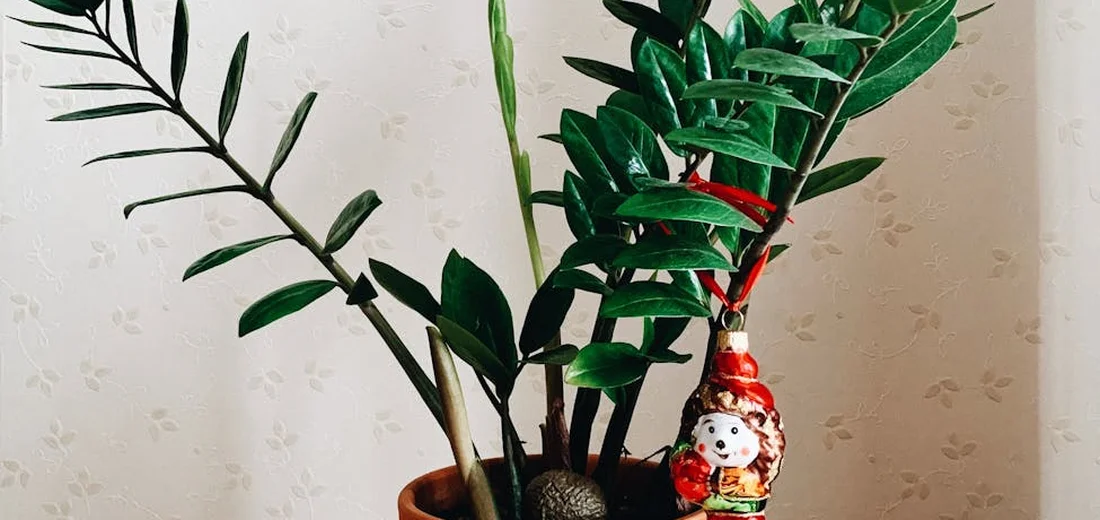
Both the Raven and Classic ZZ are champions of low-light tolerance, but they have different relationships with brightness. I’ve kept both types in a dim north-facing bathroom for over a year, and they not only survived but slowly pushed out new growth. Your classic green ZZ will stay a vibrant emerald in lower light, making it the ultimate set-it-and-forget-it option.
The Raven ZZ, however, truly performs its magic with a bit more light. Its new shoots emerge a bright, lime green and gradually darken to that dramatic, near-black color. In very low light, this color-changing process is much slower, and the leaves may not achieve their full, brooding potential. A spot with bright, indirect light will give you the fastest and most intense color development.
- Classic ZZ: Extremely adaptable. Thrives in low light but grows faster in medium, indirect light.
- Raven ZZ: Prefers medium to bright indirect light for optimal leaf coloration. Tolerates low light but with slower, less dramatic color development.
- Quick Tip: If the leaves on either plant start to stretch widely apart or lean heavily towards the light, they’re asking for a brighter spot.
Watering Needs and Overwatering Risks
This is the single most important care aspect for both plants, and where most people go wrong. Their thick, potato-like rhizomes store massive amounts of water. I treat my ZZs like succulents and water them only when the soil is completely dry all the way to the bottom of the pot. For my large floor plants, this can mean watering just once a month, even less in the winter. In indoor settings, people often water ZZ plants too frequently, which can lead to root rot. They tolerate drought very well and actually prefer to dry out between waterings.
Overwatering is the fast track to yellowing leaves and mushy, rotten rhizomes. The Raven ZZ seems to be just as drought-tolerant as its classic cousin. I’ve found no difference in their watering schedules in my own collection. The best tool for this is your finger or a wooden chopstick-poke it deep into the soil to check for moisture before you even think about reaching for the watering can.
- Both varieties require the “soak and dry” method: water thoroughly until it runs from the drainage hole, then let the soil dry out completely.
- They are highly susceptible to root rot from consistently moist soil.
- When in doubt, it’s always safer to underwater than overwater.
The Ideal Soil and Potting Mix
ZZ plants need a loose, chunky soil that mimics their natural, well-draining habitat. A standard, dense potting mix will hold too much water and suffocate the roots. My go-to mix is a simple two-part recipe: one part regular potting soil and one part perlite or orchid bark. This creates plenty of air pockets and ensures water flows through quickly, preventing soggy conditions around those precious rhizomes. That’s a top pick when people talk about the best soil mix for ZZ plants. With the right balance of drainage and aeration, ZZs stay healthier and happier.
I’ve potted both my Raven and Classic ZZs in this exact mix with fantastic results. The key is drainage, drainage, drainage. Always use a pot with a drainage hole—this is non-negotiable for a happy, healthy ZZ plant of any color. A terracotta pot is a great choice because it’s porous and helps wick away extra moisture from the soil. Also, our ultimate guide on ZZ plant pot sizes explains how to pick the right container for the root ball. It emphasizes choosing a pot only slightly larger than the root ball to avoid waterlogged soil.
Growth Rate and Mature Size Expectations
If you’re looking for a fast-growing plant, the ZZ is not it. Both the Raven and Classic are notoriously slow and steady growers. I’ve had a Classic ZZ for five years, and it’s only produced about four new stems in the last year, but each one was strong and healthy. Patience is truly a virtue with these plants. If you’re curious what a healthy ZZ looks like, a quick visual identification guide can help you spot the signs.
In terms of mature size, a standard ZZ plant can eventually reach up to 3 feet tall and wide indoors, given many years and the right conditions. The Raven ZZ is often described as having a more compact growth habit. In my experience, its stems grow just as long, but they may arch more elegantly rather than growing perfectly upright, giving it a slightly different silhouette (how big ZZ plants get).
- Both plants are slow-growing, especially in lower light conditions.
- Mature Classic ZZ: Can reach 2-3 feet in height and spread.
- Mature Raven ZZ: Often stays slightly more compact, around 2-2.5 feet, with a potential for a more cascading form.
- Quick Tip: Don’t be alarmed by periods of no growth, especially in fall and winter. The plant is likely focusing its energy on its root and rhizome system underground.
Styling Your Space: Aesthetic and Decor Tips
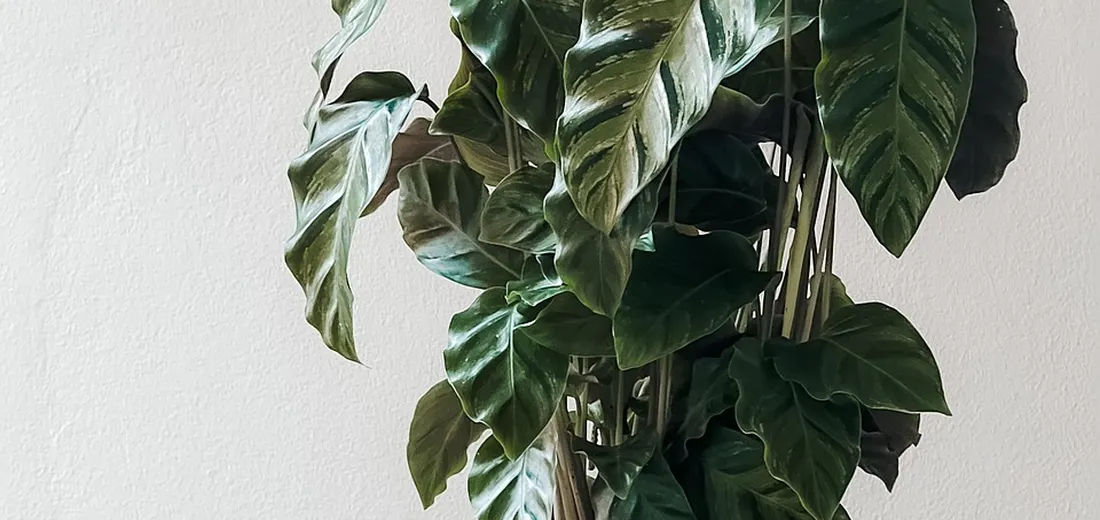
Choosing between these two plants is like choosing between a little black dress and a crisp white shirt. Both are timeless staples, but they create a completely different mood in your home. I’ve used both in my own interior designs, and the impact is genuinely distinct.
Making a Statement with the Raven ZZ
The Raven ZZ is your go-to for drama and sophistication. Its near-black foliage is a showstopper.
- Place it against light-colored walls to make the leaves truly pop.
- It looks stunning in a matte black or concrete pot, creating a modern, monochromatic vibe.
- Use it as a focal point in a minimalist room-it adds depth without clutter.
- I love pairing mine with other dark elements, like a charcoal throw pillow or a slate coaster, to tie a look together.
Embracing Versatility with the Classic ZZ
The Classic ZZ is your reliable, cheerful friend that fits in anywhere.
- Its bright, glossy green leaves instantly brighten a dark corner or a room with limited natural light.
- It looks fantastic in a terracotta pot for a bohemian feel or a white ceramic one for a clean, Scandinavian look.
- This plant is a champion at filling space and adding a lush, vibrant feel without demanding attention.
- I often use Classic ZZ plants in home offices and bedrooms because their light green color is so calming and uplifting.
Quick Tip: Group several Raven and Classic ZZ plants together on a shelf for a stunning, textural display that plays with light and dark.
Practical Considerations: Cost, Availability, and Toxicity
Beyond looks, some everyday factors will influence your decision. I’ve bought and cared for many of both, so here’s the real-world scoop.
What to Expect at the Checkout
The Classic ZZ plant is widely available and very affordable. You can often find a good-sized one at a local garden center or big-box store for a reasonable price. If you’re planning to care for it long-term, the best way to prune and maintain ZZ plants will keep it healthy and looking tidy. Regular pruning also helps control growth and prevent leggy stems.
The Raven ZZ, however, usually carries a higher price tag. Its unique coloration and slower growth rate make it a more premium, sought-after plant. I’ve noticed prices are finally starting to come down as it becomes more common, but expect to pay more for this dark beauty.
Finding Your Plant
- Classic ZZ: Incredibly easy to find. Available almost everywhere plants are sold, year-round.
- Raven ZZ: Once quite rare, it’s now much easier to locate. Check specialty plant shops or online nurseries if your local store doesn’t carry it.
A Crucial Safety Note for Pet and Kid Owners
This is the most important part of ZZ plant ownership. All parts of both the Raven and Classic ZZ plants are toxic if ingested. They contain calcium oxalate crystals that can cause mouth irritation, drooling, or vomiting.
In my home with curious pets, I keep all my ZZ plants on high shelves or in hanging planters completely out of reach. It’s a simple precaution that gives me peace of mind while still enjoying these amazing plants.
Quick Tip: Always wash your hands after handling your ZZ plant or pruning it, as the sap can sometimes cause minor skin irritation.
FAQs
Is the Raven ZZ plant harder to care for than the Classic ZZ?
No, both are equally low-maintenance, but the Raven may need more light for its leaves to darken fully.
Do both plants grow at the same rate?
Yes, both are slow growers, though the Raven ZZ often has a more compact growth habit.
Are Raven and Classic ZZ plants equally toxic?
Yes, all ZZ plant varieties contain calcium oxalate crystals and are toxic if ingested by pets or humans.
Which ZZ plant is more readily available?
The Classic ZZ is widely available, while the Raven ZZ is now easier to find but may still be in specialty shops. For where to buy ZZ plants, this guide lists online retailers and local nurseries near you.
Can I use the same soil mix for both plants?
Yes, both thrive in a well-draining mix, such as equal parts potting soil and perlite or orchid bark.
Is the Raven ZZ worth the extra cost?
If you appreciate its unique dark foliage and dramatic look, the Raven ZZ is a valuable addition to any plant collection. For those exploring different types of ZZ plants, our guide highlights varieties like Raven and Zenzi and what makes each one special.
Your Perfect ZZ Plant Match
Based on my experience caring for both varieties, the key is to pick the one that fits your aesthetic and lighting, as both are incredibly resilient and low-fuss plants.
- Classic ZZ brings vibrant green leaves that lift any space with a fresh, lively energy.
- Raven ZZ offers deep, almost black foliage for a bold, modern statement in your home.
- Both handle neglect well, needing bright indirect light and watering only when the soil is dry.
For more hands-on plant care advice, follow along at Hardy House Plants (www.hardyhouseplants.com), and trust that you’re already on the right track to becoming a confident plant parent-your green thumb is getting stronger with each new leaf!
Further Reading & Sources
- Plant Breakdown: The Difference Between ZZ Plant Varieties | Plant Care Tips – JOMO – JOMO Studio
- The Easy-to-Grow Raven ZZ Plant Has Amazing, Almost Black Leaves
- r/houseplants on Reddit: Zz. Raven vs black Knight.
- Zamioculcas zamiifolia Raven™ ‘Dowon’ (Jet-Black Raven, Raven™ ZZ) | North Carolina Extension Gardener Plant Toolbox
Lena Greenfield is a passionate horticulturist and plant care expert with over 10 years of experience cultivating and nurturing hardy house plants. With a deep understanding of both indoor and outdoor gardening, Lena shares practical advice on choosing, caring for, and maintaining resilient plants that flourish year-round. Through her knowledge and hands-on approach, Lena helps plant lovers transform their spaces into vibrant, green sanctuaries, no matter their gardening experience.
Light Requirements