
Are Succulents Tropical Plants? The Surprising Truth
Published on: February 4, 2026 | Last Updated: February 4, 2026
Written By: Lena Greenfield
You might see succulents in lush, tropical-themed displays and assume they thrive in steamy rainforests, but that’s a common mix-up. The truth is, most succulents are not tropical plants, and understanding their real origins is the secret to keeping them happy in your home.
In this guide, I’ll clear up the confusion and share what I’ve learned from years of collecting. We’ll explore their true native habitats, the key plant families they belong to, and simple care tips tailored to their real needs.
What Exactly Are Succulents?
I often get asked this, and the simplest way I explain it to fellow plant lovers is that “succulent” isn’t a scientific family name like “orchid.” It’s a descriptive term for any plant that has thickened, fleshy parts evolved to store water. Think of them as nature’s little water canteens.
When you gently squeeze a plump succulent leaf, that squishy feeling is its personal reservoir. This incredible adaptation lets them survive in places where rainfall is a rare and celebrated event. I’ve seen my own Jade plant go weeks without a drink and still look perfectly happy, which is a testament to this clever design.
You’ll find this water-storing superpower in leaves, like with the popular Echeveria, or in stems, like many cacti. Do succulents store water in their leaves or stems? The answer is both: some store water in leaves, others in stems. The key takeaway is that their “succulence” is a survival strategy, not a passport to a specific climate. This is why you can find succulents thriving in surprisingly different environments all over the world.
Exploring the Diverse Native Habitats of Succulents
If you picture a succulent’s home and only see a vast, sandy desert, you’re only seeing part of the picture. Their real-world homes are far more varied and fascinating. Understanding where they come from is the secret to keeping them thriving on your windowsill.
Succulents from Arid and Desert Regions
This is the classic image, and for good reason. Places like the Sonoran Desert in North America or the Namib Desert in Africa are iconic succulent homelands. Here, the rules for survival are extreme.
- Intense Sun and Heat: Plants like Saguaro cacti and many Agaves are built for relentless sun, often developing a waxy coating (bloom) to reflect light and prevent water loss.
- Minimal, Unpredictable Rainfall: These plants are masters of capitalizing on a sudden downpour. They have shallow, widespread root systems that can quickly absorb every drop before it vanishes into the dry earth.
- Cool Nights: A crucial point many miss is that deserts often get quite cold at night. This temperature swing is a natural part of their growth cycle.
From my experience, the biggest mistake with these desert natives is over-loving them with water. They are programmed for drought, and their biggest threat in your home is consistently damp soil. Mimicking the boom-and-bust water cycle of the desert is the key to success.
Succulents in Semiarid and Unexpected Climates
This is where the “tropical plant” confusion often creeps in. Many beloved succulents don’t come from true deserts but from semiarid regions or even seaside cliffs.
- Semiarid Grasslands and Bushlands: Think of parts of South Africa, the home of many Aloes and Haworthias. These areas have a distinct rainy season and a dry season. The plants get more regular moisture than desert dwellers but still require a period of rest and dryness.
- Alpine and Rocky Slopes: Some Sedums and Sempervivums (Hens and Chicks) are native to mountainous areas in Europe. They endure poor, rocky soil, excellent drainage, and can handle colder temperatures than your average succulent.
- Coastal Bluffs: Several succulents, like the stunning chalky-blue Senecio mandraliscae, thrive in coastal climates. They enjoy good light, tolerate humidity better than desert types, and are adapted to breezy conditions.
I learned this the hard way with a String of Pearls plant. Treating a coastal-native succulent exactly like a desert cactus can lead to disappointment. They often appreciate a bit more frequent watering and can tolerate the ambient humidity of a typical home far better.
Are Succulents Classified as Tropical Plants?
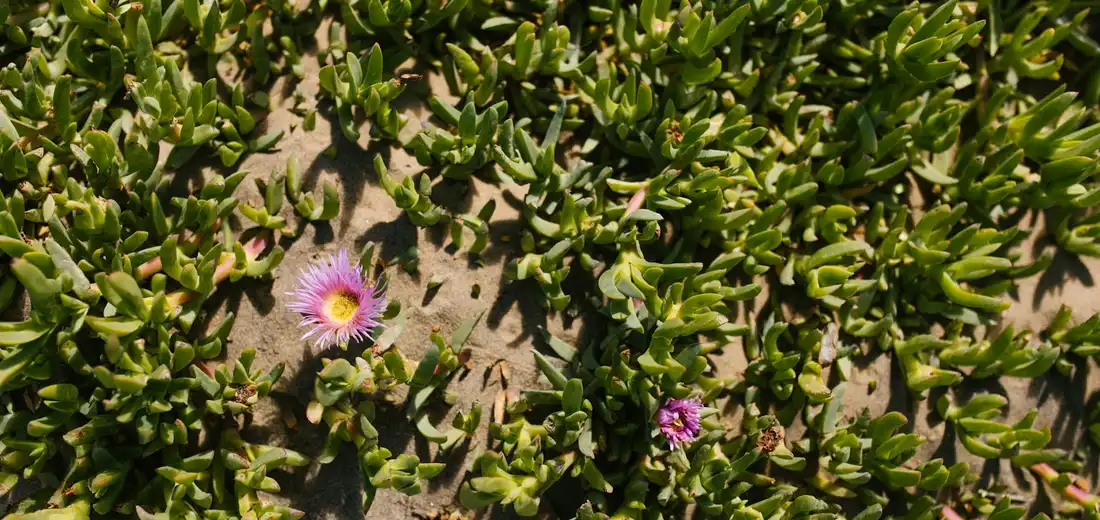
This is a question I get all the time, and the simple answer is no, most are not. Thinking of succulents as tropical plants is one of the most common mistakes that leads to overwatering and root rot. While you might find a few in tropical locales, their evolutionary story is one of survival in much harsher, drier climates.
In my own collection, I’ve killed more plants by treating them like tropicals than I care to admit. I learned the hard way that their plump leaves aren’t for show—they’re built-in water storage tanks. The vast majority of popular succulents, like Echeveria and Sedum, hail from arid deserts and mountainous, sun-baked regions where rainfall is infrequent but torrential when it comes. They’ve adapted to store every precious drop. Curious what exactly qualifies as a succulent? This complete definition guide will spell it out.
True tropical plants, like monsteras or pothos, evolved in consistently humid, warm environments with regular rainfall. Their care reflects that. Succulents, on the other hand, are the survivalists of the plant world. They expect a feast-or-famine watering schedule, lots of direct sun, and excellent air circulation.
How Native Environments Shape Succulent Care at Home
Once you understand where these plants come from, their sometimes finicky care routines make perfect sense. Your goal as a succulent parent is to mimic the conditions of their native habitat as closely as possible. I approach it like creating a mini-biome on my windowsill.
Watering Wisdom from Their Roots
Forget a weekly watering schedule. Your succulent’s native environment taught it to endure long dry spells followed by a heavy downpour. We replicate this with the “soak and dry” method. In our complete guide on how often to water succulents, we break down factors like species, potting mix, and climate to tailor the watering schedule to your plants.
- Wait until the soil is completely dry. I stick my finger an inch or two into the pot to check.
- When it’s dry, take your plant to the sink and give it a thorough, deep watering until water runs freely out of the drainage hole.
- Let all the excess water drain away completely before putting it back in its decorative pot or saucer.
This cycle of drought and drenching encourages strong, deep roots that search for water, just like they would in the wild. A light, frequent sprinkle only encourages weak, surface-level roots and invites rot.
Light and Temperature Needs by Origin
Sunlight is non-negotiable for most succulents. In their native deserts and rocky outcrops, they bask in hours of direct, intense light. Yet light needs vary by species, and recognizing these differences helps you provide the right amount of sun. So, how much light do different succulents really need?
- South-facing windows are your best friend for providing the intense light these plants crave. An east or west window can work, but you might see some stretching as the plant reaches for more sun.
- If your light is low, consider a simple grow light. I use a basic LED strip for my winter collection, and it keeps them compact and colorful.
- Most succulents prefer a significant temperature drop at night, just like they’d experience in the desert. Don’t be afraid if your room gets cooler after the sun goes down-they love it.
If your succulent’s leaves are flattening out or the stem is getting long and leggy, it’s crying out for more direct sunlight. I see this all the time with echeverias that are kept in bright but indirect light; they quickly lose their beautiful, tight rosette shape.
Popular Succulent Genera and Where They Hail From
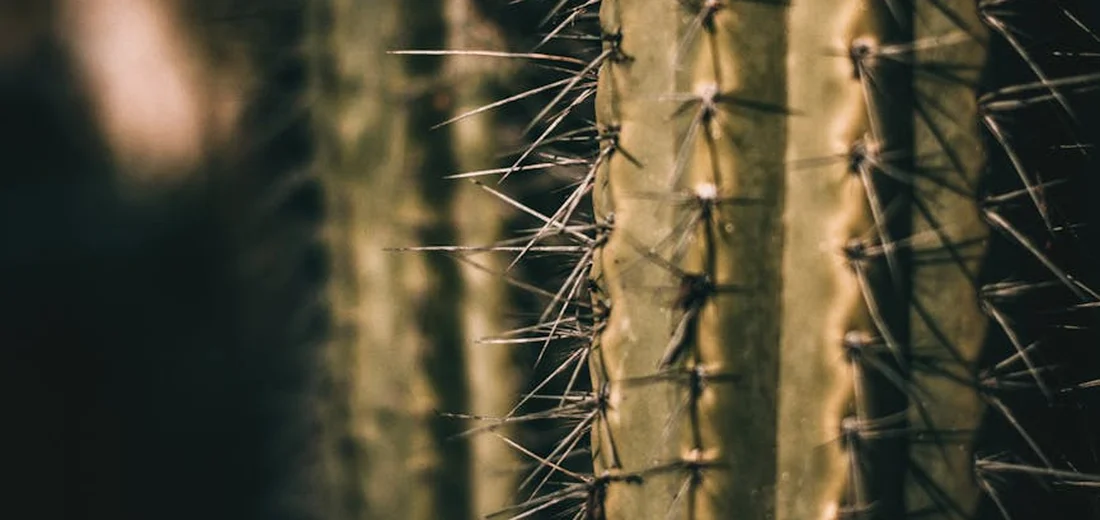
Getting to know where your succulents come from is like learning their life story – it completely changes how you care for them. I’ve found that matching your care routine to a plant’s native habitat is the single biggest key to keeping them thriving for years. To make that practical, we’ll pair each plant with an essential care guide tailored to its variety. These guides cover the nuances of watering, light, and soil for specific types. Let’s look at some of the most common succulents on our windowsills.
Echeveria
You’ll find these stunning rosettes clinging to rocky outcroppings in semi-desert regions of Mexico and Central America. Their high-altitude homes mean they get intense sun but also enjoy cooler nights, which is why they often struggle in consistently hot, humid climates. I always provide them with as much direct light as possible and am very careful with watering.
Aloe
This is a massive and diverse genus! While many think of the classic Aloe vera, its relatives hail from the Arabian Peninsula and arid parts of Africa. Their native conditions range from true desert to scrubby grasslands, teaching us they need excellent drainage and can handle significant drought. I have a large Aloe aristata that has taught me the hard way that soggy soil is a death sentence.
Haworthia
These are the tough little gems of South Africa. Many Haworthias are masters of survival, often growing partially shaded by rocks or scrubby bushes to avoid the harshest midday sun. This is why your Haworthia can tolerate lower light than an Echeveria. Mine do best in a bright spot without direct afternoon sun.
Sedum and Sempervivum (Stonecrop & Hen-and-Chicks)
These cold-hardy champions break all the “succulents love heat” rules. They originate from mountainous regions across Europe and Asia, where they survive freezing temperatures and snow under a protective blanket of white. I leave my Sempervivum outdoors year-round, and they emerge each spring more beautiful than ever.
Crassula (Jade Plants)
The familiar Jade plant (Crassula ovata) calls South Africa home. It’s adapted to periods of rain followed by long dry spells, which is why it stores so much water in its plump leaves and woody stems. I treat my jade like a small tree, letting the soil dry out completely between thorough waterings.
Debunking Myths: Succulents, Tropics, and Misconceptions
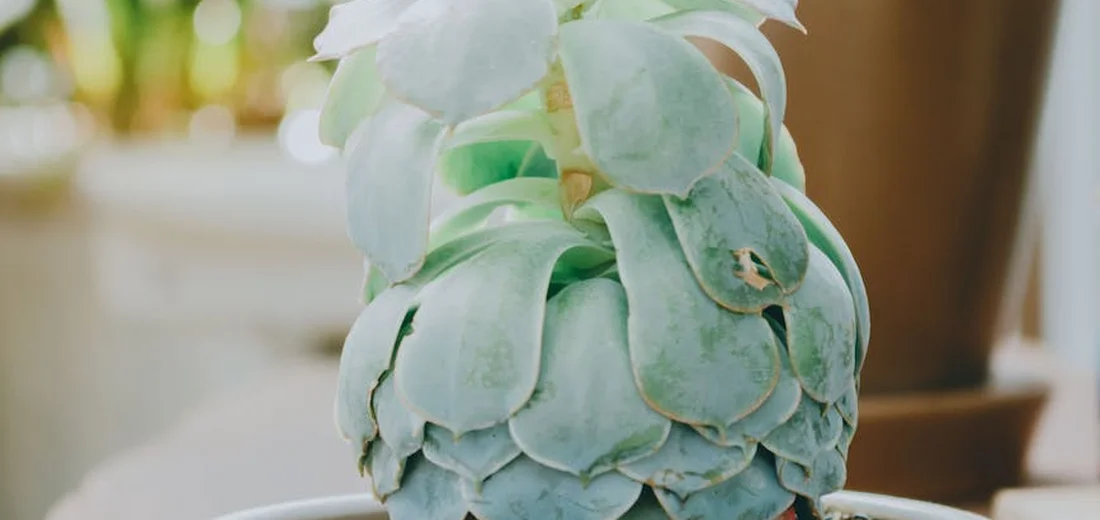
There’s a lot of confusion out there, and I’ve heard nearly every myth in the book from fellow plant lovers. Let’s clear the air and set the record straight.
Myth 1: All Succulents are Desert Cacti
This is perhaps the biggest mix-up. While many succulents do live in arid deserts, countless others do not. The term “succulent” simply refers to any plant that stores water in its leaves, stems, or roots to survive dry periods-this adaptation happens in many climates, not just deserts. Think of the rainforest-dwelling Orchid Cactus (Epiphyllum) that lives in trees!
Myth 2: Succulents are Tropical Plants
This myth is why so many people struggle with rot. True tropical plants, like Monsteras or Philodendrons, evolved in consistently warm, humid, and rainy environments. Most popular succulents, however, come from habitats with a distinct dry season; they expect a period of drought and will rot if their roots are constantly moist like a tropical plant’s would be. Their care is fundamentally different.
Myth 3: More Water Equals Plumper Leaves
It seems logical, but it’s a fast track to a mushy plant. Overwatering suffocates roots, preventing them from absorbing any water at all, which ironically causes the plant to dehydrate and shrivel from the inside out. A succulent plumps up after a deep drink following a dry period, not from constantly wet soil.
Myth 4: All Succulents Need Blazing Hot Sun
Sunburn is a real problem! While desert cacti can handle relentless sun, many leafy succulents like Haworthias or Gasterias are native to areas with filtered light. I always recommend acclimating new plants to direct sun gradually to avoid scorching their beautiful leaves. Observe your plant-if it’s turning white or brown, it’s getting too much light.
Quick Tip: When in doubt, mimic a sudden desert downpour-soak the soil completely, then let it dry out entirely before even thinking about watering again. This simple rhythm works for the vast majority of succulents on the market.
Adapting Care for Succulents in Various Home Environments
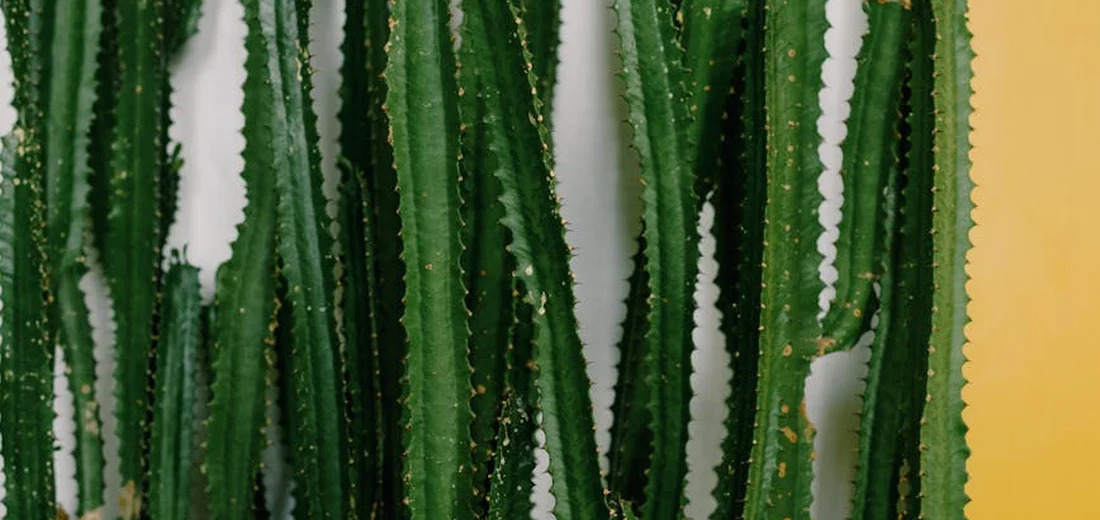
Just because a succulent isn’t a tropical plant doesn’t mean it can’t thrive in your home. The real secret is learning to replicate the specific conditions of its native habitat, even if you live in a place with cold, dark winters. I’ve kept succulents happy everywhere from a dry, sun-drenched Arizona apartment to a humid, north-facing room in a New England home. It’s all about understanding what they’re telling you.
Recreating Desert-Like Conditions in a Dry Home
If your home has low humidity and gets plenty of sunlight, you’re already halfway to creating a perfect environment for desert succulents like cacti, agaves, and echeverias. The main challenge here is often providing enough light.
- Maximize Sunlight: Place your plants directly in a south or west-facing window. I’ve even used a simple, sheer curtain to diffuse intense afternoon sun and prevent leaf scorch on sensitive varieties.
- Water Deeply, But Infrequently: When you do water, pour slowly until it runs out the drainage hole. Then, forget about it. Let the soil become bone-dry all the way to the bottom of the pot before even thinking about watering again. A wooden chopstick stuck into the soil is my go-to moisture meter; if it comes out clean, it’s time.
- Ensure Breezy Airflow: Stagnant air can invite pests. A small, oscillating fan on a low setting across the room does wonders to mimic the gentle breezes of a desert.
Quick Tip: Give your succulents a quarter-turn every time you water to ensure they grow straight and don’t lean desperately toward the light. If you’re using grow lights, position them evenly above the plants to ensure even coverage, and keep a regular light schedule to support compact, balanced growth.
Managing Succulents in a Humid or Low-Light Space
This is where many succulent owners get tripped up. High humidity and low light are the exact opposite of what most succulents crave. But don’t worry, you can still succeed with a few smart adjustments.
- Choose the Right Plants: Opt for jungle succulents that are naturally adapted to these conditions. My favorites for lower light are the resilient Snake Plant and the whimsical Zebra Haworthia.
- Water with Extreme Caution: In humid air, soil takes much longer to dry out. You must extend the time between waterings significantly to prevent root rot. I wait until the leaves feel slightly soft or show the faintest wrinkle.
- Boost Light Levels: If your window light is weak, a simple, affordable grow light can make all the difference. I use clip-on LED bulbs that screw into a regular desk lamp for my haworthias, and they’ve thrived for years.
- Improve Air Circulation: Humidity plus still air is a recipe for mold and mildew. That same small fan you’d use in a dry room is even more critical here to keep the air moving around your plants’ leaves.
What to Do When Your Home is Naturally Dark
I feel your pain. My first apartment had windows that faced a brick wall. The single best investment I made for my plant collection in that dark space was a simple, full-spectrum LED grow light. You don’t need a complicated setup.
- Use a timer to provide 12-14 hours of light per day, mimicking a natural day cycle.
- Position the light 6-12 inches above the plants to be effective without burning them.
- Even “low-light” succulents will be healthier and maintain their compact shape with this supplemental light.
Observing your plant is the most powerful tool you have. A stretched-out, leggy succulent is crying out for more light. Leggy growth usually means the plant is not getting enough light—that’s the core fix. Soft, mushy leaves are screaming, “Too much water!” By paying attention and making small tweaks, you can create a happy little habitat for your succulent, no matter where you live.
Common Questions
Are succulents native to tropical rainforests?
No, the vast majority of succulents are not native to tropical rainforests but to arid and semiarid regions.
What kind of animals interact with succulents in their native habitat?
In their native habitats, succulents are often pollinated by or provide water for animals like birds, bats, and insects.
Do other plants grow alongside succulents in the wild?
Yes, in the wild, succulents coexist with a variety of drought-tolerant plants like hardy shrubs, grasses, and other xerophytes.
Can succulents be found in cold, mountainous native habitats?
Yes, some cold-hardy succulents like Sempervivum are native to alpine and rocky mountainous slopes.
What animals might rely on succulents for food or shelter?
Small mammals, reptiles, and insects often use the dense structures of succulents for shelter and may eat their flowers, fruits, or stored moisture.
Do any succulents share their native habitat with coastal plants?
Yes, some succulents are native to coastal bluffs where they grow alongside salt-tolerant and wind-resistant plant species.
More Than Just Tropical Beauties
Remember, most succulents thrive on a “tough love” approach with bright light and infrequent watering, not the humid, constantly moist conditions of a true tropical plant. Focus on replicating their native, arid environments by providing three key things: plenty of direct sunlight, a “soak and dry” watering method, and gritty, fast-draining soil.
For more guides that help you understand your plants on a deeper level, be sure to explore the other articles right here on our site. You’ve got this—with a little practice, reading your succulent’s needs will become second nature. Curious if succulents are easy to care for? Our beginner’s complete guide to succulent care breaks down simple, easy-to-follow steps so you can get started confidently.
Further Reading & Sources
- Succulents for Florida, Hawaii, Tropics | Succulent Expert
- Succulent plant – Wikipedia
- Tropical Succulent Plants
- What are Succulent Plants? – Youngs
Lena Greenfield is a passionate horticulturist and plant care expert with over 10 years of experience cultivating and nurturing hardy house plants. With a deep understanding of both indoor and outdoor gardening, Lena shares practical advice on choosing, caring for, and maintaining resilient plants that flourish year-round. Through her knowledge and hands-on approach, Lena helps plant lovers transform their spaces into vibrant, green sanctuaries, no matter their gardening experience.
Types of Succulents