
Where to Buy a ZZ Plant: Your Guide to Healthy Plants
Published on: February 7, 2026 | Last Updated: February 7, 2026
Written By: Lena Greenfield
Finding a ZZ plant is easy, but finding a healthy, thriving one that won’t bring pests into your home is the real challenge. You want a plant that will grow with you, not one that struggles from day one.
In this guide, I’ll share my favorite places to shop, from online giants to hidden local gems. You’ll learn about online retailers, local nurseries, big-box stores, and how to pick the healthiest plant.
Why the ZZ Plant is a Fantastic Choice
I’ve cared for dozens of houseplants over the years, and the ZZ Plant consistently stands out as one of the most forgiving. Its remarkable ability to thrive on neglect makes it a perfect starter plant for anyone nervous about keeping something alive.
This plant is practically built for low-light conditions. I’ve kept one in a dim bathroom corner for years, and it’s still pushing out shiny new shoots. Unlike many plants that stretch and become leggy when light is scarce, the ZZ just grows slowly and steadily. In its native tropical habitat, it naturally grows in shaded forest understories with well-draining soil. Those conditions translate well to indoor settings, making it a hardy choice for low-light spaces.
Forgetful waterers, rejoice. The ZZ Plant stores water in its potato-like rhizomes (those bulbous parts under the soil). This built-in water reservoir means you can sometimes go three or four weeks between waterings, especially in winter. Even then, it’s important not to overdo it. I’ve found it’s much more likely to suffer from too much love (i.e., overwatering) than from a little neglect.
Its glossy, deep green leaves have a waxy coating that makes dust easy to wipe off, keeping it looking polished with minimal effort. It’s the plant that always looks put-together, even when your life isn’t.
Finding Your ZZ Plant Online
Buying plants online can feel like a gamble, but I’ve had fantastic success by sticking to a few trusted sources. It’s a convenient way to find specific varieties, like the trendy ‘Raven’ ZZ with its blackish-purple leaves, that your local garden center might not carry. Curious about Raven vs classic ZZ? The key difference is foliage color: Raven has near-black leaves, while the classic ZZ stays bright green.
What to Look for in an Online Plant Retailer
Not all online plant shops are created equal. My first step is always to dive into the customer reviews, specifically looking for photos posted by real buyers. This shows you the actual size and health of the plants people receive.
- Check for Pest Guarantees: A reputable seller will explicitly state their policy on shipping pest-free plants and will have a process for addressing any issues. I won’t order from a site that doesn’t offer this assurance.
- Read the Plant Description Carefully: Look for specifics on pot size and the plant’s maturity. A “4-inch pot” tells you more about what you’re getting than a vague “small plant.”
- Assess Their Plant Care Info: Good retailers provide detailed care guides. This shows they are knowledgeable and invested in your plant’s long-term success, not just making a sale.
A quick tip: I always check the “About Us” page. A story about a passion for plants often signals a better experience than a purely faceless e-commerce site.
Navigating Plant Delivery and Shipping
Your beautiful new plant’s journey in a dark box is the most nerve-wracking part. To ensure it arrives in great shape, pay close attention to shipping details.
I always look for sellers who offer expedited shipping options, especially during temperature extremes. A plant sitting in a freezing or scorching hot truck for a week is a recipe for disappointment.
- Be ready to bring your plant inside as soon as it’s delivered. Don’t let it sit on your porch.
- Unbox it immediately! Your plant has been in the dark and needs light and air.
- Give it a good drink of water if the soil feels dry, but avoid repotting right away. Let it acclimate to your home for a week or two first.
Expect a leaf or two to yellow or drop after shipping-this is a normal stress response, and your plant will recover quickly once it settles in. A little patience goes a long way.
Finding Your ZZ Plant at Local Nurseries
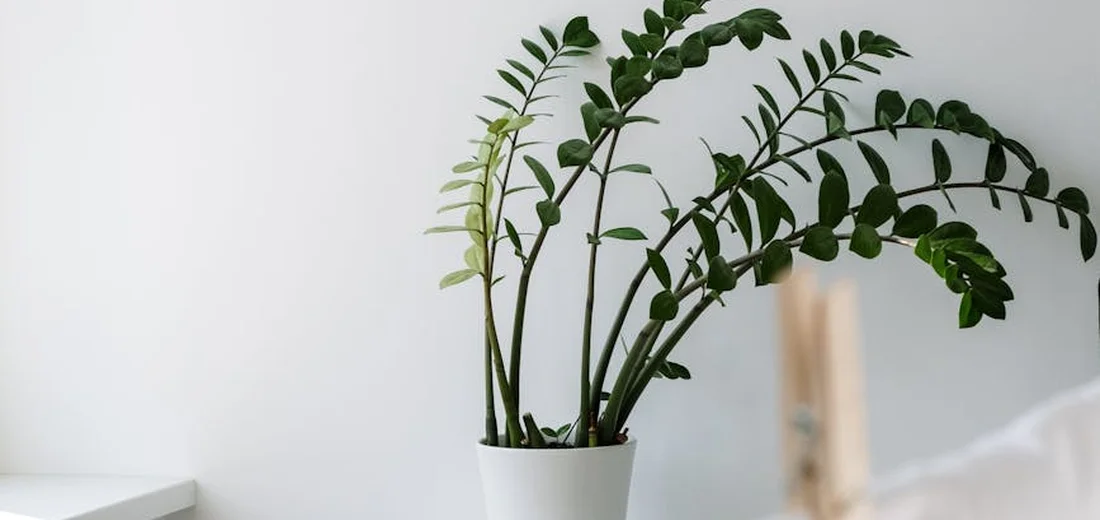
There’s a special kind of joy in walking the aisles of a local nursery, spotting that perfect ZZ plant, and bringing it home the same day. I’ve found some of my healthiest plants by taking my time and giving them a thorough once-over before buying. To help when you’re shopping, I also refer to a quick visual identification guide to know what a healthy ZZ plant should look like. It highlights glossy leaves, sturdy stems, and balanced growth at a glance.
A Step-by-Step Guide to In-Store Plant Inspection
Don’t just grab the first ZZ plant you see. A few minutes of inspection can save you from bringing home pests or a sickly plant. Here is my personal checklist. In this ZZ plant care guide, we’ll cover watering needs, light preferences, and soil requirements. Mastering these basics helps you avoid common ZZ plant problems.
- Examine the Leaves Closely
Look for firm, glossy, deep green leaves. Gently run your fingers over the leaves, feeling for any sticky residue or tiny, moving specks that could indicate pests like aphids or spider mites. Avoid plants with many yellowing leaves, significant brown crispy tips, or leaves that are mushy to the touch.
- Check the Stems and Base
The stems should be stout, upright, and a vibrant green. Give the plant a very gentle wiggle; if it feels loose in the pot, it might not be well-established, which can lead to transplant shock. Peek at the base of the stems for any signs of rot or soft, discolored areas.
- Investigate the Soil and Pot
Feel the soil with your finger. It should be moderately dry, not sopping wet or rock-hard. A soggy ZZ plant is a huge red flag, as it’s often a sign of overwatering and potential root rot that hasn’t shown on the leaves yet.
- Look for New Growth
A happy ZZ plant is a growing ZZ plant. Search for bright, light green shoots emerging from the soil-this is a sure sign of a vigorous, healthy plant that’s thriving in its current conditions.
- Don’t Be Shy-Peek at the Roots
If you can, gently tip the plant out of its nursery pot (ask an employee first!). You’re looking for firm, white or light-colored roots and those distinctive potato-like rhizomes; avoid plants with dark, slimy, or foul-smelling roots.
Online vs. In-Store: How to Choose
Both options have their perks. I’ve bought plants both ways for years, and my choice usually comes down to what I need at that moment.
| Buying Online | Buying In-Store |
|---|---|
| Massive variety of pot sizes and rare cultivars. | You see and touch the exact plant you’re buying. |
| Convenient delivery to your doorstep. | Instant gratification-take it home immediately. |
| Risk of shipping stress or damage. | Limited local selection and inventory. |
| Relies on photos and seller reputation. | You can ask nursery staff specific care questions. |
My personal rule of thumb is to buy common ZZ plants locally and search online for specific varieties like the stunning ‘Raven’ ZZ. If you’re curious about other ZZ plant varieties, a quick guide highlights popular types like Raven and Zenzi to help you compare features. For a beginner, nothing beats the confidence of hand-picking a healthy plant and getting care tips from a knowledgeable local. If you’re pressed for time or hunting for something special, a reputable online shop is your best friend.
Understanding ZZ Plant Price and Size

When you start looking for a ZZ plant, you’ll quickly notice a huge range in price. The cost is almost always tied directly to the size and maturity of the plant you’re buying. A tiny starter plant is a very different commitment than a large, statement-making floor plant.
Common Sizes and What to Expect to Pay
Based on my years of collecting, here’s a general price guide. Remember, prices can vary based on your location and the store’s rarity.
- 4-inch Pot (Small): $10 – $20. This is your perfect starter plant. It’s young, fits on a desk or shelf, and is wonderfully affordable. I always tell new plant parents to start here.
- 6-inch Pot (Medium): $25 – $50. This is the sweet spot. The plant is established, has several stems, and makes a noticeable impact in a room. It’s the size I buy most often for myself.
- 8-inch to 10-inch Pot (Large): $50 – $150+. Now you’re getting a real centerpiece. These are mature, lush, and fill a corner beautifully. The price jumps because the grower has invested years of care.
What Influences the Price?
It’s not just about pot size. A few key factors can make one ZZ plant pricier than another.
- Rarity of the Variety: The classic green ZZ is the most common and cheapest. The stunning ‘Raven’ ZZ, with its near-black new growth, often costs 50-100% more. I paid a premium for my first Raven, and it was worth every penny for that dramatic color.
- Pot Material: A plant in a basic plastic nursery pot is the most budget-friendly. The same plant in a decorative ceramic or cement pot will cost more, but it’s ready for your home instantly.
- Store Type: Big-box stores are cheaper but offer less variety. Specialty nurseries charge more for higher-quality plants, expert advice, and unique finds.
Quick Tip: If you’re on a tight budget, buy a small ZZ plant in a basic pot. They grow surprisingly fast, and you’ll get the joy of watching it mature.
Caring for Your New ZZ Plant
Congratulations on your new plant! The ZZ is famously tough, but giving it the right start is key. My number one rule with new plants is to leave them alone for the first week or two. They need time to acclimate to your home’s light and humidity without the stress of repotting or over-attention.
The Perfect Spot: Light and Location
ZZ plants are adaptable, but they have preferences. I’ve found they truly thrive in bright, indirect light. A spot near an east or north-facing window is perfect. Light temperature matters too—ZZ plants tolerate a range of indoor color temperatures as long as the light is indirect. You can find more details about the light and temperature requirements for ZZ plants here.
- Low Light Champion: Yes, it survives in low light, but growth will be very slow. The stems may also stretch out awkwardly towards any light source.
Avoid Direct Sun: Those gorgeous waxy leaves can get scorched and develop brown, crispy patches if placed in harsh afternoon sun. I learned this the hard way with a plant on a sunny patio.
Mastering the Watering Rhythm
This is where most people go wrong. The ZZ plant stores water in its potato-like rhizomes (those funky tubers under the soil). Overwatering is its only real enemy. If you notice yellow or brown leaves, that’s a sign of water-related stress. We’ll look at the causes and simple solutions to fix it.
- Stick your finger about two inches into the soil.
- If it feels dry, it’s time to water.
- If it feels even slightly damp, walk away from the watering can!
In my home, this usually means a thorough watering only once every 3-4 weeks, sometimes even less in the winter. When you do water, take it to the sink and drench the soil until water runs freely out the drainage hole.
Soil and Repotting Basics
ZZ plants aren’t picky about soil as long as it drains quickly. For the best soil mix for ZZ plants, prioritize drainage and a light, airy texture. A standard all-purpose potting mix works fine. I like to add a handful of perlite or orchid bark to mine for extra drainage, mimicking their natural growing conditions.
- When to Repot: Only repot when the plant is root-bound (you see roots circling the bottom or pushing the plant up). This might be every 2-3 years.
- Pot Choice: Always choose a pot with a drainage hole. Terra cotta pots are my favorite for ZZ plants because the porous clay helps the soil dry out faster, preventing rot.
Quick Tip: Dust the leaves regularly with a damp cloth. Clean leaves can photosynthesize more efficiently, helping your plant stay strong and green.
FAQs
Is it safe to buy a ZZ plant online?
Yes, it is safe when purchasing from reputable online retailers that offer pest guarantees and have positive customer reviews.
Can I find ZZ plants at Home Depot?
Yes, Home Depot frequently stocks ZZ plants in their garden centers, though availability can depend on the season and location.
How do I find a ZZ plant seller near me?
Use online search engines or plant-finder apps to locate nearby nurseries and stores that carry ZZ plants.
Are ZZ plants easy to care for?
Yes, ZZ plants are very low-maintenance and tolerant of neglect, making them perfect for beginners.
What online platforms sell ZZ plants?
Popular online platforms like Etsy, Amazon, and specialized plant shops often list ZZ plants for sale.
What should I look for in a healthy ZZ plant?
Choose a plant with firm, glossy leaves, no signs of pests, and sturdy stems to ensure it is healthy.
Ready to Bring Home Your New ZZ Plant?
Based on my experience growing ZZ plants for over a decade, the best approach is to balance convenience and quality by selecting a reputable seller and thoroughly inspecting the plant before buying. This simple habit saves you from common pitfalls like pests or root rot down the line. Keep this quick checklist handy. For a complete overview, check out our complete introduction benefits guide, which covers care basics and the plant’s benefits. It’s a helpful resource for both beginners and experienced plant owners.
- Opt for sellers with positive reviews and clear return policies.
- Examine leaves for firmness and vibrant green color, avoiding any yellowing.
- Gently check the soil moisture to ensure it’s not bone-dry or waterlogged.
I’m excited for you to start this plant journey! For more trusted tips on succulent care, follow along at Hardy House Plants via www.hardyhouseplants.com. Don’t worry-ZZ plants are forgiving, and with a little love, yours will thrive beautifully in your home.
Further Reading & Sources
- ZZ Plant – Indoor Plants – The Home Depot
- ZZ Plants – Ship From Our Greenhouse to Your Door – BWH Plant Co
- ZZ Plant | Low Light Plants & Houseplants Delivery | The Sill
- Buy Large ZZ Plant, Zamioculcas Zamiifolia Online | PlantVine
Lena Greenfield is a passionate horticulturist and plant care expert with over 10 years of experience cultivating and nurturing hardy house plants. With a deep understanding of both indoor and outdoor gardening, Lena shares practical advice on choosing, caring for, and maintaining resilient plants that flourish year-round. Through her knowledge and hands-on approach, Lena helps plant lovers transform their spaces into vibrant, green sanctuaries, no matter their gardening experience.
DIY Projects