
Best Water Types for Watering Succulents
Published on: September 23, 2026 | Last Updated: September 23, 2026
Written By: Lena Greenfield
Choosing the right water for your succulents can prevent common problems like yellowing leaves or stunted growth. I’ve nurtured succulents for years and found that water quality truly impacts their vibrancy and resilience.
In this article, I’ll share my hands-on experience and walk you through tap water, distilled water, rainwater, filtered water, and simple methods to decide what’s best for your plants.
Why Your Succulent’s Water Matters
I’ve learned that the water you use is as important as your watering schedule. What’s in your water can slowly change your soil’s chemistry, leading to crusty white deposits on the pot or, worse, burned leaf tips. Succulents are adapted to thrive in mineral-rich but well-draining natural soils, and replicating that balance at home is key to their long-term health.
Think of it like this: you wouldn’t pour a sports drink on a tiny seedling. Succulents prefer a clean, simple drink that hydrates without leaving behind a lot of extra “stuff” in their soil. Over time, the wrong water type can compact the soil and lock away the nutrients your plant needs, making it look dull and unhappy.
A Guide to Common Water Types for Succulents
Let’s break down your options. I’ve tested all of these on my own collection over the years, and the results can be surprisingly different. Your best choice often depends on what’s practical for you and the specific sensitivity of your plants.
Tap Water for Succulents
This is the most convenient option for most people, and I use it for the majority of my hardy succulents. The main things to watch out for in tap water are chlorine, chloramines, and fluoride. These chemicals are added for public health but can cause brown, crispy tips on sensitive plants like snake plants or dracaenas over time.
If your tap water is “hard” (high in dissolved minerals like calcium and magnesium), you’ll see a white, crusty buildup on your pots and soil surface. An easy fix is to let a jug of tap water sit out, uncovered, for 24 hours before using it; this allows some of the chlorine to evaporate. It’s a simple step that makes a big difference.
Filtered, Purified, and Distilled Water for Succulents
For my most prized and sensitive succulents, like certain haworthias, I use filtered or distilled water. This is the safest bet because it removes most of the chemicals and minerals that can cause problems. You’re giving your plants a pure, clean slate with every watering. This also helps prevent succulent diseases by avoiding mineral buildup and overwatering. Pair filtered water with a well-draining soil mix and a careful watering routine to keep roots healthy.
I keep a dedicated watering can that I fill from my refrigerator’s water filter. Using filtered water is my number one tip for preventing those unsightly mineral stains on beautiful terracotta pots. Distilled water from the grocery store works wonderfully, too, though buying it for a large collection can get expensive.
Rainwater for Succulents
If you can collect it, rainwater is absolute liquid gold for plants. Rainwater is naturally soft, slightly acidic, and free of the salts and chemicals found in treated water. My succulents always have a noticeable growth spurt and a richer color after a good rain.
I use a simple barrel under a downspout to collect it. Just be sure to use the collected rainwater within a few weeks to prevent mosquito larvae from moving in. It’s the closest thing to their natural habitat you can provide.
Reverse Osmosis (RO) and Deionized Water
This is the premium, high-purity option, often used by serious collectors and for propagating delicate seedlings. RO and deionized water are so pure that they contain virtually no dissolved solids. This is fantastic for preventing mineral buildup.
However, there’s a small catch. Because this water is so pure, it lacks the trace minerals that plants can use, so you may need to be a bit more diligent with a balanced fertilizer during the growing season. In our best fertilizer succulents complete guide, we share clear recommendations on when and what to feed. It helps you balance the minerals without overdoing it. I find it’s overkill for most common succulents, but it’s perfect for troubleshooting specific mineral-related issues.
Spring Water and Bottled Water
While technically safe, I don’t generally recommend bottled water for succulents. The mineral content in spring water is completely unregulated and can vary wildly from brand to brand; you might be introducing unknown minerals into your soil. It’s an expensive and unpredictable way to water your plants.
In a true pinch, it’s fine for a week or two. But for the health of your plants and your wallet, tap or filtered water is a much more consistent and economical long-term solution.
Softened Water
Avoid this at all costs. Water softeners work by replacing calcium and magnesium ions with sodium ions, and sodium is toxic to plants. It slowly accumulates in the soil, preventing your succulent’s roots from absorbing water properly, effectively causing a drought from the roots up.
I learned this the hard way with a jade plant that started dropping leaves despite regular watering. If you have a whole-house softener, always water your plants from an outdoor spigot or another source that bypasses the softening system. Leaves can be a sign of stress from water quality or overwatering. Using unsoftened water helps prevent it. Your succulents will thank you for it.
How to Choose the Right Water for Your Plants
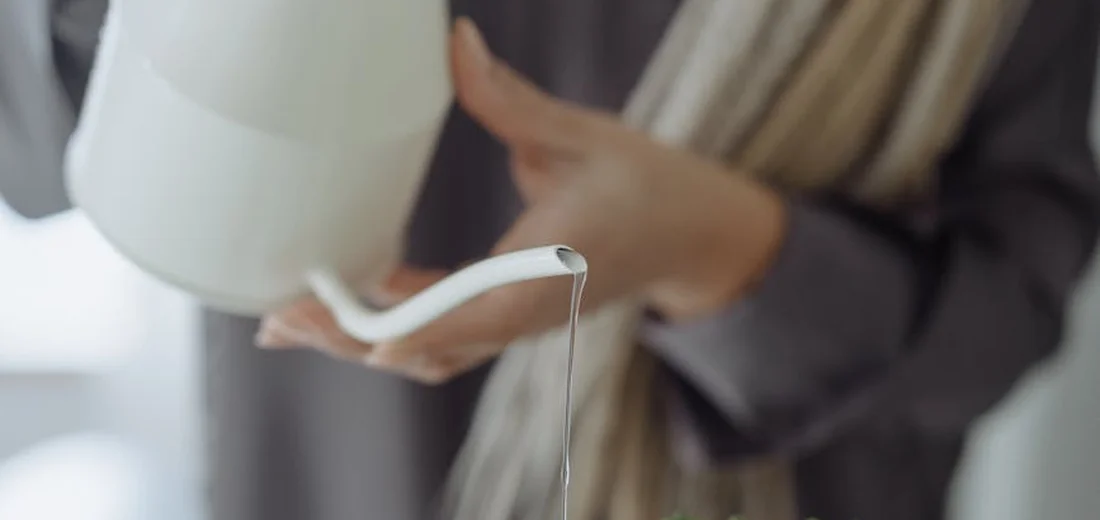
I’ve killed my fair share of succulents with the wrong water, so trust me, this choice matters more than you think. The best water for your succulents is the one that most closely mimics what they’d get in their natural, arid habitats. You have a few main options, and your choice often comes down to what’s most practical for your lifestyle. Bottom watering is a simple, low-maintenance method that helps prevent overwatering by delivering moisture from the pot’s base. For a deeper dive, our bottom watering techniques succulents complete guide walks you through step-by-step.
Tap water is the most convenient, but its quality varies wildly. If your tap water is soft, it’s usually a safe and easy choice for your plants. In my own home, I started using tap water exclusively after I learned how to treat it properly, which I’ll explain in a moment.
Rainwater is like a gourmet meal for succulents. It’s naturally soft, slightly acidic, and free of the chemicals found in treated tap water, making it the gold standard for succulent care. My plants always have a noticeable growth spurt and richer color after a good rain soak. If you can collect it, it’s absolutely worth the small effort.
Filtered or distilled water is your safest bet if your tap water is very hard. Using filtered water eliminates the guesswork and protects your plants from mineral buildup that can slowly poison them from the roots up. I keep a dedicated pitcher of filtered water in my plant care cabinet for my most sensitive succulents.
Simple Steps to Prepare Your Water
You don’t need a science degree to get this right. Preparing your water properly is a simple ritual that can dramatically improve your succulent’s health and longevity. In the complete guide on how often to water succulents, you’ll find simple rules of thumb for different climates and potting mixes. It helps you decide whether weekly watering is right for you. I do this every Sunday for the week ahead, and it takes me less than ten minutes.
Step 1: Test Your Tap Water
Before you do anything, you need to know what you’re working with. Grab a simple pH and hardness test strip from a pet or garden store-it’s the quickest way to diagnose your water’s personality. I was shocked to find my own tap water was much harder than I realized, which explained the white crust on my pots.
Ideal succulent water is slightly acidic to neutral (a pH between 5.5 and 7.0). If your water tests outside this range or is very hard, you’ll want to take the next step to treat it or consider an alternative source. For succulents, soil pH in this same range helps ensure nutrient availability for roots. Aim for a well-draining mix that maintains a soil pH around 5.5–7.0 for best results.
Step 2: Dechlorinate Tap Water
Chlorine and chloramine are added to our water to keep it safe for us, but they can harm the delicate microbial life in your soil. Simply fill your watering can and let it sit, uncovered, for 24 hours; the chlorine will naturally gas off into the air. This is my go-to method, and I always have a full can sitting on my counter, ready to go.
For chloramine, which doesn’t evaporate, a few drops of a water conditioner (the kind used for fish tanks) does the trick instantly. This small addition neutralizes the chemicals without affecting the water’s beneficial minerals.
Step 3: Collect and Store Rainwater Properly
If you’re going to collect rainwater, do it right to avoid introducing pests or bacteria. Place a clean bucket or barrel directly in an open area during a rain shower, avoiding water that runs off your roof initially, as it can contain debris. I use a simple food-grade bucket I bought from a hardware store.
Store your collected rainwater in a sealed container to prevent mosquitoes from breeding. Keep it in a cool, dark place and try to use it within a few weeks for the best results. I’ve found my plants truly thrive when I make the effort to give them this natural drink.
Watering Practices to Pair with Your Water Choice
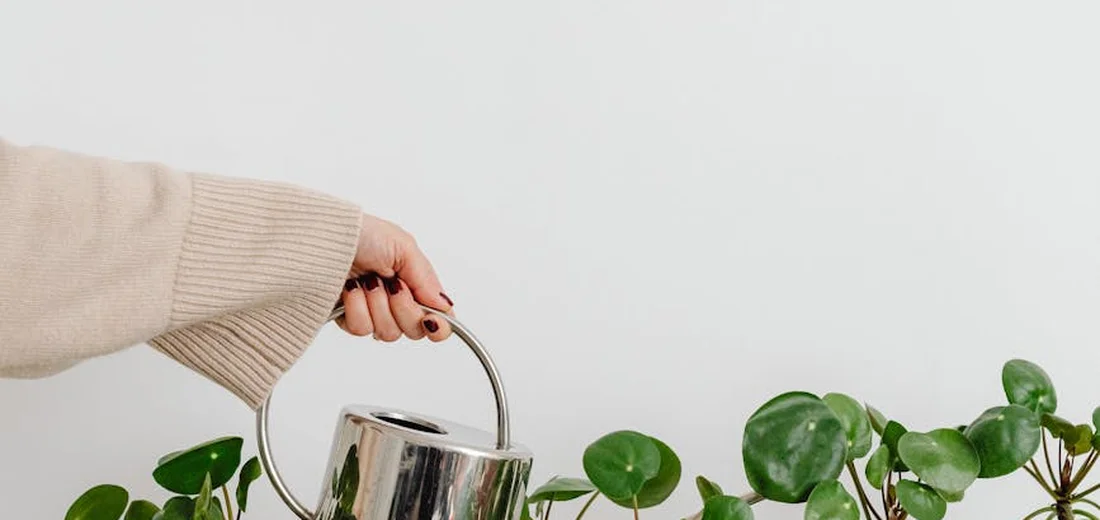
The type of water you use is only half the battle; your technique is the other. I’ve found that even the best water can cause problems if applied with the wrong method. Your goal is to mimic a rare, desert downpour followed by a long drought.
I always use the “soak and dry” method. This means I completely drench the soil until water runs freely out of the drainage hole. This encourages the roots to grow deep and strong as they search for moisture. Then, I let the soil dry out completely before I even think about watering again.
How to Check for Dry Soil
Don’t just guess. Stick your finger about two inches into the soil. If it feels dry, it’s time to water. For smaller pots, you can also lift them. A light pot is a thirsty pot, and you’ll quickly learn the difference in weight.
When to Water
Your succulent’s watering schedule changes with the seasons. They drink more during their active growing season (spring and summer) and much less when dormant (fall and winter). In winter, I sometimes go a full month or more between waterings. During summer they’ll typically need water more often, while in winter they’ll need far less. This winter-vs-summer contrast is exactly what you should watch for when planning their care. Always let the plant and soil be your guide, not the calendar.
Solving Common Water-Related Problems
Even with the best intentions, you might run into a few issues. Don’t worry, most are easy to fix once you know the cause.
White Crust on Soil or Pots
That white, chalky crust is a tell-tale sign of mineral buildup, usually from tap water. This crust can change your soil’s pH, making it harder for your succulent to absorb nutrients. I see this all the time on my own clay pots.
Here’s how I handle it:
- Scrape it off: Gently remove the top layer of crusty soil and replace it with fresh potting mix.
- Flush the soil: Every few months, take your plant to the sink and slowly run a large amount of distilled or rainwater through the soil to wash out excess minerals.
- Switch your water: The best long-term solution is to start using rainwater, distilled water, or filtered water.
Slow Growth or Pale Leaves
If your succulent seems stuck or its vibrant color is fading, the water might be the culprit. Hard water can lock up essential nutrients in the soil, essentially starving your plant. The plant can’t access the food it needs to grow or maintain its color.
My go-to solutions for this are simple:
- Immediately switch to a purer water source like collected rainwater.
- Consider repotting the plant into fresh, well-draining soil to give it a clean slate.
- During the growing season, use a diluted, balanced fertilizer to give it a gentle nutrient boost.
Quick Tip: If you see pests like fungus gnats, you’re likely watering too often. Let the soil stay dry for longer to disrupt their life cycle. This works well for indoor plants and succulents. For stubborn gnats, improve drainage or lightly repot with fresh, well-draining mix.
FAQs
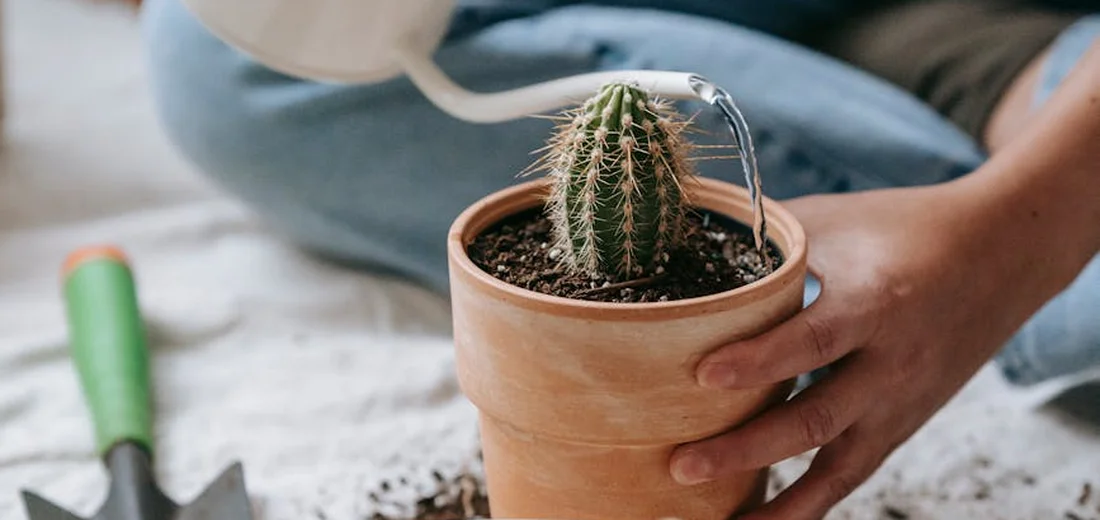
What water should I use for succulents?
Use rainwater, distilled, or filtered water to avoid mineral buildup and chemical damage.
What are the water requirements for succulents?
Water deeply but infrequently, allowing the soil to dry out completely between sessions.
Is banana water good for succulents?
No, banana water can introduce excess sugars and nutrients that may harm succulents.
Is rice water good for succulents?
No, rice water may contain starches that promote fungal growth and root issues.
Is distilled water good for succulents?
Yes, distilled water is safe and pure, preventing mineral accumulation in the soil.
What are the water requirements for succulents in winter?
Water much less in winter, only when the soil is completely dry for weeks.
Your Succulent Watering Checklist
From my years of nurturing succulents, I’ve learned that sticking to pure, low-mineral water prevents root issues and keeps plants perky. For hassle-free care, prioritize rainwater or distilled water, and always water only when the soil is bone-dry. Avoid common succulent watering mistakes, such as overwatering or letting the soil stay soggy.
- Collect rainwater or use distilled water for top results.
- If tap water is your only option, let it sit overnight to off-gas chlorine.
- Test soil moisture with your finger before each watering session.
You’re now equipped to make smart watering choices that help your succulents flourish. Trust your instincts, apply what feels right for your space, and watch your green buddies reward you with vibrant growth as you learn what succulents need to thrive.
Further Reading & Sources
- r/succulents on Reddit: How do you water your succulents? 🤔
- A Complete Guide to Watering Succulents Indoors (2025)
- Succulents And Rainwater: What’s The Best Water For Succulents
- The Best Water for Succulents – Succulents Box
Lena Greenfield is a passionate horticulturist and plant care expert with over 10 years of experience cultivating and nurturing hardy house plants. With a deep understanding of both indoor and outdoor gardening, Lena shares practical advice on choosing, caring for, and maintaining resilient plants that flourish year-round. Through her knowledge and hands-on approach, Lena helps plant lovers transform their spaces into vibrant, green sanctuaries, no matter their gardening experience.
Watering Techniques