
Manure & Pumice for Succulents: A Surprising Soil Recipe That Works
You’re wondering if you can mix manure and pumice for your succulent soil, and you’re probably worried it might be too rich and cause root rot. I’ve tested this exact combination in my own collection for years, and I can tell you it absolutely works with the right approach.
In this guide, I’ll walk you through why aged manure is a secret weapon for growth, how pumice creates the perfect drainage, my personal mixing ratios for different succulents, and what alternatives work if you can’t find pumice.
The Quick Answer: Manure and Pumice for Succulents
Yes, you can use manure and pumice for succulent soil, but you have to be incredibly careful with the manure. Think of manure as a potent spice-a little adds flavor, but too much ruins the whole dish. I’ve experimented with this mix in my own collection, and the results are fantastic when done correctly.
Here’s the simple breakdown of how to use them together:
- Pumice is the star of the show. It should make up the bulk of your mix, about 60-70%. Its porous, rocky structure creates the perfect fast-draining environment succulent roots crave.
- Manure is the supporting actor. Use it sparingly, no more than 10-15% of your total mix. It must be very well-aged or composted. Fresh manure is far too “hot” and will burn your plant’s roots.
- You’ll need a third ingredient. Combine your pumice and manure with a neutral, soil-less potting mix to round everything out.
My go-to recipe is two parts pumice, one part potting mix, and just a handful of well-composted manure. This gives my plants the drainage they need with a gentle, slow-release nutrient boost.
Why Succulent Soil Needs to be Different
Succulents aren’t like your average ficus or pothos. They’ve evolved to survive in harsh, arid environments where water is a rare treat. Their number one enemy is consistently wet soil, which leads directly to the dreaded condition of root rot. I’ve learned this the hard way after losing a beautiful jade plant to overly enthusiastic watering. Understanding the causes and applying proper treatment is essential to save succulents from root rot. With careful watering, well-draining soil, and regular root checks, you can keep your collection thriving.
Their unique needs come down to three key factors:
- Water Storage: Their plump leaves and stems are built-in water reservoirs. They are designed to soak up water quickly when it’s available and store it for the long dry spells. Soil that stays wet keeps their roots drinking when they’re already full.
- Root System: Most succulents have fine, relatively shallow root systems. They don’t have a giant taproot searching for deep water sources. These delicate roots need to breathe and can easily suffocate in dense, moisture-retentive soil.
- Growth Cycle: Many succulents have a distinct dormancy period, usually in the peak of summer or the depth of winter, where they need even less water. The wrong soil makes it impossible to respect this natural rest period.
This is why a standard bag of potting soil is a death sentence for most succulents. Regular potting mix is like a wet sponge, holding onto moisture for far too long and compacting around the roots. A proper succulent mix mimics their natural, gritty habitat, allowing water to flow through almost immediately while still providing some anchorage and minimal nutrients. So, do succulents really need special soil? The truth: yes—the right gritty, fast-draining mix is essential for healthy roots between waterings.
The ideal soil structure provides two things: excellent drainage and plenty of aeration. Pumice is a champion for this job because each little rock is full of air pockets, which helps soil stay loose and lets roots get the oxygen they need. This is the core reason we use so much of it.
The Role of Pumice in Your Succulent Soil Mix

I use pumice in nearly all my succulent mixes because it creates the airy, fast-draining environment these plants crave. Pumice is a volcanic rock that’s lightweight and full of tiny pores, which helps prevent soil compaction and allows oxygen to reach the roots. Unlike some other amendments, it doesn’t break down over time, so your soil structure stays perfect season after season.
When you water, pumice acts like a mini reservoir, holding onto a small amount of moisture that the roots can access later. This slight moisture retention is a game-changer, as it prevents the soil from drying out completely between waterings, which can stress succulents. I’ve found my plants establish stronger root systems and show less signs of thirst stress when pumice is in the mix.
Pumice vs. Perlite: Choosing Your Grit
Many gardeners ask me to choose between pumice and perlite, and after years of testing both, I have a clear preference. While both improve drainage, pumice is heavier and won’t float to the top of your pot during watering like perlite often does. This means your soil mix stays consistent and doesn’t become layered and less effective over time.
Pumice also has a rough, porous surface that roots can easily cling to and grow around. Perlite’s smooth, round shape doesn’t offer the same anchoring support, which can lead to less stable plants, especially for taller succulents. I’ve repotted many store-bought succulents grown in perlite-heavy mixes and found their root systems were often weaker and less developed.
Here’s a quick comparison from my own experience:
| Feature | Pumice | Perlite |
|---|---|---|
| Weight | Heavier, stays put | Lightweight, can float away |
| Water Retention | Holds some moisture in its pores | Holds water on its surface only |
| Durability | Does not break down | Can crush over time |
| Root Support | Excellent, rough texture | Fair, smooth surface |
Quick Tip: If you can only find perlite, it’s still a good option-just mix it thoroughly into the soil and be gentle when watering to prevent it from floating to the surface. For succulents, use perlite in your well-draining succulent soil mixes to boost drainage and air pockets.
Understanding Manure as a Soil Amendment
Manure is decomposed animal waste that’s packed with nutrients and organic matter, making it fantastic for many garden plants. In my vegetable garden, well-composted manure works wonders for heavy feeders like tomatoes and corn, enriching the soil and promoting lush growth. It improves soil texture and feeds beneficial microbes, creating a vibrant ecosystem for plant roots.
The key to using manure safely is ensuring it is fully composted, which means it has been aged and heated to break down pathogens and kill weed seeds. Fresh manure is far too “hot” with concentrated salts and ammonia that can chemically burn plant roots on contact. I learned this the hard way years ago with a batch of young pepper plants that wilted and died within days of applying fresh manure.
The Significant Risks of Using Manure with Succulents
For succulents, manure presents a major problem because it is too rich and moisture-retentive. Succulents are adapted to nutrient-poor soils, and a high-nutrient environment from manure can cause weak, leggy growth that is prone to pests and disease. I’ve seen succulents stretch out and become pale when given access to overly fertile soil mixes. To learn more about why succulents get leggy, you can read this article on Why succulents get leggy. To fix leggy growth, switch to a lean, well-draining soil and provide bright light. Prune back stretched growth and avoid over-fertilizing.
The organic matter in manure holds onto water like a sponge, which is the opposite of what succulent roots need. This prolonged moisture around the roots is an open invitation for root rot, the number one killer of potted succulents in my experience. Even well-composted manure can drastically increase the risk of fungal issues in the consistently damp environment it creates.
Manure can also introduce fungal gnats and other pests into your indoor plant collection. I once battled a fungus gnat infestation for months that I traced back to a bag of commercial potting soil containing manure. It’s a headache most succulent growers can easily avoid by choosing different soil amendments.
How to Safely Prepare Manure for Gardening
If you have manure and want to use it for other garden plants, proper composting is non-negotiable. Hot composting is the safest method, where you maintain a pile temperature between 130°F and 150°F for several weeks to kill pathogens and weed seeds. I turn my compost pile every few days and monitor the temperature with a simple compost thermometer.
Properly composted manure should be dark, crumbly, and have an earthy smell-not like manure. If it still smells strongly of ammonia or animal waste, it needs more time to break down before it’s safe to use around any plants. This process typically takes three to six months depending on your climate and composting method.
Here’s my simple process for preparing manure safely:
- Source manure from herbivores like cows, horses, or chickens
- Mix with carbon-rich materials like straw, leaves, or wood chips
- Maintain moisture like a wrung-out sponge
- Turn the pile regularly to incorporate oxygen
- Wait until it resembles dark, rich soil with no offensive odor
Quick Tip: Always wear gloves when handling manure, even when composted, and wash your hands thoroughly afterward to prevent potential contamination.
Crafting Your Perfect Succulent Soil Mix
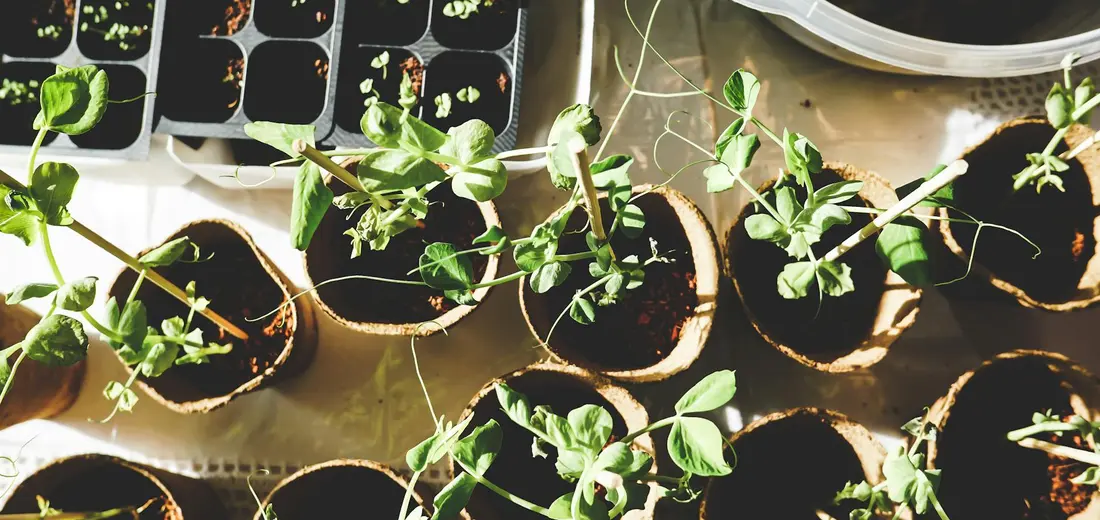
Mixing your own succulent soil lets you control exactly what your plants sit in, and I’ve found that combining manure and pumice creates a powerhouse blend. This duo balances moisture retention and drainage, which is the secret to happy, healthy succulents. Over the years, I’ve tweaked my recipe to avoid common pitfalls like compacted soil or nutrient burn.
Start with well-composted manure-I prefer cow or chicken manure that’s aged for at least six months. Fresh manure can be too strong and harm delicate roots. Composted manure adds organic matter and slow-release nutrients that feed your plants gently over time. It’s an eco-friendly way to recycle waste and enrich your soil naturally.
Pumice is my go-to for aeration because it’s lightweight and porous. When I mix pumice into soil, it creates tiny air pockets that prevent water from pooling around the roots. You can feel the difference-the mix stays fluffy and never gets muddy, even after watering.
Here’s my simple step-by-step guide to creating your own mix:
- Gather your materials: composted manure, pumice, and a large container for mixing.
- Use a ratio of 1 part manure to 2 parts pumice for most succulents. In humid climates, I increase pumice to 3 parts for extra drainage.
- Combine them thoroughly in your container until the color and texture look even.
- Test the mix by squeezing a handful-it should hold shape briefly then crumble apart easily.
If you’re new to this, start with a small batch and observe how your plants respond. I always keep extra pumice on hand to adjust the mix if needed-it’s a lifesaver for finicky varieties like echeverias. The gritty texture of pumice means water flows through quickly, so you’ll water a bit more often, but your plants will thank you with strong growth.
Troubleshooting Common Soil-Related Succulent Problems
Even with a great soil mix, issues can pop up, but don’t worry-most are easy to fix. Spotting problems early is key, and I’ve learned to read my plants’ signals like a book. Let’s tackle some frequent headaches and how to solve them with your manure-pumice blend.
Yellowing or mushy leaves often mean overwatering. Check if the soil feels soggy-if it does, hold off on watering and consider adding more pumice to improve drainage. In my experience, succulents in well-draining mixes bounce back faster because their roots aren’t sitting in wetness. Proper soil is crucial for healthy succulents.
If leaves look shriveled or wrinkled, your plant might be thirsty. With pumice-heavy soil, water can drain too fast in hot weather, so I water deeply until it runs out the bottom. Wait until the top inch of soil is dry before watering again to avoid swings.
Pests like fungus gnats love damp organic matter, but manure doesn’t have to attract them. I mix in a layer of coarse sand or extra pumice on top to deter gnats and keep the surface dry. For stubborn infestations, let the soil dry out completely between waterings-it’s a natural fix that works every time.
Root rot is a scary one, but preventable. If you suspect rot, gently remove the plant, trim any black or soft roots, and repot in fresh manure-pumice mix. I’ve saved many plants this way by ensuring the new soil is loose and airy, which encourages recovery.
Nutrient issues can show as pale leaves or stunted growth. Manure provides a gentle nutrient boost, but if problems persist, I dilute a balanced liquid fertilizer and apply it monthly during the growing season. Avoid over-fertilizing—succulents prefer lean soil, so less is often more. To identify common succulent nutrient deficiencies, watch for symptoms like yellowing leaves or stunted growth. If you spot a deficiency, apply a targeted fix—adjust feeding, soil, and watering as needed.
Here’s a quick list of signs and solutions:
- Soft, translucent leaves: Overwatering-reduce frequency and check drainage.
- Brown, crispy tips: Underwatering or low humidity-water thoroughly and mist occasionally.
- Slow growth: Pot-bound or poor nutrients-repot with fresh mix or add a light fertilizer.
Remember, every plant is unique, so observe and adjust. Keeping a simple journal of watering and changes has helped me catch issues before they become big problems. Being mindful of common succulent watering mistakes to avoid keeps you on track. Common mistakes include overwatering and letting soil stay damp for too long. Your succulents will thrive with a little attention and the right soil foundation.
Common Questions
Can I use fresh manure for my succulents?
No, you should never use fresh manure as it is too strong and will burn the delicate roots of your succulents.
What type of manure is safest to use?
Well-aged, composted manure from herbivores like cows or chickens is the safest choice for a gentle nutrient release.
Is this manure and pumice mix suitable for all types of succulents?
This mix works well for many common succulents, but varieties that are extremely sensitive to moisture may require a mix with even more pumice.
What can I use if I cannot find pumice?
Perlite is a common alternative, but it is lighter and may float to the surface over time.
Can I use manure as a top dressing instead of mixing it in?
It is not recommended, as top dressing with manure can retain too much moisture against the plant’s stem and lower leaves.
How do I know if my soil mix has enough drainage?
A good mix should hold its shape briefly when squeezed but then crumble apart easily, indicating it won’t compact around the roots.
Your Succulent Soil Mix Made Simple
To make a thriving succulent mix, combine well-aged manure and pumice in a 1:2 ratio for a blend that feeds and drains perfectly. Remember these key points:
- Only use fully composted manure to prevent root burn.
- Pumice is superior for aeration and doesn’t break down.
- Always test your mix’s drainage before potting your precious plants.
You’ve got this! Don’t be afraid to get your hands a little dirty and experiment. Your succulents will reward your efforts with vibrant, healthy growth. If you’re wondering what they need to thrive, give them bright light, well-draining soil, and water sparingly. Happy planting!
Further Reading & Sources
- About Pumice: The Ideal Soil Amendment for Succulents | Debra Lee Baldwin, Succulent Expert
- What Is Pumice Used For? Benefits of Pumice for Plants – Grow Organic
- The Pumice Store: Pumice Stone for Succulent and Cactus Soil
- r/succulents on Reddit: Can/should I use pumice for succulents ? If yes how do I use it properly in a pot? Do I put it inside the soil or above it? Can I use it with normal soil that’s used for all kinds of plants ?
Lena Greenfield is a passionate horticulturist and plant care expert with over 10 years of experience cultivating and nurturing hardy house plants. With a deep understanding of both indoor and outdoor gardening, Lena shares practical advice on choosing, caring for, and maintaining resilient plants that flourish year-round. Through her knowledge and hands-on approach, Lena helps plant lovers transform their spaces into vibrant, green sanctuaries, no matter their gardening experience.
Soil Types