
Do Snake Plants Attract or Repel Snakes and Bugs?
Published on: October 20, 2026 | Last Updated: October 20, 2026
Written By: Lena Greenfield
Snake plants do not attract snakes, and their name is purely based on the leaf shape, not any snake-related behavior. You might worry about bugs, but snake plants can actually help deter some common household insects.
In this article, I’ll share why snake plants don’t lure snakes, how they can repel certain bugs, and my personal tips for using them as a natural pest deterrent based on years of growing them indoors.
The Truth About Snake Plants and Snakes
Are Snake Plants Attractive Snake Hiding Places?
Let me be perfectly clear: in my years of keeping dozens of snake plants, I have never, ever found a snake hiding in one. The name is purely based on the plant’s long, upright leaves that resemble a snake’s posture, not its ability to attract reptiles. Snakes are looking for three things: food, water, and secure shelter. A snake plant in a pot on your living room floor offers none of these. The soil volume is too small to support the insects or rodents a snake would eat, and the leaf structure doesn’t create a dark, enclosed space they find secure.
I once had a friend who was terrified to get a snake plant for this very reason. After explaining that a snake is more likely to be found in a cluttered garage or a woodpile outside, she finally got one and has been snake-free for years. Your indoor snake plant poses zero risk of becoming a snake motel. For a complete indoor snake plant care guide—from placement to maintenance—check out our easy, step-by-step tips.
Do Snake Plants Repel Lizards?
This is another common myth I hear often. While some plants like peppermint or garlic are known for their repellent properties, snake plants are not one of them. Snake plants do not produce any strong scent or chemical compounds that actively drive lizards away. Lizards are usually indoor visitors because they’ve found a food source, like small insects.
From my own experience, the best way to keep lizards out is to make your home uninteresting to them. A healthy snake plant can actually help with this indirectly. By being a resilient, low-water plant, it avoids the damp soil that attracts the very bugs lizards love to eat. So while it won’t repel them directly, it doesn’t contribute to the problem.
Snake Plants and Common Houseplant Pests
Do Snake Plants Attract Fungus Gnats?
Here’s where we get to a more realistic pest issue. Fungus gnats are those tiny, annoying flies that hover around houseplant soil. Snake plants don’t attract gnats, but consistently wet soil absolutely does. The good news is that snake plants are some of the most forgiving plants when it comes to underwatering.
I learned this lesson early on. I over-loved a snake plant with too much water and soon had a gnat problem. The solution was simple:
- I let the soil dry out completely, for weeks, between waterings.
- I placed yellow sticky traps in the pot to catch the adult flies.
- For a severe infestation, I covered the soil with a half-inch layer of sand to block the gnats from laying eggs.
Quick Tip: Water your snake plant from the bottom by placing the pot in a saucer of water for 30 minutes. This keeps the top layer of soil dry and unattractive to gnats. For more on how often to water snake plants indoors, see our complete guide.
Do Snake Plants Attract Mealybugs or Spider Mites?
While no plant is completely immune, snake plants are remarkably resistant to most common pests. Their leaves are tough and have a slightly waxy coating, making it hard for pests to penetrate. In my collection, I’ve found spider mites on more delicate plants like calatheas long before they ever bother a snake plant. Mealybugs can sometimes appear, but it’s usually because they’ve migrated from an already-infested plant nearby.
If you do spot a problem, it’s often easy to manage. I once found a few mealybugs in the tight crevice where a new leaf was emerging. Here’s what I did:
- I dipped a cotton swab in rubbing alcohol.
- I gently dabbed it directly onto each white, fluffy bug I could see.
- I wiped the leaves down with a damp cloth a week later to remove any residue.
The plant’s sturdy nature means you can physically clean the leaves without worrying about damaging them, which is a huge advantage in pest control. Regular inspection when you water is your best defense to catch any issues early.
Debunking Common Myths About Snake Plants and Pests
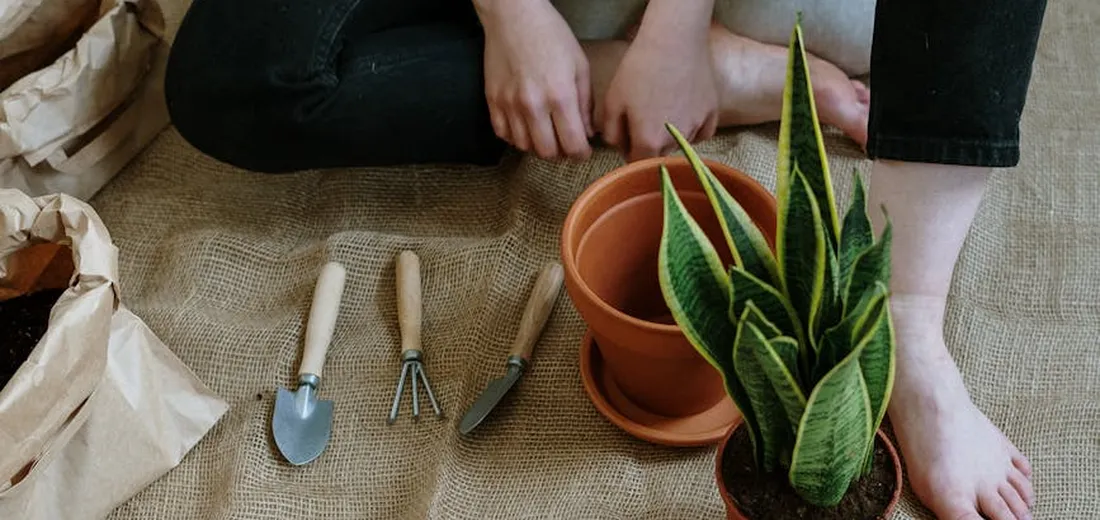
I’ve heard the question so many times: does the “snake” in the name mean it attracts snakes? Let me be perfectly clear-this is a complete myth, and I can confirm from years of keeping dozens of snake plants that I have never, ever seen one attract a snake. The name comes from the leaf shape and pattern, not from any special relationship with reptiles. Your indoor snake plant is just as likely to attract a snake as a spider plant is to attract spiders.
Another common belief is that the tough, thick leaves are naturally resistant to all bugs. While they are certainly more resilient than many delicate houseplants, they are not a forcefield. I’ve personally dealt with mealybugs taking up residence in the tight, new growth of a snake plant, proving that no plant is entirely immune. The real key isn’t a magical repellent quality; it’s the healthy environment you create that makes your plant an unappealing target.
Proven Ways to Keep Your Snake Plant Pest-Free
-
Master Your Watering Routine
This is the single most important factor. Overwatering creates soft, weak roots and a damp environment that fungus gnats and other pests adore. I stick to the “soak and dry” method, drenching the soil completely and then waiting until it is bone dry all the way through before even thinking about watering again. A consistently dry top layer of soil is your first and best defense against a host of common houseplant bugs.
-
Inspect New Plants Thoroughly
I learned this the hard way after bringing home a beautiful new plant that secretly harbored scale insects. Always quarantine any new plant for at least two weeks, away from your other plants, and inspect the tops and bottoms of leaves, stems, and the soil surface. Look for tiny moving dots, sticky residue, or unusual cotton-like fluff. This simple step saves you from a major headache later.
-
Wipe Leaves Regularly
A dusty leaf isn’t just unattractive; it’s a welcome mat for pests and it blocks sunlight. Once a month, I take a soft, damp cloth and gently wipe down each leaf, supporting it with my other hand to prevent snapping. This removes dust, dislodges any early pest eggs, and lets your plant photosynthesize efficiently, which keeps it strong and naturally more resistant.
-
Ensure Proper Air Circulation
Stagnant, still air is a breeding ground for pests and fungal issues. You don’t need a gale-force wind, but a gentle breeze from a ceiling fan or a nearby air vent makes a huge difference. Good airflow helps soil dry appropriately and makes it harder for pests to settle down and get comfortable on your plant. Think of it as creating a slightly breezy, unwelcoming environment for tiny invaders.
How to Treat Pest Infestations on Snake Plants
-
Isolate the Affected Plant
As soon as you spot a single bug, move your snake plant away from all other plants. I’ve learned from experience that pests can travel from leaf to leaf in the blink of an eye, and isolation is the fastest way to stop an outbreak. I keep a separate “plant hospital” shelf in another room for this exact purpose. And beyond pests, you should identify and treat common snake plant diseases as well. Early identification lets you act fast to prevent serious damage.
-
Remove Pests Physically
Take your plant to a sink or shower and give the leaves a thorough spray with a strong stream of water. This knocks off many soft-bodied pests like aphids and spider mites. For stubborn bugs like mealybugs, which look like tiny bits of cotton, I dip a cotton swab in rubbing alcohol and dab them directly. The alcohol dissolves their protective coating on contact.
-
Apply a Natural Pesticide
After physically removing the pests, it’s time for a treatment. I almost always reach for neem oil or an insecticidal soap. My go-to homemade spray is one teaspoon of mild liquid soap and one teaspoon of neem oil mixed into a quart of warm water. Shake it well and spray every part of the plant, especially the undersides of the leaves where pests love to hide.
-
Monitor and Repeat Treatment
Pest eggs can survive the first treatment, so you must be persistent. I set a reminder to re-treat my plant every 5 to 7 days for at least three weeks. This schedule breaks the pest life cycle and ensures any newly hatched nymphs are eliminated before they can reproduce.
Why a Healthy Snake Plant is Your Best Defense
A thriving snake plant is far less appealing to pests than a struggling one. Think of a robust plant like a well-fortified castle-it’s much harder for invaders to breach its defenses. Pests are opportunistic and tend to target plants that are already stressed.
I focus on giving my snake plants the core care they crave. Overwatering is the number one cause of stress, which weakens the plant and can lead to root rot, an open invitation for fungus gnats. Do snake plants need drainage holes? Yes—pots with drainage holes help prevent water from sitting at the roots. I always let the soil dry out completely between waterings.
Providing plenty of bright, indirect light helps the plant produce the energy it needs to stay strong. Proper lighting and a consistent watering routine are the cornerstones of a pest-resistant snake plant. A quick tip: wipe the leaves with a damp cloth every few weeks to remove dust, which allows the plant to breathe and photosynthesize more efficiently. This approach aligns with the care tips outlined for various types of snake plants on the Hardy Houseplants blog.
Finally, I make sure my plants aren’t crowded. Good air circulation around your snake plant helps keep the foliage dry and discourages pests that prefer humid, stagnant conditions. A little space between your green friends makes a big difference. That spacing also helps prevent brown leaf tips by keeping leaves dry. If browning occurs, check your watering and drainage to fix it quickly.
FAQs
Does snake plant attract snakes?
No, snake plants do not attract snakes.
Do snake plants attract bugs?
Snake plants are generally resistant to bugs but can attract them if overwatered.
Does snake plant attract mosquitoes?
No, snake plants do not attract mosquitoes.
Does snake plant attract fruit flies?
Snake plants can attract fruit flies if the soil is consistently wet.
Does snake plant attract insects to humans?
Snake plants do not attract insects that specifically target humans.
Does snake plant attract lizards?
No, snake plants do not attract lizards.
Your Snake Plant: A Safe and Smart Choice
Based on my years of growing snake plants indoors, I can assure you they are a fantastic, pest-resistant option that won’t lure snakes and can even help reduce bothersome bugs in your home. Here’s the quick takeaway:
- Snake plants do not attract snakes and are not a food source for them.
- Their sturdy, low-moisture leaves make them unappealing to many common household insects.
- They are easy to care for and can improve your indoor air quality naturally.
Now that you have the facts, give your snake plant the simple care it deserves and enjoy its beauty without any worries. Here are proven tips and techniques to help your snake plant grow faster. You’ve got this—happy planting!
Further Reading & Sources
- Do Snake Plants Attract Snakes? – All Snake Plant
- Do snake plants attract bugs? – Quora
- Squash Snake Plant Bugs! Easy Fixes for a Happy, Healthy Plant
- Do Snake Plants Attract Bugs? How To Get Rid Of Bugs
Lena Greenfield is a passionate horticulturist and plant care expert with over 10 years of experience cultivating and nurturing hardy house plants. With a deep understanding of both indoor and outdoor gardening, Lena shares practical advice on choosing, caring for, and maintaining resilient plants that flourish year-round. Through her knowledge and hands-on approach, Lena helps plant lovers transform their spaces into vibrant, green sanctuaries, no matter their gardening experience.
Common Pests