
Are Succulents Annuals or Perennials?
Published on: November 1, 2026 | Last Updated: November 1, 2026
Written By: Lena Greenfield
If you’re wondering whether your beautiful succulent will come back next year or if it’s a one-season wonder, you’ve come to the right place. The short answer is that most succulents are perennials, but some popular varieties are treated as annuals depending on where you live.
In this guide, I’ll clear up the confusion based on my years of collecting and growing dozens of succulents. We’ll cover the key differences between annual and perennial plants, identify which common succulents fall into each category, and explain exactly how your local climate impacts their lifespan.
The Simple Truth About Succulent Lifecycles
When I first started collecting plants, the terms “annual” and “perennial” confused me. Think of it this way: annuals are like a single, spectacular fireworks show, while perennials are the reliable stars that come back night after night. An annual plant lives its entire life-sprouting, flowering, seeding, and dying-in just one growing season. A perennial plant, on the other hand, lives for three or more years, often going through cycles of dormancy and vigorous growth.
I’ve found that most common houseplant succulents fall squarely into the perennial category. If you’re after a complete definition guide to succulent plants, this helps explain why. Their fleshy leaves and stems are designed to store water and nutrients, allowing them to survive for years and outlive many of your other indoor plants. I have a jade plant that’s been with me for over a decade, getting bigger and more beautiful with each passing year. That’s the perennial promise in action.
Why Most Succulents Are Hardy Perennials
Their perennial nature is written right into their biology. Succulents evolved in harsh, arid environments where survival meant developing strategies to live through drought, intense sun, and poor soil for multiple years. They aren’t built for a quick, single-season life. Their entire structure is a long-term survival plan. So, how long do they live, and what factors affect their lifespan? Species, climate, watering, light, and soil quality all shape their longevity.
Here are the key traits that make them such reliable perennials:
- Water-Storing Tissues: Those plump leaves and stems are reservoirs, letting them weather periods of forgetful watering.
- Slow Growth Habit: They don’t rush. This measured pace conserves energy, allowing them to invest in long-term health instead of a single, explosive growth spurt.
- Dormancy Periods: Many go dormant in extreme heat or cold, essentially pressing a “pause” button until conditions improve. My aeoniums, for example, practically stop growing in our hot summers.
- Easy Propagation: You can create new plants from leaves and cuttings. A plant that can create clones of itself is clearly planning for the future!
Notable Exceptions: When a Succulent Acts Like an Annual
While the rule is “perennial,” a few scenarios can make a succulent behave like an annual. The most common reason I see a succulent die after one season is cold damage. If you have a tender succulent like an Echeveria or a tender Sedum outdoors and a hard frost hits, it won’t come back. It simply can’t survive freezing temperatures. If you’re trying to tell whether it’s dying or just dormant, look for signs of revival as temperatures rise. New growth means the plant is waking up; no new growth usually means it’s dead.
Another fascinating exception is a group called monocarpic succulents. These are plants that flower once, spectacularly, and then die. Don’t panic-this process can take many years!
- Sempervivums (Hens and Chicks): The main “hen” will flower, set seed, and die, but not before producing many “chicks” to carry on its legacy.
- Some Agaves: Often called the “century plant,” some large agaves spend decades storing energy for one magnificent, final bloom.
- Aeoniums: The branch that flowers will die back, but the plant often continues growing from other non-flowering branches.
Quick Tip: If you live in a cold climate, simply bring frost-sensitive succulents indoors for the winter to preserve their perennial nature. For where to keep or store succulent plants, aim for a bright, sunlit windowsill or shelf indoors. Avoid damp basements or dark corners. I keep a dedicated shelf near a sunny window for my outdoor succulents to overwinter, and they thrive year after year.
How Your Care Dictates Their Longevity
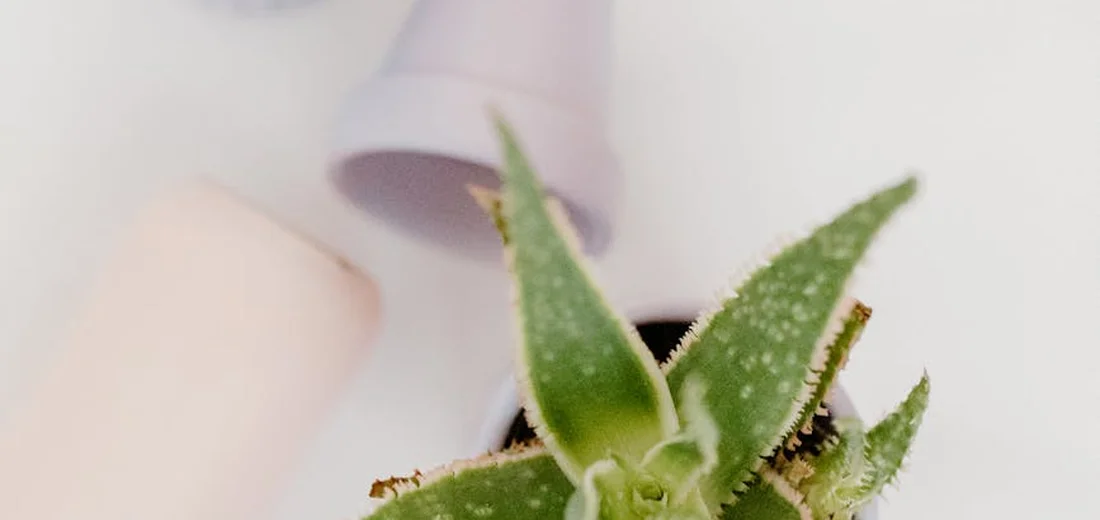
Your daily care routine is the single biggest factor in whether your succulent acts like a short-lived annual or a long-lasting perennial. I’ve kept the same jade plant thriving for over a decade simply by nailing these three core care elements. A seasonal care guide helps you adjust watering, light, and warmth as the year changes. This is how you keep your jade thriving through spring, summer, fall, and winter.
Perfecting Your Watering Routine
This is where most succulent dreams go to die. People love them too much-with water. I learned this the hard way with a beautiful echeveria that turned to mush.
The golden rule is to mimic a desert downpour: soak the soil completely, then let it dry out entirely. I stick my finger two inches into the soil; if it’s dry, it’s time for a drink.
- Water deeply until it runs out the drainage hole.
- Never let your plant sit in a saucer of water.
- In winter, I often water my succulents only once a month.
Choosing the Right Soil and Container
A succulent’s home is its castle. The wrong setup invites root rot, the number one killer.
I always use a gritty, fast-draining cactus and succulent mix and add extra perlite or pumice for good measure. This creates the airy environment their roots crave.
Your pot choice is just as critical. Here’s my simple breakdown:
- Terra Cotta Pots: My go-to. They’re porous, which helps soil dry evenly and prevents overwatering.
- Plastic or Glazed Ceramic: Retain moisture longer. Use these only if you’re confident in your watering skills.
- Drainage Hole: Non-negotiable. Without one, you’re building a swamp for your plant’s roots.
Providing Ideal Light and Temperature
Succulents are sun worshippers. Without enough light, they become weak and stretched out, a condition called etiolation.
A bright south or east-facing window is perfect for most indoor succulents. I rotate my pots a quarter turn every time I water to ensure even growth. This tip is part of the complete guide to growing outdoor succulents indoors.
When it comes to temperature, think comfortable room temps. They dislike drafts from heaters or air conditioners and absolutely cannot handle frost. If you see colors like red or purple developing on the leaf tips, that’s often a sign of “sun stress,” which is usually harmless and quite beautiful.
Extending Your Succulent’s Life Through Propagation
Even if a single rosette like a sempervivum (hen and chicks) flowers and dies, the plant itself can live on forever through propagation. It’s like giving your plant immortality!
The easiest way to start is by propagating from leaves. I gently twist a healthy, plump leaf from the stem, let the broken end callous over for a few days, then place it on top of dry soil. Mist the soil lightly every few days, and soon you’ll see tiny pink roots and a new baby plant.
For leggy plants, try stem cuttings:
- Use a clean, sharp knife to cut a healthy stem.
- Remove the lower leaves to expose a few inches of stem.
- Let the cutting dry and callous for 2-3 days.
- Plant the calloused stem in fresh succulent soil.
- Wait a week before giving it its first light watering.
Overwintering: Helping Outdoor Succulents Survive
If you grow succulents outdoors in pots, you can’t just leave them to face the winter cold. Most are not frost-hardy. Understanding cold hardiness helps you decide whether to bring them indoors or protect them outdoors with shelter, mulch, or a cold frame. Knowing the hardiness of each variety guides your overwintering choices.
My rule is to bring them indoors once nighttime temperatures consistently drop below 50°F (10°C). A sunny windowsill or under a grow light works perfectly.
For succulents planted directly in the ground, your options depend on your climate and the plant type.
- In Mild Climates: Hardy varieties like some Sedums and Sempervivums can often survive outdoors with a layer of dry mulch for protection.
- In Cold Climates: You may need to use a frost cloth or even dig up prized specimens to pot and bring inside for the season. A quick tip: stop fertilizing and reduce watering in the fall to help them prepare for dormancy.
FAQs
Are all succulents perennials?
No, while most are perennials, some varieties like monocarpic types may die after flowering or in cold climates.
What causes a succulent to act like an annual?
Exposure to frost or improper care can make a perennial succulent die after one season.
How can I tell if my succulent is perennial?
Most common succulents are perennials, but checking the specific variety’s hardiness will confirm its lifecycle.
Do succulents need special care to live for years?
Yes, providing well-draining soil, proper watering, and adequate light helps them thrive as perennials.
Can I grow succulents as annuals in cold regions?
Yes, in areas with freezing winters, tender succulents can be treated as annuals if not protected indoors.
What is the key to extending a succulent’s life?
Proper care and propagation from cuttings or leaves can help succulents live for many years.
Your Succulent Care Confidence
In short, treat your succulents as resilient perennials by focusing on their core needs for light, water, and protection. My key takeaways from years of growing them:
- Water only when the soil is completely dry to prevent root rot.
- Provide bright, indirect sunlight for at least 6 hours daily.
- Keep them in temperatures above 50°F to avoid cold damage.
You’re now ready to care for your succulents with ease and watch them thrive season after season. I’ve nurtured dozens of these plants through trial and error, and with your attention, yours will reward you with lasting beauty and growth. Are you wondering if succulents are easy to care for? This beginner-friendly complete guide will walk you through simple steps to keep them healthy and thriving.
Further Reading & Sources
- How long do succulents live? Perennials or Annuals? | THE NEXT GARDENER – Thenextgardener
- Are succulents perennials? – Gardener’s Guide – THEONEBLOOM STORE
- Succulent Plants
- Are succulents perennial plants? | Homework.Study.com
Lena Greenfield is a passionate horticulturist and plant care expert with over 10 years of experience cultivating and nurturing hardy house plants. With a deep understanding of both indoor and outdoor gardening, Lena shares practical advice on choosing, caring for, and maintaining resilient plants that flourish year-round. Through her knowledge and hands-on approach, Lena helps plant lovers transform their spaces into vibrant, green sanctuaries, no matter their gardening experience.
Types of Succulents