
How Deep to Plant Snake Plants and ZZ Plants for Healthy Growth
Published on: October 26, 2026 | Last Updated: October 26, 2026
Written By: Lena Greenfield
Are you unsure about the right planting depth for your Snake Plant or ZZ Plant? Getting this step wrong can lead to root rot or unstable growth, but with a few simple tips, you can set them up for success.
Based on my years of growing these resilient plants, I’ll guide you through why depth matters, how to measure it accurately, signs of improper planting, and easy steps for repotting.
The Golden Rule for Snake Plant and ZZ Plant Depth
After repotting hundreds of these tough plants, I’ve found one rule never fails. Plant them so the top of the rhizome-that thick, potato-like root structure-sits right at the soil surface. This gives you a perfect visual guide.
For snake plants, that often means the white base of the leaves should be just above the soil line. With ZZ plants, look for that chunky, bulbous rhizome. If you can see its very top, you’ve nailed it. If your snake plant is growing skinny leaves, it can mean the base is buried too deep or it’s not getting enough light. To fix it, replant so the white bases sit just above the soil line and give it brighter indirect light.
- Fill your pot about one-third to halfway with fresh, well-draining soil.
- Place the plant in the center and hold it at the correct height.
- The rhizome’s top should be level with the future rim of the pot.
- Backfill with soil, gently firming it around the roots.
- Leave about an inch of space between the soil and the pot’s rim for watering.
Quick Tip: After planting, give the pot a gentle side-to-side wiggle. This helps soil settle naturally around the roots without you having to pack it down too hard.
Why Planting Depth is a Matter of Life and Death
Getting the depth wrong is the number one reason I’ve seen these “unkillable” plants struggle. It directly impacts how they breathe, drink, and store energy.
The Perils of Planting Too Deep
Burying a snake plant or ZZ plant too deep is like forcing it to wear a wet sweater it can’t take off. The rhizome needs to breathe.
When buried, it stays constantly damp, leading to rot. This rot is sneaky-it starts underground, out of sight. You might not notice anything is wrong until the leaves turn to yellow, mushy pulp.
Here’s what to watch for if you suspect your plant is buried too deep:
- Leaves turning yellow from the base upward.
- A soft, mushy feel at the soil line.
- A foul, earthy smell coming from the pot.
- No new growth for many months.
If you see these signs, unpot the plant immediately. Cut away any black or squishy parts with a clean knife and repot it at the correct, shallower depth.
The Problem with Planting Too Shallow
On the other hand, planting too high exposes the root system. I’ve made this mistake myself, and the plant becomes wobbly and unstable.
Those exposed roots can’t pull moisture effectively from the soil. Your plant will dry out much faster, and the rhizome can get sun-scorched if it receives any direct light.
A too-shallow plant is a thirsty, stressed plant. Look for these clues:
- The plant rocks easily in its pot.
- Leaf tips turn brown and crispy faster than usual.
- Soil dries out in just a day or two.
- You can see pale roots on the surface of the soil.
The fix is simple: gently add more soil around the base until the rhizome is at the correct level. Quick Tip: If your plant is top-heavy and tipping over, planting it at the proper depth is the first and best step to stabilizing it.
Your Step-by-Step Guide to Perfect Snake Plant Placement
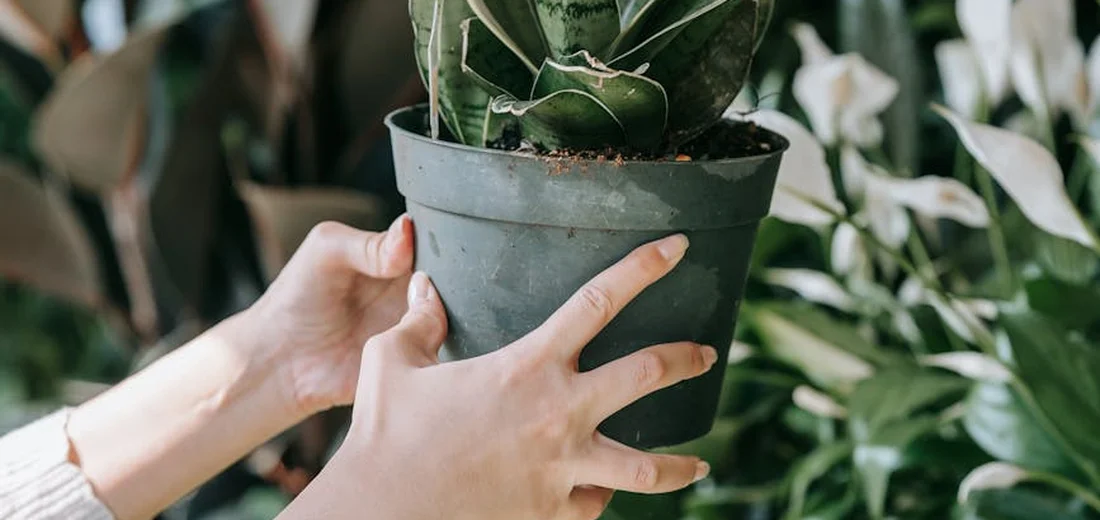
Step 1: Selecting the Right Pot and Soil Mix
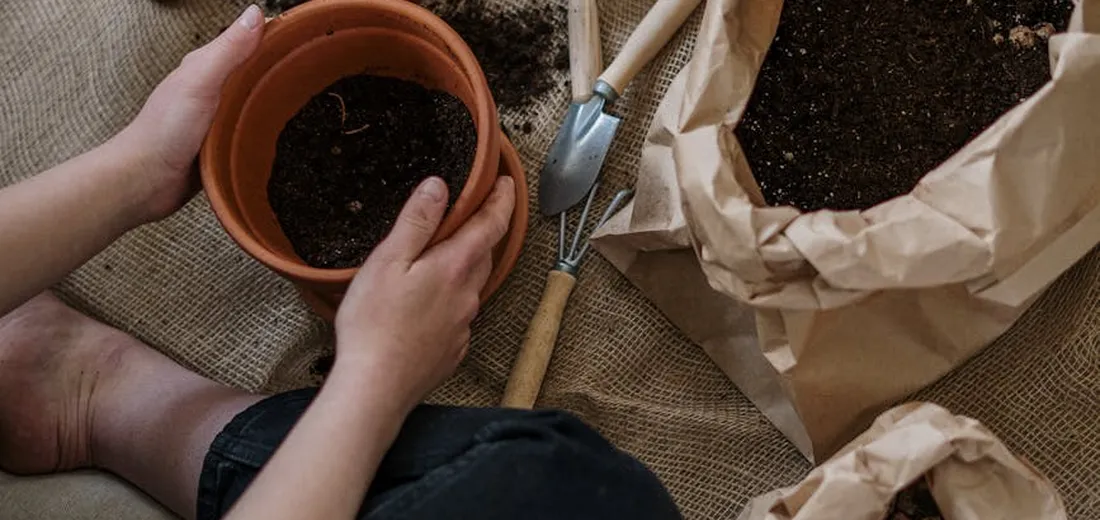
Getting the pot and soil right is the foundation for a happy snake plant. I learned this the hard way after a few plants struggled in dense, moisture-retentive mixes. Your snake plant’s pot must have a drainage hole; this is non-negotiable for preventing root rot. I prefer terracotta pots because they are porous and help the soil dry out more evenly, which these plants love.
For soil, you want a mix that is fast-draining and gritty. I make my own blend that has never failed me:
- Two parts standard potting soil
- One part perlite for aeration
- One part coarse sand or succulent mix for drainage
This combination mimics their natural, dry environment and gives those thick roots the airy home they crave.
Step 2: Positioning Your Snake Plant for Success
Now for the main event: placing your plant in its new home. The goal is to plant it at the same depth it was growing in its nursery pot. Burying the plant too deep is a common mistake that can lead to stem and leaf rot. Here’s my simple process for perfect placement every time.
- Fill your new pot about one-third full with your prepared soil mix.
- Gently remove your snake plant from its old container and lightly tease the roots apart if they are tightly wound.
- Place the plant in the center of the new pot. The base of the leaves, where the green meets the soil, should sit about an inch below the pot’s rim.
- Hold the plant steady with one hand and use the other to backfill soil around the roots, gently firming it as you go.
- Stop adding soil when you reach the original soil line on the plant’s stem. You should not be piling new soil onto the leaves.
A quick tip: after planting, I give the pot a gentle tap on the table to help settle the soil and eliminate large air pockets.
Your Step-by-Step Guide to Perfect ZZ Plant Placement
Key Differences in ZZ Plant Root Systems
ZZ plants play by a slightly different rulebook than snake plants, all because of their unique root structures. While a snake plant has classic, thick rhizomes, a ZZ plant grows from large, potato-like tubers called rhizomes that store water. These rhizomes like to sit right at the soil surface or even slightly exposed, as if they’re sunbathing. Burying them too deep traps moisture and can cause them to rot surprisingly fast. In this zz plant vs snake plant detailed comparison guide, we’ll compare how these root structures influence watering needs and overall care. This will help you decide which plant fits your space and routine.
When I repot my ZZ plants, I treat their tubers with extra care. I make sure they are nestled just under a thin layer of soil, never buried more than an inch deep. You often see the tops of these pale tubers peeking out, and that is completely normal and healthy. This shallow planting encourages the rhizomes to breathe and helps the plant manage its water reserves effectively, preventing overwatering issues before they start.
Troubleshooting Common Depth-Related Problems
I’ve seen many plants struggle simply because they were tucked a little too far into their pots. The most common sign of a plant buried too deep is a sudden, mushy collapse at the base, even when the soil feels dry. To support ongoing health, perform a soil test and interpret results to guide nutrients and pH for optimal plant health. Interpreting those results helps you tailor care beyond depth and watering.
Rescuing a Planted-Too-Deep Snake Plant
I once rescued a gorgeous ‘Moonshine’ snake plant that was slowly yellowing from the center out. The problem was entirely below the soil line. Here is my process for fixing this issue.
- Gently remove the entire plant from its pot. Brush away the soil to expose the base of the leaves and the root system.
- Inspect the rhizome (the thick, light-colored stem) and the leaf bases. Look for any soft, brown, or mushy spots. These areas are likely rotting.
- Using clean, sharp scissors, cut away any rotten material. It’s better to be thorough here to prevent the rot from spreading.
- Let the plant sit out on a paper towel for a day. This allows the cut areas to callous over, which protects it when you repot.
- Choose a new, clean pot with excellent drainage. Repot the plant, making sure the rhizome and the very base of the leaves sit right at the soil surface. The soil should just kiss the bottom of the leaves.
- Wait about a week before giving it a light watering. This gives the roots time to settle without being stressed by moisture.
Quick Tip: A plant that’s too deep holds moisture against its base, creating a perfect environment for rot. Raising it up is like giving it a breath of fresh air.
How Deep to Plant During Propagation
Getting the depth right from the very start gives your new plant babies the best chance to thrive. I’ve learned this through plenty of trial and error with leaf cuttings and divisions.
Snake Plant Leaf Cutting Depth
Propagating snake plants from leaf cuttings is incredibly rewarding. The key is to not get impatient and bury the cutting. With correct technique, cut snake plant leaves can root and form new plants.
- Take a healthy leaf and cut it into sections about 3-4 inches long.
- Remember which end was the bottom! The end that was closest to the soil is the end you will plant.
- Let the cut ends dry and form a callous for a day or two. This is a non-negotiable step to prevent rot.
- Stick the calloused end into a moist, well-draining potting mix. I use a cactus mix with extra perlite.
- You only need to insert the cutting about an inch deep. That’s it! Just deep enough for it to stand upright on its own.
The cutting gets its energy from the stored nutrients in the leaf piece, not from being buried deep. A shallow planting encourages the new roots and pup to emerge without fighting through a heavy layer of soil.
ZZ Plant Division and Rhizome Placement
Dividing a ZZ plant is my preferred method because it’s fast and you get a mature-looking plant right away. The trick is all in handling the potato-like rhizomes.
- When you unpot the plant, you’ll see thick, bulbous rhizomes connected by smaller roots.
- Gently tease the rhizomes apart. You can often do this by hand, but a clean, sharp knife might be needed for stubborn connections.
- Each new division should have at least one healthy rhizome and a few stems attached.
- Plant each division in its own pot. Position the rhizome just below the soil surface.
- Think of tucking it in for a nap, not burying it alive. The top of the rhizome can even be slightly visible.
This shallow placement allows the rhizome to breathe and sense when it’s time to send up new shoots. Burying it too deep can smother it and delay new growth significantly.
FAQs
How deep do snake plant roots typically grow?
Snake plant roots are shallow, usually extending only 2-3 inches deep but spreading widely horizontally.
What is the ideal pot depth for indoor snake plants?
A pot depth of 6-8 inches is sufficient for most snake plants, allowing room for their shallow roots without promoting rot. This is part of a step-by-step guide on choosing the right pot size for snake plants. It helps you balance depth, drainage, and stability.
How does pot depth affect watering frequency for snake plants?
Deeper pots hold moisture longer, so snake plants in deep pots may require less frequent watering to prevent overwatering. In our best pot types snake plants complete guide, we highlight which containers balance moisture retention and drainage. This helps tailor watering and care for your plant.
What are common causes of snake plant death aside from improper planting depth?
Overwatering, pest infestations, and extreme temperature fluctuations are frequent causes of snake plant death.
Do snake plants bloom, and is it a sign of death?
Snake plants can bloom with fragrant flowers, but it is not a death signal and often occurs in mature, healthy plants. These plants can live for many years, even decades, with proper care, and flowering usually occurs only after the plant has aged for several years.
What do plant enthusiasts commonly recommend about pot depth for snake plants on platforms like Reddit?
Enthusiasts often suggest using shallow pots to mimic natural growth conditions and reduce the risk of overwatering.
Ready to Pot Your Snake Plant or ZZ Plant?
Remember, the golden rule is to plant them at the same depth they were growing in their nursery pot, ensuring the top of the root ball is just below the soil surface. Getting the depth right prevents rot and gives your plant the stable foundation it needs to thrive. Your quick checklist is simple: match the original soil line, use a well-draining succulent mix, and water sparingly after repotting. Learn how to repot succulents properly to keep them healthy and vibrant.
You’ve got this! I’ve found that these are some of the most forgiving plants you can own, so don’t be nervous. Trust your instincts, give them a cozy new home with the right depth, and enjoy watching them grow with confidence.
Further Reading & Sources
- r/houseplants on Reddit: How deep are the roots of a snake plant supposed to?
- How Deep Should You Plant A Snake Plant? • We Tested
- How Deep To Plant Snake Plant For Healthy Growth
- Snake Plants: How to Care for Snake Plants (Sansevieria or Mother-in-Law’s Tongue) | The Old Farmer’s Almanac
Lena Greenfield is a passionate horticulturist and plant care expert with over 10 years of experience cultivating and nurturing hardy house plants. With a deep understanding of both indoor and outdoor gardening, Lena shares practical advice on choosing, caring for, and maintaining resilient plants that flourish year-round. Through her knowledge and hands-on approach, Lena helps plant lovers transform their spaces into vibrant, green sanctuaries, no matter their gardening experience.
Repotting Guidelines