
How to Clean Succulents and Remove Dust and Dirt Safely
Published on: March 23, 2026 | Last Updated: March 23, 2026
Written By: Lena Greenfield
Are your succulents looking a little dusty and dull? You’re not alone, and the good news is that cleaning them is a simple, safe process. Many plant parents worry about harming their plants, but with the right technique, you can restore their vibrant appearance without any risk.
I’ve cleaned hundreds of my own succulents over the years, and I’ll guide you through the entire process. You’ll learn the best tools to use, step-by-step cleaning methods for different succulent types, and the crucial drying steps to prevent rot.
Why Gentle Cleaning is a Must for Your Succulents
I learned the hard way that scrubbing a succulent like a dirty dish is a fast way to ruin it. Succulent leaves are not just leaves; they’re delicate water reservoirs with a protective skin called a farina. This powdery, bluish coating is the plant’s built-in sunscreen and moisture lock, and once you wipe it off, it’s gone for good.
A dusty plant isn’t just an eyesore. That layer of grime acts like a tiny blanket, blocking the sunlight your succulent needs to create its own food. Sometimes that dusty look is farina—a natural coating some succulents carry, not grime. Understanding which it is explains how to clean it properly. Think of it as trying to eat a meal with a cloth over your face-it’s possible, but it’s a real struggle for the plant. A clean plant is a happy, efficiently photosynthesizing plant.
I also see many new plant parents accidentally cause rot. They use a wet cloth and leave water sitting in the tight rosettes of succulents like Echeverias. That stagnant water is a welcome mat for fungal and bacterial infections. That’s a common succulent watering mistake to avoid: don’t let moisture sit in the rosettes. Water sparingly and make sure the soil dries out between waterings. Avoid common succulent watering mistakes. Gentle cleaning is all about removing the dust without inviting a bigger problem.
Your Safe Cleaning Toolkit: Simple Tools You Already Own
You don’t need a fancy kit from a garden center. Over the years, I’ve found the most effective tools are probably already in your home. The goal is to use soft, dry methods first and only introduce moisture as a last, careful resort. This approach has saved so many of my plants from unnecessary stress.
The Best Brushes for Delicate Succulent Leaves
Brushes are my go-to for a quick, dry clean. They’re perfect for dislodging dust without harming the farina.
- Soft Makeup Brushes: A large, fluffy powder brush is my absolute favorite. It’s gentle enough for the most delicate Farina-covered succulents and gets into all the nooks.
- Clean Paintbrushes: A small, soft-bristled artist’s brush is fantastic for getting between the tightly packed leaves of a Haworthia or between the spines of a cactus.
- A New Soft-Bristle Toothbrush: This is your tool for slightly more stubborn dirt on hardier succulents like Jade plants. Use a very light touch and gentle, flicking motions.
Quick Tip: Always test your brush on a single, less-visible leaf first to ensure it doesn’t damage the plant’s surface.
Choosing the Right Water for a Safe Wipe-Down
Sometimes, a dry brush isn’t enough, especially for sticky residues or heavy grime. When you must use water, your choice matters.
- Distilled or Rainwater is Best: Tap water contains minerals that can leave unsightly white spots on the leaves as it evaporates. I keep a bottle of distilled water specifically for my plants.
- If Using Tap Water, Let it Sit: If you must use tap water, fill your spray bottle and let it sit uncovered for 24 hours. This allows some of the chemicals, like chlorine, to dissipate.
- Always Use a Soft Cloth: A microfiber cloth is ideal because it’s super soft and absorbent. Moisten the cloth lightly-it should be damp, not dripping wet.
Gently support the leaf from underneath with one hand and wipe with the other, being careful not to press too hard. Never pour or spray water directly onto the plant’s center; always apply it to the cloth first. This method has kept my succulents spot-free and healthy for years.
Step-by-Step: How to Dry Clean Your Succulents
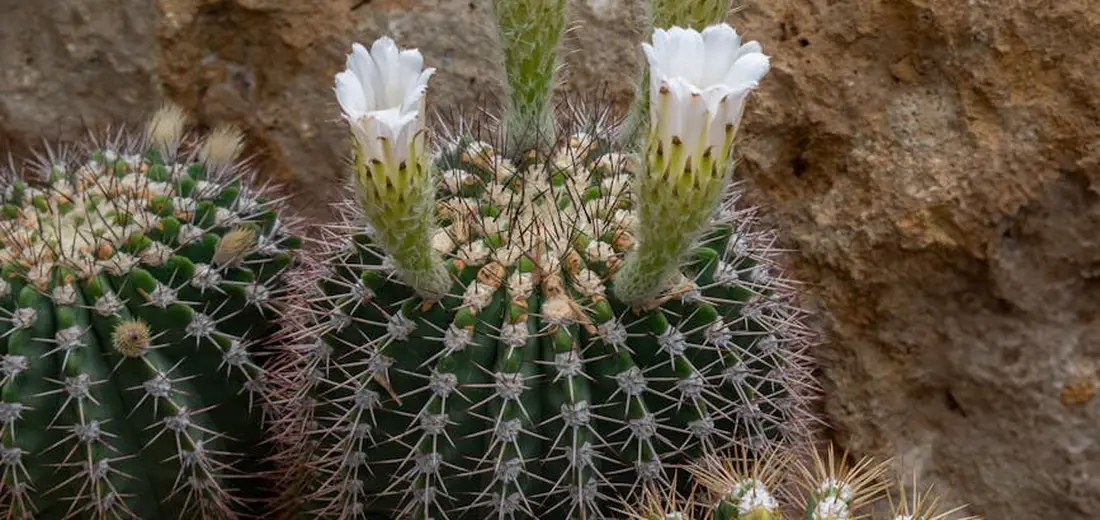
- Step 1: Gently brush away loose dust from the center outward. I use a soft paintbrush for this, as it lets me control the pressure and avoid damaging delicate leaves.
- Step 2: Use a dry microfiber cloth for smooth-leaved varieties. This picks up dust without scratching, and I find it works great on plants like echeverias.
- Step 3: Check the undersides of leaves and tight spaces for hidden dirt. I often spot pests or debris here, so a quick peek keeps my succulents healthy.
- Step 4: Use gentle air flow (like your breath) to dislodge debris from crevices. A soft puff avoids blowing soil everywhere and is safer than compressed air.
When and How to Use a Damp Cloth for Stubborn Dirt
Dry cleaning doesn’t always remove sticky or caked-on dirt. I turn to a damp cloth for succulents with smooth leaves, like jade plants, but skip it for fuzzy types to prevent mold. This method adds a touch of moisture without overwatering.
Start by dampening a soft, lint-free cloth with clean water. Wring it out thoroughly so it feels barely damp-this prevents water from pooling and causing rot. Gently wipe each leaf from the base to the tip, using light pressure.
In my experience, this restores shine without harm. After wiping, I place the succulent in a breezy spot to air dry completely before returning it to its home. Always test on one leaf first if you’re unsure.
- Use distilled water to avoid white spots from minerals.
- Clean in the morning so leaves dry faster with daylight.
Quick tip: A damp cloth can revive dusty succulents quickly, making them photos ready and boosting their light absorption for growth. I do this monthly for my indoor collection to keep them thriving. To keep succulents small, compact, and healthy, regular dusting helps prevent debris buildup. It also supports tidy, compact growth.
Special Care for Fuzzy or Farina-Covered Succulents

Cleaning a fuzzy succulent like a Panda Plant or one with a precious powdery coating (farina) like an Echeveria requires a much softer approach. I learned this the hard way after accidentally rubbing the beautiful “bloom” off a new succulent, leaving permanent finger marks. That waxy, dusty-looking coating is the plant’s natural sunscreen and waterproofer, and it doesn’t grow back.
Handling Succulents with Tight Rosettes
Succulents like Sempervivum (Hens and Chicks) grow in incredibly tight formations, making it a challenge to get dust out from between the leaves. For these and any fuzzy or farina-covered plants, forget the spray bottle and soft cloth.
Your best tool is a dry, ultra-soft makeup brush or a small, clean paintbrush. I keep a dedicated fluffy brush in my plant care kit for this exact job.
- Gently hold the base of the rosette steady with one hand.
- Using the brush, lightly sweep from the base of the leaves outward to the tips, following their natural growth direction.
- Use a puffing motion to dislodge debris from the center without touching it directly.
Never try to pry apart tight leaves or use any moisture, as trapped water will lead to rapid rot. A little dust deep in the center is far better than a soggy, decaying plant.
Turning Cleaning into a Routine Pest Check
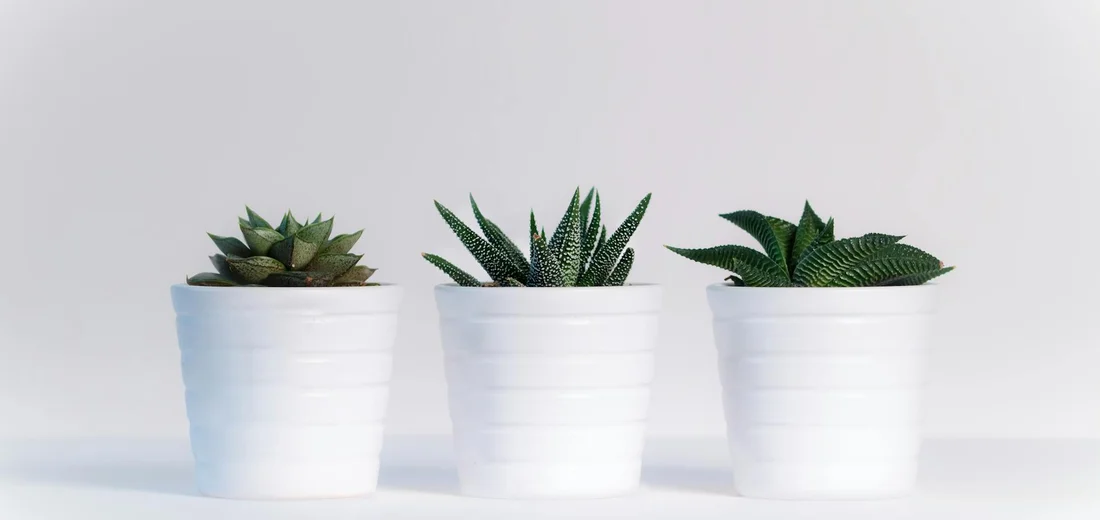
Every time you clean your succulents, you have a perfect opportunity to play plant detective. I’ve caught more early-stage pest infestations during a simple cleaning session than at any other time. Hold your plant up to a good light source and inspect every nook. This routine helps you spot common succulent pests early—mealybugs, scale, and aphids. It also sets you up for quick treatment and prevention.
Look for these common culprits while you wipe or brush:
- Mealybugs: They look like tiny bits of fluffy white cotton, often hiding in leaf axils (where the leaf meets the stem).
- Spider Mites: Check for very fine, delicate webbing between leaves and stems, along with a stippled or dusty look on the leaf surface.
- Scale: Appear as small, flat or bumpy brown, white, or tan spots that seem stuck to the leaves and stems.
If you spot any pests, immediately isolate that plant from your others. For a small infestation, dip a cotton swab in isopropyl alcohol and dab it directly on the pest to dissolve its protective coating. Regular cleaning and inspecting is your single best defense against a full-blown pest takeover.
My Top Tips for Keeping Succulents Naturally Clean

-
Maintain good air circulation around your plants to reduce dust settling.
Stagnant air is a dust magnet. I keep a small, gentle fan oscillating in my plant room, and the difference in how quickly dust builds up is incredible. Good airflow not only keeps leaves cleaner but also helps prevent pests and fungal issues, making it a simple, two-for-one win for plant health.
-
Incorporate a light dusting into your regular watering schedule.
Every time I check my plants for water, I give the leaves a quick visual inspection and a gentle wipe with a soft brush if needed. This habit means dust never has a chance to build up into a thick, light-blocking layer. Quick tip: Keep a dedicated, soft makeup brush right with your watering can to make this effortless.
-
Position plants away from dusty air vents or high-traffic areas.
I learned this the hard way after placing a beautiful Echeveria directly under an AC vent. It was constantly coated in a fine grime. Now, I’m mindful of placing my succulents on shelves or in corners away from forced air and the dust clouds kicked up from frequently opened doors. Light, gentle airflow around the plants helps keep surfaces drier and reduces fungal risk. In short, controlled air movement is a simple way to prevent succulent diseases.
FAQs
How often should I clean my succulents?
Clean your succulents every few weeks or when dust is visible to keep them healthy and photosynthesizing efficiently. To avoid killing your succulents, water sparingly and use well-draining soil. These essential care tips will help your plants thrive.
Is it safe to use leaf shine products on succulents?
Avoid leaf shine products as they can clog pores and harm the plant’s natural protective coatings.
What should I do if I accidentally damage a leaf while cleaning?
Gently remove the damaged leaf and allow the plant to heal in a well-ventilated area to prevent infection.
Can I clean my succulents with a hairdryer on a cool setting?
Do not use a hairdryer, as even cool air can be too harsh and may dislodge farina or damage delicate leaves.
How do I clean succulents in a mixed plant arrangement?
Use a soft brush to target each succulent individually, taking care not to disturb neighboring plants or soil.
What are the signs that my succulent needs immediate cleaning?
If you notice a thick layer of dust, sticky residue, or reduced growth, clean your succulent promptly to restore its health. If you are unsure how to handle any mold or fungus on your plants, make sure to follow the right treatment methods.
Keep Your Succulents Sparkling Clean
Keeping your succulents clean is a simple matter of using soft tools and gentle methods; stick to a soft brush or a light spray of water, always let the plant dry completely in bright, indirect light, and avoid harsh chemicals. Your main goal is to remove dust without harming the plant’s delicate, protective farina coating. Regular cleaning helps you notice color changes early, which helps maintain vibrant succulent colors. Pair this with proper light and seasonal care to keep colors bright.
- Use a soft-bristled brush or a gentle air stream.
- Clean with room-temperature water and allow for thorough drying.
- Inspect for pests during your cleaning routine.
You now have all the simple, safe techniques to give your succulent collection the glow-up it deserves. Go give your plants a little spa day—they will reward you with brighter colors and healthier growth. For best results, pair these tips with grow lights to keep succulents thriving indoors. When used correctly, grow lights deliver steady, balanced light for healthy growth. You’ve got this!
Further Reading & Sources
- r/succulents on Reddit: How to clean and polish leaves to make them shiny?
- How to clean your Cacti & Succulents – Desert Plants Of Avalon
- Cleaning up your succulents and propagating them
- How to Care for Succulents (And Not Kill Them): 9 Plant Care Tips | Architectural Digest
Lena Greenfield is a passionate horticulturist and plant care expert with over 10 years of experience cultivating and nurturing hardy house plants. With a deep understanding of both indoor and outdoor gardening, Lena shares practical advice on choosing, caring for, and maintaining resilient plants that flourish year-round. Through her knowledge and hands-on approach, Lena helps plant lovers transform their spaces into vibrant, green sanctuaries, no matter their gardening experience.
Watering Techniques