
Is Moss Good for Succulent Soil and Planting?
You’ve probably seen those gorgeous succulent arrangements topped with a lush carpet of green moss and wondered if it’s a good idea to try it yourself. While moss looks beautiful, it can spell disaster for your succulents if used incorrectly in their soil mix.
I’ve learned this the hard way after years of growing succulents, and I’ll walk you through exactly when moss helps and when it harms. We’ll cover why moss creates a moisture trap for succulents, which soil ingredients actually work better, and how to safely use moss for purely decorative purposes without risking your plants’ health.
Understanding Different Moss Types for Succulents
Not all moss is created equal, and choosing the wrong type can be a fast track to a mushy, unhappy succulent. I’ve learned through trial and error that texture, water retention, and pH are the three most critical factors to consider. Let’s break down the two you’ll most commonly encounter.
- Sphagnum Moss: This is the long-fibered, fluffy moss you often see in bags at the garden center. It feels light and airy, holds a massive amount of water like a sponge, and is naturally acidic. I find it’s best reserved for specific situations, like propagating succulent leaves or stems that need consistent, gentle moisture to root.
- Peat Moss: This is the finely ground, dense material that’s a common ingredient in many potting soils. It’s even more water-retentive and acidic than sphagnum moss. In my experience, it’s the most problematic for mature succulents because it compacts into a hard, dense mat that suffocates roots and holds water for far too long.
Sphagnum Moss for Succulent Care
I love using sphagnum moss for propagating tricky succulents like String of Pearls or delicate leaf cuttings. Its airy structure creates a humid microclimate around the cutting without making it sit in soggy soil, which dramatically increases my success rate when propagating succulents from leaves and cuttings. A pro tip I picked up: always give dried sphagnum a good soak and then squeeze out the excess water before using it. This rehydrates it evenly and cuts down on the annoying, powdery dust that gets everywhere.
Peat Moss in Succulent Soil Mixes
I used to buy generic “cactus and succulent” soil only to find it was mostly peat moss. I learned the hard way that peat becomes hydrophobic when it’s bone dry, causing water to run straight through the pot without wetting the roots, and then it turns into a swamp once it finally absorbs moisture. These are common succulent soil problems that many growers face. The fixes are straightforward: improve drainage and aeration with gritty amendments. To fix this, I now make my own mix. If I have a bag of peat-based soil, I’ll amend it heavily with at least 50% gritty materials like perlite, pumice, or coarse sand to break up that dense, water-logging structure and improve aeration for the roots.
Pros and Cons of Using Moss with Succulents
Using moss is a bit of a gardening gamble. Knowing the potential rewards and pitfalls will help you decide if it’s a good fit for your plant parenting style. Here’s my honest take based on what has thrived and what hasn’t on my own shelves.
-
Potential Benefits
- Humidity for Propagation: A layer of moist sphagnum moss in a propagation tray provides the perfect, consistent humidity for baby succulent cuttings to sprout roots. I’ve had leaf props root weeks faster this way.
- Decorative Top Dressing: A thin layer of dried, decorative moss like reindeer moss on top of the soil looks beautiful and can help prevent soil from splashing out during watering. Just be sure the soil beneath dries out completely between waterings.
- Temporary Moisture for Stressed Plants: For a succulent that’s been severely underwatered and has shriveled leaves, I’ll sometimes nestle its pot on a bed of damp sphagnum to provide a gentle humidity boost as it recovers.
-
Significant Risks
- Root Rot is the Biggest Threat: The number one killer of succulents is overwatering, and moss is a primary accomplice. Its incredible water-holding capacity keeps the roots wet for days, leading to rot. I lost a beautiful Echeveria ‘Perle von Nurnberg’ this way before I understood the risk.
- Soil Compaction: Over time, especially with peat moss, the material breaks down and compacts, squeezing all the air pockets out of the soil. Succulent roots need to breathe, and compacted soil essentially suffocates them.
- Acidic pH Can Be a Problem: Most moss is quite acidic, while many succulents prefer a more neutral to slightly acidic pH. Long-term use can slowly alter the soil chemistry in a way that some plants don’t appreciate.
Step-by-Step Guide to Adding Moss to Succulent Soil
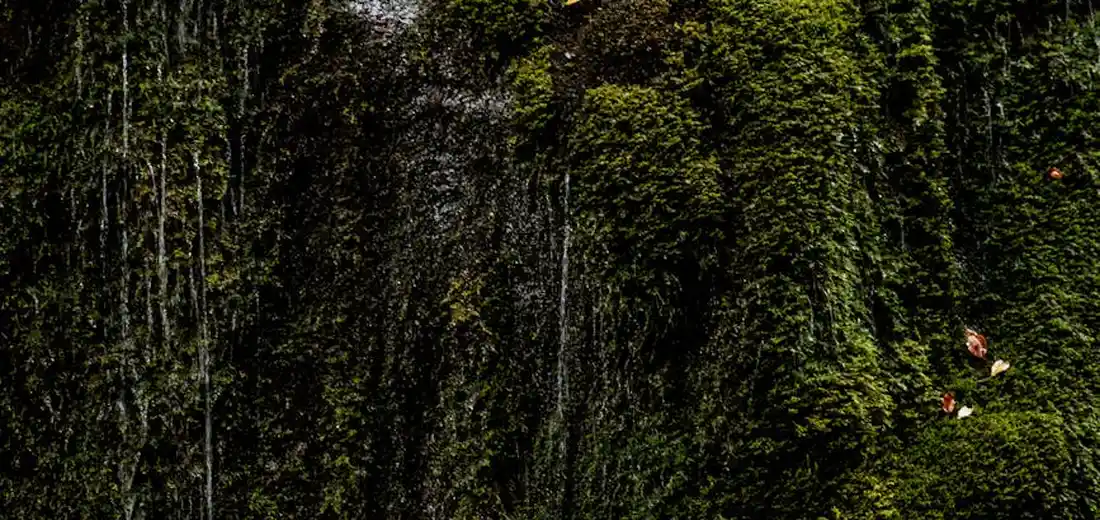
Mixing moss into your succulent’s home is a delicate process. Getting the ratio wrong is the fastest way to drown your plant’s roots, so precision is key. Incorrect watering can be especially problematic for succulents in terrariums. Here’s the method I’ve refined after a few unfortunate, soggy experiments.
- Choose the right moss. I always use a small amount of dried, shredded sphagnum moss. Avoid fresh, green mosses from your yard as they hold too much moisture and can introduce pests.
- Prepare your pot. This step is non-negotiable. Your container must have a drainage hole. I place a piece of broken pottery or a mesh screen over the hole to keep the soil from washing out.
- Mix your amendments. In a separate container, I combine my moss with inorganic materials. My go-to ratio is one part moss to three parts of a mix containing perlite, coarse sand, and pumice. This creates air pockets.
- Layer the bottom. Before adding any soil mix, I put a one-inch layer of pure pumice or perlite at the bottom of the pot. This acts as a reservoir for excess water, keeping it far from the roots.
- Combine with your base soil. I gently mix my moss and amendment blend into a well-draining cactus or succulent potting soil. The final mix should feel loose and gritty, not dense or spongy.
- Plant and wait. After planting your succulent, wait at least a week before you even think about watering. This gives any disturbed roots time to heal and prevents rot.
Moss as a Top Dressing for Succulents
A thin layer of moss on top of the soil can look fantastic in a decorative pot. This living carpet prevents the topsoil from forming a hard, water-resistant crust, allowing moisture to penetrate more evenly when you do water. I use this trick for my photo-ready succulents on the mantel.
- Apply a very thin layer, just enough to cover the soil. A thick mat will trap too much evaporation.
- Your watering schedule must change. With a moss topping, the soil beneath will stay moist for much longer. I always check the soil an inch down with my finger before watering.
- Be extra vigilant with pots that have less than ideal airflow. In my experience, ceramic pots with moss dressing need far less water than terracotta ones.
Moss in DIY Succulent Soil Blends
Creating your own soil blend gives you complete control. My favorite simple recipe uses moss not as a main ingredient, but as a moisture-wicking teammate for the gritty stuff. It helps create a more structured, less compactable mix.
- The Recipe: Combine two parts cactus potting soil, one part coarse sand (horticultural, not from the beach!), one part pumice, and a half-part of shredded sphagnum moss.
- Mix everything thoroughly in a large tub while the components are dry. You want every scoop to have the same consistency.
- Always test your mix before using it. I take a handful, squeeze it, and then open my palm. The mix should immediately crumble apart. If it holds the shape of your hand, it’s too dense and needs more pumice or sand.
Moss in Succulent Terrariums and Containers
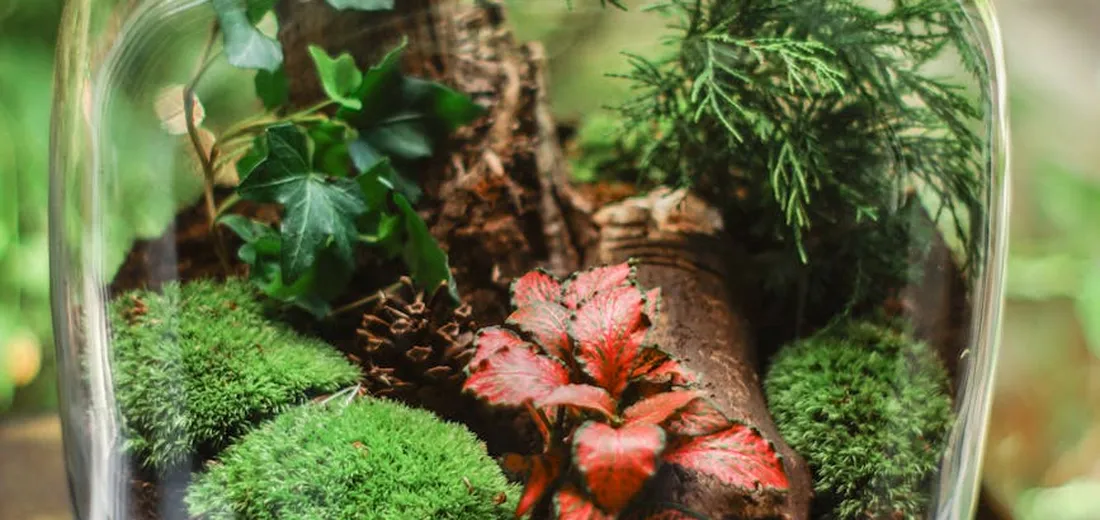
Terrariums are a beautiful but tricky environment. Moss will dramatically increase the humidity inside a closed container, creating a spa-like atmosphere that most succulents despise. From building many terrariums, I’ve learned it’s all about pairing the right plants. Balance comes from managing humidity and air circulation. Good ventilation is key, whether you’re working with a small terrarium or a larger greenhouse.
- Do use moss with humidity-tolerant succulents like Haworthia or Gasteria. They can handle the moister air.
- Don’t ever pair moss with desert cacti or Echeveria in a closed terrarium. They will almost certainly rot.
- Do use an open-terrarium style container, like a fishbowl with a wide opening, to allow for better air circulation if you insist on using moss.
- Don’t forget to water very sparingly. In an enclosed space, water cycles are long. I often just mist the sides and the moss lightly instead of pouring water into the soil.
Comparing Moss to Traditional Succulent Soil Ingredients
I often get asked if swapping traditional ingredients for moss is a good idea. My experience has taught me that while moss has its place, it’s not a direct substitute for the materials that keep succulents thriving. This is the kind of practical insight you’ll find in my best fertilizer succulents complete guide. It helps you see which nutrients really fuel thriving succulents and why moss isn’t a substitute for the right fertilizer. Let’s break down how it stacks up against the usual suspects.
| Ingredient | Drainage | Moisture Retention | Root Health Impact |
|---|---|---|---|
| Sphagnum Moss | Poor | Very High | High risk of rot; holds too much water against roots. |
| Perlite | Excellent | Very Low | Promotes fantastic airflow; prevents soil compaction. |
| Gravel/Sand | Good | Low | Adds weight and improves drainage, but doesn’t aerate. |
| Cactus & Succulent Soil | Good (when amended) | Low to Moderate | A good base, but I always mix in extra perlite for safety. |
Looking at that table, the problem with moss becomes crystal clear. Succulent roots need to dry out quickly and breathe easily, something moss actively works against. My personal potting mix recipe reflects this priority for airflow above all else.
- My Go-To Mix: 2 parts cactus soil, 1 part perlite, and 1 part coarse sand or small gravel.
- Why I Love It: This combination is virtually impossible to overwater. It drains in seconds and leaves plenty of air pockets for the roots.
- Where Moss Fits In: I only use a tiny sprinkle of dried moss on the very topsoil as a decorative topping, never mixed into the soil itself.
Troubleshooting Moss-Related Issues in Succulent Plantings
If you’ve already used moss and are seeing problems, don’t panic. I’ve been there myself. Catching these issues early is the key to saving your plant from root rot. Follow these steps to get things back on track.
-
Identify the Problem Signs
Look for yellowing, translucent, or mushy leaves at the bottom of the plant. If the moss on top is constantly damp or has a greenish tint, that’s a major red flag. A healthy succulent’s soil should feel completely dry an inch or two down between waterings. If you notice yellowing or drooping beyond these signs, it’s a cue to start troubleshooting common succulent problems such as overwatering, root rot, or insufficient light.
-
Remove the Plant and Inspect the Roots
Gently tip the plant out of its pot. Shake off the old soil and moss. Healthy roots are firm and white or light tan. Rotted roots will be dark brown, black, mushy, and might smell bad.
-
Perform Root Surgery
Using clean, sharp scissors, snip off all the rotted roots. Be ruthless here-any rot left behind will spread. If the stem is also mushy, cut it back until you see healthy, green tissue.
-
Let it Callus and Repot
Leave the plant with its trimmed roots out of soil for a day or two to let the cuts dry and form a callus. Then, repot it in a fresh, well-draining mix (like the one I shared above) and a pot with a drainage hole.
-
Hold Off on Watering
Do not water your repotted succulent for at least a week. This gives the roots time to settle and recover without being stressed by moisture. When in doubt, wait another few days before giving it its first drink.
Quick Tip: Stick your finger into the soil up to your second knuckle. If it feels cool or damp, your succulent does not need water. This simple touch test has saved more of my plants than any fancy gadget. There are other telltale signs your succulent needs water, like wrinkled leaves. These symptoms help you know when to water.
I learned the hard way that a moisture meter is a worthwhile investment if you’re unsure. They take the guesswork out of watering and can prevent a moss-induced overwatering disaster before it starts.
FAQs
Is moss generally good for succulent soil?
No, moss can retain too much moisture and lead to root rot in succulents.
How can I incorporate moss into a DIY succulent soil mix?
Mix a small amount of shredded sphagnum moss with gritty materials like perlite and sand to improve structure.
Is using moss with indoor succulents recommended?
Indoors, moss can increase humidity, which may not be ideal for most succulents unless used carefully.
When is sphagnum moss appropriate for succulent care?
Sphagnum moss is best used for propagating succulent cuttings that need consistent moisture.
Are there any benefits to using peat moss with succulents?
Peat moss is not recommended as it compacts and holds water, increasing the risk of root suffocation.
How does moss impact succulents in a terrarium setting?
In terrariums, moss raises humidity levels, which can be harmful to succulents that prefer dry conditions.
Final Thoughts on Moss and Succulents
Ultimately, while moss isn’t a good primary ingredient for most succulent soil mixes, it can be useful in small, specific roles like helping cuttings root or as a temporary decorative top dressing. Stick to a fast-draining succulent mix for your main plantings and save the moss for special projects.
You’ve got this! With this knowledge, you can make the best choices for your plant collection and watch your succulents thrive with confidence.
Further Reading & Sources
- Using Sphagnum Moss with Succulent Plants – Youngs
- Succulent Soil: The Ultimate Guide – Mountain Crest Gardens
- Best Soil For Succulents | Ultimate Guide | Planet Desert
- How to Plant Succulents – Leaf & Clay
Lena Greenfield is a passionate horticulturist and plant care expert with over 10 years of experience cultivating and nurturing hardy house plants. With a deep understanding of both indoor and outdoor gardening, Lena shares practical advice on choosing, caring for, and maintaining resilient plants that flourish year-round. Through her knowledge and hands-on approach, Lena helps plant lovers transform their spaces into vibrant, green sanctuaries, no matter their gardening experience.
Soil Types