
How Much Soil Do Succulents Really Need?
You’re probably wondering exactly how much soil your succulents need to stay healthy and happy. This is a common concern because too little soil can leave roots exposed, while too much can trap moisture and cause rot.
In this guide, I’ll use my hands-on experience to walk you through ideal soil depth, signs of improper soil levels, simple adjustment steps, and frequent mistakes.
The Perfect Potting Mix for Succulents
Getting the soil right is the single most important thing you can do for a succulent. I’ve learned through trial and error that regular potting soil is a death sentence for these desert-loving plants. It holds onto moisture for far too long, leading to soggy roots and rot.
Succulents need a mix that is gritty, airy, and drains incredibly fast. Think of the rocky, sandy ground they naturally grow in. A good succulent mix should feel coarse in your hands and never clump together like mud.
My go-to homemade recipe is simple and has never failed me. I mix two parts potting soil with one part perlite and one part coarse sand. The potting soil gives a tiny bit of nutrient retention, while the perlite and sand create all-important air pockets and drainage. You can find pre-mixed “cactus and succulent” soil, but I often find they still need extra perlite mixed in. If you enjoy DIY, you can tailor this base into your own succulent potting mix with simple recipes.
Choosing the Right Pot for Your Succulent
The pot is your succulent’s home, and the right one makes all the difference. The number one rule is non-negotiable: your pot must have a drainage hole. I don’t care how cute a pot is; if it doesn’t have a hole, it’s a swimming pool for your plant’s roots.
Material matters almost as much as drainage. Over the years, I’ve used them all.
- Terra Cotta: My absolute favorite. These clay pots are porous, allowing the soil to dry out from the sides as well as the bottom. They are perfect for beginners and anyone prone to overwatering.
- Ceramic (Glazed): Beautiful but less forgiving. The glaze seals the pot, so water only escapes from the bottom hole. You must be extra careful with your watering schedule.
- Plastic: Lightweight and cheap, but they hold moisture the longest. If you use plastic, you must use an extra-gritty soil mix and water less frequently.
Matching Pot Depth to Your Plant
Pot depth is a detail many overlook, but it’s crucial for root health. A pot that is too deep holds wet soil below the root zone, creating a damp environment that invites rot. You want a pot that is just a little bigger than the root ball itself.
Here’s a quick guide I follow based on the type of succulent:
- Shallow Pots (2-4 inches deep): Ideal for succulents with shallow, fibrous root systems like Haworthias, Aloes, and Gasterias. They love to spread out horizontally.
- Medium Pots (4-6 inches deep): Perfect for most Echeverias, Sedums, and Jade Plants. Their root systems are more balanced and can handle a bit more depth.
- Deeper Pots (6+ inches deep): Reserved for succulents that develop a taproot or a more substantial root structure, like certain cacti or a large, mature Snake Plant.
Quick Tip: When repotting, choose a new pot that is only about an inch wider in diameter than the old one. Succulents actually enjoy being a little snug. A pot that is too large means too much soil, which stays wet for too long and stresses the plant.
How to Measure Soil Volume for a Single Pot
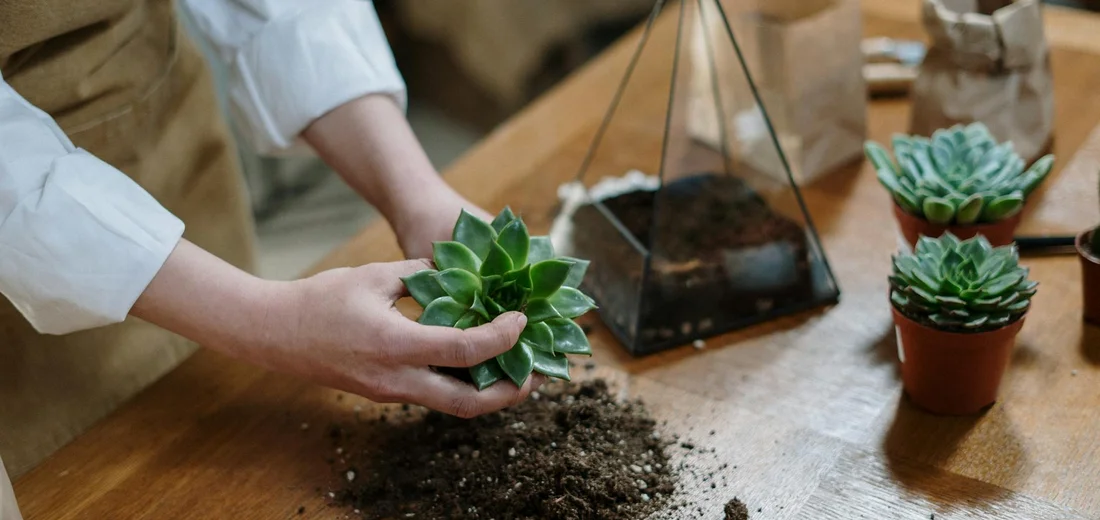
Figuring out how much soil to buy for one new pot is easier than you think. I used to guess, and I’d always end up with a mountain of leftover soil or, worse, not enough to finish repotting. The most reliable method is to treat your pot like a simple cylinder and use a little math. You don’t need to be a mathematician, I promise.
Here’s my go-to method that has never failed me:
- Measure the pot’s radius. Find the distance from the center of the pot’s top to its inner edge. If you only have the total diameter (the width across the top), just divide that number by two.
- Measure the depth. Stick your tape measure down to the bottom of the pot, not including the saucer or any rim that sticks up.
- Do the calculation. Use the formula for the volume of a cylinder: π (or 3.14) x (radius x radius) x depth. This gives you the volume in cubic inches.
Let’s say you have a standard 6-inch pot. The radius is 3 inches. A common depth is about 5.5 inches. So, 3.14 x (3 x 3) x 5.5 = 3.14 x 9 x 5.5. That equals about 155 cubic inches of soil needed.
Quick Tip: For a fast estimate, remember that a 6-inch pot usually needs about 1.5 dry quarts of soil, and an 8-inch pot needs closer to 3 quarts. This saves you from doing math at the garden center!
Most bagged soil is sold in quarts, liters, or cubic feet. There are about 57.75 cubic inches in one dry quart. So, for our 155 cubic inch pot, you’d divide 155 by 57.75, which tells you you need just under 3 dry quarts. I always round up slightly to be safe.
Buying Soil in Bulk: A Simple Guide
Once you have more than a handful of plants, buying small bags of soil becomes expensive and wasteful. I switched to buying in bulk years ago, and it’s one of the best decisions I’ve made for my plant hobby and my wallet. Purchasing a cubic yard of specialty succulent mix saved me over 60% compared to buying the equivalent in small bags.
Bulk soil typically comes by the cubic foot or cubic yard. Here’s a quick breakdown to help you visualize what you’re getting:
| Unit | Equivalent in Dry Quarts | How Many 6-Inch Pots It Fills* |
|---|---|---|
| 1 Cubic Foot | ~25.7 Dry Quarts | About 17 pots |
| 1 Cubic Yard | ~695 Dry Quarts | About 460 pots |
*Based on our earlier calculation of ~1.5 quarts per 6-inch pot.
Your main options for bulk soil are garden centers (which often sell by the bagged cubic foot or loose by the yard) and landscape supply companies (which specialize in large, loose cubic yard deliveries).
- Bagged Cubic Foot: Great for gardeners with 10-30 plants. The bags are manageable and the soil stays clean and pest-free.
- Loose Cubic Yard: The ultimate value for serious collectors or those with large outdoor succulent beds. You’ll need a wheelbarrow and space to store it.
My best advice is to find a local supplier that specializes in soil blends for cacti and succulents. The quality is often far superior to the pre-bagged stuff at big-box stores. Call ahead and ask if they have a fast-draining mix with plenty of perlite, pumice, or coarse sand. I found my favorite supplier by asking in a local gardening group. If you can’t find a local option, check here for online sources of quality succulent soil and potting mixes.
Quick Tip: Store leftover bulk soil in a heavy-duty plastic storage bin with a tight-fitting lid. This keeps moisture, bugs, and neighborhood cats out, preserving your mix for years.
Transplanting Your Succulent Successfully
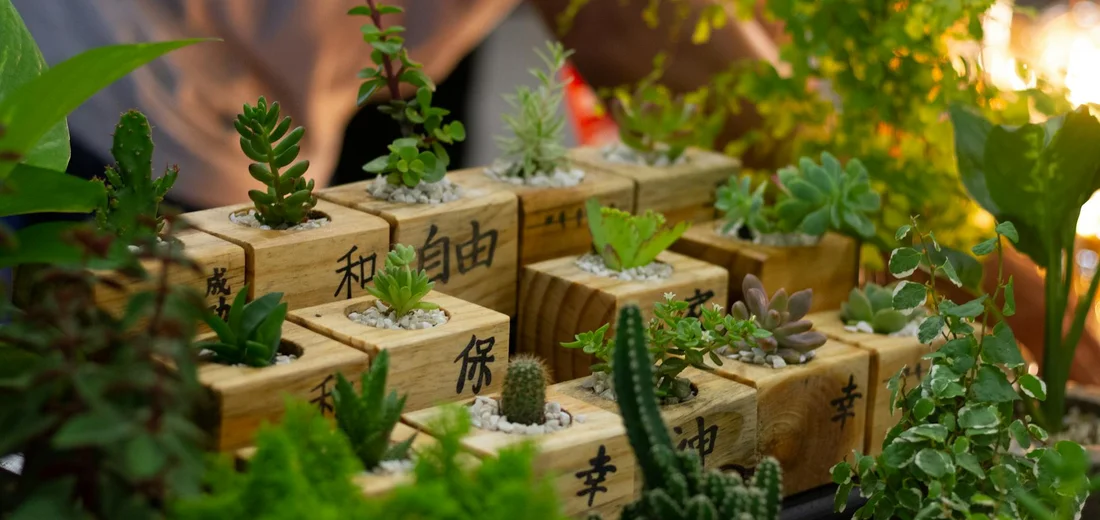
Transplanting might sound intimidating, but I’ve moved dozens of succulents over the years, and it’s a simple process that gives your plant a fresh start. The key is to handle the roots gently and choose a pot that’s just one size larger than the current one. A pot that’s too big can hold excess moisture, which succulents dislike. Learn the proper way to repot succulents to ensure their health and longevity.
When to Transplant Your Succulent
You’ll know it’s time when you see roots poking out of the drainage holes or the plant looks top-heavy. I always check my succulents every spring because that’s when they’re actively growing and can recover quickly. If the soil looks compacted or the plant hasn’t grown in months, it’s a good sign to repot.
Step-by-Step Transplanting Guide
- Gather your supplies: a new pot with drainage, fresh succulent soil mix, and gloves.
- Water the succulent lightly a day before to make removal easier.
- Tip the pot sideways and gently squeeze or tap to loosen the root ball.
- Inspect the roots for any rot-trim dark, mushy parts with clean scissors.
- Place a layer of soil in the new pot, set the plant in, and fill around it, leaving the base of the stem above the soil line.
- Wait a week before watering to let the roots settle and avoid shock.
From my experience, this method minimizes stress and helps your succulent thrive in its new home. This approach also supports transplanting and propagating succulents successfully. With a little patience, cuttings can root and establish well in their new pots. Quick tip: If the roots are tightly wound, gently tease them apart before repotting to encourage new growth.
Common Soil Mistakes and How to Fix Them
Many succulent struggles I’ve seen stem from simple soil errors. Using regular garden soil is a top mistake—it holds too much water and can suffocate roots. Succulents need airy, fast-draining mixes to prevent rot. These are common succulent soil problems—fix them for healthier plants. Here’s how to tackle them.
Overwatering and Soggy Soil
If your succulent’s leaves feel soft or turn yellow, you might be overwatering. Fix this by letting the soil dry out completely between waterings and switching to a grittier mix with perlite or sand. I once saved a jade plant by repotting it into a 50-50 blend of potting soil and coarse sand.
Incorrect Soil Depth
Planting too deep can cause stem rot, while too shallow leaves roots exposed. Aim for the soil level to sit just below the lowest leaves, covering the roots fully but keeping the stem base dry. If you’ve planted too deep, gently lift the plant and add more soil underneath.
- Mistake: Using dense, moisture-retentive soil.
- Fix: Mix in ingredients like pumice or bark to improve drainage.
- Mistake: Not refreshing soil annually, leading to nutrient depletion.
- Fix: Repot with new soil each year or top-dress with compost.
I’ve found that these adjustments make a huge difference in plant health. Quick tip: Test your soil by squeezing a handful-if it clumps, it’s too wet; if it falls apart easily, it’s perfect for succulents.
FAQs
What soil for succulents can I find at Home Depot?
Home Depot offers cactus and succulent soil mixes that you can enhance with extra perlite for improved drainage.
Does Lowe’s sell specific soil for succulents?
Lowe’s carries pre-blended cactus and succulent soils, but always verify the texture and add sand or grit if it feels too dense.
Can I buy good succulent soil at Walmart?
Walmart provides budget-friendly cactus and succulent soil options, though mixing in perlite can ensure better aeration.
What are the best succulent soils available on Amazon?
Amazon features highly-rated succulent soils with ingredients like pumice or coarse sand for superior drainage and root health. They balance organic matter with inorganic components, illustrating how organic vs inorganic elements influence moisture, aeration, and nutrient availability for different succulents. Understanding this helps you choose the right mix for your plant’s needs.
What soil is best for growing succulent seeds?
Succulent seeds need a fine, sterile mix of potting soil and coarse sand to retain moisture while preventing rot. This approach is a cornerstone of sand-based succulent soil mixes. For a complete guide on using sand in succulent soil mixes, check out our detailed resource.
What soil should I use for succulent cuttings?
Succulent cuttings root best in a lightweight, fast-draining soil mix kept slightly moist to support new growth.
Happy Planting, Happy Succulents!
The golden rule for succulent soil is simple: Choose a pot that’s just a little bigger than the plant’s roots and fill it with a fast-draining gritty mix. Remember these three things:
- Shallow pots are often better than deep ones.
- Your soil should feel gritty, not dense or muddy.
- Water deeply, but only when the soil is completely dry.
To verify drainage, do a quick test: water the mix and observe how fast it drains. If water pools or lingers, adjust with more grit or perlite for faster drainage.
You’ve got this! Trust your instincts, observe how your plant responds, and don’t be afraid to adjust your care routine. For newly propagated succulents, a quick aftercare guide helps you set them up for success. Keep the guide handy as you learn their specific needs. Your succulents will reward your confident care with beautiful, healthy growth for years to come.
Further Reading & Sources
- Best Soil For Succulents | Kellogg Garden Organics™
- Succulent Soil: The Ultimate Guide – Mountain Crest Gardens
- r/succulents on Reddit: Good succulent soil for a beginner?
- What Type of Potting Soil Do Succulents Need?
Lena Greenfield is a passionate horticulturist and plant care expert with over 10 years of experience cultivating and nurturing hardy house plants. With a deep understanding of both indoor and outdoor gardening, Lena shares practical advice on choosing, caring for, and maintaining resilient plants that flourish year-round. Through her knowledge and hands-on approach, Lena helps plant lovers transform their spaces into vibrant, green sanctuaries, no matter their gardening experience.
Soil Types