
Is Miracle-Gro Potting Mix Safe for Succulents?
You picked up a bag of Miracle-Gro potting mix and are now wondering if it’s a good home for your succulents. The short answer is yes, you can use it, but there’s a crucial “but” about its moisture-holding tendencies that can spell trouble for your drought-loving plants.
I’ve tested this mix myself on various succulents over the years and will walk you through exactly what to expect. We’ll cover the soil’s composition, how to amend it for better drainage, and explore other potting mix options so you can make the best choice for your plants.
What’s Inside Miracle-Gro Potting Mix?
When I first started with houseplants, I used Miracle-Gro for almost everything. Opening a fresh bag, you’ll immediately notice a light, fluffy texture and a distinct earthy smell. This is because it’s primarily made from a blend of sphagnum peat moss, composted bark, and perlite.
Here are the main components and what they mean for your succulents:
- Sphagnum Peat Moss: This is the main ingredient, and it’s fantastic at holding onto water. For a thirsty fern, that’s great. For a succulent that hates wet feet, it’s a problem waiting to happen.
- Composted Bark: This adds some chunkiness to the mix, which helps create air pockets. I’ve found it does improve drainage a bit, but not nearly enough on its own for most succulents.
- Perlite: Those little white specks are perlite, and they are your friend. They help keep the soil from compacting and improve aeration. In my experience, a standard potting mix simply doesn’t have enough of it for succulents.
- Wetting Agents and Fertilizer: This is the real kicker. The mix contains a “starter charge” of fertilizer designed to feed plants for up to six months. Succulents are adapted to nutrient-poor soils and can easily get overwhelmed by this constant, slow-release feeding.
From my own trial and error, the combination of moisture-retentive peat and built-in fertilizer makes this a risky choice for plants that thrive on neglect.
The Biggest Risk: Moisture and Nutrient Burn
I learned this lesson the hard way with a beautiful echeveria. The primary danger of using a standard potting mix like Miracle-Gro for succulents boils down to two intertwined issues: it stays wet for too long and it provides too much food, which can be harmful to delicate plants like succulents.
Let’s break down why this is so problematic.
The Moisture Problem
Succulents store water in their fleshy leaves and stems. Their roots are not designed to sit in consistently damp soil. When the soil holds moisture for days on end, the roots begin to suffocate and rot, a condition that can kill your plant surprisingly fast. A well-draining succulent mix should feel almost completely dry just a couple of days after a thorough watering. This contrasts with how succulents store water in their leaves and stems for extended periods.
Quick Tip: If you must use this mix in a pinch, add a generous amount of perlite or coarse sand-I’m talking a 1:1 ratio-to dramatically improve drainage.
The Nutrient Burn Problem
Think of succulents as minimalist eaters. In their native, harsh environments, they get by on very little. That built-in fertilizer in the potting mix is like force-feeding them a rich meal every single day. This can lead to nutrient burn, where the tips of the leaves turn brown and crispy, and the plant’s growth can become distorted. Overfeeding is not what succulents need to thrive.
I’ve seen plants push out weak, stretched growth because the fertilizer encourages them to grow faster than is healthy for their structure.
- Signs of Moisture Stress: Yellowing, translucent, or mushy leaves that fall off at a touch.
- Signs of Nutrient Burn: Brown, scorched-looking leaf tips and edges, or unusually soft, rapid growth.
The combination of wet soil and excess fertilizer creates a perfect storm for root rot, which is the number one killer of potted succulents. Your plant’s roots are already stressed from the moisture, and the high salt content from the fertilizer makes it even harder for them to absorb water properly, compounding the issue.
How to Make Miracle-Gro Potting Mix Safer for Your Succulents
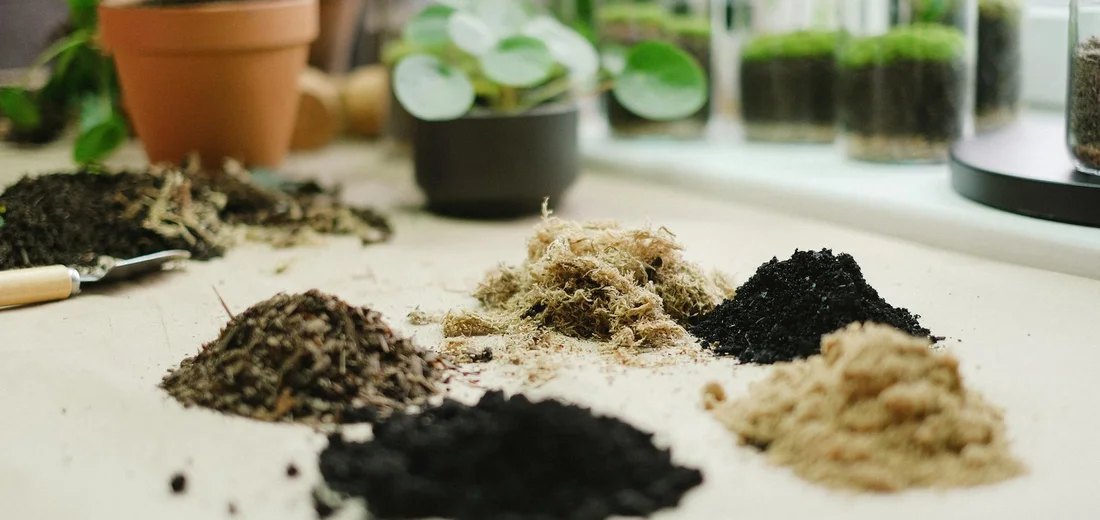
I’ve used standard Miracle-Gro Potting Mix for succulents in a pinch, and I can tell you it’s not ideal straight from the bag. The key to making it work is to fundamentally change its texture and drainage capacity before your succulent ever touches it. Think of it like a dense cake mix that you need to lighten up significantly. And yes, the best soil mix can differ by succulent type. Some prefer ultra-draining, gritty blends (like many cacti), while others tolerate a bit more organic matter.
Here is my go-to method for amending a standard potting mix for succulents:
My Personal Amending Recipe
Grab a large tub or bucket and mix your ingredients thoroughly. A consistent blend is crucial.
- 2 parts Miracle-Gro Potting Mix: This provides the base and some initial nutrients.
- 2 parts Perlite: This is non-negotiable. Perlite creates essential air pockets and dramatically improves drainage, preventing the soil from compacting around the roots.
- 1 part Coarse Sand (Horticultural Grade): Avoid fine play sand, as it can clog the soil. Coarse sand adds grit and weight, further mimicking the well-draining conditions succulents crave in nature.
Step-by-Step Potting Process
- Combine all your ingredients in your container and mix with your hands or a trowel until it’s uniform. You should see far more white perlite and sand than dark soil.
- Always plant your succulent in a pot with a drainage hole. This is your first and best defense against overwatering.
- Fill the pot about one-third full with your new, custom succulent mix.
- Place your succulent in, gently spreading its roots, and backfill with more mix.
- Wait at least a week before giving it the first watering to let any disturbed roots heal.
Quick Tip: Stick your finger an inch into the soil; if it feels even slightly damp, hold off on watering. This simple test has saved more of my plants than any fancy gadget.
By taking these steps, you transform a moisture-retentive mix into a much more suitable home. The final product should feel loose and gritty, not dense or muddy, and it should dry out completely within a few days of a thorough watering.
Miracle-Gro Cactus, Palm & Citrus Mix: A Better Choice?
When I discovered this specialized mix, it felt like a game-changer compared to the standard formula. Miracle-Gro’s Cactus, Palm & Citrus Mix is formulated with better drainage in mind right out of the bag, making it a significantly better starting point for your succulents.
It contains sand and forest products to create a faster-draining environment. I find it holds structure better and doesn’t compact as easily as the all-purpose mix over time. However, based on my experience with fussier succulents like some echeverias and lithops, I still often add a little extra perlite to it for peak performance.
Comparing the Two Mixes for Succulents
| Feature | Standard Miracle-Gro Potting Mix | Cactus, Palm & Citrus Mix |
|---|---|---|
| Drainage | Slow; retains too much moisture | Faster; designed to drain well |
| Texture | Fine and peat-heavy | Grittier with sand included |
| Use “As Is” | Not recommended | Okay for many common succulents |
| Best Use | Must be heavily amended | Good base; can be amended for picky plants |
Quick Tip: For a quick upgrade, mix two parts Cactus Mix with one part perlite for an excellent, foolproof succulent soil. Perlite boosts drainage and root aeration, making this a reliable perlite succulent soil mix. This is my standard mix for about 80% of my collection now.
While the Cactus, Palm & Citrus mix is a major improvement, its safety still depends heavily on your watering habits and the type of succulent. A great soil mix won’t save a succulent from being watered too often, but a poor mix can certainly doom one that’s watered perfectly. If you’re prone to over-love with a watering can, the grittier, the better.
My Top Alternatives for Succulent Soil
After years of watching my succulents struggle in standard potting mix, I developed a few go-to recipes that never let me down. The goal is always to create a mix that drains so fast it’s almost impossible to overwater. To put this into practice, try making your own succulent potting mix with these DIY recipes. It’s easy to customize a fast-draining blend right at home.
1. The Commercial Cactus & Succulent Blend
This is my top choice for beginners who want a ready-made solution. I always look for a bag that feels gritty, not fluffy. My pro tip is to grab a bag and squeeze it; if it clumps together, it’s still too moisture-retentive for most succulents. This approach aligns with the Are Succulents Easy Care Beginners Complete Guide, which emphasizes simple soil and minimal watering. With these basics, beginners can grow healthy succulents with confidence.
- Brands I trust: Espoma Cactus Mix, Bonsai Jack (very gritty), or FoxFarm Happy Frog.
- Why it works: These are specifically formulated with more sand, perlite, or pumice than all-purpose mixes.
- My tweak: I often add a handful of extra perlite to even the best commercial blends for my thirstiest succulents.
2. My Go-To DIY Succulent Soil Recipe
This is what I use for 90% of my personal collection. It’s cheap, effective, and you control the ingredients.
- Start with 2 parts regular potting soil as a base.
- Add 1 part coarse sand (horticultural or builders sand, not beach sand).
- Mix in 1 part perlite or pumice for aeration.
I keep a big storage tub of this mix pre-mixed and ready to go for repotting day. It feels completely different in your hands-gritty and loose, not dense and heavy.
3. The Gritty Mix for Finicky Plants
For succulents like Lithops or mesembs that are prone to rot, I use an even more aggressive, soil-less mix.
- 1 part pine bark fines
- 1 part turface (calcined clay)
- 1 part crushed granite or poultry grit
This mix provides stability and drains almost instantly. You’ll be watering more often, but the risk of root rot plummets.
Signs Your Succulent is Unhappy with Its Soil
Your plant will tell you when its feet are too wet. You just have to know what to look for. I’ve learned to spot these red flags long before a plant is in real trouble.
Above the Soil Clues
You don’t always need to uproot your plant to diagnose a soil issue.
- Soft, mushy leaves at the base: This is the classic sign of overwatering and the first thing I check. The leaves feel waterlogged and may turn yellow or translucent.
- Shriveled lower leaves while the soil is damp: This can mean the roots have rotted and can’t take up water, so the plant is thirsty despite wet soil.
- Stunted growth or a pale, washed-out color: Heavy, compacted soil can suffocate roots, preventing them from absorbing the nutrients needed for vibrant growth.
If the leaves at the bottom are squishy, it’s an SOS signal from your succulent.
Below the Soil Clues (The Root of the Problem)
When in doubt, I gently tip the plant out of its pot for a root inspection. Healthy roots are firm and white or light tan.
- Dark, slimy roots: This is root rot. They’ll feel mushy and may fall apart when touched.
- Soil that stays wet for more than 4-5 days: The mix is too dense and not draining or drying out properly.
- A foul, musty smell from the soil: This indicates anaerobic conditions from poor drainage and is a sure sign of decay.
Trust your nose-if the soil smells bad, your succulent’s roots are likely in trouble.
Your Succulent Watering Routine with This Mix
Using this potting mix completely changes your watering game. I learned this the hard way after nearly drowning a beautiful jade plant by sticking to my old schedule. My typical gritty mix dried out in a week, but the Miracle-Gro was still damp.
Why You Must Water Less Frequently
The peat moss and moisture-retaining crystals in this soil mean it holds onto water for much longer than a succulent expects. Your plant’s roots are used to a quick drink followed by a long, dry period. Test your succulent soil’s drainage to ensure it dries out between waterings. If water pools or drains slowly, amend with perlite or coarse sand to improve drainage.
- The soil feels dry on top, but is often still moist an inch or two down.
- Succulent roots sitting in that consistent moisture can begin to rot.
- This mix extends the time between waterings significantly.
Forget watering on a calendar schedule; your finger is now your most important tool. I always poke my finger deep into the pot to check the soil’s true moisture level before even thinking about the watering can.
The Foolproof “Soak and Dry” Method
This technique is your best friend when using a moisture-retentive mix. It ensures your plant gets the deep hydration it needs without the risk of constant dampness.
- Check the soil moisture by inserting your finger up to the second knuckle.
- Only water if the soil at that depth feels completely dry and crumbly.
- When it’s time, take your plant to the sink and water thoroughly until a steady stream runs out of the drainage hole.
- Let the pot drain completely before returning it to its saucer or decorative pot.
- Do not water again until the soil is bone-dry all the way through.
This cycle of a deep soak followed by a complete dry-out mimics the natural desert rains succulents love. It encourages strong, deep root growth as the roots search for the last bits of moisture.
Seasonal Adjustments Are Non-Negotiable
Your watering frequency isn’t static. It changes with the light and temperature in your home, and the mix’s moisture retention amplifies this.
- Spring and Summer (Growth Season): You might water every 2-3 weeks, but always confirm with the finger test.
- Fall and Winter (Dormant Season): The soil can stay wet for a very long time. I’ve had plants go 5-6 weeks between waterings in a cool, low-light room.
In winter, when in doubt, wait it out. Succulents are far more likely to survive underwatering than overwatering, especially in this soil. A wrinkled leaf is a much easier problem to fix than a mushy, black stem. Learn to identify underwatering or overwatering, then apply the correct fix. A quick check—wrinkled leaves usually indicate underwatering, while a mushy, discolored stem points to overwatering.
## Quick Answers
Is Miracle-Gro Potting Mix safe to use for succulents straight from the bag?
No, its moisture-retentive peat moss and built-in fertilizer create a high risk for root rot and nutrient burn in succulents. In this essential guide, we’ll answer whether succulents need fertilizer and how to feed them safely. Generally, most succulents only need light feeding during the growing season.
What is the main danger of using unamended Miracle-Gro mix for my succulents?
The primary danger is that the soil stays wet for too long, which suffocates and rots the drought-adapted roots.
How can I modify Miracle-Gro Potting Mix to make it safer?
Mix it with equal parts of perlite and coarse sand to drastically improve drainage and reduce moisture retention.
Does Miracle-Gro make a better pre-mixed soil option for succulents?
Yes, their Cactus, Palm & Citrus Mix is a significantly better choice as it is formulated for faster drainage right out of the bag.
What is a simple DIY soil recipe I can use instead?
A reliable DIY mix is two parts potting soil, one part coarse sand, and one part perlite or pumice for excellent drainage.
How will I know if my succulent is suffering from the wrong soil?
Look for soft, mushy leaves at the base of the plant, which is a classic sign of overwatering and root rot.
Your Succulent Soil Success Plan
From my years of nurturing succulents, I can confidently say Miracle-Gro Potting Mix works well if you boost its drainage right away. Follow this simple tweak for happy plants:
- Blend in a generous amount of perlite or coarse sand.
- Always use containers with drainage holes.
- Stick to a “soak and dry” watering routine.
You’re all set to create a thriving succulent oasis-trust your instincts and enjoy the journey. Your green thumb is stronger than you think, and your plants will show their gratitude with vibrant growth.
Further Reading & Sources
- Miracle-Gro Succulent Potting Mix | Miracle Gro
- r/succulents on Reddit: Miracle gro succulent mix or potting mix??
- Questions about Miracle Grow Cacti Potting Mix – CactiGuide.com
- Miracle-Gro Cactus, Palm & Succulent Potting Mix | Miracle Gro Canada
Lena Greenfield is a passionate horticulturist and plant care expert with over 10 years of experience cultivating and nurturing hardy house plants. With a deep understanding of both indoor and outdoor gardening, Lena shares practical advice on choosing, caring for, and maintaining resilient plants that flourish year-round. Through her knowledge and hands-on approach, Lena helps plant lovers transform their spaces into vibrant, green sanctuaries, no matter their gardening experience.
Soil Types